How to Collect and Authenticate Antique Taisho Kimono
The Allure of Taisho Roman (1912-1926)
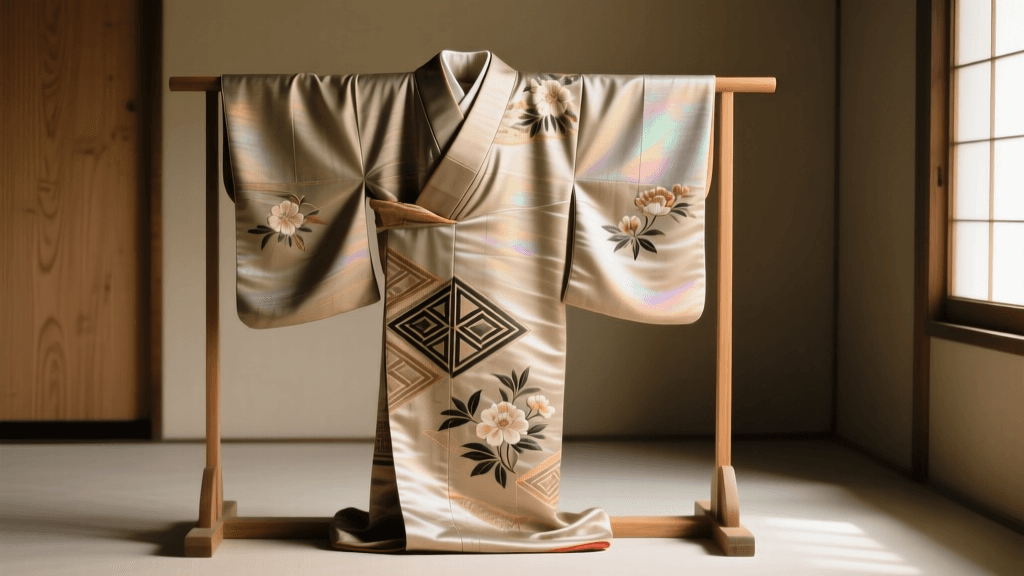
The Taisho period in Japanese history, spanning from 1912 to 1926, was a brief but profoundly transformative era. Sandwiched between the rapid modernization of the Meiji Restoration and the militaristic expansion of the early Showa period, Taisho was characterized by a flourishing of democracy, cosmopolitanism, and a unique aesthetic fusion known as Taisho Roman. For vintage and antique kimono collectors, the Taisho era represents the holy grail of Japanese textile art. According to the Victoria and Albert Museum's comprehensive history of the kimono, this period marked a radical shift in garment design, where traditional Japanese craftsmanship met Western Art Deco and Art Nouveau influences.
Collecting Taisho kimono is not merely about acquiring old clothing; it is about preserving wearable art that tells the story of Japan's cultural metamorphosis. The moga (modern girl) of the 1920s demanded bold, expressive garments that reflected her newfound independence. As noted in the Metropolitan Museum of Art's Heilbrunn Timeline of Art History, the integration of Western motifs, such as geometric patterns, skyscrapers, and even typography, onto traditional silk canvases created a visual language that remains highly coveted by contemporary collectors and fashion historians alike. The groundbreaking Kimono: Kyoto to Catwalk exhibition highlighted how these garments transcended local borders, influencing global fashion and remaining highly relevant in modern vintage markets.
Sourcing Authentic Antique Kimono
Finding genuine Taisho-era kimono requires patience, a trained eye, and knowledge of where serious collectors and dealers congregate. The market is flooded with modern reproductions, making the sourcing environment critical to your success.
Japanese Flea Markets and Antique Fairs
For collectors traveling to Japan, the Oedo Antique Market at the Tokyo International Forum is an essential destination. Held on the first and third Sundays of the month, this market hosts over 250 vendors, including specialized antique textile dealers. Arriving early (around 6:00 AM) is crucial to access the best inventory before it is picked over by local collectors. Prices here are highly negotiable, and you can often find Taisho haori (jackets) for 3,000 to 8,000 JPY ($20 to $55 USD), while pristine, full-length kimono can range from 15,000 to 50,000 JPY ($100 to $350 USD).
Specialized Online Dealers and Auctions
For international collectors, reputable online dealers based in Japan, such as Ichiroya and Yamatoku, offer curated selections with detailed condition reports. These dealers measure garments accurately and photograph flaws meticulously. Additionally, Japanese proxy auction services like Buyee or ZenMarket allow you to bid on Yahoo! Auctions Japan, where estate sales frequently yield rare Taisho pieces. When bidding online, always look for the terms Taisho jidai (Taisho era) or antiku (antique), and be wary of listings that simply say 'vintage' without specifying a decade.
Authentication: Spotting Genuine Taisho Era Pieces
Distinguishing a genuine 1920s Taisho kimono from a 1980s reproduction or a modern fast-fashion imitation requires examining both the macro design and the micro construction.
Motif and Design Analysis
Taisho Roman designs are famous for their avant-garde nature. Look for asymmetrical layouts that break away from the rigid, hem-focused designs of the Edo period. Motifs often include Art Deco geometry, stylized modern florals, Western architecture, and even Roman alphabet letters integrated into the pattern. The color palettes frequently utilized early synthetic dyes, resulting in striking, sometimes slightly faded hues of mustard yellow, deep burgundy, and vibrant teal that are difficult to replicate with modern chemical dyes.
Construction and Stitching
Authentic Taisho kimono were entirely hand-stitched. Examine the interior seams; you should see slight irregularities in the stitch length, which is a hallmark of human craftsmanship. The thread used was typically silk, which ages and weakens differently than modern polyester. Furthermore, the eri (collar) construction on older pieces often features a softer, more unstructured fold compared to the stiff, interfaced collars of modern formal kimono.
Linings and Fabrics
Turn the garment inside out. Taisho-era kimono often feature linings dyed with benibana (safflower) or indigo, creating a striking contrast with the outer silk. A bright, unnatural neon orange or pure white polyester lining is an immediate red flag indicating the garment is either a modern reproduction or has been entirely re-lined in recent decades.
Comparison Chart: Genuine Taisho vs. Modern Reproduction
| Feature | Genuine Taisho (1912-1926) | Modern Reproduction |
|---|---|---|
| Stitching | Entirely hand-stitched with silk thread; slight irregularities present. | Machine-stitched with polyester or cotton-blend thread; uniform tension. |
| Dyeing Technique | Hand-painted yuzen or intricate stencil katazome; natural or early synthetic dyes. | Digital printing or automated screen printing; modern chemical dyes. |
| Lining Fabric | Often lined with contrasting silk, sometimes featuring benibana (safflower) red. | Typically lined with plain white polyester or cheap synthetic rayon. |
| Motif Style | Asymmetrical, avant-garde, Art Deco geometry, Taisho Roman typography. | Repetitive, safe, traditional Edo-period revival patterns. |
| Scent and Patina | Faint scent of camphor, aged silk, or traditional tansu drawers. | Smells of modern factory chemicals, ozone, or lacks any distinct scent. |
Assessing Condition: What to Look For
Antique silk is inherently fragile. When evaluating a Taisho kimono for your collection, condition dictates both the display value and the wearability of the garment.
- Silk Shattering (Shredding): Gently pinch the silk along the folds and stress points (like the shoulders and hem). If the fabric feels brittle, crisp, or flakes away, the silk is 'shattering.' This is caused by the degradation of metallic salts used as weighting agents in early 20th-century dyeing. Shattered silk cannot be repaired and should only be purchased for study or framing.
- Shimi (Stains): Taisho kimono frequently feature shimi, or age spots. Small, light brown spots on the inner lining or near the hem are common and often accepted by collectors. However, dark, stiff stains on the outer silk indicate protein damage that is nearly impossible to remove without destroying the dye.
- Kabi (Mold): Japan's humid climate makes mold a persistent threat. Inspect the garment in direct sunlight. If you see fuzzy white or black patches, or smell a sharp, earthy mildew odor, the garment requires professional ozone treatment or careful surface cleaning with a specialized textile eraser.
- Collar Sweat Stains: The han-eri (decorative collar) and the main collar often absorb oils and sweat. While a dirty collar is expected on a 100-year-old garment, ensure the underlying silk has not rotted from prolonged exposure to acidic perspiration.
A genuine Taisho Roman kimono is a snapshot of a society in transition. The juxtaposition of classical chrysanthemums with Art Deco geometry is not just a design choice; it is a historical document woven in silk. Treat the flaws and patina as part of its provenance.
— Textile Historian and Curator
Preservation and Archival Storage
Proper storage is the difference between a kimono that survives another century and one that turns to dust. Never store antique silk in plastic bins or vacuum-sealed bags; silk is a natural protein fiber that requires airflow to prevent moisture buildup and mold growth.
The Art of Folding and Tatoushi
Kimono are designed to be folded, not hung. Hanging a heavy, antique silk garment will cause the shoulders to stretch and the delicate seams to tear under their own weight. Fold the kimono using the traditional method, aligning the seams perfectly to prevent uneven stress on the fabric. Once folded, wrap the garment in tatoushi—traditional, breathable Japanese paper wrappers. If authentic tatoushi is unavailable, use unbuffered, acid-free archival tissue paper. Avoid colored tissue, as the dyes can transfer to the silk over time.
Climate Control
Store your wrapped kimono in a wooden tansu (chest) or an archival cardboard box in a climate-controlled environment. The ideal storage conditions are a stable temperature of around 65°F (18°C) and a relative humidity of 45% to 55%. Include silica gel packets or Japanese cedar blocks to regulate moisture and deter insects, but ensure they do not touch the silk directly. Refold the garments every six months to shift the stress points and prevent permanent creases from forming in the fragile fibers.
Actionable Advice: Measuring and Cataloging
When cataloging your collection, accurate measurements are essential for both historical documentation and potential future sales or displays. Unlike Western garments, kimono are measured flat. Use a soft fabric measuring tape and record the following in centimeters:
- Mitake (Back Length): Measure from the base of the collar seam down the center back seam to the hem. Taisho-era kimono often have a slightly shorter mitake (around 150-155 cm) compared to later Showa pieces, reflecting the average height of women in the 1920s.
- Yuki (Sleeve Length from Center): Measure from the center back seam, across the shoulder, and down to the edge of the sleeve cuff. Taisho kimono frequently feature a longer yuki (62-66 cm) to accommodate the dramatic, flowing drape preferred during the era.
- Sodetake (Sleeve Depth): Measure from the shoulder seam down to the bottom of the sleeve. Unmarried women's furisode from this era can have sleeve depths exceeding 100 cm, creating a stunning, theatrical silhouette.
By meticulously documenting these measurements, along with high-resolution macro photography of the dye work and interior stitching, you contribute to the preservation of Japanese textile history. Collecting Taisho kimono is a rewarding pursuit that bridges the gap between fashion, art, and historical preservation, allowing you to become a custodian of Japan's most vibrant and innovative sartorial era.