Japanese Outerwear in Global Pop Culture: A Styling Guide
The Intersection of Edo Tradition and Modern Media
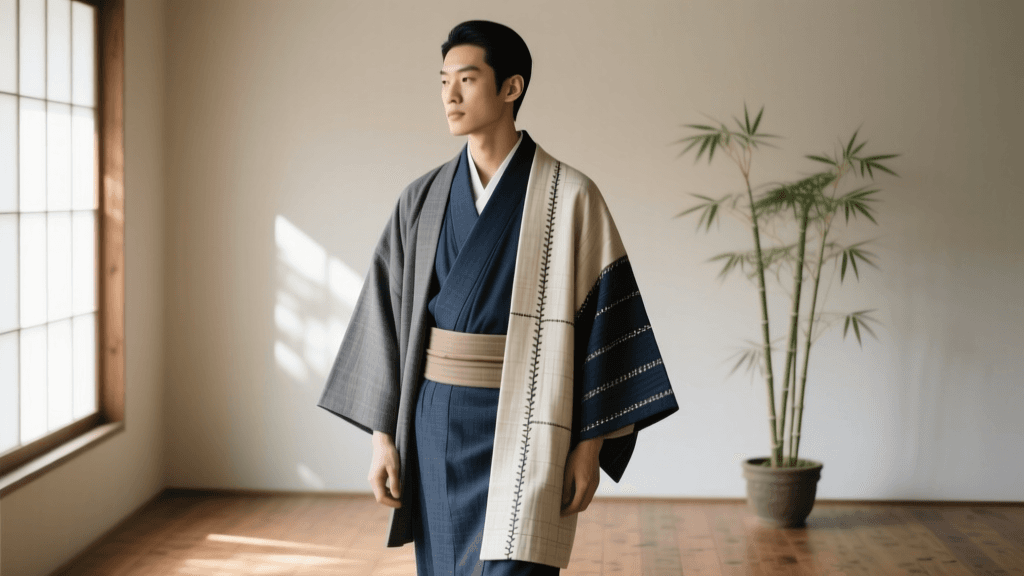
When we examine the trajectory of global fashion, few cultural exports have experienced as profound a metamorphosis as traditional Japanese outerwear. From the bustling streets of Harajuku to the high-fashion runways of Paris and the music videos of global hip-hop icons, garments like the haori, noragi, and hanten have transcended their historical origins. They are no longer just artifacts of the Edo period; they are dynamic staples in the modern pop-culture wardrobe. According to The Metropolitan Museum of Art, the structural brilliance and textile artistry of Japanese garments have fascinated Western designers and global audiences for over a century, paving the way for their current status in streetwear and media.
For the modern enthusiast, incorporating these pieces into a contemporary wardrobe requires more than just throwing on a vintage jacket. It demands an understanding of traditional silhouettes, precise measurements, and the cultural weight these garments carry. This guide will explore how Japanese outerwear conquered global media and provide actionable advice on how to source, measure, and style these authentic pieces today.
The Pop Culture Catalyst: From Hollywood Sci-Fi to Hip-Hop
The integration of Japanese outerwear into global pop culture did not happen overnight. It was catalyzed by several distinct media movements:
- Hollywood and Sci-Fi: The flowing, unstructured silhouettes of the haori and kimono heavily influenced costume design in global cinema. The most famous example is the Jedi Order in Star Wars, whose robes were directly inspired by traditional Japanese layered garments, cementing the silhouette as a universal symbol of wisdom, mysticism, and mentorship in global media.
- Hip-Hop and Streetwear: In the 2010s, artists like A$AP Rocky, Travis Scott, and Pharrell Williams began incorporating vintage sukajan (souvenir jackets) and silk haori into their stage wear and music videos. This bridged the gap between traditional Japanese embroidery and Western urban fashion, causing a massive spike in global demand for vintage Japanese textiles.
- Anime and Cosplay Culture: As Japanese animation became a dominant global force, characters depicted in traditional festival wear (happi and hanten) or battle-ready haori (such as those seen in Demon Slayer) inspired a new generation of fans to seek out authentic garments for conventions, photoshoots, and daily streetwear.
The global fascination with Japanese dress is not merely about exoticism; it is a profound appreciation for the structural innovation and textile mastery that these garments represent on the world stage.
The Victoria and Albert Museum highlighted this exact phenomenon in their landmark exhibition, Kimono: Kyoto to Catwalk, which meticulously traced how these traditional garments have been continuously reinterpreted by global pop stars, actors, and avant-garde designers.
The Core Garments: Haori, Noragi, and Hanten
To build a pop-culture-inspired wardrobe rooted in authenticity, you must understand the distinct roles of traditional outerwear. Below is a comparison chart to help you identify which garment fits your aesthetic and budget.
| Garment | Historical Origin | Pop Culture Trope | Modern Styling Tip | Avg Vintage Cost (USD) |
|---|---|---|---|---|
| Haori | Samurai & Aristocracy (Edo Period) | The "Mystic Mentor" / High-Fashion Layering | Wear open over a heavy cotton tee and wide-leg denim. | $60 - $350 |
| Noragi | Rural Farmers & Laborers | Rugged Workwear / Anime Protagonist | Layer over a thermal henley; pair with selvedge denim. | $80 - $400 |
| Hanten | Commoner Winter Wear | Cozy Festival / Lo-Fi Aesthetic | Wear as a statement winter coat over a hoodie. | $40 - $150 |
Actionable Guide: Sourcing and Measuring Vintage Outerwear
Buying vintage Japanese outerwear online requires a departure from Western sizing (S, M, L). Traditional garments are measured flat, and understanding these metrics is crucial for achieving the relaxed, oversized drape favored in modern streetwear.
Essential Measurements to Know
- Yuki (Sleeve Length): Unlike Western jackets measured from the shoulder seam, yuki is measured from the center back of the neck, across the shoulder, and down to the cuff. For a modern, slightly oversized streetwear fit, look for a yuki between 70cm and 78cm (27.5 - 30.5 inches).
- Katahaba (Shoulder Width): Measured from shoulder seam to shoulder seam across the back. Traditional noragi often feature a straight drop-shoulder seam. A width of 55cm to 65cm provides the boxy, contemporary silhouette seen in brands like Visvim or Kapital.
- Sodeguchi (Sleeve Opening): The width of the cuff. Haori sleeves are notoriously wide (often 35cm+), which allows for dramatic layering over thick hoodies in autumn.
- Mihaba (Body Width): Measured from armpit to armpit. Because traditional garments lack darts and tailoring, the mihaba dictates the overall volume. Aim for 60cm+ for a comfortable, gender-neutral oversized fit.
When and Where to Buy
The most cost-effective time to source authentic vintage pieces is during Japan's post-New Year sales (fukubukuro season in early January) or late autumn when sellers clear out summer stock to make room for heavy winter hanten. Platforms like eBay, Etsy, and specialized Japanese proxy services (e.g., Buyee or ZenMarket) are your best resources. Always search using the romaji terms (e.g., "vintage sashiko noragi") rather than generic English terms like "Japanese farmer jacket" to avoid overpriced, mass-produced replicas.
Styling Traditional Silhouettes for Modern Media Aesthetics
Incorporating a 100-year-old noragi into a 2024 streetwear outfit requires balancing proportions and textures. The goal is to honor the garment's heritage while participating in contemporary fashion dialogues.
The Rule of Thirds and Proportions
Traditional Japanese outerwear is generally hip-length, which can visually cut the body in half if styled incorrectly. To counter this, employ the "Rule of Thirds":
- The Base Layer: Wear a long, untuned tunic or a heavyweight oversized t-shirt that extends 3-4 inches below the hem of the haori or noragi.
- The Bottoms: Avoid skinny jeans. The voluminous top half demands equally substantial bottoms. Opt for wide-leg pleated trousers, heavy canvas work pants, or 14oz+ selvedge denim with a slight flare or straight cut.
- The Footwear: Ground the outfit with chunky footwear. Maison Margiela Tabi boots, Nike ISPA trails, or traditional seta sandals worn with thick, textured wool socks bridge the gap between Edo tradition and futuristic streetwear.
Texture Contrast
If you are wearing a delicate, silk haori featuring intricate yuzen dyeing, contrast the luxury of the silk with brutalist, rugged textures. A heavy, slub-cotton thermal henley and distressed denim will prevent the outfit from looking like a costume, anchoring it firmly in modern streetwear.
Archival Care for the Modern Collector
Pop culture trends may ebb and flow, but a well-maintained vintage noragi or haori is an archival investment. Traditional textiles, particularly indigo-dyed cotton and silk, require specific care protocols to survive the modern urban environment.
- Ditch the Wire Hangers: The straight, drop-shoulder seams of traditional garments will warp and tear under the stress of thin wire hangers. Invest in wide, padded wooden hangers (at least 2.5 inches thick at the shoulders) to support the katahaba.
- Indigo Maintenance: Authentic sashiko and boroboro (mended) noragi are dyed with natural indigo, which is prone to crocking (transferring dye). Avoid wearing light-colored base layers under a vintage indigo jacket until it has been professionally set or gently hand-washed in cold water with a pH-neutral detergent.
- Storage: Silk haori should never be stored in plastic dry-cleaning bags, which trap moisture and cause the silk to shatter over time. Fold them along their original seams and store them in tatoushi (traditional Japanese paper envelopes) or acid-free archival cotton boxes with cedar blocks to deter moths.
By understanding the historical weight, precise measurements, and styling nuances of Japanese outerwear, you do more than just follow a pop-culture trend. You become a custodian of a living textile tradition, seamlessly weaving the artistry of the Edo period into the visual language of the modern world.