The Art of Su Embroidery: Guide to Chinese Silk Textiles
Introduction to Su Embroidery (Suxiu)
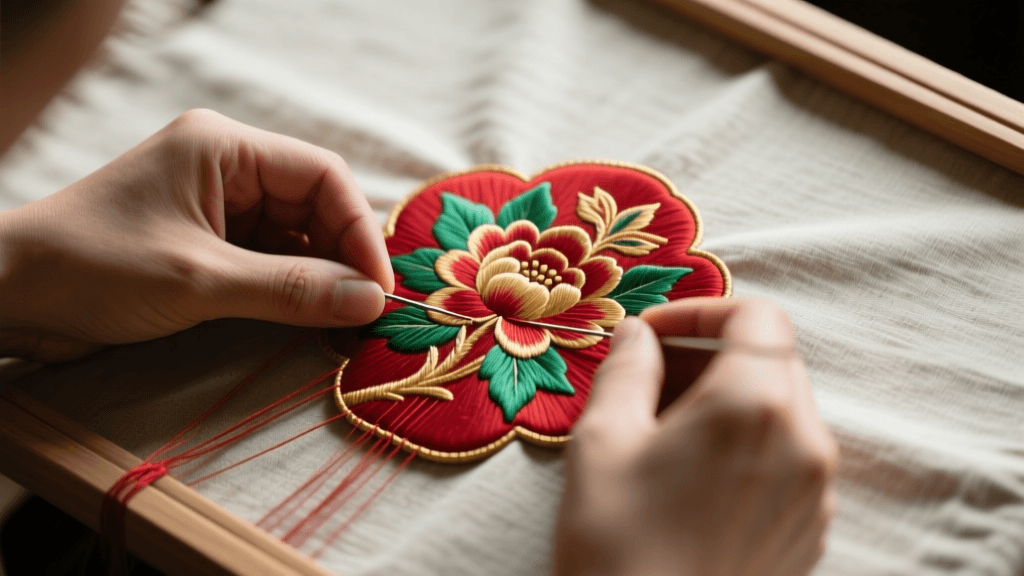
Su embroidery, or Suxiu, is widely considered the crown jewel of Chinese textile arts. Originating from the city of Suzhou in Jiangsu Province, this intricate needlework has been perfected over more than 2,000 years. Renowned for its delicate patterns, elegant colors, and photorealistic precision, Su embroidery transforms raw silk threads into breathtaking works of art. Today, it remains a highly sought-after embellishment for traditional Chinese garments, including the flowing sleeves of Hanfu and the tailored silhouettes of the Qipao (Cheongsam). For collectors, cultural enthusiasts, and traditional garment wearers, understanding the nuances of Suxiu is essential for appreciating its value and ensuring its preservation.
The Legacy and Cultural Significance of Suxiu
The foundation of Su embroidery lies in the region's historical mastery of silk production. The intricate relationship between sericulture and needlework is so vital to Chinese heritage that it has been globally recognized by the UNESCO Intangible Cultural Heritage list. This recognition highlights not just the embroidery itself, but the entire ecosystem of mulberry cultivation, silkworm rearing, and silk reeling that makes Suxiu possible. Historically, Suzhou embroidery was commissioned by the imperial court, adorning the robes of emperors and high-ranking officials. The Victoria and Albert Museum (V&A) notes that during the Qing Dynasty, Suzhou artisans were frequently summoned to the capital to create elaborate dragon robes and court accessories, cementing Suxiu's status as the pinnacle of Chinese sartorial luxury.
The Hallmarks of Authentic Suzhou Silk Embroidery
What separates genuine, master-crafted Su embroidery from mass-produced imitations? The answer lies in three distinct technical achievements: thread splitting, stitch density, and the elusive double-sided technique.
Thread Splitting (Pi Xian)
The most defining characteristic of Suxiu is the artisan's ability to split a single strand of silk thread into microscopic fractions. A master embroiderer can split one thread into 2, 4, 8, 16, 32, or even 64 individual filaments. When rendering the delicate feathers of a bird or the subtle gradient of a koi fish's scales, artisans will use a 1/32nd or 1/64th strand of silk. This allows for a level of photorealism and color blending that is virtually impossible to achieve with standard embroidery threads.
Stitch Density and the Hidden Knot
Authentic Su embroidery utilizes over 40 distinct stitch types, with the 'seed stitch' (dazi) and 'scattered stitch' (san tao) being prominent. The surface of a high-quality piece should feel remarkably smooth, almost like a painted surface. Artisans are trained to hide the knots of their threads within the layers of the silk or on the reverse side, ensuring the front remains uninterrupted.
Double-Sided Embroidery (Shuang Mian Xiu)
The ultimate testament to a Suzhou master is double-sided embroidery. In this technique, the artisan creates an image that is identical on both the front and back of a sheer silk organza base. All thread ends and knots are meticulously concealed within the stitches themselves. Advanced masters can even create 'double-faced, double-color' embroidery, where the front displays one image (e.g., a white cat) and the reverse displays a completely different image in different colors (e.g., a tiger).
Buying Guide: Pricing and Authentication
When purchasing Su embroidery for garment integration or art collection, buyers must navigate a market flooded with machine-made replicas. Authentic hand-embroidered silk requires a massive investment of time. Below is a structured guide to help you understand the pricing and time investments associated with different tiers of Suxiu.
| Item Type & Quality Tier | Thread Density & Technique | Production Time | Estimated Cost (USD) |
|---|---|---|---|
| Machine-Embroidered Garment Panel | Standard polyester/silk blend thread, uniform stitching | 1 - 2 Days | $50 - $150 |
| Hand-Embroidered Qipao Panel (Apprentice) | Basic 2-4 strand splitting, visible stitch transitions | 1 - 3 Months | $800 - $2,500 |
| Master-Level Hanfu Skirt Border | 16-32 strand splitting, complex gradient shading | 6 - 12 Months | $3,500 - $8,000 |
| Double-Sided Art Screen (Master) | 64 strand splitting, flawless concealment, organza base | 1 - 3 Years | $15,000 - $100,000+ |
Authentication Tip: Examine the reverse side of the textile. Machine embroidery will show a chaotic web of bobbin threads and uniform, interlocking loops. Genuine hand-embroidered Suxiu will show deliberate, directional stitches, and in the case of double-sided works, the reverse will be as pristine as the front.
Integrating Su Embroidery into Modern Traditional Garments
For those commissioning or buying traditional garments, the placement and scale of Su embroidery are critical to the garment's historical accuracy and aesthetic balance.
Hanfu: The Mamianqun (Horse-Face Skirt)
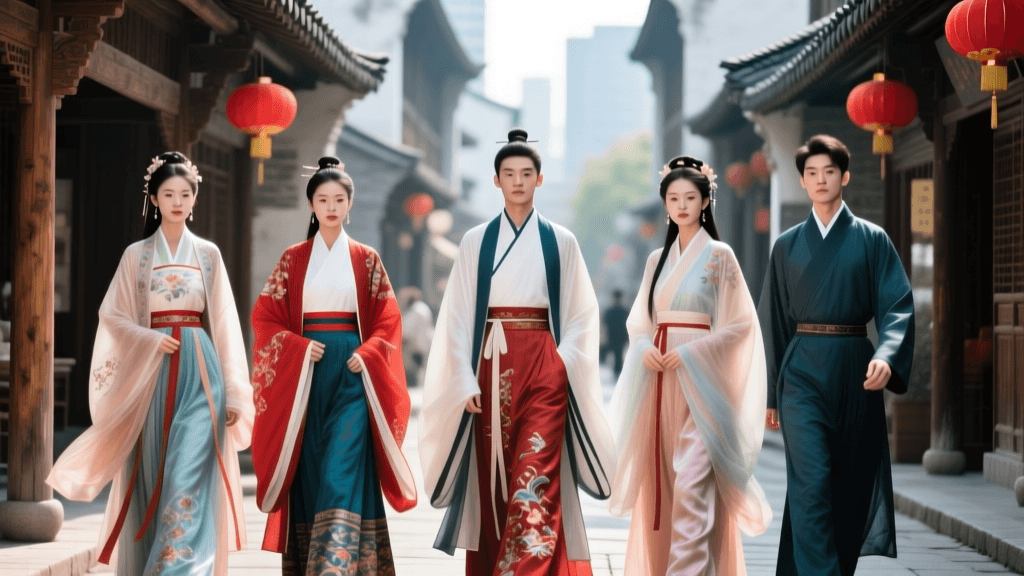
In modern Hanfu revival fashion, the Mamianqun is a staple. When incorporating Suxiu, the embroidery is typically concentrated on the flat front and back panels (the 'horse faces') or along the wide hem borders. A standard embroidery border for a Mamianqun should measure between 15 cm to 20 cm (6 to 8 inches) in width. Motifs often include auspicious symbols like peonies (wealth), plum blossoms (resilience), or flying cranes (longevity). Because Hanfu requires significant drape, the silk base must be a heavy crepe de chine or jacquard silk to support the dense embroidery without puckering.
The Qipao (Cheongsam)
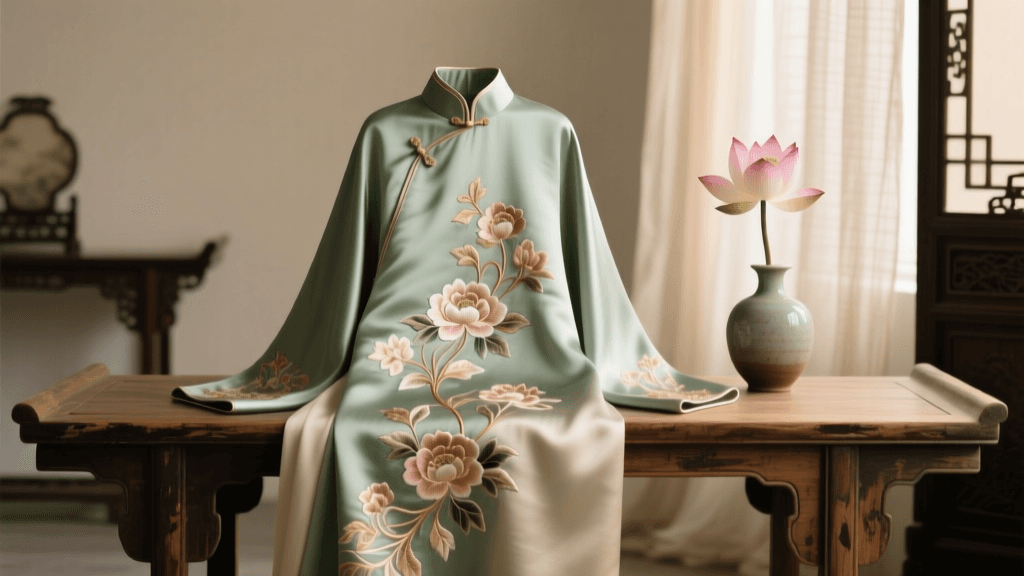
For the Qipao, Su embroidery is often used as an asymmetrical accent. A classic Suzhou-style Qipao might feature a cascading branch of wisteria or magnolia originating from the lower right hem and creeping up toward the hip. The embroidery on a tailored Qipao must be executed with a very low profile (using 1/8th or 1/16th thread splits) so that the embellishment does not add bulk, which would ruin the sleek, form-fitting silhouette of the garment.
Actionable Care and Maintenance Guide
Silk is a protein fiber, and the dense embroidery threads can hold dirt and oils differently than the base fabric. Improper care can lead to color bleeding, thread snagging, and irreversible fabric distortion. Follow these precise, actionable steps to maintain your embroidered silk garments.
Washing Protocols
- Detergent Selection: Never use standard alkaline laundry detergents or bleach, which will dissolve the silk protein. Use a pH-neutral, enzyme-free detergent specifically formulated for silk, such as Eucalan Lavender Fine Fabric Wash or The Laundress Silk Delicate.
- Water Temperature: Use cool water strictly below 30°C (86°F). Hot water will cause the silk base to shrink while the denser embroidery threads remain the same size, resulting in severe puckering.
- Agitation and Timing: Do not rub, scrub, or wring the embroidered areas. Submerge the garment gently and let it soak for a maximum of 3 to 5 minutes.
Drying and Ironing
- Drying: Lay the garment flat on a clean, dry microfiber towel. Roll the towel up gently like a sleeping bag to press out excess water. Never hang wet embroidered silk, as the weight of the waterlogged embroidery threads will stretch and distort the base fabric.
- Ironing: Set your iron to the 'Silk' or 'Low' setting, exactly 110°C (230°F). You must use a clean cotton muslin press cloth between the iron and the garment. Iron exclusively on the reverse side of the embroidery to prevent crushing the raised stitches on the front.
Storage and Pest Control
Store embroidered garments flat or loosely rolled in acid-free tissue paper. Never use wire hangers, and avoid standard mothballs (naphthalene or paradichlorobenzene), as the harsh chemicals can react with the silk dyes and cause yellowing. Instead, use natural cedar wood blocks or dried lavender sachets placed in the corners of your storage drawer to deter pests naturally.
Framing and Preservation of Textile Art
If you are collecting Su embroidery as standalone art rather than wearable garments, proper framing is vital to prevent UV degradation and moisture entrapment. According to conservation guidelines outlined by institutions like The Metropolitan Museum of Art, historical textiles require specialized mounting.
- Glazing: Always use 3mm UV-filtering Optium Museum Acrylic rather than standard glass. Glass can shatter and slice the silk, and it does not offer adequate UV protection, which will fade the delicate silk dyes over time.
- Mounting: The textile should be hand-stitched to an acid-free, unbleached cotton backing board using fine silk threads. Never use adhesives, staples, or pins directly on the embroidered silk.
- Spacing: Ensure the framer uses a spacer or a deep mat so that the acrylic glazing does not physically touch the surface of the embroidery, which could flatten the stitches over time due to static cling or pressure.
Conclusion
Su embroidery is far more than mere decoration; it is a profound expression of Chinese cultural heritage, requiring thousands of hours of meticulous labor and a deep understanding of silk as a medium. Whether you are commissioning a bespoke Qipao, investing in a Hanfu skirt with authentic hand-stitched borders, or preserving a double-sided masterwork, understanding the techniques, market values, and strict care protocols of Suxiu ensures that these magnificent textile arts will endure for generations to come.