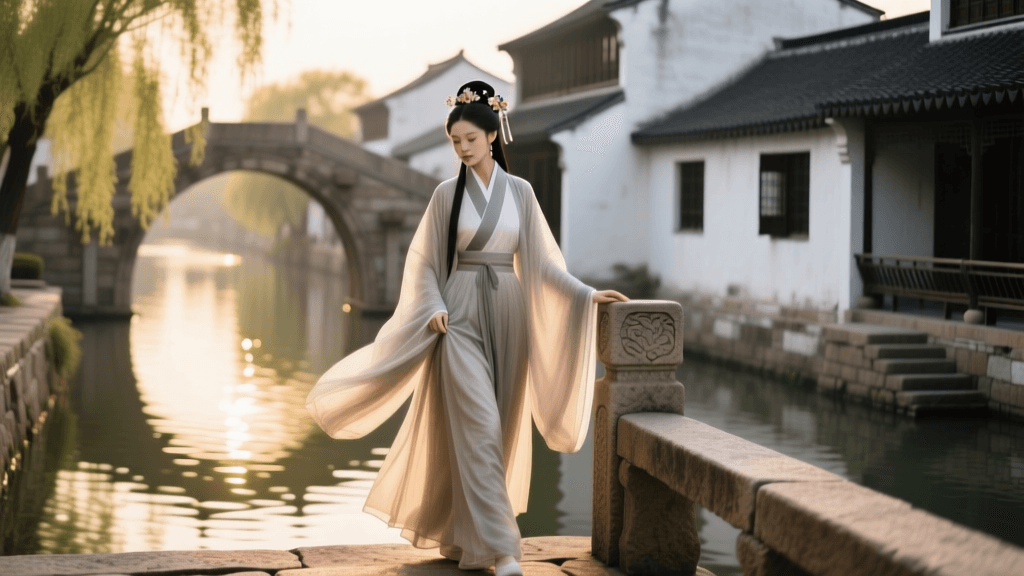
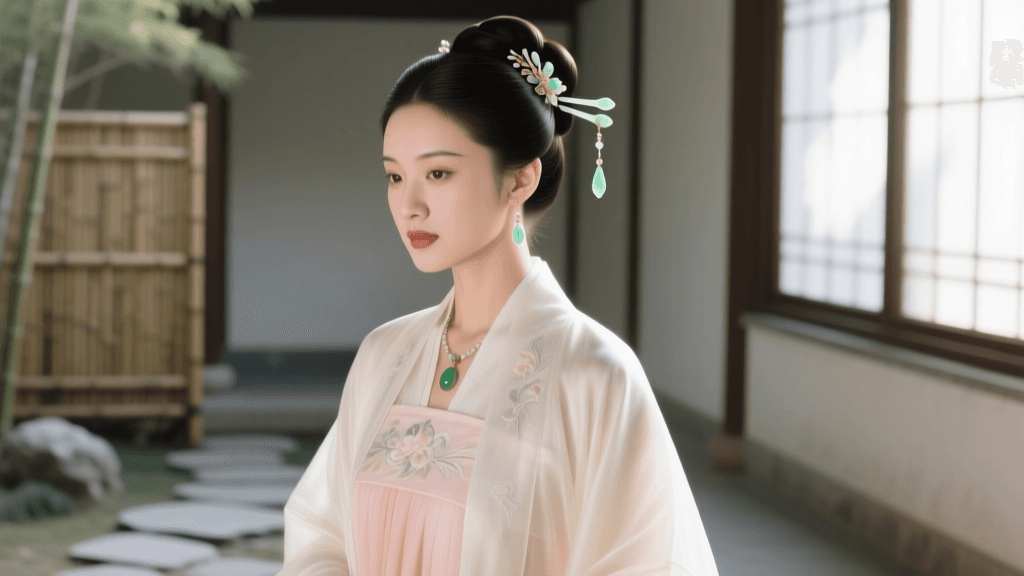
Screen to Street: A Guide to Tang Dynasty Drama Hanfu
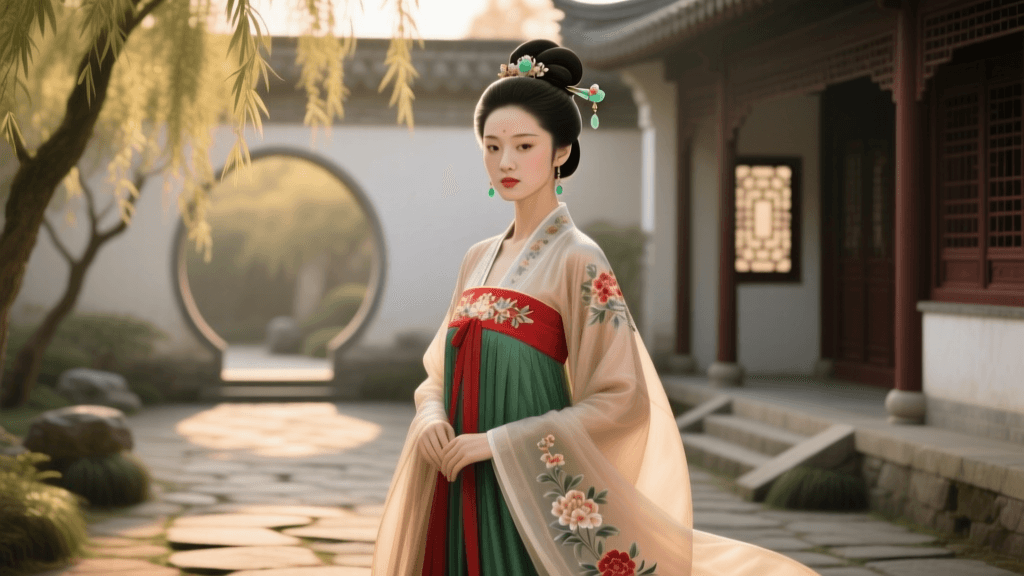
Chinese historical dramas, widely known as C-dramas, have transcended mere entertainment to become powerful cultural catalysts. Over the past decade, the meticulous costume design in shows like The Longest Day in Chang'an and The Story of Minglan has sparked a global revival of traditional Chinese clothing. This phenomenon, known as the Hanfu movement, has seen millions of young people reclaiming their sartorial heritage. According to Sixth Tone's coverage on the Hanfu movement, the market for traditional garments has exploded into a multi-billion-dollar industry, driven heavily by the visual poetry of cinematic and television costumes.
While C-dramas offer a breathtaking window into China's past, translating these screen-accurate costumes into a wearable, modern wardrobe requires a blend of historical knowledge, practical styling, and smart shopping. This guide focuses on the opulent, cosmopolitan fashion of the Tang Dynasty (618–907 AD), providing actionable advice on how to curate, style, and photograph a drama-inspired Hanfu wardrobe.
The Cinematic Renaissance of Tang Dynasty Fashion
The Tang Dynasty is often romanticized as the golden age of Chinese culture, characterized by its openness to foreign influences, economic prosperity, and artistic brilliance. In television dramas, this era is depicted through vibrant color palettes, luxurious textiles, and silhouettes that emphasize volume and fluidity. Costume designers for hit dramas often consult historical texts and museum archives to recreate the distinct look of Chang'an (modern-day Xi'an). As noted by The Metropolitan Museum of Art's Heilbrunn Timeline of Art History, Tang dynasty textiles were renowned for their complex weaves, including silk brocades and intricate tapestry techniques that absorbed Persian and Central Asian motifs.
However, television costumes are ultimately designed for the camera. They often exaggerate certain elements—such as the length of a silk shawl or the stiffness of a collar—to enhance the actor's movement and the visual composition of a scene. Understanding the difference between screen fantasy and historical reality is the first step in building an authentic yet practical wardrobe.
Screen Fantasy vs. Historical Reality
Before purchasing your first set, it is crucial to understand how modern commercial Hanfu adapts both historical artifacts and dramatic flair. Below is a comparison chart to help you navigate your options.
| Garment Element | TV Drama Depiction | Historical Artifact / Text | Modern Commercial Hanfu |
|---|---|---|---|
| Qixiong Ruqun (Chest-High Skirt) | Extremely voluminous, often dragging on the floor; bright, saturated synthetic colors. | Fitted closer to the body based on tomb figurines; natural plant-dyed colors (e.g., madder red, indigo). | Wide A-line or pleated skirts; adjustable straps added for security; matte polyester or cotton-linen blends. |
| Pibo (Silk Shawl) | Exaggerated lengths (over 3 meters) billowing in the wind; sheer, wire-supported stiff fabrics. | Modest lengths (approx. 2 meters); draped naturally over the arms or tucked into the skirt waist. | Lengths of 2 to 2.5 meters; made of soft chiffon or silk blends for manageable, elegant draping. |
| Yuanlingpao (Round-Collar Robe) | Heavy, stiff brocades with oversized shoulder pads to create a commanding, heroic silhouette. | Softer draping silk or hemp; tailored to the wearer's natural shoulder width; functional side slits. | Structured but comfortable jacquard fabrics; includes hidden modern pockets and reinforced collars. |
Building Your Drama-Inspired Wardrobe: A Buyer’s Guide
Creating a cinematic Tang Dynasty wardrobe does not require a Hollywood budget. With the rise of specialized Hanfu brands on platforms like Taobao and Weidian, you can acquire high-quality, screen-accurate pieces for a fraction of the cost of custom tailoring. Here is a practical breakdown of the essential garments, including measurements, fabric recommendations, and estimated costs.
1. The Qixiong Ruqun (Chest-High Skirt Set)
This is the quintessential Tang Dynasty female silhouette, consisting of an inner upper garment (Shangyi) and a high-waisted skirt tied at the chest.
- Search Terms: 唐制汉服 (Tang system Hanfu), 齐胸襦裙 (Qixiong Ruqun).
- Fabric Advice: Avoid shiny, cheap polyester which looks terrible on camera and traps heat. Opt for matte chiffon, tencel, or cotton-linen blends for the skirt, and textured jacquard for the top.
- Measurements: The skirt length should be measured from your underarm to your ankle. For a person who is 165cm (5'5") tall, a skirt length of 110cm to 115cm is ideal to prevent tripping while maintaining the dramatic floor-grazing look.
- Practical Tip: The biggest complaint about the Qixiong Ruqun is that it slips down. Look for modern commercial versions that include hidden silicone anti-slip strips inside the waistband or detachable shoulder straps.
- Estimated Cost: $45 – $85 USD.
2. The Yuanlingpao (Round-Collar Robe)
Originally a male garment influenced by nomadic horse-riding cultures, the Yuanlingpao was famously adopted by Tang Dynasty women who enjoyed cross-dressing and polo playing. It is perfect for a striking, gender-neutral, or fierce heroine look.
- Search Terms: 圆领袍 (Yuanlingpao), 唐制男装 (Tang male clothing).
- Fabric Advice: Look for mid-weight woven jacquard or cotton twill. The fabric needs enough structure to hold the round collar flat against the neck without collapsing.
- Measurements: Ensure the sleeve length reaches the wrist bone when arms are relaxed. The robe should fall to the mid-calf, allowing boots to be visible.
- Accessories: Must be paired with a leather or woven Gedai (belt) and black Xue (riding boots).
- Estimated Cost: $60 – $120 USD.
3. The Pibo (Silk Shawl)
No Tang Dynasty look is complete without the Pibo, a long, unstitched piece of fabric draped over the arms to create an ethereal, fairy-like silhouette.
- Search Terms: 披帛 (Pibo).
- Fabric Advice: Silk organza or high-quality soft chiffon. It must be sheer and lightweight to catch the wind naturally.
- Measurements: 200cm to 250cm in length, and 40cm to 50cm in width. Anything wider will look bulky; anything shorter will not drape properly.
- Estimated Cost: $15 – $30 USD.
Sourcing Authentic Pieces Online
While international retailers like AliExpress carry Hanfu, the best quality and screen-accurate designs are found on domestic Chinese platforms like Taobao. According to BBC Culture's feature on the Hanfu revival, the ecosystem of independent Hanfu designers in China is vast and highly specialized. To purchase from these designers, international buyers typically use shopping agents such as Superbuy, CSSBuy, or Wegobuy. These agents allow you to paste Taobao links, purchase the items, receive them in a domestic warehouse, and consolidate them for international shipping. Always check the seller's reviews for 'shape accuracy' (版型), a term used by the Hanfu community to denote how well a garment adheres to historical cutting patterns.
Styling for the Modern Era and Travel Photography
Translating a TV drama costume to real life requires mastering the styling details that bring the garment to life.
Draping the Pibo
Do not simply throw the shawl over your shoulders. For a classic Tang drama look, drape the center of the Pibo behind your neck, bring both ends to the front, cross them over your chest, and tuck the ends securely into the waistband of your skirt. Alternatively, drape it over both forearms, allowing the ends to trail elegantly behind you for dynamic photography.
Cinematic Makeup: The Huadian and Mianye
Tang Dynasty makeup was bold and artistic. To achieve a screen-accurate face, incorporate the Huadian (a floral or geometric decal painted or glued between the eyebrows) and Mianye (small red dots painted in the corners of the mouth to mimic dimples). Use a vibrant vermilion lip color and elongated, sweeping eyeliner to mimic the 'moth eyebrows' popularized in dramas like The Longest Day in Chang'an.
Location and Lighting for Photography
If you are planning a Hanfu travel photoshoot, the environment is just as important as the clothing. Traditional architecture with vermilion pillars, curved eaves, and manicured gardens provides the perfect backdrop. Cities like Xi'an, Luoyang, and Hangzhou offer dedicated Hanfu photography studios and historical parks. For lighting, always shoot during the 'golden hour' (the hour after sunrise or the hour before sunset). The warm, directional light will highlight the texture of your jacquard fabrics and create dramatic, cinematic shadows that mimic high-budget television lighting.
Conclusion
The magic of Chinese historical dramas lies in their ability to make the past feel vibrantly alive. By understanding the nuances of Tang Dynasty silhouettes, investing in quality textiles, and mastering the art of traditional styling, you can step out of the audience and into the frame. The Hanfu movement is not just about wearing a costume; it is about embodying the elegance, confidence, and rich cultural tapestry of ancient China in the modern world.