Celebrity Kimono Trends: Modern Styling & Streetwear Guide
The Global Renaissance of the Kimono Silhouette
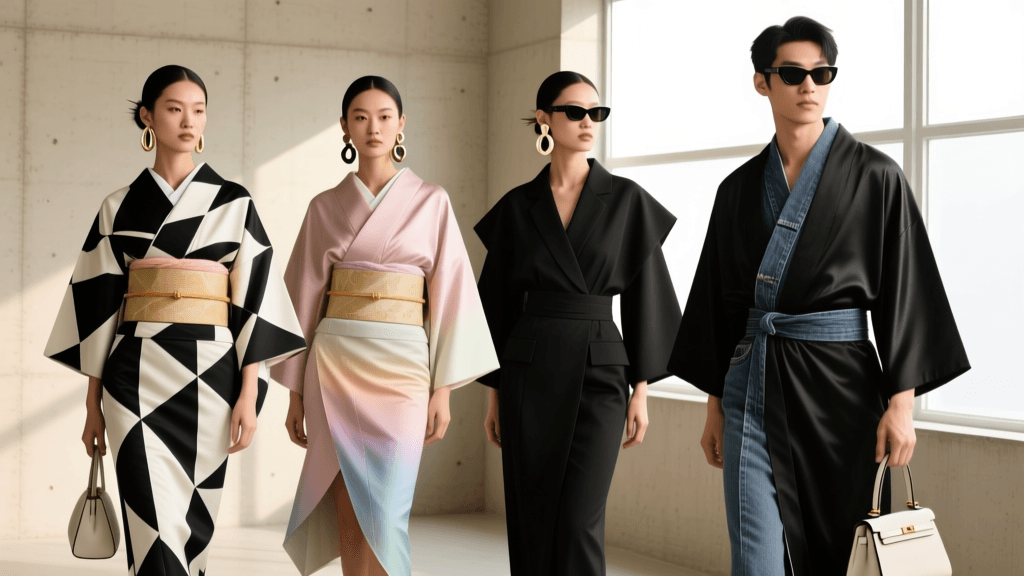
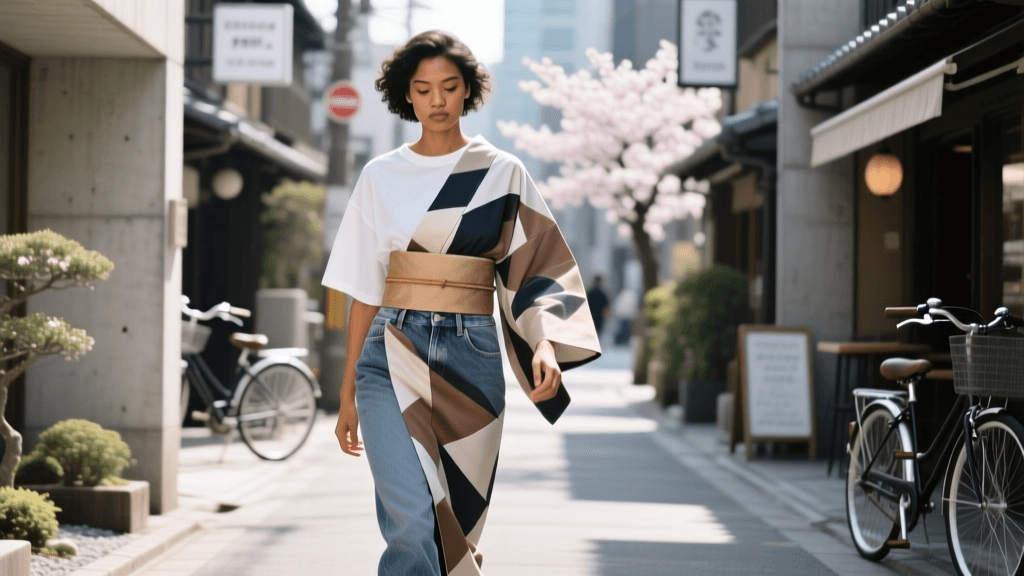
Once confined strictly to the realms of traditional Japanese ceremonies and formal wear, the kimono and its derivative garments have experienced a massive resurgence in global pop culture and streetwear. Driven by high-profile celebrities, avant-garde musicians, and fashion influencers, the T-shaped silhouette of the kimono has been reimagined for the modern wardrobe. From the runways of Paris to the neon-lit streets of Harajuku, the integration of traditional Japanese garments into everyday streetwear represents a fascinating intersection of heritage and contemporary hype.
According to the Victoria and Albert Museum, the kimono has never been a static garment; rather, it is a dynamic fashion item that has continuously absorbed and reflected global sartorial exchanges. Today, influencers and celebrities are not merely wearing the kimono as a costume; they are deconstructing its elements—such as the haori (jacket), noragi (workwear coat), and obi (sash)—to create layered, gender-inclusive, and highly textured streetwear looks.
The Celebrity Effect: From Runway to Streetwear
The catalyst for the modern kimono trend in Western and global streetwear can be traced back to a blend of high-fashion adoption and pop-culture visibility. Icons like Rihanna have famously incorporated kimono-inspired silk robes and sweeping haori into their street-style repertoires, pairing them with distressed denim and chunky sneakers. Meanwhile, global K-pop sensations like BTS and Blackpink have frequently utilized modernized noragi and sukajan (souvenir jackets) in their music videos, merging traditional Japanese embroidery with hip-hop aesthetics.
In the influencer sphere, Japanese fashion icons like Kiko Mizuhara and global streetwear archivists have popularized the "neo-traditional" look. This aesthetic relies heavily on vintage textiles, sashiko (decorative reinforcement stitching), and boro (patchwork mending). The result is a rugged, sustainable, and deeply historical approach to streetwear that contrasts sharply with the mass-produced fast fashion of the modern era. As noted by the Fashion Institute of Technology (FIT), the structural simplicity of the kimono—cut in straight lines from a single bolt of fabric—makes it an inherently sustainable and adaptable garment, perfectly aligning with the modern streetwear community's growing obsession with upcycling and archival fashion.
Influencer-Approved Styling Formulas
Replicating the celebrity kimono look requires an understanding of proportion, layering, and fabric weight. Here are three actionable styling formulas currently dominating influencer feeds and street-style blogs.
1. The Oversized Haori over Heavyweight Hoodies
The haori is a traditional hip- or thigh-length kimono-style jacket. For a modern streetwear approach, influencers bypass the delicate silk haori in favor of vintage wool, linen, or heavy cotton variants. The Formula: Pair a mid-thigh length, dark-toned cotton haori with a heavyweight, boxy hoodie (such as those from Rue Porter or Yeezy Gap). Leave the haori open, allowing the hoodie's drawstrings and kangaroo pocket to provide a sporty contrast to the draped, wide sleeves of the jacket. Finish with wide-leg cargo trousers and chunky trail sneakers.
2. The Noragi Workwear Crossover
The noragi is a traditional Japanese farmer's jacket, characterized by its open front and lack of overlapping lapels. It is the cornerstone of Japanese workwear (often associated with brands like Visvim or Kapital). The Formula: Wear an indigo-dyed, sashiko-stitched noragi over a simple white thermal waffle-knit shirt. Pair with raw, selvedge denim jeans and engineer boots. This look leans heavily into the "Americana meets Japanese heritage" trend, offering a rugged, masculine, yet deeply refined silhouette.
3. The Obi Belt Cinch
For a more avant-garde, high-fashion approach popularized by female and non-binary influencers, the obi (the traditional kimono sash) is repurposed as a statement outerwear belt. The Formula: Take a vintage, stiff brocade obi and wrap it tightly over the waist of an oversized, neutral-toned trench coat or a longline wool blazer. This cinches the volume of the modern coat, creating an hourglass silhouette while introducing a striking pop of traditional Japanese textile art (such as woven cranes or floral motifs) to an otherwise minimalist outfit.
The Blueprint: Sizing, Measurements, and Fit
Unlike Western clothing, which is sized by chest and waist measurements, traditional Japanese garments are sized primarily by yuki and mitake. Understanding these measurements is critical for achieving the intentional, oversized fits seen on celebrities.
- Yuki (Sleeve-to-Center-Back Length): This measures from the center back of the neck, across the shoulder, and down to the wrist. For a traditional fit, the yuki should end at the wrist bone. However, for the streetwear drop-shoulder effect, look for a yuki that is 5 to 10 cm longer than your actual measurement. This allows the shoulder seam to drape down the arm, creating a relaxed, slouchy silhouette.
- Mitake (Back Length): This is the measurement from the base of the collar down to the hem. A standard vintage haori might have a mitake of 85-95 cm. For a modern, cropped streetwear look that sits at the hips, aim for a mitake of 75-80 cm. For a sweeping, dramatic outerwear look, seek pieces with a mitake exceeding 100 cm.
- Sodeguchi (Sleeve Opening): Streetwear favors wider sleeve openings. Ensure the sodeguchi is at least 25 cm to allow for layering thick hoodies underneath without bunching.
Sourcing and Market Guide: Costs and Timing
While luxury brands charge thousands for kimono-inspired pieces, the streetwear community heavily favors authentic vintage sourcing. Below is a comparative guide to help you budget and plan your purchases.
| Garment Type | Streetwear Application | Avg. Vintage Cost (USD) | Best Fabric for Daily Wear |
|---|---|---|---|
| Haori (Jacket) | Outer layering over hoodies/tees | $45 - $150 | Cotton, Wool, Linen |
| Noragi (Work Coat) | Rugged workwear/heritage looks | $80 - $250 | Indigo Cotton, Sashiko |
| Obi (Sash) | Statement belt for trench coats | $20 - $75 | Brocade, Silk, Nishijin |
| Jinbei (Summer Set) | Relaxed summer resort/streetwear | $30 - $60 (Modern) | Seersucker, Light Cotton |
When and Where to Buy
Timing: The best time to acquire high-quality vintage kimono and haori at bargain prices is during the Japanese New Year sales in early January, or during the Obon festival season in mid-August, when many families liquidate old wardrobes.
Locations: If you are in Tokyo, the Oedo Antique Market (held on the first and third Sunday of the month at the Tokyo International Forum) is a goldmine for vintage textiles. For online shoppers, specialized archivists on platforms like Grailed, Depop, and Instagram-based Japanese vintage curators offer meticulously sourced pieces, albeit at a 30-50% premium for the curation.
Navigating Cultural Appreciation in Modern Fashion
As the kimono silhouette becomes a staple in global streetwear, the conversation around cultural appropriation versus appreciation is paramount. The key to respectful styling lies in education, context, and support. Influencers who successfully navigate this space take the time to understand the garment's history. They avoid wearing formal, highly sacred garments (like the uchikake wedding kimono or garments with specific imperial crests) as casual streetwear.
Instead, they focus on everyday, utilitarian garments like the noragi or casual cotton yukata and haori, which were historically designed for daily life, labor, and leisure. Furthermore, supporting authentic Japanese artisans, vintage dealers, and brands like Sou-Sou or Kapital ensures that the economic benefits of this global trend flow back into the communities that preserve these textile traditions. By treating the kimono not as a costume, but as a masterclass in sustainable, structural fashion, the modern streetwear community can celebrate Japanese heritage with the reverence it deserves.
Conclusion
The celebrity and influencer adoption of the kimono is more than a fleeting trend; it is a testament to the garment's timeless architectural brilliance. By understanding the nuances of yuki and mitake, mastering the art of modern layering, and sourcing responsibly, anyone can integrate the rich history of Japanese textiles into their contemporary wardrobe. Whether you are cinching a trench coat with a vintage Nishijin obi or throwing a heavy cotton haori over your favorite hoodie, you are participating in a centuries-old sartorial dialogue that continues to evolve on the global stage.