Kimono Dress Codes: Rules for Weddings and Tea Ceremonies
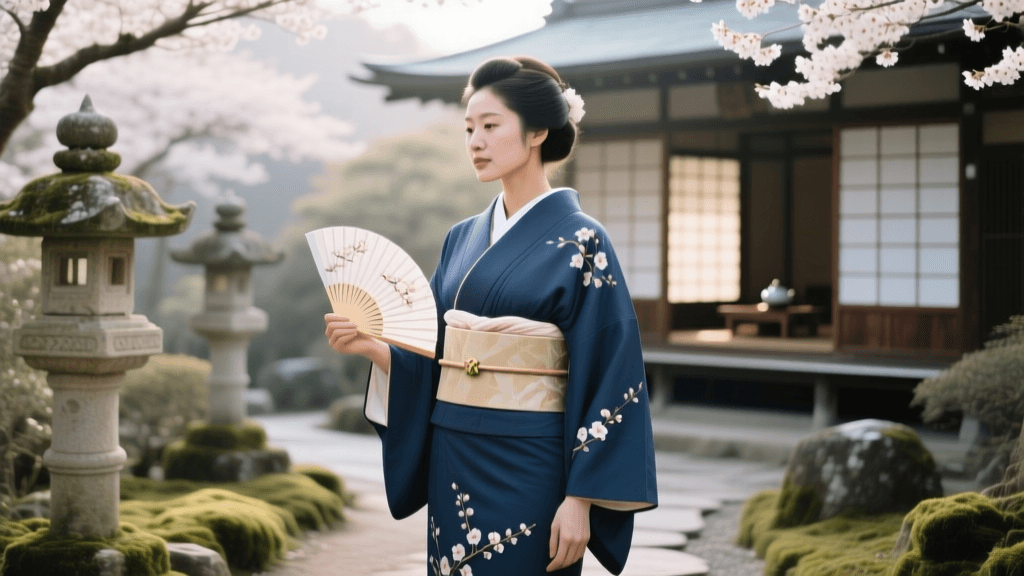
Introduction to Japanese Formal Wear and Etiquette
The kimono is far more than a beautiful garment; it is a complex visual language that communicates the wearer's age, marital status, social standing, and the specific nature of the event they are attending. In Japan, dressing appropriately is not merely a matter of personal style but a profound expression of respect for the host, the occasion, and the cultural heritage itself. According to the Encyclopedia Britannica, the evolution of the kimono from everyday wear to highly codified ceremonial dress reflects centuries of shifting social hierarchies and aesthetic philosophies.
For international visitors and cultural enthusiasts, navigating the strict dress codes of Japanese formal events can feel like walking through a minefield. However, by understanding the foundational principles of Japanese sartorial etiquette, you can confidently select the appropriate attire for the most significant of occasions. This guide focuses on two of the most highly regulated environments in Japanese society: traditional weddings and formal tea ceremonies.
The TPO Principle: Time, Place, Occasion
Before diving into specific garments, one must understand the TPO rule. Coined in Japan in the 1960s, TPO stands for Time, Place, and Occasion. While originally applied to Western clothing, it is the absolute governing law of kimono dressing. A garment that is perfectly appropriate for a festive summer matsuri (festival) would be a grave insult if worn to a solemn tea ceremony. Furthermore, the 'Time' aspect also dictates seasonal motifs, known as kisetsukan. Wearing a kimono adorned with autumn maple leaves in the middle of spring cherry blossom season is considered a major faux pas, as it shows a disconnect from the natural world, a core tenet of Japanese aesthetics.
Hierarchy of Formality: Decoding Kimono Types
To dress correctly, you must first understand the hierarchy of kimono formality. The formality is determined by the fabric type, the presence and number of family crests (kamon), and the complexity of the dyed or woven patterns. Below is a structured guide to the primary formal kimono types.
| Kimono Type | Formality Level | Key Features | Appropriate Occasions |
|---|---|---|---|
| Kurotomesode | First Formal (Married) | Black silk, patterns only below the hem, 5 crests. | Weddings (Mothers/Close Relatives) |
| Irotomesode | First Formal (Unmarried/Married) | Colored silk, patterns below hem, 3 or 5 crests. | Weddings (Close Relatives) |
| Furisode | First Formal (Unmarried) | Long swinging sleeves (100-114cm), vibrant all-over patterns. | Coming of Age Day, Weddings (Guests) |
| Homongi | Second Formal | Patterns flow across seams (eba-moyo), 1 or 3 crests. | Weddings (Guests), Formal Parties |
| Iromuji | Semi-Formal | Solid dyed color, subtle woven patterns, 1 crest. | Tea Ceremonies, Graduations |
| Edo Komon | Semi-Formal / Smart Casual | Tiny repeating micro-patterns, looks solid from afar. | Tea Ceremonies, Theater, Dining |
Wedding Guest Etiquette: What to Wear and What to Avoid
Japanese weddings are highly structured events where the visual harmony of the guests is carefully curated. The most critical rule for any wedding guest is to never upstage the bride. The bride will traditionally wear a shiromuku (pure white kimono) or an uchikake (heavily brocaded outer robe). Therefore, guests must absolutely avoid wearing pure white. Additionally, wearing pure black is generally frowned upon for guests, as it is associated with mourning, unless it is a kurotomesode worn by the mothers of the bride and groom.
Choosing the Right Wedding Guest Kimono
For unmarried female guests, the furisode is the gold standard. Its dramatic, floor-grazing sleeves signify youth and unmarried status, making it a celebratory and highly formal choice. For married female guests who are not immediate family, the homongi is the most appropriate choice. The homongi features elegant, continuous patterns that flow seamlessly across the seams of the garment, showcasing high-level artisan dyeing techniques.
Obi and Accessory Rules for Weddings
The obi (sash) worn to a wedding must be a fukuro obi, a formal, double-woven sash often featuring luxurious gold or silver threads. The knot tied at the back should be a taiko musubi (drum knot) or a futae-daiko (double drum knot) for married women, which conveys maturity and stability. Unmarried women wearing furisode will typically have their obi tied in elaborate, floral-inspired knots like the fukura-suzume. According to guidelines on Japanese formal etiquette highlighted by the Japan National Tourism Organization, maintaining a respectful and harmonious appearance is paramount at shrines and wedding venues, meaning overly flashy or revealing styling should be avoided.
Tea Ceremony Attire: The Art of Subtlety and Restraint
If weddings are about celebration and visual splendor, the traditional Japanese tea ceremony (chado or sado) is about introspection, harmony, and subtle beauty. The Encyclopedia Britannica notes that the tea ceremony is deeply rooted in Zen Buddhism, emphasizing the concepts of wabi (rustic simplicity) and sabi (quiet elegance). Your clothing must reflect these principles.
Appropriate Kimono for Tea
The ideal garments for a tea ceremony are the iromuji and the edo komon. An iromuji is a solid-colored kimono that avoids the distraction of loud patterns, allowing the focus to remain on the tea utensils, the scroll in the alcove, and the seasonal flowers. An edo komon features incredibly fine, microscopic patterns that appear as a solid color from a distance but reveal intricate geometric or nature-inspired designs upon close inspection. This duality perfectly captures the tea ceremony's appreciation for hidden depths and meticulous craftsmanship.
What to Avoid at the Tea House
Never wear a furisode or a heavily patterned homongi to a standard tea gathering. The long sleeves of a furisode are a practical hazard in the small, intimate space of a tea room, risking the knocking over of precious, irreplaceable antique tea bowls. Furthermore, avoid obi with heavy gold embroidery or loud, contrasting colors. The obi should be a subdued nagoya obi, tied in a simple, elegant taiko musubi.
Footwear and the Mandatory Tabi
One rule of the tea ceremony is entirely non-negotiable: you must wear pristine, white tabi (split-toe socks). Walking on the tatami mats of a tea room in bare feet or standard socks is considered deeply unhygienic and disrespectful. Your outdoor footwear should be a subdued zori (formal sandal) with a fabric or matte vinyl finish. Avoid patent leather or glittery materials, which clash with the rustic aesthetic of the tea garden and waiting arbor.
Essential Accessories: The Finishing Touches
Formal kimono dressing requires a precise assembly of undergarments and accessories that dictate the overall formality of the outfit.
- Han-eri (Collar): For both weddings and tea ceremonies, the visible collar of the under-kimono (nagajuban) must be pure white. Subtle, tone-on-tone embroidery is acceptable for semi-formal tea gatherings, but stark white is the safest and most formal choice.
- Obiage and Obijime: The obiage (silk scarf used to hide the obi pillow) and obijime (decorative cord tied over the obi) must coordinate with the kimono. For weddings, celebratory colors like gold, silver, and vibrant reds are used. For tea ceremonies, muted, seasonal pastel tones are preferred.
- Koshihimo: These are the hidden cotton or silk ties used to secure the kimono to the body. While not visible, using high-quality silk koshihimo ensures the garment stays perfectly in place without digging into the skin during long hours of sitting in the formal seiza (kneeling) position.
Financial Guide: Renting vs. Buying Formal Wear
Authentic formal kimono are significant financial investments. For those attending a single event, renting is the most practical and culturally accepted route, especially in hubs like Kyoto and Tokyo. Below is a comparison of the estimated costs associated with acquiring formal wear.
| Acquisition Method | Estimated Cost (JPY) | Pros | Cons |
|---|---|---|---|
| Full Rental Package (Homongi/Furisode) | ¥10,000 - ¥25,000 | Includes dressing service, obi, and accessories; no maintenance required. | Limited sizing for very tall or plus-size individuals; must adhere to strict return times. |
| Purchasing New (Department Store) | ¥300,000 - ¥1,000,000+ | Custom-tailored to exact measurements; premium silk and artisan dyeing. | Massive upfront cost; requires professional cleaning and specialized storage. |
| Purchasing Vintage/Recycled | ¥20,000 - ¥80,000 | Highly affordable; unique vintage patterns; sustainable. | May have hidden stains or fabric weakness; requires deep knowledge of sizing and formality. |
Conclusion
Mastering kimono etiquette for weddings and tea ceremonies is a rewarding journey into the heart of Japanese culture. By respecting the TPO principle, understanding the subtle differences between an irotomesode and an iromuji, and paying meticulous attention to accessories like the tabi and han-eri, you demonstrate a profound respect for your hosts and the centuries-old traditions they uphold. Whether you are celebrating a union at a Shinto shrine or finding tranquility in a moss-draped tea garden, dressing correctly ensures that you become a harmonious part of the beautiful, living tapestry of Japanese formal occasions.