Traditional Chinese Wedding Attire: Qun Kwa, Xiu He & Hanfu Guide
The Renaissance of Chinese Bridal Fashion
For decades, the Western white wedding gown dominated Chinese bridal fashion. However, a profound cultural renaissance has swept across Asia, bringing traditional Chinese ceremonial attire back to the forefront of wedding day wardrobes. Today's brides and grooms are increasingly embracing garments that honor their heritage, weaving centuries of symbolism, meticulous craftsmanship, and regional pride into their matrimonial celebrations. According to BBC Travel, the modern revival of traditional dress is not merely a fashion trend, but a deeply personal reconnection with ancestral roots and cultural identity.
Navigating the world of traditional Chinese wedding attire can be overwhelming. From the heavily embroidered Cantonese Qun Kwa to the romantic Xiu He Fu and the historically rigorous Ming Dynasty Hanfu, each garment serves a distinct purpose, carries unique symbolism, and requires specific fitting considerations. This comprehensive guide breaks down the essential styles, offering actionable advice on measurements, budgets, and timelines for the modern bride and groom.
Qun Kwa (裙褂): The Pinnacle of Cantonese Craftsmanship
The Qun Kwa (often spelled Kwa or Kua) is a two-piece ensemble consisting of a tailored jacket and a straight skirt. Originating from Guangdong and heavily favored in Cantonese weddings, the Qun Kwa is renowned for its dense, intricate embroidery. The primary motifs are the dragon and phoenix (Long Feng), symbolizing the balance of yin and yang, marital harmony, and imperial grace.
Understanding Embroidery Density (Gua Huang)
The value and formality of a Qun Kwa are dictated by the density of its gold and silver thread embroidery, which completely obscures the underlying red silk. The classifications include:
- Xiao Wu Fu (小五福): Approximately 30% to 50% embroidery coverage. A lighter, more affordable option.
- Zhong Wu Fu (中五福): 50% to 70% coverage. A popular middle-ground choice balancing cost and visual impact.
- Da Wu Fu (大五福): 70% to 90% coverage. Highly luxurious, featuring raised 3D embroidery techniques.
- Gua Huang (褂皇): 100% coverage. The pinnacle of Qun Kwa craftsmanship. The red silk base is entirely hidden by gold and silver thread, taking master artisans up to a year to complete by hand.
Actionable Advice: Budgeting and Timelines
If you desire a bespoke, hand-embroidered Qun Kwa, you must begin the process 9 to 12 months before the wedding. Bespoke pieces range from $3,000 to over $15,000 USD, depending on the density and whether real gold threads are used. For brides on a tighter budget or timeline, renting a high-quality Da Wu Fu or Gua Huang is standard practice, typically costing between $300 and $800 USD for a multi-day rental period.
Xiu He Fu (秀禾服): The Modern Romantic Standard
Unlike the Qun Kwa, which has centuries of regional history, the Xiu He Fu is a modern invention. It gained its name from the character 'Xiu He' in the 2001 television drama Orange Turned Red. Characterized by its loose-fitting A-line pleated skirt, wide sleeves, and relaxed jacket, the Xiu He Fu has become the ubiquitous standard for the traditional Chinese tea ceremony.
Silhouette and Embroidery Motifs
While the Qun Kwa is structured and regal, the Xiu He Fu is romantic and forgiving. The embroidery is typically done on red silk using colorful silk threads alongside gold. Common motifs include bats (symbolizing good fortune), peonies (wealth and honor), pomegranates (fertility), and lotus flowers (purity). As noted by the South China Morning Post, the Xiu He Fu's relaxed silhouette makes it highly accessible and comfortable for brides who need to move frequently during morning preparations and family greetings.
Actionable Advice: Sizing and Purchasing
Because of its loose fit, the Xiu He Fu is highly forgiving regarding weight fluctuations. You only need to ensure the shoulder seams align correctly and the skirt length grazes the top of your footwear. Off-the-rack and made-to-measure options are widely available, with prices ranging from $150 to $1,200 USD. Order made-to-measure pieces at least 3 to 4 months in advance to allow for shipping and minor alterations.
Hanfu (汉服): Reviving Ancient Han Ceremonies
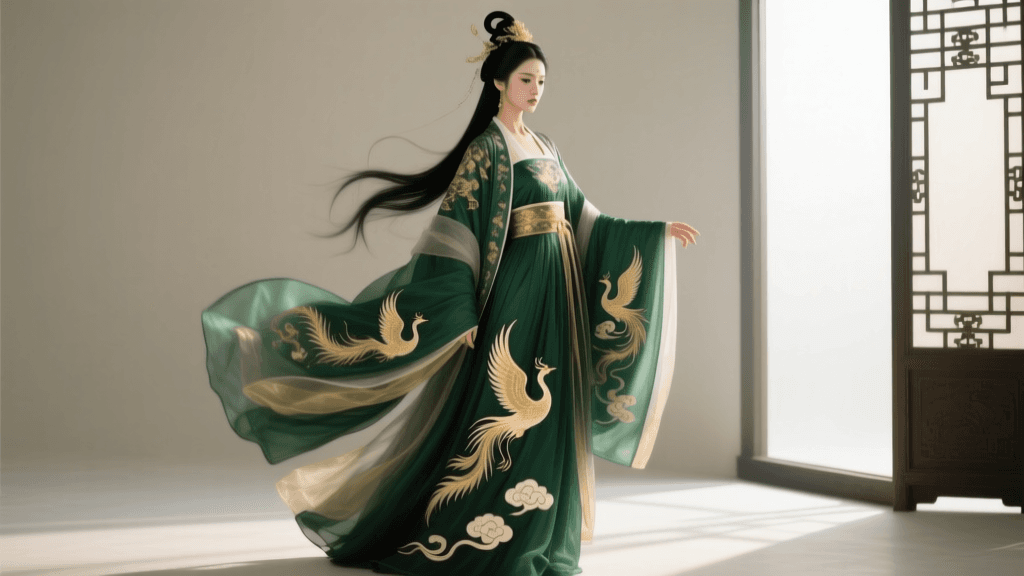
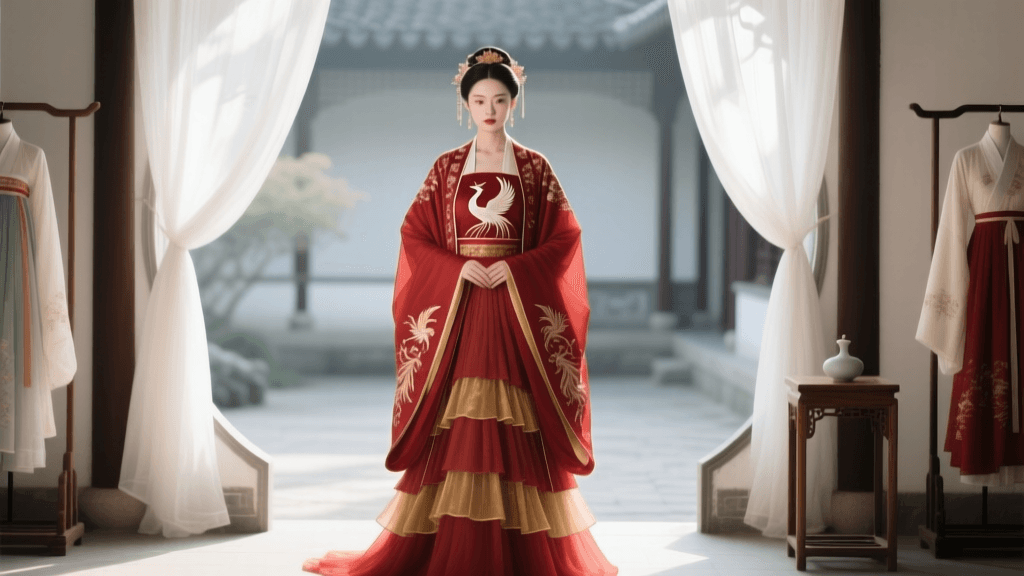
For couples of Han descent seeking deep historical authenticity, traditional Hanfu has become the ultimate ceremonial choice. The most popular style for weddings is the Ming Dynasty Aoqun (a lined jacket and pleated skirt) paired with the Fengguan Xiapei (Phoenix Crown and Cloud Scarf). This style reflects the elegance, modesty, and structural complexity of 14th-century Chinese nobility.
The Complexity of Layering
Hanfu is not a single dress but a system of layered garments. A bridal Hanfu ensemble may include an inner garment (Zhongyi), a lower skirt (Mamianqun or horse-face skirt), an outer jacket (Ao), and a decorative cloud collar (Yunjiang). The heavy, pleated Mamianqun skirt features parallel panels that swing beautifully with movement, while the stiff, high-collared jacket provides a regal posture.
Actionable Advice: Measurements and Fitting
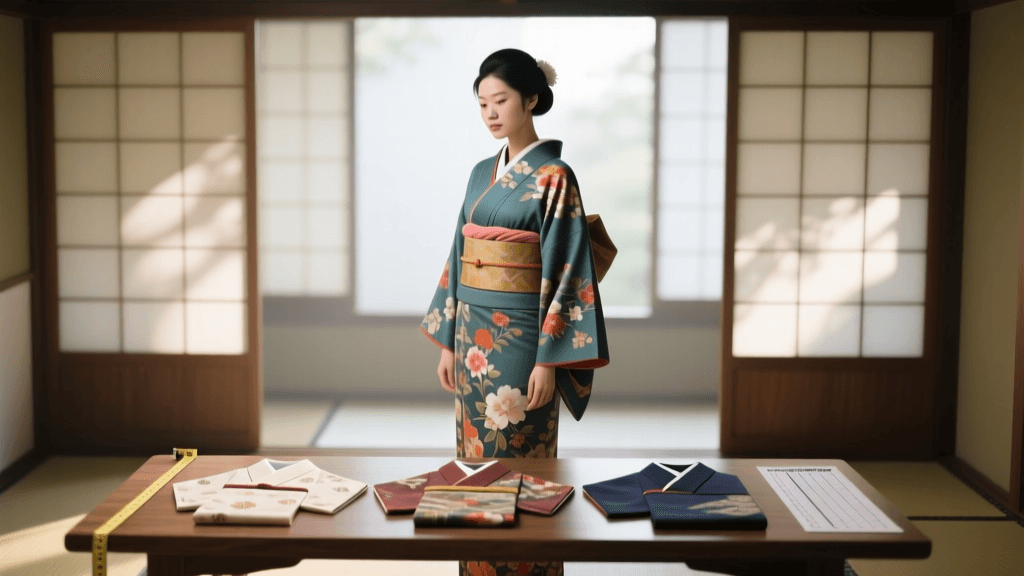
Fitting a Hanfu requires specialized measurements that differ vastly from Western tailoring. The most critical measurement is the Tongxiu (通袖), which is the full wingspan from wrist to wrist with arms outstretched. Ming Dynasty jackets traditionally feature sleeves that extend past the fingertips, requiring the bride to fold her hands gracefully to manage the fabric. Consult a specialized Hanfu tailor who understands historical proportions; standard Western seamstresses may incorrectly alter the sleeve lengths and cross-collar (Jiaoling) angles, ruining the historical silhouette.
Comparison Chart: Choosing Your Ceremonial Dress
| Feature | Qun Kwa (裙褂) | Xiu He Fu (秀禾服) | Ming Hanfu (明制汉服) |
|---|---|---|---|
| Origin | Canton / Guangdong region | Modern (2000s TV drama influence) | Ming Dynasty (1368–1644) |
| Silhouette | Structured, straight skirt, fitted jacket | Relaxed, A-line pleated skirt, wide sleeves | Layered, horse-face skirt, high collar |
| Primary Motifs | Dragon and Phoenix (gold/silver thread) | Bats, peonies, lotus (colorful silk thread) | Clouds, cranes, floral brocades |
| Cost (Buy) | $3,000 - $15,000+ USD | $150 - $1,200 USD | $400 - $2,500 USD |
| Best Used For | Formal Tea Ceremony, Banquet Entrance | Morning preparations, casual Tea Ceremony | Main Ceremony, Historical Photography |
Practical Guide: Timelines, Measurements, and Accessories
Executing a traditional Chinese wedding requires meticulous planning. As documented by cultural experts at China Highlights, the tea ceremony is the emotional core of the Chinese wedding day, and your attire must facilitate the physical act of kneeling and serving tea to elders.
Essential Measurement Checklist
- Bust, Waist, and Hips: Crucial for the structured Qun Kwa and the waistband of the Hanfu Mamianqun.
- Shoulder Width: Ensures the jacket sits properly without restricting arm movement during the tea pouring.
- Hollow to Hem: Measure while wearing your intended wedding shoes. Traditional skirts should hover exactly 1 inch above the floor to prevent tripping when kneeling.
- Neck Circumference: Vital for Ming Hanfu, which features stiff, stand-up collars that can chafe if tailored too tightly.
Footwear and Accessories
Never wear Western heels with traditional attire. Invest in traditional embroidered cloth shoes (Xiu Hua Xie) with a low, flat heel or a slight wedge. For accessories, brides should source a pair of authentic jade or gold bangles, which are traditionally gifted by the groom's mother during the tea ceremony. Hair should be styled in a traditional updo, secured with gold hairpins (Buyao) featuring dangling pearls or jadeite, avoiding Western crystal tiaras which clash with the silk textiles.
Structuring Your Wedding Day Wardrobe
Most modern Chinese brides opt for a multi-look wardrobe to honor different phases of the wedding day:
- Morning Greeting & Games (7:00 AM - 10:00 AM): Wear the Xiu He Fu. Its comfortable, relaxed fit is perfect for sitting on the bed during the groom's door games and moving around the house.
- The Tea Ceremony (11:00 AM - 1:00 PM): Change into the Qun Kwa. The structured, heavy embroidery commands respect and photographs beautifully as you kneel to serve tea to parents and grandparents.
- The Banquet Entrance (6:00 PM): Transition into a Western white wedding gown or a modern red evening Qipao for the grand entrance and stage toasts.
- Banquet Send-Off (9:00 PM): Change into a simpler, knee-length Qipao or a comfortable modern Cheongsam to greet guests at the door as they depart.
Conclusion
Choosing traditional Chinese wedding attire is an investment in cultural legacy. Whether you select the unparalleled luxury of a Cantonese Gua Huang, the romantic ease of a Xiu He Fu, or the historical majesty of Ming Dynasty Hanfu, the key to success lies in early planning, precise measurements, and an understanding of the garments' ceremonial purposes. By honoring these ancient textile traditions, modern couples weave their personal love stories into the enduring fabric of Asian heritage.