Celebrity Kimono Trends: How To Style Influencer Looks
The Renaissance of the Kimono in Global Pop Culture
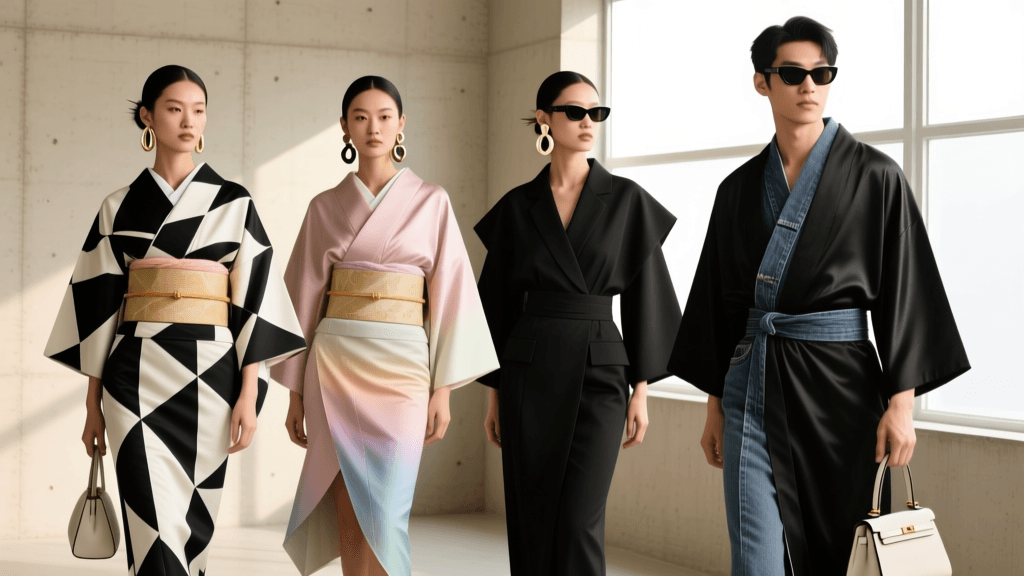
The kimono has transcended its traditional boundaries, evolving from a strictly ceremonial Japanese garment into a highly coveted staple in global high fashion and streetwear. Driven by A-list celebrities, avant-garde stylists, and TikTok fashion influencers, the kimono is experiencing a massive renaissance. This modern revival does not strip the garment of its heritage; rather, it highlights its historical fluidity. As noted by the Victoria and Albert Museum's Kimono: Kyoto to Catwalk exhibition, the kimono has always been an export of style, influencing European fashion as far back as the 17th century and continuing to shape modern silhouettes today.
For fashion enthusiasts and traditional garment collectors, replicating these influencer-approved looks requires an understanding of vintage textiles, proper measurements, and cultural respect. This comprehensive guide breaks down the top celebrity kimono trends, providing actionable advice on sizing, sourcing, and styling these iconic pieces for the modern wardrobe.
Decoding Celebrity and Influencer Kimono Trends
1. The Streetwear Haori Revival
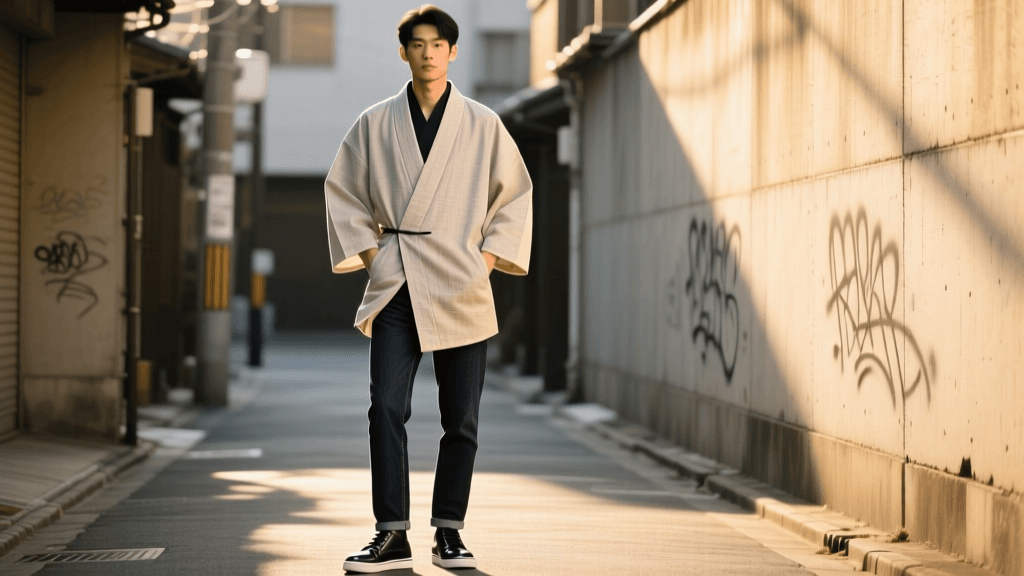
Perhaps the most accessible and widely adopted trend among influencers is the streetwear haori. Celebrities like A$AP Rocky, Kendall Jenner, and Frank Ocean have frequently been photographed wearing vintage silk haori jackets over oversized graphic tees, baggy denim, and chunky sneakers. The haori is a traditional kimono jacket that falls to the mid-thigh and is worn open, making it the perfect transitional layering piece.
Actionable Styling Advice: To achieve this look, seek out a vintage men’s or women’s silk haori featuring subtle woven patterns (rinzu) or bold hand-painted motifs. Pair it with monochrome streetwear to let the textile art stand out. Because the haori is worn open, you do not need to worry about complex obi tying or traditional undergarments. Simply drape it over a high-quality heavyweight cotton t-shirt and wide-leg trousers.
2. The Avant-Garde Obi Corset and Belt
High-fashion editorial stylists, including Zendaya’s longtime collaborator Law Roach, have utilized the vintage obi (kimono sash) as a statement waist-cincher. Instead of tying the obi in a traditional back knot, influencers are wrapping heavily brocaded maru obi or fukuro obi over Western slip dresses, oversized blazers, and tailored trench coats to create an avant-garde, corset-like silhouette.
Actionable Styling Advice: Look for a vintage fukuro obi (approx. 30cm wide and 420cm long). These feature intricate gold and silver metallic threads that catch the light beautifully on the red carpet or at evening events. Use a hidden elastic belt underneath the obi to secure it tightly to your waist without damaging the fragile vintage silk, then tie a simple, structured bow at the back or let the ends trail dramatically.
3. Gender-Fluid Kimono Duster Coats
Icons like Harry Styles and Billy Porter have embraced the full-length kimono as a gender-fluid duster coat. By treating the kimono as an open wrap coat, they highlight the garment's T-shaped silhouette, which drapes elegantly over any body type. This trend leans heavily into sustainable fashion, as it repurposes vintage wool and unlined silk (hitoe) kimonos that might otherwise sit in storage.
Actionable Styling Advice: For autumn and winter, search for vintage wool kimonos or heavy silk tsumugi. Wear the kimono open over a turtleneck and tailored trousers. Secure it loosely at the waist with a modern leather belt or a simple braided silk cord (obijime) to give it a structured, contemporary wrap-coat feel.
Influencer Look Breakdown: Data & Cost Comparison
Understanding the investment required for these looks is crucial for building a curated traditional garment collection. Below is a breakdown of the core trends, their celebrity muses, and the practical details for sourcing.
| Trend | Core Garment | Celebrity Muse | Avg. Vintage Cost (USD) | Styling Time |
|---|---|---|---|---|
| Streetwear Layering | Silk Haori Jacket | A$AP Rocky, Kendall Jenner | $45 - $120 | 2 Minutes |
| Avant-Garde Waist | Vintage Fukuro Obi | Rihanna, Zendaya | $80 - $250 | 10 Minutes |
| Winter Duster Coat | Wool or Hitoe Kimono | Harry Styles, Billy Porter | $60 - $180 | 5 Minutes |
Actionable Sizing and Measurement Guide
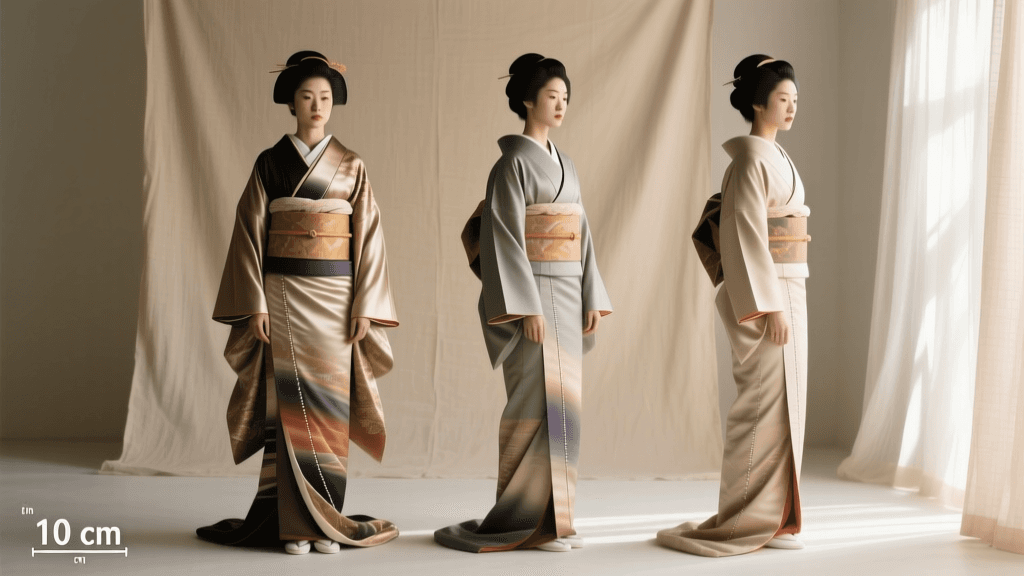
Unlike Western clothing, kimonos are not sized by standard S/M/L metrics. They are measured by specific dimensions, primarily the Yuki and Mitake. Influencers often achieve a relaxed, oversized drape by intentionally selecting garments with specific measurements.
- Yuki (Sleeve Length): Measured from the center back of the neck, across the shoulder, and down to the wrist. For a modern, oversized influencer drape, look for a Yuki measurement of at least 68cm to 72cm (approx. 26.5 to 28.5 inches). This ensures the sleeves drop past the wrists, creating that effortless, slouchy aesthetic.
- Mitake (Total Length): Measured from the center back of the neck down to the hem. For a floor-sweeping duster coat look, you will need a Mitake of 120cm to 130cm (approx. 47 to 51 inches), depending on your height. If the kimono is too short, it will look like a boxy jacket rather than a flowing coat.
- Sode (Sleeve Depth): The vertical drop of the sleeve. A deeper sleeve (approx. 45cm+) creates the dramatic, wing-like effect seen in high-fashion editorial shoots.
Where to Source Authentic and Trend-Forward Pieces
To replicate these celebrity looks, avoid cheap, mass-produced costume replicas. Authentic vintage silk offers a weight, drape, and artistic value that modern synthetic fabrics cannot match. Vogue's global fashion coverage frequently highlights the importance of sourcing authentic vintage textiles to support sustainable fashion cycles.
- Ichiroya & Yamatoku: These are highly reputable online vendors based in Japan that ship globally. They curate vintage kimonos and haori, providing exact measurements and condition reports. Expect to pay $60–$150 for high-quality silk pieces.
- Etsy & eBay: Search using specific Japanese terms (e.g., 'vintage silk haori,' 'mofuku kimono,' 'antique maru obi'). Always verify the seller's location; shipping directly from Japan often yields better prices and authenticity.
- Kyoto Flea Markets: If you are traveling, the Toji Temple flea market in Kyoto (held on the 21st of each month) is a goldmine for influencers and stylists sourcing pieces for under $30.
Navigating Cultural Appreciation in Fashion
As the kimono becomes a global fashion statement, the line between appreciation and appropriation must be navigated with care. Japanese culture is generally highly welcoming of foreigners wearing the kimono, provided it is done with respect and an understanding of its foundational rules.
'The kimono is not a static relic of the past, but a dynamic garment that has continuously absorbed and reflected global influences while maintaining its core cultural significance.' — The Japan Times, reflecting on the global impact of Japanese textiles.
The Golden Rule: Left Over Right. When wrapping a kimono or haori, the left side of the garment must always cross over the right side. Wrapping it right-over-left (erimae) is strictly reserved for dressing the deceased for burial. Getting this wrong is considered a severe cultural faux pas. Always double-check your mirror reflection before stepping out.
Furthermore, avoid mixing the kimono with costume-like accessories or stereotypical props. Treat the garment with the same sartorial respect you would afford a vintage Chanel tweed jacket or a bespoke Burberry trench coat. By focusing on the textile artistry, the sustainable nature of vintage fashion, and the elegant silhouette, you honor the rich heritage of the kimono while participating in its exciting, modern evolution.