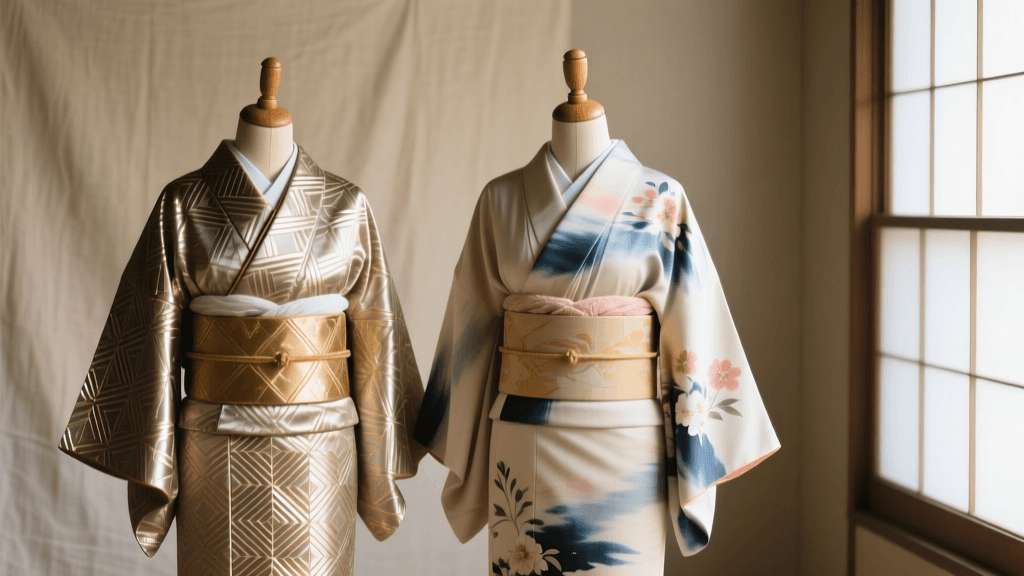
Haori Streetwear: Styling Traditional Japanese Jackets
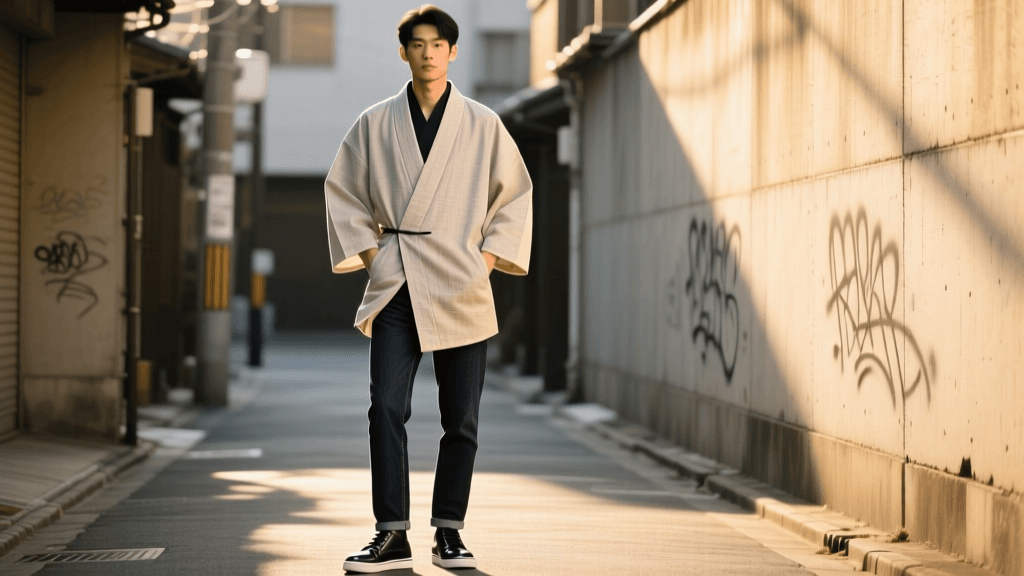
The intersection of traditional Japanese garments and contemporary global streetwear has birthed some of the most compelling fashion movements of the 21st century. At the forefront of this sartorial revolution is the haori, a traditional Japanese hip- or thigh-length jacket worn over a kimono. Once reserved for samurai armor padding and later adopted by the merchant classes of the Edo period, the haori has transcended its historical boundaries to become a staple in modern streetwear, techwear, and avant-garde fashion. According to the Metropolitan Museum of Art's Heilbrunn Timeline of Art History, the evolution of Japanese outerwear reflects a deep cultural shift from rigid class-based dress codes to expressive, individualistic art forms. Today, streetwear enthusiasts from Harajuku to Brooklyn are leveraging the haori's dramatic silhouette to create striking, layered outfits that honor heritage while pushing modern boundaries.
The Evolution of the Haori: From Battlefield to Boulevard
Originally, the haori's predecessor, the jinbaori, was worn by samurai over their armor to protect against the elements and display clan crests (mon). During the Edo period (1603–1867), as Japan experienced prolonged peace, the haori transitioned into civilian life. Wealthy merchants, restricted by sumptuary laws that forbade overt displays of wealth on outer garments, began lining their haori with extravagantly dyed and woven silks, hiding their luxury on the inside. This concept of iki (subdued, understated elegance) remains a core philosophy in modern Japanese streetwear, where high-quality fabrics and intricate details are often appreciated up close rather than shouted from afar.
In contemporary fashion, the haori's open-front design, wide sleeves, and boxy drape make it an ideal layering piece. Designers like Yohji Yamamoto and brands like Kapital and Visvim have long drawn inspiration from traditional Japanese outerwear, cementing the haori's place in the global streetwear lexicon.
Decoding Haori Measurements for Streetwear
Unlike Western jackets, the haori is not tailored to the shoulders or chest. It is designed to drape loosely, making it inherently forgiving and perfect for the oversized silhouettes favored in modern streetwear. However, understanding traditional measurements is crucial for achieving the right urban aesthetic. When sourcing vintage or artisan haori, look for these specific dimensions:
- Yuki (Sleeve Length): Measured from the center back of the neck to the wrist. For a modern streetwear fit that pools slightly at the wrists (a popular avant-garde styling trick), look for a yuki of 80cm to 88cm (31.5 to 34.5 inches).
- Take (Back Length): Measured from the base of the collar down the center back. A standard haori falls at the hip. For streetwear, a longer drape is often preferred; aim for a take of 90cm to 105cm (35 to 41 inches) to layer over longline t-shirts or hoodies.
- Katahaba (Shoulder Width): Measured straight across the back from shoulder seam to shoulder seam. Because the haori lacks a structured shoulder, a width of 60cm to 70cm (23.5 to 27.5 inches) provides the dropped-shoulder effect essential to modern streetwear.
Comparative Guide: Japanese and Regional Outerwear
While the haori is the most recognized Japanese jacket, exploring regional and ethnic minority outerwear can add unique, rare elements to a streetwear rotation. The following table compares the haori with other traditional Asian jackets relevant to modern styling.
| Garment | Origin / Culture | Silhouette & Features | Streetwear Application |
|---|---|---|---|
| Haori | Mainland Japan | Open front, wide sleeves, hip/thigh length, secured with a braided cord (haori himo). | Layering over hoodies, techwear cargos, or wide-leg denim. Excellent for drape. |
| Noragi | Rural Japan (Farmers) | Wrap-front, cotton or hemp, shorter sleeves, often heavily patched (boro/sashiko). | Heritage workwear, Americana fusion, rugged denim outfits. Highly textured. |
| Dujin | Ryukyu (Okinawa) | Cross-collar wrap jacket, lightweight cotton or bashofu (banana fiber), vibrant dyeing. | Summer streetwear, resort wear, lightweight layering over linen trousers. |
| Attus | Ainu (Hokkaido) | Woven from elm tree bark fibers, highly textured, durable, decorated with appliqué. | Avant-garde, high-fashion textural contrast, winter layering over heavy knits. |
Fabric Choices for Urban Environments
The material of your haori dictates its seasonality and styling potential. The Victoria and Albert Museum's extensive archives on Japanese dress highlight the incredible diversity of textile craftsmanship in Japan, which translates directly to modern wardrobe building.
Silk (Meisen and Rinzu)
Vintage silk haori, particularly those made from Meisen (a solution-dyed silk popular in the 1920s and 30s featuring bold, graphic patterns), are highly sought after. Meisen patterns often resemble modern geometric or abstract art, making them perfect statement pieces for minimalist streetwear outfits. Silk requires careful maintenance but offers an unparalleled luxurious drape.
Cotton and Indigo
For a rugged, workwear-inspired look, cotton haori or noragi dyed with natural indigo are ideal. The fading process of natural indigo creates a living garment that evolves with the wearer, aligning perfectly with the streetwear ethos of personalized, worn-in aesthetics.
Modern Synthetics and Tech-Fabrics
Contemporary Japanese brands are reimagining the haori using Gore-Tex, ripstop nylon, and polyester blends. These techwear haori offer water resistance and durability, bridging the gap between ancient silhouettes and futuristic urban survival gear.
The Streetwear Styling Playbook
Integrating a haori into a modern wardrobe requires balancing proportions. Because the haori is voluminous on top, the rest of the outfit must be carefully calibrated. Here are three actionable styling formulas:
1. The Techwear Samurai
Pair a black, water-resistant nylon haori with tapered techwear cargo pants (such as those from Acronym or Nike ACG). Footwear should be chunky and aggressive—think Salomon XT-6 or Balenciaga Track sneakers. Use the haori's open front to reveal a tactical chest rig or a high-neck base layer.
2. The Harajuku Vintage Mix
Take a brightly patterned vintage silk Meisen haori and layer it over a heavyweight, plain white boxy t-shirt (like Uniqlo U). Pair with wide-leg, light-wash denim that pools over classic skate shoes or Dr. Martens. The contrast between the delicate vintage silk and the heavy, casual denim creates a striking visual tension.
3. High-Fashion Minimalist
Opt for a monochromatic, unlined linen or wool-blend haori in charcoal or navy. Wear it over a matching relaxed-fit trouser and a simple mock-neck sweater. Finish with sleek leather boots like Rick Owens or Guidi. This look leans into the avant-garde, utilizing the haori's architectural drape to create a flowing, unified silhouette.
Sourcing, Costs, and Timing
Acquiring an authentic haori is easier and more affordable than one might expect, provided you know where and when to look.
- Vintage Markets in Tokyo: Neighborhoods like Koenji and Shimokitazawa are treasure troves for vintage haori. Prices for good condition vintage silk haori typically range from 3,000 to 10,000 JPY ($20 to $65 USD).
- Timing Your Purchase: The best time to buy vintage garments in Japan is mid-January, during the post-New Year clearance sales (fukubukuro season), and during the Obon festival in August, when many estates are cleared and second-hand shops are flooded with new inventory.
- Modern Artisan Brands: If you prefer new, streetwear-focused interpretations, brands like Kapital, Visvim, and Noragi offer modern haori-inspired jackets. Expect to pay a premium for this craftsmanship, with prices ranging from $400 to over $1,200 USD.
- Online Sourcing: Platforms like Etsy and specialized Japanese proxy services (like Buyee) allow global buyers to access Japanese auction sites. Always ask for the take and yuki measurements before bidding.
Care and Maintenance
Streetwear is meant to be worn, but traditional garments require specific care to survive urban environments. The philosophy of wabi-sabi—finding beauty in imperfection and aging—applies heavily to how streetwear enthusiasts treat their vintage pieces.
'A vintage haori should not be babied to the point of sterility. The slight fading, the softening of the silk, and the minor fraying at the cuffs are testaments to its journey. It is a living archive.'
For silk haori, avoid machine washing. Spot clean with a damp cloth and use a specialized silk wash like Eucalan for rare, necessary hand-washes. Always air dry away from direct sunlight to prevent the dyes from shifting. For cotton and synthetic haori, a gentle machine cycle in a mesh laundry bag is sufficient. Store your haori on wide, padded hangers to maintain the shoulder structure, or fold them using the traditional tatami folding method to prevent permanent creases along the silk grain.
Conclusion
The haori is far more than a historical artifact; it is a dynamic, versatile garment that continues to influence global fashion. By understanding its measurements, respecting its textile heritage, and applying modern streetwear styling principles, you can seamlessly integrate this piece of Asian tradition into your contemporary wardrobe. Whether you are navigating the neon-lit streets of Shibuya or the concrete avenues of New York, the haori offers a masterclass in the art of the drape, proving that true style is timeless. For further exploration into the historical context of these garments, the Asian Art Museum's exhibitions on Japanese dress provide invaluable insights into the craftsmanship that makes these pieces so enduring.