Yukata and Jinbei: Guide to Casual Japanese Summer Garments
The Renaissance of Casual Japanese Traditional Wear
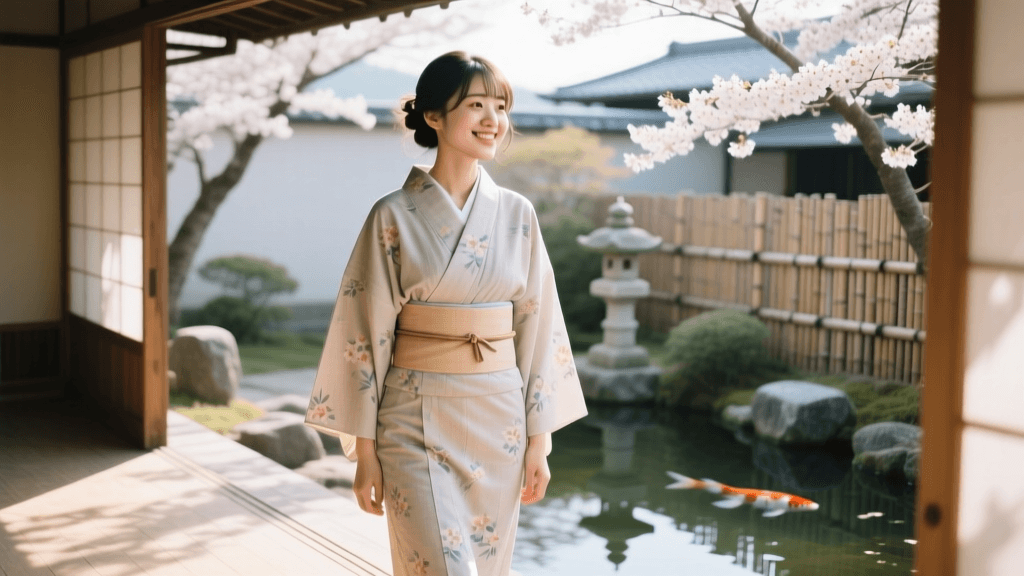
When most people think of traditional Japanese clothing, the image that immediately comes to mind is the formal, multi-layered kimono. However, the true heartbeat of Japanese textile culture in the modern era lies in its everyday and casual garments. As the humid summer months approach, the streets of Tokyo, Kyoto, and Osaka transform into vibrant runways of breathable, lightweight traditional wear. The Japan Guide notes that while formal kimono are reserved for weddings and tea ceremonies, casual summer garments like the yukata and jinbei are experiencing a massive resurgence among youth, tourists, and locals alike. This guide will explore the practicalities, styling, and purchasing nuances of Japan's most beloved casual summer wear.
Understanding the Yukata: The Iconic Summer Robe
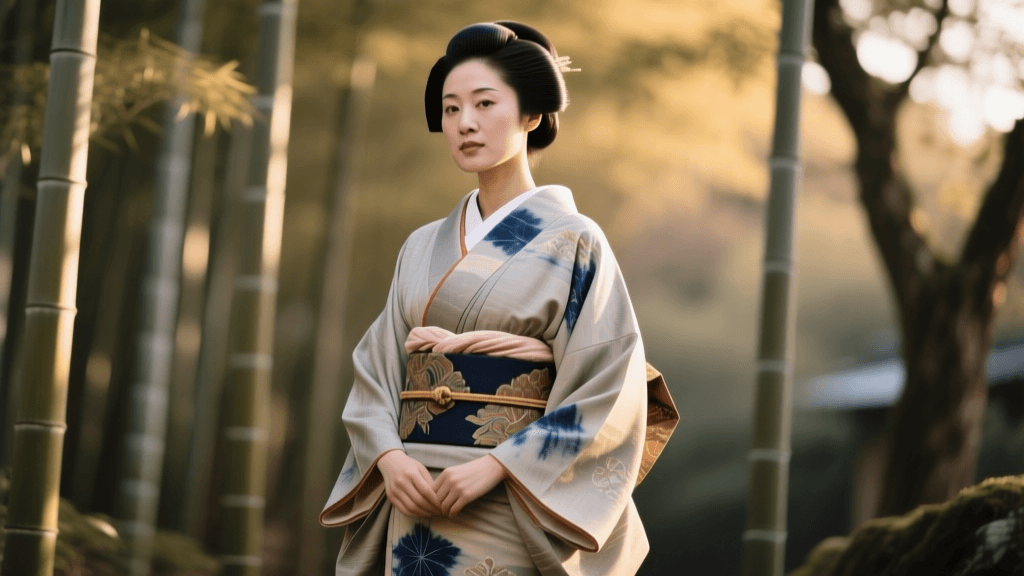
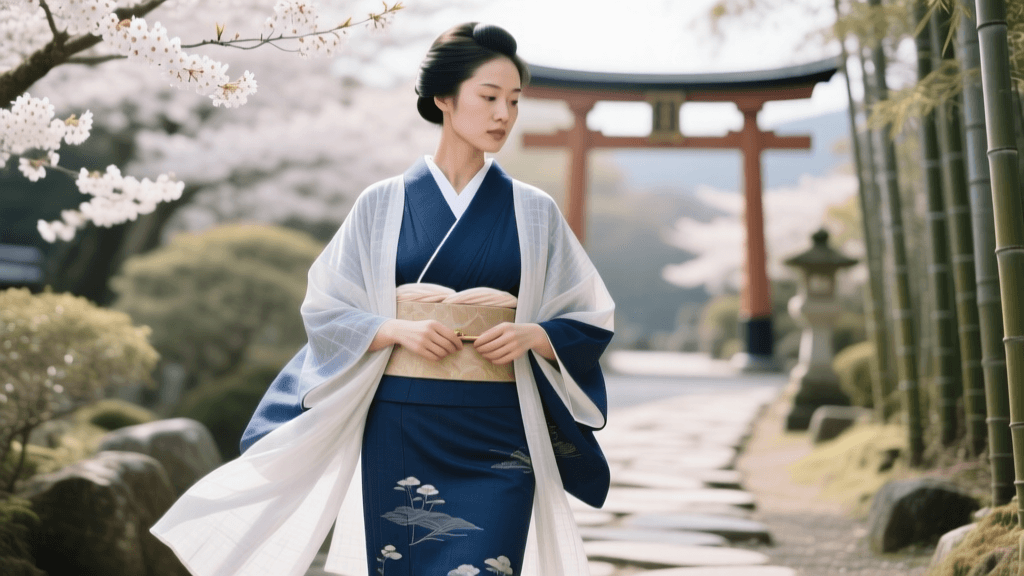
The yukata is a single-piece, T-shaped robe that wraps around the body and is secured with a sash known as an obi. Originally developed during the Heian period (794-1185) as a bathrobe for the aristocracy, the yukata evolved during the Edo period (1603-1867) into the everyday loungewear and festival attire of the common people. Unlike formal silk kimono, the yukata is worn directly against the skin or over a simple cotton undergarment called a juban.
Fabrics and Weaves
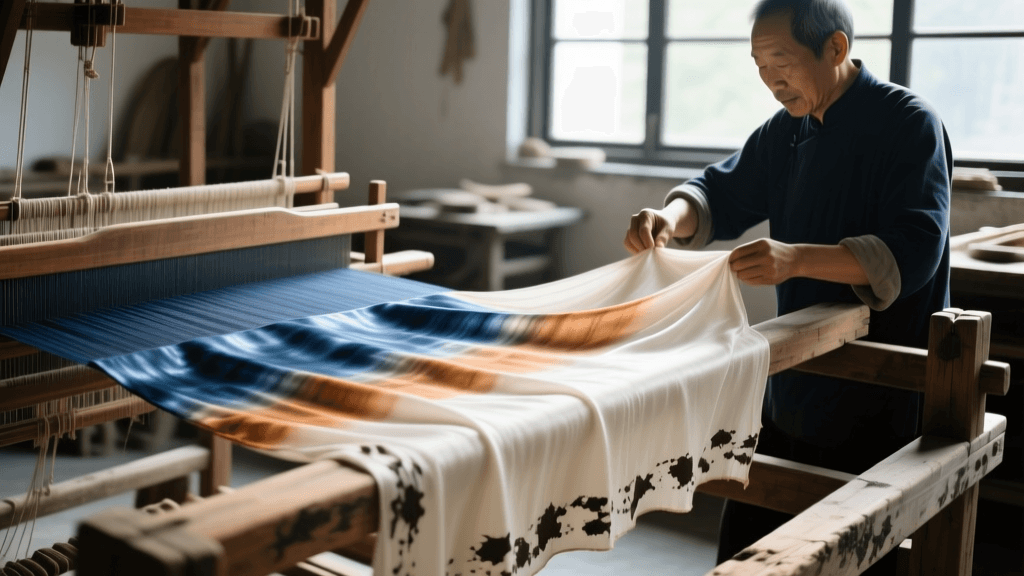
Traditional yukata are crafted from lightweight cotton. The most prized cotton is Aizu momen from Fukushima or Bingo kasuri from Hiroshima, which feature intricate, hand-tied indigo-dyed patterns. For high-end summer wear, artisans use ro or sha gauze weaves, which create tiny, breathable holes in the fabric to allow maximum airflow. Modern, budget-friendly yukata often utilize polyester blends, which are highly resistant to wrinkling and incredibly easy to wash, making them perfect for beginners.
When and Where to Wear a Yukata
The yukata is the undisputed uniform of Japanese summer festivals (matsuri) and fireworks displays (hanabi taikai). It is appropriate for casual evening strolls, visiting hot spring resorts (onsen), and attending casual outdoor dining events. However, it is generally considered too casual for formal shrine visits, weddings, or high-end dining unless explicitly specified by the host.
Jinbei: The Ultimate Loungewear and Festival Staple
While the yukata is a full-body robe, the jinbei is a two-piece garment consisting of a short-sleeved, wrap-style top and a pair of matching shorts. Originally designed as indoor loungewear for men during the Edo period, the jinbei has transcended gender and age boundaries to become a universal summer staple. According to the extensive textile archives at the Victoria and Albert Museum, the evolution of Japanese workwear and loungewear heavily influenced modern casual silhouettes, with the jinbei serving as a prime example of functional, climate-adaptive design.
Structure and Modern Appeal
The jinbei top wraps left over right (always left over right in Japanese clothing; right over left is strictly reserved for dressing the deceased). The sleeves and the sides of the top feature open slits tied with simple string laces. These slits are not merely decorative; they act as ventilation shafts, allowing hot air to escape from the body. Modern jinbei are crafted from shijira (a textured cotton crepe) or soft linen blends, and they are widely available in both traditional indigo patterns and contemporary, pop-culture-inspired prints.
Yukata vs. Jinbei: A Comparative Guide
Choosing between a yukata and a jinbei depends on your planned activities, budget, and comfort level with traditional dressing. Below is a structured comparison to help you decide.
| Feature | Yukata | Jinbei |
|---|---|---|
| Silhouette | One-piece wrap robe | Two-piece top and shorts |
| Primary Fabric | Cotton, Linen, Polyester | Cotton Crepe (Shijira), Linen |
| Average Cost (JPY) | 3,000 - 15,000 JPY | 2,000 - 8,000 JPY |
| Occasion | Festivals, Fireworks, Onsen towns | Loungewear, Local neighborhood festivals, Beachwear |
| Ease of Dressing | Moderate (requires obi tying) | Very Easy (string ties only) |
| Footwear Pairing | Geta or Zori sandals | Geta, Zori, or barefoot indoors |
Practical Buying Guide: Sizing, Costs, and Timing
Purchasing traditional Japanese garments requires an understanding of unique sizing metrics. Unlike Western clothing, which is sized by chest or waist measurements, kimono and yukata are sized primarily by height and the yuki (arm span).
Essential Measurements for the Perfect Fit
- Height (Shincho): The standard length of a yukata is designed to wrap around the body and fold at the waist (the ohashori fold). A standard women's yukata fits heights between 155cm and 165cm (approx. 5'1" to 5'5").
- Yuki Length: This is measured from the center of the back of the neck, over the shoulder, and down to the wrist bone. For most women, a standard yuki is 64cm to 68cm. For men, it ranges from 70cm to 76cm. If the yuki is too short, the garment will look ill-fitted; if too long, it will impede hand movement.
- Hip Circumference: Crucial for ensuring the front panels overlap sufficiently. You need at least 20cm of extra fabric beyond your actual hip measurement to ensure the yukata does not pop open when walking.
Cost Breakdown and Buying Timing
Timing is everything when buying summer garments in Japan. Department stores and specialty boutiques begin stocking yukata and jinbei in early May. By late June, the selection is vast, and you can find everything from entry-level polyester sets to artisan-dyed cotton. By August, stores begin discounting summer inventory to make way for autumn fashion.
For a complete, ready-to-wear yukata set (which includes the robe, a pre-tied obi, an obi belt plate, and a pair of geta sandals), expect to pay between 5,000 and 10,000 JPY ($35 - $70 USD) at retail chains like Ion or Uniqlo. High-end, hand-dyed artisan yukata from specialty shops in Kyoto can easily exceed 30,000 JPY ($200+ USD).
Accessorizing Your Casual Summer Wardrobe
A yukata or jinbei is never truly complete without the proper accessories. These items are not just aesthetic; they serve practical purposes in the sweltering Japanese summer.
Footwear: Geta and Setta
The traditional footwear for a yukata is the geta, a wooden sandal with elevated teeth. For casual summer wear, look for geta made from kiri (paulownia wood), which is incredibly lightweight and naturally resistant to moisture. The straps (hanao) should be made of soft cotton or velvet to prevent blisters during long festival walks. For jinbei, a flatter, woven sandal called setta offers a more grounded, masculine, and highly comfortable alternative.
Bags: Kinchaku and Kago
Large handbags ruin the silhouette of traditional wear. Instead, opt for a kinchaku (a small, drawstring fabric pouch) or a kago (a woven bamboo or rattan basket). A standard festival kinchaku measures roughly 20cm by 15cm—just large enough to hold a smartphone, a compact mirror, lip balm, and a few coins for street food.
Cooling Tools: Uchiwa and Sensu
To combat the heat, carry an uchiwa (a rigid, flat paper fan) or a sensu (a folding fan). The uchiwa is often tucked into the back of the obi, serving as both a cooling tool and a striking visual accent that mimics the wings of a butterfly.
Care, Maintenance, and Storage
One of the greatest advantages of casual summer wear over formal silk kimono is the ease of maintenance. However, proper care is required to maintain the fabric's integrity and the vibrancy of the dyes.
Washing Instructions
Most modern cotton and polyester yukata can be machine washed, but you must take precautions. Always fold the garment carefully along its seam lines, place it inside a fine mesh laundry net, and wash it on a delicate cycle with cold water and a neutral detergent. Never use bleach or optical brighteners, as these will strip the indigo and vibrant summer dyes. Always hang the garment to dry in the shade; direct sunlight will cause rapid fading and weaken the cotton fibers.
Off-Season Storage
When the summer season ends in late September, it is time to store your garments. Never store cotton or linen in plastic bags, as this traps moisture and invites mold—a common issue in humid climates. Instead, wrap your folded yukata and jinbei in tatoushi (traditional Japanese garment paper) or clean, breathable cotton sheets. Store them in a cool, dark drawer with a natural desiccant like cedar blocks to ward off insects and absorb excess moisture.
Conclusion
The yukata and jinbei represent the perfect intersection of historical tradition and modern practicality. They prove that traditional Japanese clothing is not merely a relic of the past to be kept behind glass in museums like those documented by the Metropolitan Museum of Art, but a living, breathing part of everyday life. By understanding the proper sizing, investing in the right accessories, and caring for your garments correctly, you can fully embrace the elegance and comfort of casual Japanese summer wear, whether you are attending a vibrant matsuri in Tokyo or simply enjoying a quiet evening breeze on your own balcony.