The Ultimate Guide to Jade Hair Accessories and Hanfu Ensembles
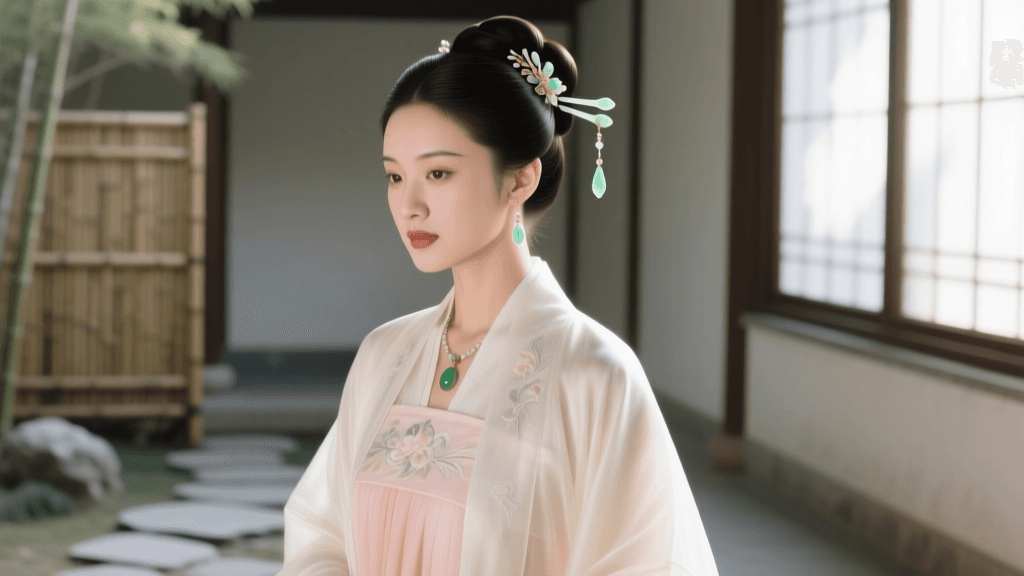
The Elegance of Jade in Traditional Chinese Styling
The modern Hanfu revival has brought traditional Chinese clothing back into the global spotlight, transforming historical garments into a vibrant, living fashion movement. However, a true Hanfu ensemble is never complete without its crowning glory: the hair accessories. Among the myriad materials used in traditional Chinese hair ornaments—ranging from gold and silver to enamel and pearls—jade holds an unparalleled position of prestige. Jade is not merely a decorative stone in Chinese culture; it is a profound symbol of moral integrity, purity, and nobility. When styling a complete Hanfu outfit, understanding how to select, match, and wear jade hair accessories is essential for achieving an authentic and harmonious aesthetic.
The Anatomy of a Complete Hanfu Ensemble
Before adorning the hair, one must understand the canvas. A complete Hanfu ensemble is a layered system that relies on balance, proportion, and historical accuracy. Unlike modern Western fashion, which often centers on a single dress or suit, traditional Chinese clothing is built from the inside out. The base layer typically consists of the Zhongyi (inner garment), which provides a clean neckline and sleeve edge. Over this, the primary garments are worn, such as the Ru (top) and Qun (skirt) for women, or the Shenyi (deep robe) for men. Outerwear like the Bijia (vest) or Pibo (silk shawl) adds texture and seasonal appropriateness.
The silhouette of the garment dictates the volume and style of the hair. A structured, high-collared Ming Dynasty Aoqun requires a regal, tightly pinned updo capable of supporting heavy ornaments. Conversely, a flowing Tang Dynasty Qixiong Ruqun pairs beautifully with softer, more romantic buns adorned with delicate, dangling jade pieces. The harmony between the textile's weight and the stone's visual gravity is the cornerstone of traditional Chinese styling.
The Cultural Weight of Jade in Hair Ornaments
To wear jade is to wear a philosophy. According to the Encyclopedia Britannica, jade has been revered in China for over 5,000 years, prized above all other materials for its toughness, lustrous beauty, and spiritual significance. Confucius famously compared jade to the virtues of a gentleman, noting that its smoothness represents benevolence, its translucency represents honesty, and its resonance represents wisdom. When a Hanfu enthusiast chooses jade hairpins over glittering gold, they are invoking this ancient scholarly elegance. Jade absorbs the light rather than reflecting it sharply, giving the wearer an aura of quiet sophistication and grounded grace that perfectly complements the natural silk fibers of traditional Hanfu.
Essential Jade Hair Accessories: Types and Measurements
Navigating the world of traditional hair ornaments can be daunting for beginners. Here is a breakdown of the most common jade hair accessories, complete with practical measurements and styling applications:
- Zanzi (Single-Prong Hairpin): The most fundamental hair accessory. Jade Zanzi typically range from 12 to 16 centimeters in length. They are used to secure the base of the bun or to part the hair. A simple, unadorned jade Zanzi is perfect for minimalist Song Dynasty styles.
- Chai (Double-Prong Hairpin): Featuring two prongs for extra grip, the Chai is often topped with intricate jade carvings of lotuses, phoenixes, or plum blossoms. They usually measure 10 to 14 centimeters and are ideal for anchoring heavier sections of hair.
- Buyao (Step-Shake): These are the showstoppers of Hanfu styling. A Buyao features a jade base with dangling elements—often jade beads, pearls, or silk tassels suspended on delicate metal springs. As the wearer walks, the ornaments 'step and shake.' They range from 15 to 20 centimeters and should be placed at the temples or the very top of the updo to draw the eye upward.
- Shubi (Crescent Comb): A decorative comb inserted into the front of the hair. Jade Shubi are typically 8 to 12 centimeters wide and feature deeply carved landscapes or floral motifs on the spine. They are best used to flatten the front section of the hair while adding a focal point.
Comparison Chart: Jade Hair Ornaments for Hanfu Styling
| Accessory Type | Historical Peak | Best Hanfu Pairing | Avg. Cost (USD) | Styling Placement |
|---|---|---|---|---|
| Zanzi (Single Pin) | Song Dynasty | Beizi & Baidie Qun | $30 - $80 | Center or base of bun |
| Buyao (Step-Shake) | Tang & Ming Dynasties | Qixiong Ruqun & Aoqun | $80 - $250+ | Temples or crown |
| Shubi (Comb) | Tang Dynasty | Qixiong Ruqun | $60 - $150 | Front hairline |
| Guan (Hair Crown) | Ming Dynasty | Formal Ceremonial Aoqun | $200 - $1,000+ | Encasing the entire topknot |
Actionable Guide: Matching Jade with Hanfu Styles
Pairing the right jade accessory with the correct historical silhouette is crucial for a cohesive look. Here is how to match your stones to your silks.
Ming Dynasty Aoqun and Mamianqun
The Ming Dynasty (1368–1644) is renowned for its structured, dignified garments, particularly the high-collared Ao (jacket) and the pleated Mamianqun (horse-face skirt). As noted by The Metropolitan Museum of Art, the Ming era was a period of immense wealth and refinement, where the elite favored opulent materials and intricate craftsmanship. For these heavy, structured ensembles, opt for substantial jade pieces. A thick, deeply carved jade Guan (hair crown) or a heavy Buyao featuring the 'Jin Xiang Yu' (gold inlaid with jade) technique is highly appropriate. The visual weight of the gold-and-jade combination balances the heavy brocades and thick silk velvets typical of Ming winter wear. Use a modern 'hair rat' or bun maker to create a sturdy, cylindrical topknot capable of supporting the weight of a Ming-style jade crown without sagging.
Tang and Song Dynasty Ruqun
In contrast, the Tang Dynasty (618–907) favored voluminous, flowing silhouettes like the Qixiong Ruqun (chest-high skirt), while the Song Dynasty (960–1279) leaned toward the slender, understated elegance of the Beizi (open-front coat). For these lighter, more ethereal ensembles, avoid heavy, opaque stones. Instead, seek out highly translucent Hetian nephrite or pale green jadeite. Delicate, slender jade Zanzi with minimal carving, or a single, beautifully grained jade Shubi (comb), will complement the flowing silk ribbons and sheer Pibo shawls without overpowering the delicate silhouette. Secure the hair in a soft, sweeping side-bun or a relaxed double-loop style, allowing a few tendrils to frame the face, softening the look of the translucent jade.
Sourcing and Caring for Authentic Jade
When building your Hanfu accessory collection, understanding the material is just as important as understanding the history. The Victoria and Albert Museum highlights that 'jade' in Chinese art actually refers to two distinct minerals: Nephrite (the traditional, historically accurate stone used for millennia) and Jadeite (a harder, more vibrant stone imported from Burma and popularized during the Qing Dynasty). For pre-Qing Hanfu styles (such as Tang, Song, and Ming), Nephrite—particularly the creamy white 'mutton fat' jade or the celadon green varieties—is the most historically accurate choice.
When purchasing, be wary of glass or resin imitations. Authentic jade will feel remarkably cold to the touch and will take several seconds to warm up in your hand. It should also have natural internal inclusions or 'veins'; a perfectly flawless, hyper-transparent green stone at a low price point is almost certainly dyed quartz or glass. To care for your jade hairpins, always store them wrapped in soft silk pouches to prevent the metal prongs from scratching the stone. Never clean jade with harsh chemical jewelry cleaners; a simple wipe with a damp, soft cloth and a tiny drop of mild soap is sufficient to maintain its lustrous polish.
Conclusion
Mastering the art of the complete Hanfu ensemble requires looking beyond the garments and embracing the holistic philosophy of traditional Chinese aesthetics. Jade hair accessories are not mere afterthoughts; they are the finishing keystones that elevate a historical outfit into a wearable piece of art. By understanding the historical context of your garments, selecting the appropriate jade ornaments, and styling them with care and precision, you honor the deep cultural legacy woven into every thread and carved into every stone. Whether you are attending a Hanfu convention, participating in a traditional tea ceremony, or simply exploring the beauty of Asian traditions, the right jade hairpin will ensure your silhouette is as historically resonant as it is breathtakingly beautiful.