Decoding the Cinematic Kimono: Sourcing Media-Inspired Garments
The Kimono on the Global Screen: Hollywood vs. Authenticity
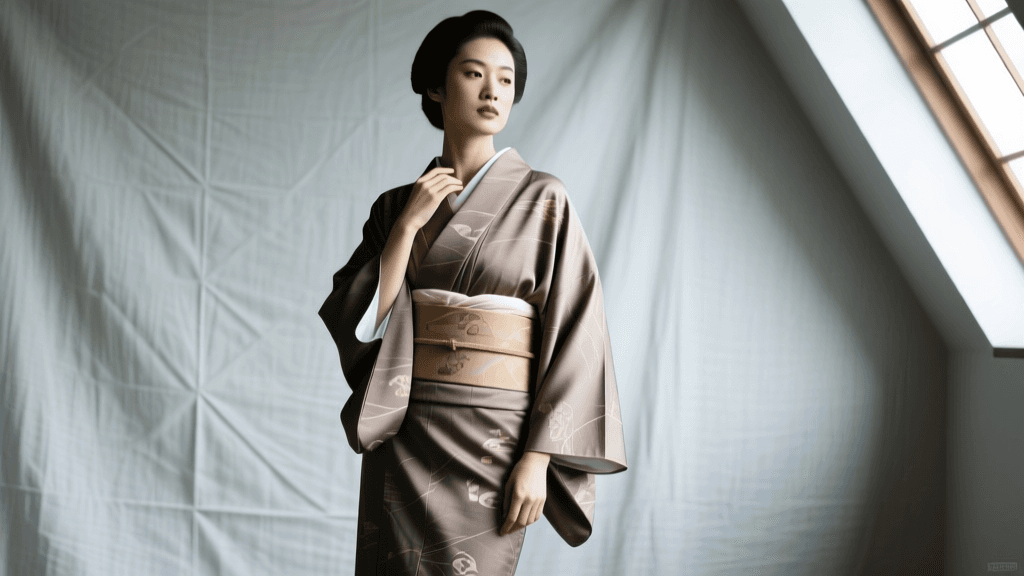
The intersection of traditional Japanese clothing and global pop culture is a fascinating study of adaptation, aesthetic borrowing, and visual storytelling. From the stylized, blood-spattered silk in Quentin Tarantino’s Kill Bill to the moody, neon-lit streetwear of cyberpunk cinema and the high-fashion runways of Paris, the kimono and its derivatives have become global icons. However, what audiences see on screen is often a 'Hollywood Kimono'—a garment stripped of its traditional rules of kitsuke (the art of wearing) and repurposed as a dramatic costume.
For collectors, vintage enthusiasts, and practitioners of Asian traditions, understanding the gap between cinematic depiction and authentic construction is crucial. According to the Metropolitan Museum of Art's essay on Japonisme, the Western fascination with Japanese silhouettes dates back to the late 19th century, where the structural flow of the kimono heavily influenced European fashion. Today, that influence has trickled down into global streetwear and media costuming. Yet, Hollywood frequently gets the basics wrong: collars are crossed incorrectly (right-over-left, which is reserved for the deceased), obis are tied in impossible knots, and fabrics are chosen for camera reflectivity rather than seasonal appropriateness.
True appreciation of the kimono in global media requires moving beyond the superficial costume and understanding the structural poetry of the garment. This guide will help you decode media-inspired Japanese fashion, avoid fast-fashion replicas, and source authentic vintage pieces that capture the magic of the screen while respecting the tradition.
Iconic Pop Culture Moments: A Collector's Breakdown
When a film or music video sparks a trend, the market is immediately flooded with cheap, synthetic replicas. As a serious collector or enthusiast, your goal is to identify the traditional roots of these cinematic garments and source authentic vintage equivalents. Below is a breakdown of iconic media moments and how to authentically recreate them.
| Media Moment | Garment Depicted | Authenticity Verdict | How to Source Authentically |
|---|---|---|---|
| Memoirs of a Geisha (Cinema) | Elaborate silk kimono with wide, stiff obi and trailing maiko details. | Low. Costumes were tailored for Western actors, altering the sleeve drop and collar placement. | Search for vintage furisode (long-sleeve formal kimono) from the Showa era. Expect to pay $200–$600 for authentic silk with metallic embroidery. |
| Kill Bill (Cinema) | Yakuza-style matching suits and subtle kimono-inspired lounge wear. | Moderate. Blends Western suiting with Japanese textile motifs. | Look for vintage Jinbei or casual cotton Yukata sets in muted, dark tones. Budget $40–$90. |
| Hip-Hop Music Videos (Streetwear) | Open silk jackets worn over hoodies, heavy embroidery. | High, but often styled incorrectly. Based on the Haori and Sukajan. | Source authentic vintage silk Haori with family crests (mon) or rayon Sukajan from the 1960s. Budget $80–$250. |
| High Fashion Runways (McQueen/Galliano) | Deconstructed kimono coats with massive obi bows. | Low. Pure avant-garde interpretation, ignoring traditional proportions. | Find heavy winter Hikizuri or vintage brocade Uchikake and wear them open as statement coats. Budget $150–$400. |
Sourcing Authentic Pieces Inspired by Global Media
If you want to capture the cinematic essence of Japanese streetwear or period dramas without resorting to polyester Halloween costumes, you must learn to navigate the vintage market. The best time to purchase authentic vintage Japanese garments online is during major Japanese holiday clear-outs, specifically around Golden Week (early May) and Shogatsu (New Year), when domestic sellers liquidate estate collections.
Essential Search Keywords for Vintage Dealers
When searching platforms like Yahoo Auctions Japan, Etsy, or specialized vintage importers, avoid generic terms like 'kimono robe.' Instead, use these precise traditional terms:
- Haori (羽織): The traditional hip- or thigh-length jacket worn over a kimono. This is the most versatile piece for modern, media-inspired streetwear. It looks exceptional layered over a plain hoodie or turtleneck.
- Tsumugi (紬): A type of slubbed pongee silk. It has a matte, textured finish that reads beautifully on camera and in person, avoiding the 'cheap costume' shine of synthetic satins.
- Sukajan (スカジャン): The souvenir jacket. Born in post-WWII Yokosuka, these jackets blend American baseball silhouettes with Japanese embroidery (tigers, dragons, cherry blossoms). They are a staple in global rebel cinema.
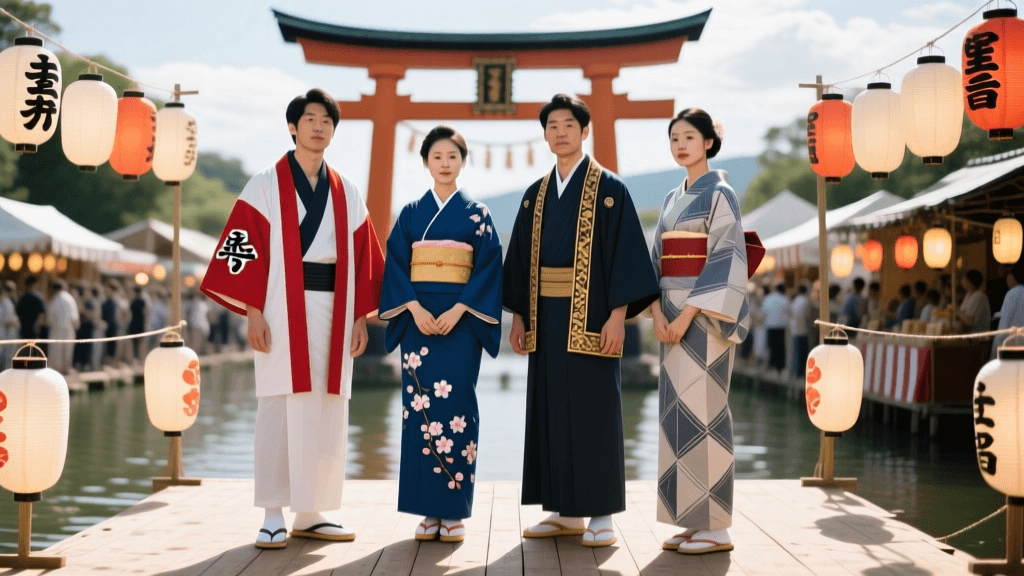
- Happi (法被): Traditional festival coats. Often seen in anime and cyberpunk media as casual, dystopian streetwear.
Cost and Authentication Guide
Authentic vintage silk haori typically range from $45 to $150. To authenticate, check the lining. Traditional haori feature a hidden lining that often contains hand-painted scenes or bold, contrasting silk patterns meant to be revealed only when the wearer moves. Fast-fashion replicas will have cheap, single-layer polyester linings. Furthermore, authentic garments are constructed from straight bolts of fabric (tanmono) with minimal cutting, resulting in a distinct T-shape silhouette that drapes rather than clings.
Styling the Cinematic Silhouette: Practical Kitsuke
Cinema often exaggerates the proportions of traditional garments for dramatic effect. Characters in period dramas or stylized action films are frequently shown with sleeves pooling past their hands or collars pulled dangerously low. In reality, traditional kitsuke is highly mathematical and precise. To adapt these garments for modern, everyday wear while maintaining a respectful nod to tradition, you must understand your measurements.
Essential Measurements for the Modern Collector
- Yuki (Sleeve Length): Measured from the center of the back neck, across the shoulder, to the wrist. In media, sleeves often exceed 75cm for dramatic effect. For practical streetwear, look for a yuki between 63cm and 68cm. This allows the sleeve to drape elegantly without catching on door handles or dipping into your coffee.
- Take (Back Length): Measured from the base of the neck to the hem. A standard haori should fall mid-thigh. If you are tall, seek out obaori (custom-tailored vintage pieces) which often have longer hems and wider shoulder drops.
- Shoulder Width (Katahaba): Vintage Japanese garments were made for smaller frames. Ensure the shoulder width is at least 60cm across the back to accommodate modern layering over hoodies or denim jackets.
Choosing the Right Obi for Streetwear
In movies, characters are often cinched with massive, stiff fukuro obi (formal sashes). These are incredibly difficult to tie, expensive ($100+), and uncomfortable for all-day wear. For a media-inspired streetwear look, opt for a Hanhaba Obi (half-width obi). Measuring exactly 15cm in width, the hanhaba is casual, easy to tie in a simple bunko (bow) knot, and pairs perfectly with a cotton yukata or a denim-and-t-shirt ensemble. Vintage cotton or wool hanhaba obi can be sourced for just $15 to $35.
The Sukajan: Media's Favorite Rebel Jacket
No discussion of Japanese fashion in global pop culture is complete without the Sukajan. Popularized by musicians, actors, and subcultures worldwide, the souvenir jacket is the ultimate symbol of East-meets-West rebellion. However, the market is saturated with modern, mass-produced nylon replicas that lack the soul of the original garments.
To source an authentic, media-worthy Sukajan, look for pieces dating from the 1960s to the 1980s. Authentic vintage pieces are typically made from a rayon-silk blend or high-grade acetate, which provides a deep, luxurious luster that synthetic polyester cannot replicate. Pay close attention to the embroidery: authentic vintage jackets feature chain-stitch embroidery that has a slightly raised, textured feel, often with minor imperfections that prove human craftsmanship. The zippers should ideally be vintage TALON or YKK brass zippers. Expect to invest between $150 and $400 for a genuine Showa-era Sukajan in good condition, but the cultural weight and cinematic drape of the garment are unmatched.
Preserving the Legacy of Traditional Garments
As global media continues to mine Asian traditions for visual inspiration, it is the responsibility of collectors and enthusiasts to preserve the integrity of these garments. The Victoria and Albert Museum's extensive archives on the kimono highlight how this garment is not merely a static relic of the past, but a dynamic, evolving piece of global fashion history. By learning to identify authentic textiles, understanding the precise measurements of kitsuke, and sourcing vintage pieces responsibly, you bridge the gap between Hollywood fantasy and Asian tradition. Whether you are layering a silk haori for a night out or tying a vintage hanhaba obi over a modern dress, you are participating in a living, breathing sartorial legacy that transcends the screen.