Japanese Matsuri Festival Wear: Happi, Yukata, and Hanten Guide
The Heartbeat of Matsuri: Understanding Japanese Festival Wear
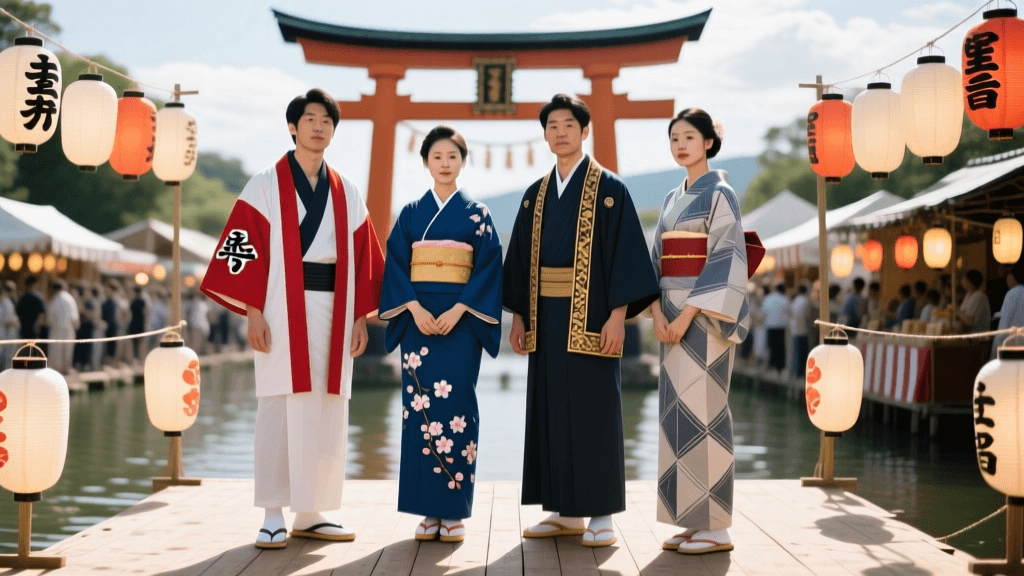
Japanese festivals, known as matsuri, are vibrant expressions of community, spirituality, and historical continuity. From the thunderous beats of taiko drums to the synchronized movements of bon odori dancers, the visual and auditory spectacle of these events is inextricably linked to the garments worn by participants. Unlike the highly formalized silk kimono reserved for tea ceremonies or weddings, festival and performance costumes prioritize mobility, breathability, and communal identity. This guide delves into the essential garments of Japanese matsuri and performance traditions, offering actionable advice on sizing, purchasing, and wearing these iconic pieces.
According to the Japan National Tourism Organization, matsuri festivals are deeply rooted in Shinto and Buddhist traditions, often serving as a means to honor local deities (kami) or commemorate historical events. The clothing worn during these events is not merely decorative; it functions as a uniform that dissolves social hierarchies and unifies the neighborhood. Whether you are preparing to carry a mikoshi (portable shrine), participate in a summer dance, or simply attend as a respectful guest, understanding the nuances of festival wear is essential.
The Happi Coat: The Iconic Festival Uniform
The happi (or happi coat) is arguably the most recognizable symbol of Japanese festival culture. Traditionally, happi coats were worn by house servants or shopkeepers, with the family or shop crest (mon) printed on the back. Today, they are the standard uniform for shrine parishioners, mikoshi carriers, and festival stall vendors.
A traditional happi is a straight-lined, T-shaped garment that wraps over the front and is secured with a belt (obi) or tied at the waist. The fabric is typically a lightweight, breathable cotton known as shōmen, which is crucial for enduring the sweltering Japanese summer heat. The most common colors are indigo blue, white, and black, often featuring bold, repetitive kanji characters or geometric patterns representing the local shrine or neighborhood association.
Sizing, Measurements, and Fit
Unlike Western clothing, happi coats generally do not come in highly differentiated sizes. Most are sold as "one size fits most," but understanding the measurements is vital for a proper fit, especially for performers who need a full range of motion.
- Standard Length (Mitake): Typically ranges from 75 cm to 80 cm (approx. 30 to 31.5 inches). This length is designed to hit at the mid-thigh, allowing for unrestricted leg movement during dances or shrine carrying.
- Standard Width (Yuki): The sleeve-span (from the center back neck to the edge of the sleeve) is usually around 106 cm (42 inches).
- Tall Sizes (LL or 3L): For individuals over 180 cm (5'11"), standard happi coats may look like short jackets. You must specifically seek out "LL" sizes, which offer a length of 90 cm to 95 cm.
Actionable Tip: If you are ordering custom happi coats for a performance troupe, allow at least 3 to 4 months for production. Traditional katazome (stencil dyeing) or modern sublimation printing requires lead time, and costs generally range from $40 to $80 per coat depending on the complexity of the crest.
Yukata: Summer Festival Elegance and Bon Odori
While the happi is the uniform of the laborer and the shrine bearer, the yukata is the garment of the festival-goer and the bon odori dancer. As noted by the Victoria and Albert Museum, the yukata originated in the Heian period as a lightweight linen bathrobe for nobility, eventually evolving into the casual cotton summer kimono worn by all classes during the Edo period.
For summer fireworks festivals (hanabi taikai) and bon odori dances, the yukata is the undisputed garment of choice. It is unlined, made of cotton or modern polyester blends, and features a wide array of patterns ranging from traditional morning glories (asagao) and goldfish to contemporary pop-culture motifs.
How to Wear and Measure for Yukata
Wearing a yukata correctly requires understanding a few key measurements and wrapping techniques. The most critical measurement is the yuki (sleeve length from the center of the back neck to the wrist).
- Women's Standard Yuki: Approximately 64 cm (25 inches). The hem should ideally reach the ankle bone.
- Men's Standard Yuki: Approximately 72 cm (28 inches). The hem should sit just below the calf.
- The Ohashori: For women, the yukata is wrapped tightly and then folded at the waist to create a tuck called the ohashori. This tuck adjusts the length and provides a traditional silhouette. Men do not use the ohashori; their yukata are worn straight down to the hips.
Actionable Tip: When purchasing a yukata for a performance, opt for a polyester-cotton blend. While purists prefer 100% cotton, modern blends resist wrinkling during vigorous bon odori dancing and are significantly easier to wash after a long, sweaty festival night. Expect to pay between $40 and $120 for a quality pre-tailored yukata set (which often includes the matching obi belt and geta sandals).
Hanten vs. Happi: Understanding the Difference
A common point of confusion for international buyers and cultural enthusiasts is the difference between the happi and the hanten. While they share a similar T-shaped silhouette, their purposes, constructions, and seasonal uses are entirely distinct. The Metropolitan Museum of Art provides extensive context on how Japanese garments evolved to suit specific environmental and social needs, and the hanten/happi distinction is a perfect example of this functional evolution.
| Garment | Primary Use | Typical Fabric | Average Cost (USD) | Seasonality |
|---|---|---|---|---|
| Happi | Festival parades, shrine duties, mikoshi carrying | Lightweight cotton (shōmen) | $30 - $80 | Summer / Autumn |
| Hanten | Indoor lounging, winter warmth, post-bath wear | Cotton exterior with thick cotton wadding (batting) | $60 - $150 | Winter |
| Yukata | Bon Odori dancing, fireworks festivals, ryokan wear | Unlined cotton, linen, or polyester | $40 - $120 | Summer |
| Momohiki | Taiko drumming, martial arts, heavy labor | Heavyweight cotton, sashiko stitching | $50 - $110 | Year-round |
Performance Costumes: Taiko Drummers and Mikoshi Carriers
When the festival transitions from a parade to a high-energy performance, the garments must adapt to extreme physical exertion. Taiko (traditional drumming) ensembles and mikoshi (portable shrine) carriers require specialized clothing that supports the body, wicks away sweat, and allows for explosive movements.
Momohiki and Patchwork Pants
The momohiki are traditional Japanese work pants characterized by a loose fit around the thighs and a tight taper from the knee down to the ankle. This design prevents the fabric from catching on obstacles while carrying heavy shrines or striking large taiko drums. Modern performance troupes often use momohiki made with sashiko (decorative reinforcement stitching) or heavy-duty canvas to withstand the friction of repetitive kneeling and stomping.
Haramaki and Tasuki: The Performer's Toolkit
Beneath the outer layers, performers rely on two essential accessories:
- Haramaki: A thick, elasticized belly band worn around the midsection. Historically used as light armor by samurai, the modern haramaki provides crucial lower back support and core warmth for taiko drummers who perform outdoors in varying temperatures. A high-quality performance haramaki costs around $25 to $45.
- Tasuki: A long, narrow sash used to tie back the sleeves of a kimono, yukata, or happi. In the heat of a bon odori dance or a rigorous drumming session, performers use a tasuki to cross the sleeves over their back, completely freeing the arms and shoulders. This creates a striking, dynamic silhouette that emphasizes the movement of the arms.
Actionable Buying Guide: Timing, Budget, and Sourcing
If you are outfitting a cultural performance group, organizing a local matsuri, or simply building an authentic wardrobe, strategic planning is required.
When to Buy
The global supply of authentic Japanese festival wear is heavily dictated by the domestic festival calendar. Major manufacturers in Kyoto and Osaka experience massive order backlogs between April and June as local neighborhoods prepare for the July Gion Matsuri and August Awa Odori. Do not wait until June to order custom happi coats. Place custom orders by February or March to ensure delivery. For off-the-rack yukata and hanten, purchasing during the Japanese winter (November to January) often yields significant discounts as retailers clear out summer inventory.
Where to Source Authentic Garments
Avoid generic costume shops that sell thin, polyester "ninja" or "samurai" costumes. For authentic performance wear, source directly from specialized Japanese retailers or established importers. Look for vendors that specify the region of manufacture (such as Osaka for tenugui towels and happi, or Kyoto for yukata). Expect to pay a premium for garments dyed using traditional chusen (pour-dyeing) techniques, where the dye penetrates entirely through the fabric, ensuring the pattern is vibrant on both sides and will not fade with heavy sweat and repeated washing.
"The beauty of Japanese festival wear lies in its democratic nature. When the neighborhood dons the same happi coat, the CEO and the student stand shoulder to shoulder, united by the rhythm of the taiko and the weight of the mikoshi."
Conclusion
Japanese festival and performance costumes are masterclasses in functional design and communal symbolism. From the breathable cotton of the happi coat to the elegant drape of the summer yukata, each garment serves a distinct purpose in the theater of the matsuri. By understanding the precise measurements, historical contexts, and practical applications of these garments, performers and enthusiasts can engage with Japanese traditions respectfully and authentically. Whether you are tying your first tasuki or stepping into a pair of wooden geta, the right garment transforms a simple outfit into a living piece of cultural heritage.