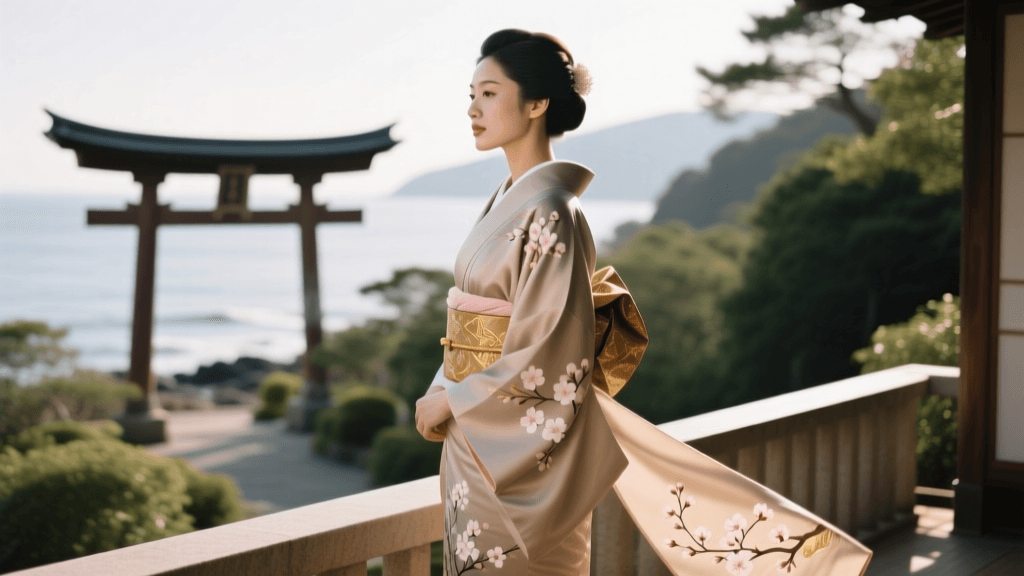
Kimono in Pop Culture: From Sci-Fi Armor to Haute Couture

The Cinematic Samurai: Kimono Silhouettes in Sci-Fi and Fantasy
When George Lucas conceptualized the wardrobe for the Jedi Order in the original Star Wars trilogy, he did not look to medieval European knights or futuristic space marines. Instead, he turned to the traditional Japanese kimono and the flowing robes of Buddhist monks. The iconic cross-collar wrap, the wide obi-style sashes, and the layered, unstructured sleeves of the Jedi tunics are direct descendants of the Edo-period kosode and haori. This cinematic choice was revolutionary; it communicated a sense of ancient discipline, spiritual grounding, and martial elegance without uttering a single line of exposition.
The influence of Japanese traditional garments extends deeply into modern fantasy and science fiction. From the layered, kimono-inspired battle armor in Ghost in the Shell to the sweeping, hakama-style trousers seen in high-fantasy anime and Hollywood blockbusters, the T-shaped silhouette of the kimono provides a visual shorthand for mysticism and martial prowess. According to curatorial notes from The Metropolitan Museum of Art's Asian textile archives, the structural genius of the kimono lies in its flat, geometric construction, which allows the fabric to drape dynamically over the human form in motion—a property that translates flawlessly to the kinetic demands of cinematic action sequences.
Haute Couture Meets Edo Period Elegance
Beyond the silver screen, the kimono has profoundly disrupted Western haute couture. In the late 1990s and early 2000s, designers like Alexander McQueen and John Galliano (during his tenure at Dior) sent models down the runway in garments that heavily referenced the kimono's voluminous sleeves and restrictive, posture-altering obi belts. McQueen’s legendary 'VOSS' collection featured intricate, kimono-inspired silk jacquards that merged Japanese textile traditions with British tailoring.
More recently, the concept of Ma (the Japanese philosophy of negative space) has influenced avant-garde streetwear and high fashion. Designers like Yohji Yamamoto and Issey Miyake have long championed the space between the body and the fabric, a direct rejection of Western corsetry and form-fitting silhouettes. The Victoria and Albert Museum's Asian collections highlight how the global migration of the kimono silhouette during the 19th-century Japonisme movement permanently altered Western fashion, shifting the focus from shaping the body to draping the fabric.
Data Table: Traditional Garment vs. Pop Culture Adaptation
Understanding how traditional garments are adapted for media and modern fashion helps enthusiasts appreciate the nuances of the design. Below is a comparison of authentic elements versus their pop-culture counterparts.
| Traditional Element | Pop Culture / Media Adaptation | Key Design Difference |
|---|---|---|
| Obi Belt (Fukuro/Maru) | Sci-Fi Utility Sash / Corset Belt | Traditional obi is 30cm+ wide, tied in complex knots (musubi) without buckles. Media adaptations often add leather buckles, holsters, or reduce the width to 10cm for mobility. |
| Haori Jacket | Anime Protagonist Coat / Streetwear Kimono Cardigan | Authentic haori features a deep sleeve drop (20-30cm) and an interior hidden tie (haori himo). Pop culture versions often feature open, flowing sleeves and lack interior ties. |
| Hakama Trousers | Cyberpunk Tech-Wear Pants | Traditional hakama has 5-7 precise pleats representing virtues. Tech-wear adapts the pleats using synthetic waterproof fabrics and adds cargo pockets and zippers. |
| Tabi Socks | Margiela Split-Toe Boots | Traditional tabi are cotton split-toe socks for indoor/outdoor zori wear. High fashion adapts them into structured leather boots with heavy treads. |
Actionable Guide: Incorporating Japanese Silhouettes into Modern Streetwear
Integrating traditional Japanese garments into a contemporary wardrobe requires an understanding of proportion, fabric weight, and styling. The most accessible and versatile piece for modern wear is the haori (a traditional hip- or thigh-length kimono-style jacket).
Sizing and Proportions for the Haori Jacket
Unlike Western jackets, haori are designed to hang loosely from the shoulders, relying on the drape of the silk rather than structured tailoring. When sourcing a vintage haori for streetwear, pay attention to the following measurements:
- Sleeve Drop: Authentic vintage haori feature a sleeve drop (the distance from the shoulder seam to the bottom of the sleeve opening) of 20cm to 30cm. This creates the iconic 'winged' silhouette when your arms are at your sides.
- Length: For a modern, gender-neutral streetwear look, aim for a body length between 80cm and 95cm. This will hit at the mid-thigh, mimicking the proportions of a longline duster coat.
- Shoulder Width: Because traditional garments lack a rigid shoulder seam, the shoulder span often measures 60cm to 65cm. Embrace the drop-shoulder aesthetic; it pairs exceptionally well with oversized hoodies and wide-leg trousers.
The Obi Belt in Modern Styling
Wearing a full traditional obi in a casual setting can be impractical and culturally incongruous. Instead, utilize a hanhaba obi (a casual, half-width obi measuring roughly 15cm across). These can be tied in a simple, sleek knot at the back to cinch a flowy dress or an oversized linen shirt, providing structural contrast without the rigidity of formal Edo-period knotting.
Anime, Cyberpunk, and the Neo-Tokyo Aesthetic
The intersection of traditional Japanese clothing and futuristic media has birthed the 'Neo-Tokyo' or 'Cyberpunk' aesthetic. In anime like Demon Slayer and Samurai Champloo, traditional garments are frequently hybridized with modern or anachronistic elements—such as pairing a cropped haori with combat boots, or wearing a checkered kimono pattern with tactical gear. This media representation has heavily influenced Harajuku streetwear and global tech-wear brands, who now frequently release collections featuring traditional wagara (Japanese patterns) printed on Gore-Tex and ballistic nylon.
The kimono is not merely a relic of the past; it is a living, breathing canvas that global pop culture continually reinterprets, proving that true design innovation often lies in looking backward to move forward.
Navigating Authenticity: Vintage vs. Costume Replicas
As the kimono silhouette grows in global pop culture, the market has been flooded with cheap, polyester 'kimono cardigans' that appropriate the aesthetic while stripping away the craftsmanship. For enthusiasts looking to build an authentic wardrobe, understanding the difference between vintage silk and modern replicas is crucial.
- Material and Weave: Authentic vintage haori are typically made from silk, often featuring a rinzu (damask) jacquard weave that reveals subtle, tonal patterns when catching the light. Replicas are usually printed polyester, lacking the weight, breathability, and acoustic rustle of real silk.
- The Lining: A hallmark of a high-quality vintage haori is the interior lining. Many feature hand-painted silk linings or intricate embroidery that is only visible when the wearer moves or a breeze catches the sleeve. Mass-market pop-culture replicas are almost always unlined.
- Cost Expectations: A mass-produced polyester 'kimono jacket' from a fast-fashion retailer typically costs between $25 and $45. Conversely, an authentic, vintage silk haori sourced from reputable Japanese export vendors or specialized antique textile dealers generally ranges from $65 to $180, depending on the condition and the presence of family crests (kamon).
For those seeking to experience the profound cultural weight of these garments firsthand, rather than just consuming their pop-culture reflections, engaging with authentic cultural tourism is highly recommended. The Japan National Tourism Organization (JNTO) provides extensive resources on participating in traditional tea ceremonies and authentic kimono-fitting experiences in Kyoto, allowing you to understand the physical mechanics and cultural etiquette of the garments before adapting them into your personal style.
Conclusion
From the spiritual robes of cinematic space knights to the avant-garde runways of Paris, the traditional Japanese kimono and haori have transcended their geographic origins to become a universal design language. By understanding the historical measurements, respecting the textiles, and recognizing the difference between cultural appreciation and pop-culture caricature, modern fashion enthusiasts can wear these iconic silhouettes with both style and profound respect.