Kimono Destination Weddings: Planning & Styling Guide
The Allure of the Kimono Destination Wedding
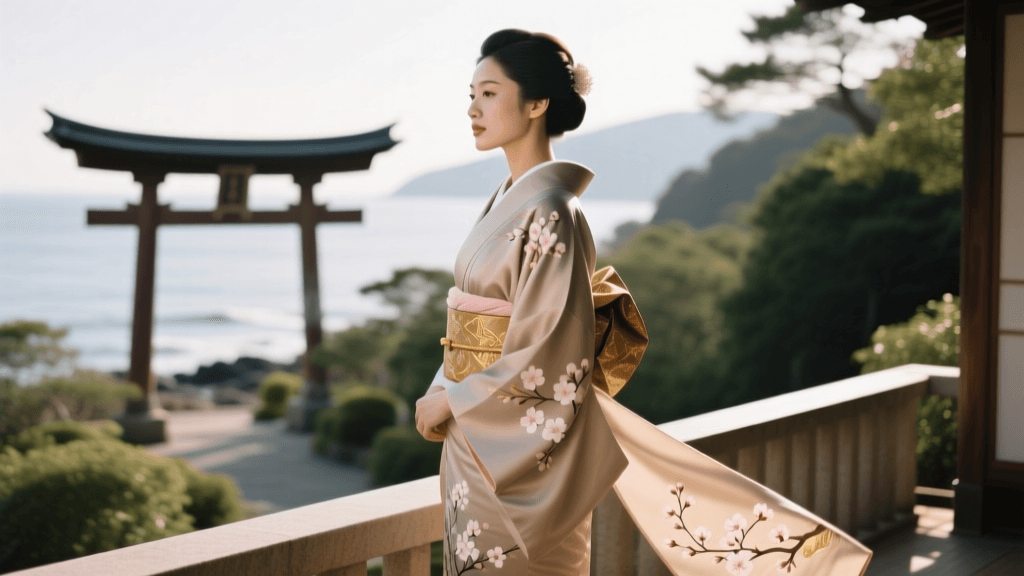
Destination weddings have evolved far beyond the standard beachside cabana or European vineyard. Today, couples are seeking profound cultural immersion, breathtaking historical backdrops, and deeply meaningful attire. For many brides and grooms, the traditional Japanese kimono offers an unparalleled blend of artistry, elegance, and heritage. Whether you are exchanging vows in a centuries-old Kyoto temple, hosting a cherry blossom viewing in Washington D.C., or celebrating in a grand European castle, wearing a kimono transforms your special day into a living work of art.
However, planning a kimono destination wedding requires meticulous attention to detail. Unlike Western wedding gowns, the kimono is a complex system of layered garments, precise measurements, and specialized accessories. According to cultural experts and wedding historians, the integration of traditional Japanese attire into global weddings is a beautiful way to honor heritage, but it demands a thorough understanding of the garment's logistics. As noted in the Brides.com guide to Japanese Wedding Traditions, the rituals and garments involved are steeped in centuries of symbolism, making preparation just as important as the ceremony itself.
Choosing the Right Kimono for Your Venue
The term 'kimono' simply translates to 'thing to wear,' but within the realm of weddings and formal events, the hierarchy of formality is strict. Selecting the correct garment depends on your marital status, the time of day, and the formality of your venue. For brides, the choices generally fall into three main categories: the pure white Shiromuku, the vibrant Irouchikake, and the elegant Uchikake. For guests or brides opting for a less traditional ceremony, the Furisode and Houmongi are exceptional choices.
| Garment Type | Formality Level | Best Suited For | Estimated Cost (USD) |
|---|---|---|---|
| Shiromuku | Ultra-Formal (Bride) | Shinto shrine ceremonies, traditional temple weddings | $300 - $800 (Rental) |
| Irouchikake | Ultra-Formal (Bride) | Reception entrances, vibrant garden or castle venues | $400 - $1,000 (Rental) |
| Furisode | Formal (Unmarried Women) | Bridesmaids, guests, pre-wedding photoshoots | $150 - $400 (Rental) |
| Houmongi | Formal (Married/Unmarried) | Mothers of the bride/groom, formal dinner guests | $100 - $300 (Rental) |
| Montsuki Haori Hakama | Ultra-Formal (Groom) | Grooms, traditional shrine ceremonies | $150 - $350 (Rental) |
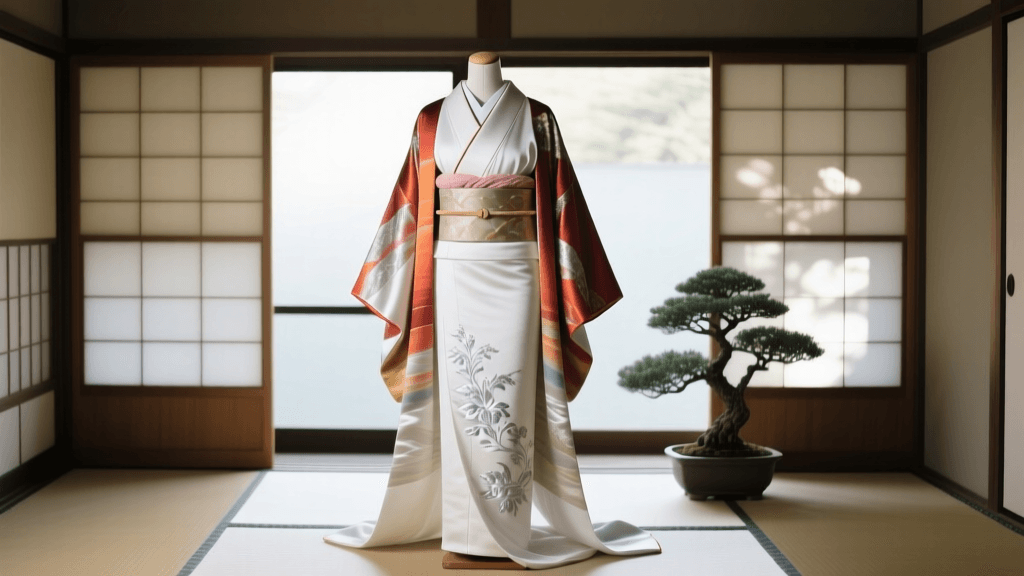
The Shiromuku is the most formal bridal attire, symbolizing purity and the bride's willingness to be 'dyed' the colors of her new family. The Irouchikake, a heavily brocaded outer robe worn over a base kimono, is often adorned with cranes, pine trees, and peonies, making it a spectacular choice for grand reception halls or vibrant outdoor destinations.
Sizing, Measurements, and the Ohashori
One of the most common misconceptions about the kimono is that it is 'one size fits all.' While the garment is highly adjustable compared to Western tailoring, your height and arm span dictate which kimono you can comfortably wear. The critical element in women's kimono styling is the ohashori—the folded tuck at the waist that allows the hem to fall perfectly at the ankles.
Standard antique and rental kimonos are typically tailored for women between 150 cm and 160 cm (4'11" to 5'3"). If you are taller than 165 cm (5'5"), achieving a proper ohashori with a standard garment becomes difficult, and the sleeves (yuki) may fall too short on your wrists. Taller brides should seek out modern custom-made kimonos or specifically search for antique ome (large-sized) garments. The Metropolitan Museum of Art's Heilbrunn Timeline of Art History highlights how the straight-line construction of the kimono allows for remarkable versatility, but it still relies on precise body mapping to ensure the motifs align correctly on the body.
Logistics: Packing and Transit for Destination Events
Transporting a silk kimono across the globe requires the same care as transporting a museum artifact. Silk is highly susceptible to moisture, hard creases, and friction. If you are bringing your own purchased or heirloom kimono to your destination wedding, never pack it in standard plastic dry-cleaning bags, as trapped moisture can cause mildew and yellowing.
Instead, use traditional tatoushi (acid-free paper sleeves) or wrap the garments in unbleached, acid-free tissue paper. Fold the kimono along its original seam lines to prevent permanent creasing through the embroidered crests (mon) or gold-leaf appliques. Place the wrapped garments in a rigid, breathable cotton case or a specialized kimono travel bag. Always carry your most delicate accessories, such as vintage kanzashi (hair ornaments) and silk obi sashes, in your carry-on luggage to avoid the extreme temperature fluctuations of the cargo hold.
The Art of Kitsuke: Hiring a Professional Dresser
Unlike a Western wedding dress that can be zipped or buttoned by a bridesmaid, a formal kimono requires kitsuke—the specialized art of dressing. A professional dresser uses an array of padding, ties (himo), and clips to sculpt the body into the ideal cylindrical silhouette, ensuring the heavy fukuro obi (formal sash) is tied in an intricate, secure knot, such as the bunko or taiko musubi.
If your destination is outside of Japan, finding a certified kitsuke artist is your most crucial logistical step. Begin your search six to nine months in advance. Reach out to local Japanese cultural centers, university Japanese student associations, or international branches of kimono schools like the SAE Kimono Academy or the Yamano College of Aesthetics. Expect to pay a premium for overseas dressing services; a professional dresser in the US or Europe typically charges between $250 and $600, plus travel and accommodation fees if they are traveling to your venue.
Climate and Comfort: Seasonal Considerations
Asian traditions dictate that the kimono must reflect the season. This is a vital consideration for destination weddings in extreme climates. For a summer wedding in a tropical or humid destination, you must opt for ro or sha—sheer, leno-weave silks that allow for airflow. These are worn with a lightweight, sheer juban (undergarment).
Conversely, for a winter wedding in a snowy locale like Hokkaido or a European winter destination, you will wear an awase (lined silk kimono). To maintain warmth without breaking the visual silhouette, brides utilize haramaki (fleece or wool waist warmers) hidden beneath the obi, and thermal tabi (split-toe socks). A luxurious velvet or silk haori (jacket) or a plush fur shawl can be draped over the shoulders for outdoor photography, then removed for the indoor ceremony.
Essential Accessories for the Bridal Ensemble
The kimono is only the canvas; the accessories complete the masterpiece. Budget and pack for the following essentials:
- Obi: The sash. Brides typically wear a heavily brocaded maru obi or fukuro obi.
- Obijime and Obiage: The decorative cord and silk scarf that secure and accentuate the obi knot.
- Tabi: Split-toe socks. Brides wear pure white tabi, while guests may wear patterned or colored ones.
- Zori: Formal sandals. Bridal zori are often covered in gold leaf, silver, or white brocade.
- Kanzashi: Hair ornaments. Depending on the season, these may feature silk flowers, tortoiseshell, or dangling metal elements.
- Sensu: A folding fan, often held in the obi or used as a prop for elegant, traditional photography.
Budgeting for a Kimono Destination Wedding
Understanding the financial commitment is essential for wedding planning. Below is a comparative breakdown of the estimated costs associated with sourcing and wearing a kimono for a destination event.
| Expense Category | Renting in Japan (Kyoto/Tokyo) | Bringing Own Antique/Heirloom | Custom New Purchase |
|---|---|---|---|
| Garment & Obi | $300 - $1,200 | $0 (Assuming owned) | $3,000 - $15,000+ |
| Accessories (Tabi, Zori) | $50 - $100 (Often included) | $100 - $250 | $200 - $500 |
| Kitsuke (Dressing) Fee | $150 - $300 | $250 - $600 (Overseas) | $250 - $600 (Overseas) |
| Hair & Makeup (Styling) | $100 - $200 | $150 - $350 | $150 - $350 |
| Transit/Shipping | N/A | $50 - $150 (Excess baggage) | $50 - $150 |
Photography and Posing in Traditional Attire
Photographing a kimono requires an understanding of its structure. The tight binding of the obi and the narrow hemline naturally restrict large, sweeping movements. This restriction is a feature, not a bug; it enforces a graceful, deliberate posture that translates beautifully on camera.
'When photographing a bride in a traditional uchikake, the photographer must understand the geometry of the garment. The focus should be on the drape of the silk, the alignment of the seasonal motifs, and the subtle, elegant angles of the hands and fan, rather than dynamic movement.' - Editorial Fashion Photography Guidelines
Instruct your photographer to capture the intricate details of the obi-jime knot from the back, and the sweeping train of the uchikake from a low angle. The Victoria and Albert Museum's extensive Kimono Collection serves as an excellent visual reference for how these garments are meant to drape, fold, and present their motifs to the viewer.
Final Thoughts on Your Cultural Celebration
Choosing a kimono for your destination wedding is a commitment to honoring a rich, complex textile tradition. It requires early planning, a respect for the garment's physical requirements, and a willingness to embrace the beautiful, deliberate pace of traditional Japanese aesthetics. By carefully selecting your garment, securing a skilled dresser, and respecting the seasonal and formal rules of the attire, your destination wedding will be a breathtaking tribute to Asian traditions, resulting in memories and photographs that will endure for generations.