Kimono Styling Guide: Dressing for Every Body and Gender
The Evolution of Inclusive Kimono Fashion
The traditional Japanese kimono is often misunderstood in the West as a rigid, one-size-fits-all garment. In reality, the kimono is a masterclass in modular fashion, designed to be wrapped, folded, and tied to accommodate a vast spectrum of human proportions. Historically, kimono were crafted from tanmono—standardized bolts of fabric roughly 36 centimeters wide—which were cut and sewn to fit an individual's specific measurements. Today, as global interest in Japanese cultural attire surges, the modern kimono industry is adapting to a diverse, international clientele. From specialized rental shops in Kyoto to avant-garde fashion districts in Tokyo, dressing for different body types and breaking traditional gender norms has become a vibrant, evolving art form.
According to the Victoria and Albert Museum, the structural genius of the kimono lies in its straight-line construction, which allows the garment to be easily taken apart, resized, and re-tailored. This inherent flexibility makes it an incredibly inclusive garment when styled with the correct foundational techniques.
Understanding Kimono Sizing and the Art of Folding
Unlike Western clothing, which relies on darts, seams, and tailored curves to map the body's contours, the kimono creates a cylindrical silhouette. The primary method for adjusting a kimono's length is the ohashori—a fold of fabric taken at the waist before tying the obi (sash). This fold allows a single garment to fit individuals of varying heights.
| Body Metric | Traditional Standard | Adjustment Technique |
|---|---|---|
| Height (Women) | 150cm - 160cm | Adjust the depth of the ohashori fold at the waist. |
| Height (Men) | 165cm - 175cm | Men's kimono lack ohashori; custom hemming or ankle exposure is managed via tabi socks. |
| Shoulder Width | 60cm - 64cm | Utilize men's kimono for broader shoulders or seek custom tanmono weaving. |
| Bust and Waist | Up to 100cm | Strategic towel padding (datejime) to smooth the silhouette and secure the obi. |
Styling Kimonos for Different Body Types
Achieving the perfect kimono silhouette requires an understanding of kitsuke (the art of dressing). Here is how to adapt the garment for various body types.
Petite Frames
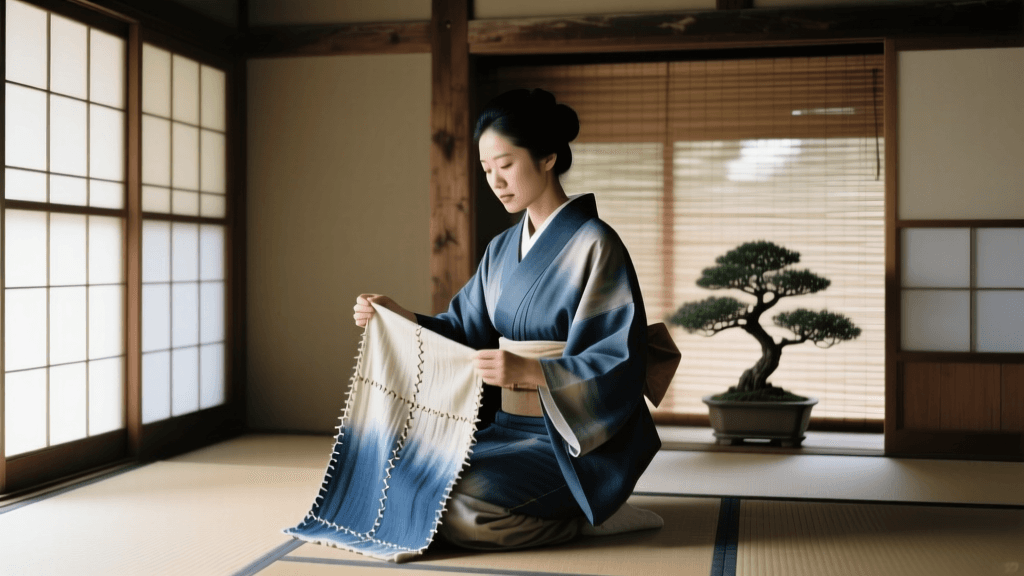
For individuals under 155cm (5'1"), standard rental kimono can sometimes overwhelm the frame. The key is to take a deeper ohashori fold to raise the hemline to the exact ankle bone. To avoid looking swamped in fabric, petite wearers should opt for a hanhaba obi (half-width sash) rather than a bulky fukuro obi. Smaller, geometric patterns or vertical motifs like shibori tie-dye will elongate the body, creating a streamlined visual effect.
Tall and Broad-Shouldered Individuals
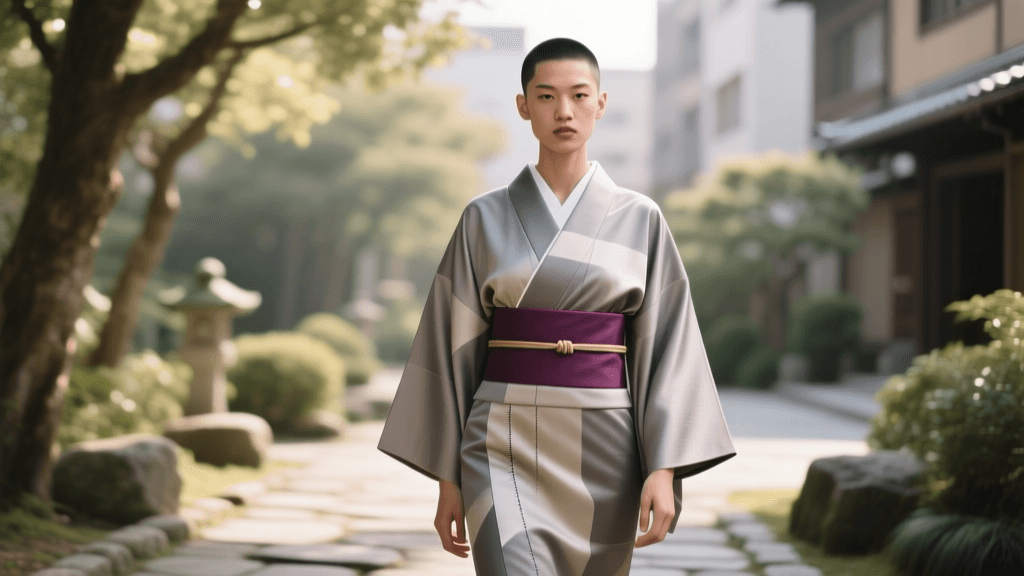
Tall women, particularly those over 175cm (5'9"), often face the challenge of the kimono hem riding too high, exposing the calves. The Kyoto City Official Travel Guide notes that many premium rental shops now offer 'tall-size' or 'L-size' kimono specifically woven with extra length. Alternatively, tall women frequently adopt men's kimono styling. Men's kimono are cut longer, feature wider shoulder seams, and are worn without the ohashori fold, allowing the hem to fall naturally to the ankles. Pairing a subdued men's kimono with a vibrant, feminine obi is a popular, modern styling hack that provides both comfort and striking visual contrast.
Curvy and Plus-Size Bodies
The kimono's ideal aesthetic is a smooth, columnar shape. For curvy or plus-size individuals, the goal is not to hide the body, but to build a structural foundation that allows the silk to drape flawlessly and the obi to sit securely. This is achieved using hadajuban (traditional undergarments) and cotton dressing towels. By wrapping towels around the waist and bust and securing them with koshihimo (tying cords), the wearer creates a flat canvas. This prevents the obi from slipping and ensures the collar lies flat against the collarbones. Plus-size wearers should look for darker, solid colors or large-scale yuzen dye patterns that wrap dynamically around the body.
Breaking Gender Norms: Kimono for All Genders
Historically, the demarcation between men's and women's kimono was strict. Women's garments featured detached sleeves with deep, open pockets (okumi), vibrant colors, and the waist fold. Men's garments had sleeves fully attached to the body, subdued colors like navy, charcoal, or olive, and a wider, stiffer collar. However, contemporary Japanese fashion is increasingly embracing gender fluidity.
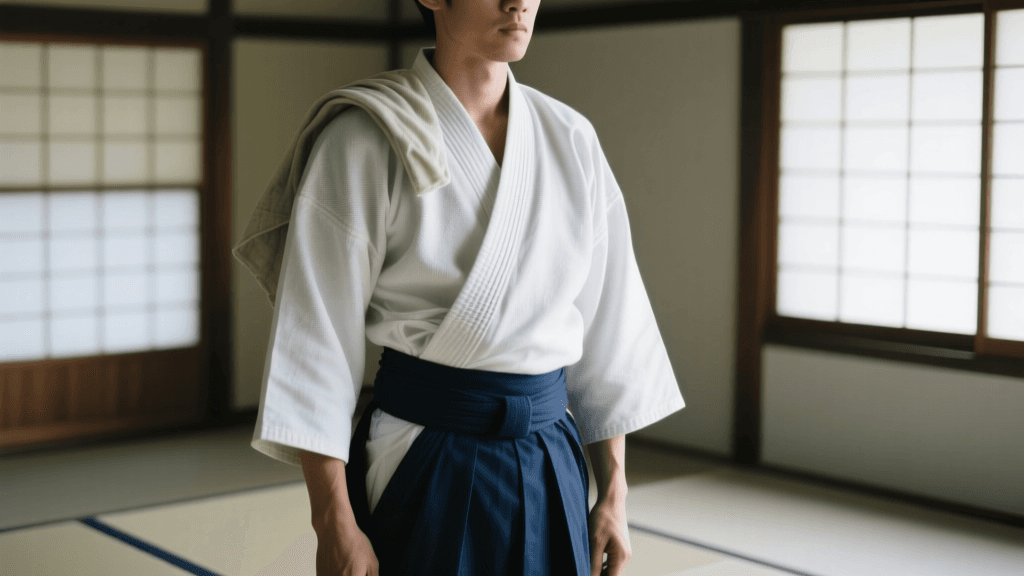
The Metropolitan Museum of Art highlights that in the Edo period, certain kosode (precursors to the modern kimono) were relatively gender-neutral in their cut, with differentiation relying heavily on surface design and color. Today, this historical fluidity is being reclaimed. It is increasingly common to see men wearing kimono with subtle floral or autumnal motifs, and women adopting the hakama (pleated trousers) and haori (jacket) combinations traditionally reserved for male scholars and samurai.
The beauty of the kimono lies not in how it conforms to the body, but how the body and fabric collaborate to create a unified, expressive silhouette regardless of gender.
In districts like Harajuku and during anime conventions globally, 'gender-bending' kimono fashion is a massive trend. Non-binary and transgender individuals are finding empowerment in mixing elements: pairing a masculine, dark-toned kimono base with an elaborate, feminine kanzashi (hair ornament) and a brightly tied obi. Many progressive rental salons in Tokyo now offer 'gender-free' dressing courses, teaching clients how to mix and match traditional elements to reflect their personal gender expression.
The Foundation: Undergarments and Padding
No matter your body type or gender, the secret to a comfortable kimono experience lies beneath the surface. Modern dressing utilizes several key items:
- Susoyoke: A wrap-around skirt worn by women to protect the kimono silk from friction and sweat.
- Nagajuban: A thin under-robe that provides a collar layer and absorbs moisture. For broad shoulders, stretch-jersey nagajuban are highly recommended as they move with the body.
- Koshihimo: Long, thin cotton cords used to tie the garment in place before the decorative obi is applied. Plus-size individuals may need to purchase extra-long koshihimo, which are readily available at specialized kimono supply stores.
- Korin Belt: A modern, elasticized belt with clips that helps keep the collar perfectly crossed and secure, an excellent tool for beginners or those with larger busts who struggle with traditional collar folding.
Practical Guide: Renting vs. Buying Custom
For tourists and beginners, renting is the most practical way to experience inclusive kimono styling. In Kyoto's Higashiyama district or Tokyo's Asakusa, standard rental packages cost between 5,000 and 8,000 JPY ($35 to $55 USD). These packages usually include dressing services, where professional kitsuke artists will expertly pad and fold the garment to flatter your specific body type. Be sure to call ahead and inquire about 'L-size' or men's kimono availability if you are over 175cm tall or have a chest measurement over 110cm.
For those seeking a permanent addition to their wardrobe, buying custom is a rewarding investment. A modern, washable polyester kimono tailored to your exact measurements can be commissioned from online artisans or specialized shops in Tokyo's Nippori Textile Town for around 30,000 to 50,000 JPY. For authentic, hand-painted silk tanmono woven to your specific shoulder width and height, expect to invest upwards of 200,000 JPY ($1,300+ USD) and wait several months for the artisans to complete the weaving and dyeing process.
Conclusion
The kimono is far from a relic of a rigid past; it is a dynamic, living garment that celebrates the art of wrapping the human form. By understanding the mechanics of the ohashori, utilizing foundational padding, and embracing the historical fluidity of its design, anyone can wear a kimono with confidence and grace. Whether you are a petite traveler exploring Kyoto, a tall individual adopting masculine styling, or someone expressing a non-binary identity through a fusion of traditional elements, the kimono offers a canvas for unparalleled personal expression.