Japanese Martial Arts and Tea Ceremony Uniforms Guide
The Intersection of Mind, Body, and Textile
In Japanese culture, the pursuit of mastery—whether through the physical rigor of martial arts (Budo) or the quiet mindfulness of the tea ceremony (Chado)—is deeply intertwined with the garments worn during practice. These traditional uniforms are not mere costumes; they are functional tools designed to enhance movement, instill discipline, and reflect the philosophical concept of Do (The Way). According to the Metropolitan Museum of Art, Japanese textiles have historically served as markers of social status, spiritual devotion, and occupational function, a legacy that lives on in modern traditional practices. For practitioners and collectors alike, understanding the nuances of these garments is essential for authentic engagement with Asian traditions.
Martial Arts Uniforms: Functionality Meets Tradition
The Keikogi: Weave, Weight, and Purpose
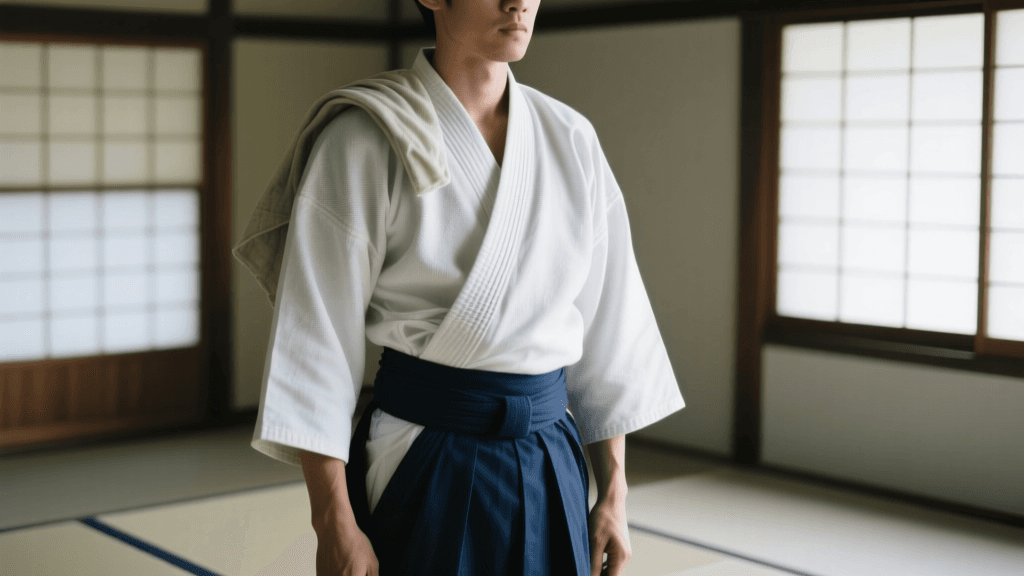
The keikogi (training jacket) is the foundational garment for martial arts such as Kendo, Aikido, and Judo. Unlike standard cotton uniforms, authentic Budo jackets utilize specialized weaving techniques designed to absorb impact, wick sweat, and withstand rigorous grappling or striking. The two most prominent weaves are Sashiko (rice-grain weave) and Hishizashi (diamond weave). Sashiko provides excellent moisture absorption and a softer feel, making it ideal for Aikido and Judo. Hishizashi is tighter and more durable, often preferred in Kendo for its resistance to friction from armor (bogu).
When selecting a keikogi, weight is a critical factor. Jackets are typically measured in grams per square meter (gsm). A lightweight summer jacket might be 600 gsm, while a heavy, competition-grade Kendo jacket can exceed 10,000 gsm on the chest and shoulders to absorb the shock of bamboo sword (shinai) strikes. High-quality jackets from heritage brands like Shureido or Tozando range from $120 to over $350, reflecting the labor-intensive weaving and natural indigo (aizome) dyeing processes.
The Hakama: Pleats, Ties, and Movement
The hakama is the wide-legged, pleated trousers worn over the keikogi. In martial arts, the hakama traditionally features seven pleats, representing the seven virtues of the samurai (benevolence, justice, courage, respect, sincerity, honor, and loyalty). The All Japan Kendo Federation mandates specific standards for Kendo hakama, emphasizing durability and a crisp silhouette that hides the practitioner's footwork from opponents.
Martial arts hakama are generally made from one of three materials:
- Heavy Cotton / Aizome (Indigo): The traditional choice. It is stiff, breathable, and the natural indigo dye has antibacterial properties. However, it bleeds dye for the first several washes and requires meticulous folding. Cost: $150–$250.
- Tetron (Polyester/Rayon Blend): The modern standard for daily practice. It is lightweight, machine-washable, and holds its pleats permanently. Cost: $60–$90.
- Non-bleeding Indigo (Synthetic): Offers the look of traditional cotton without the dye-bleeding issues. Cost: $100–$140.
Tea Ceremony Attire: Mindfulness in Every Thread
Kimono for Chado: Subtlety and Restraint
While martial arts uniforms prioritize durability and impact resistance, tea ceremony attire prioritizes subtlety, seasonal awareness, and harmony with the tearoom environment. The Urasenke Foundation emphasizes that a host's attire should never overshadow the tea, the utensils, or the guests. Therefore, flashy patterns are avoided in favor of refined, understated elegance.
For female practitioners, the Iromuji (a solid-colored kimono with one to three family crests) is the most versatile and appropriate choice for tea gatherings. The colors are typically muted—think sage green, plum, or slate blue—changing subtly with the seasons. For male practitioners, a plain silk kimono paired with a Sendai-hira silk hakama is the standard formal attire. Beginners often opt for high-quality polyester kimono, which cost between $80 and $150 and offer the advantage of being machine-washable, unlike traditional silk garments which require professional dry cleaning ($50+ per wear).
Samue: The Working Garment of the Tea Garden
Before and after the formal tea gathering, the host must prepare the tearoom, sweep the garden path (roji), and boil water. For these active tasks, wearing a formal silk kimono is impractical. Enter the Samue. Originally the working clothes of Zen Buddhist monks, the samue consists of a loose-fitting jacket and matching pants, typically made from breathable cotton or linen. It allows for a full range of motion while maintaining a dignified, traditional aesthetic. A high-quality cotton samue costs around $70 to $120 and is an essential investment for any serious tea student.
Comparison: Budo Hakama vs. Chado Hakama
Though they share the same name and basic structure, the hakama used in martial arts and the hakama used in formal tea ceremonies differ significantly in construction and material.
| Feature | Budo Hakama (Martial Arts) | Chado Hakama (Tea Ceremony) |
|---|---|---|
| Primary Fabric | Heavy Cotton, Tetron (Poly/Rayon) | Silk, Sendai-hira (Striped Silk) |
| Drape and Stiffness | Stiff, holds shape during dynamic movement | Soft, fluid drape for kneeling (seiza) |
| Him (Ties) | Long, thick ties wrapped tightly around the waist | Shorter, thinner ties, tied in a specific flat bow |
| Koshi-ita (Back Plate) | Rigid plastic or cardboard insert for lower back support | Soft, flexible, or absent to ensure comfort in seiza |
| Cost Range | $60 – $250 | $200 – $800+ |
Footwear: Tabi, Zori, and Grounding
No traditional Japanese uniform is complete without proper footwear. In both Budo and Chado, practitioners wear Tabi (split-toe socks). For martial arts, white cotton tabi are standard, providing grip on the wooden dojo floor. In the tea ceremony, tabi are mandatory; entering the tatami mat barefoot or in standard socks is considered deeply disrespectful. Tea ceremony tabi are often thicker and feature a reinforced sole.
Sizing for tabi is highly specific, measured in centimeters (e.g., 24.5 cm, 25.0 cm). A proper fit should be snug, with no excess fabric at the heel, as loose tabi can cause tripping during the precise, gliding steps (suriashi) required in both the dojo and the tearoom. When moving outdoors between the tea garden and the waiting bench, practitioners wear zori (straw or vinyl sandals). Martial artists may wear setta (leather-soled sandals) when arriving at the dojo.
Sizing and Practical Buying Guide
Purchasing traditional garments online requires precise measurements, as Japanese sizing differs vastly from Western apparel.
- Keikogi Sizing: Measured by jacket length and arm span. A size 4 jacket typically fits someone 5'9" to 5'11". Always measure from the base of the neck to the desired hemline (usually mid-thigh).
- Hakama Sizing: The most critical measurement is the length. Tie a string around your waist at the navel. Measure from the navel down to the ankle bone. This exact centimeter measurement dictates your hakama size (e.g., Size 24 is roughly 91 cm, Size 28 is roughly 106 cm). A hakama that is too long will cause tripping; too short will expose the ankles and ruin the silhouette.
- Kimono Sizing: Kimono are generally one-size-fits-all in width, adjusted by folding excess fabric at the waist. The crucial measurement is the yuki (wingspan), measured from the center of the back of the neck, over the shoulder, to the wrist bone.
Care, Folding, and Maintenance
The maintenance of these garments is considered an extension of the practice itself. Nowhere is this more evident than in the folding of the cotton Budo hakama. Folding the seven pleats perfectly requires patience and focus, serving as a cooling-down meditation after intense physical exertion.
"The folding of the hakama is not merely a chore; it is the final meditation of your practice, smoothing the mind as you smooth the pleats. To treat the garment with disrespect is to treat your training with disrespect."
Washing Indigo (Aizome): Never use hot water or harsh detergents, as this strips the natural indigo. Hand wash in cold water with a mild, pH-neutral soap. Expect the water to turn blue for the first 5 to 10 washes. Always dry in the shade; direct sunlight will rapidly fade the deep navy hue to a dull gray.
Cleaning Silk and Tetron: Tetron hakama and polyester kimono can be machine washed on a gentle cycle inside a mesh laundry bag, followed by air drying. Silk tea ceremony garments and Sendai-hira hakama must only be spot-cleaned or taken to a professional who specializes in Japanese garments. Improper pressing can destroy the delicate weave and permanently ruin the garment's drape.
Conclusion
Whether you are stepping onto the tatami to practice the fluid throws of Aikido or kneeling in the quiet sanctuary of a tea room, your uniform is your first and most intimate piece of equipment. By understanding the historical context, material properties, and proper care of martial arts and tea ceremony garments, practitioners honor the centuries-old traditions of Asian textile arts. Investing in high-quality, authentic pieces not only enhances your physical practice but deepens your spiritual connection to the Way.