Anime Cosplay Kimono Guide: Traditional Meets Wa-Fashion
The Intersection of Anime and Traditional Japanese Garments
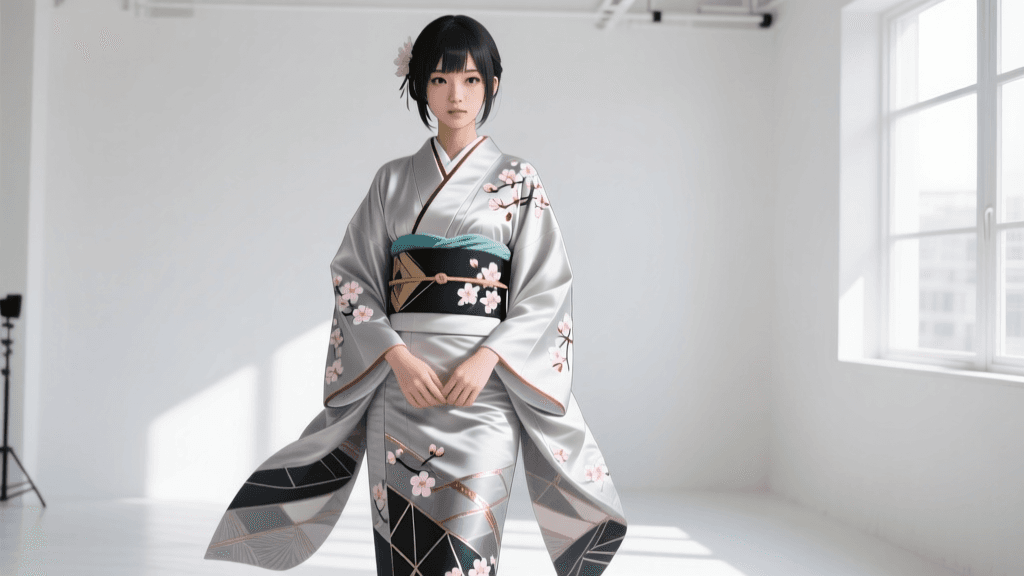
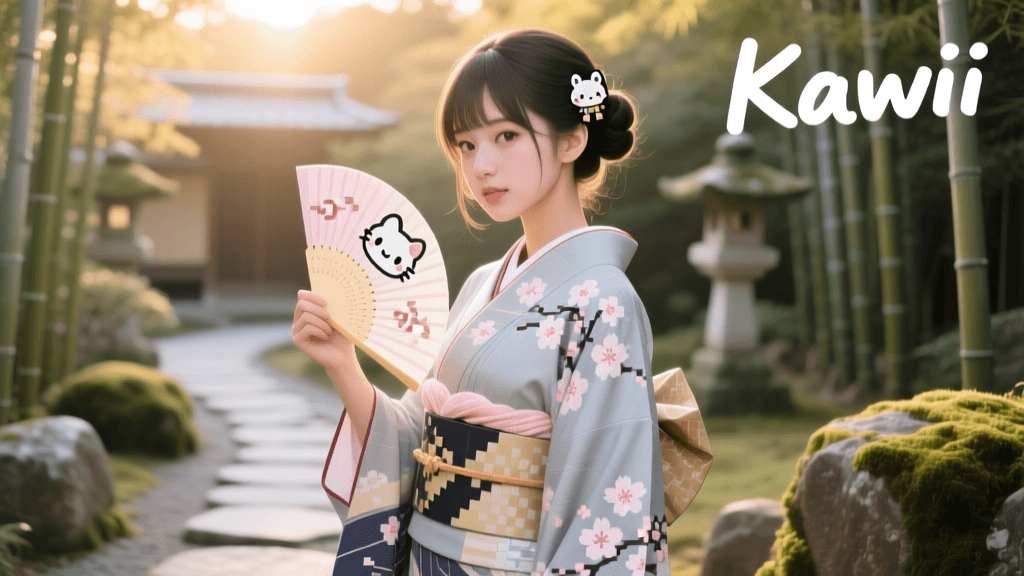
The intersection of traditional Japanese clothing and modern anime culture has birthed one of the most visually striking subcultures in global fashion. From the iconic checkered haori of Tanjiro Kamado in Demon Slayer to the intricate, historical hakama worn by the sword spirits in Touken Ranbu, anime and manga have played a pivotal role in popularizing the kimono among younger generations and international audiences. However, the influence goes far beyond direct character replication. The fusion of traditional garments with alternative street fashion has created entirely new aesthetics, most notably Wa-Lolita and Wa-Gothic styles, which blend Victorian silhouettes with traditional Japanese textiles.
According to the Victoria and Albert Museum, the kimono is not merely a historical relic but a dynamic, evolving garment that continuously absorbs and reflects contemporary pop culture, including the vibrant world of anime and manga. For cosplayers and fashion enthusiasts, understanding how to manipulate these traditional garments for convention environments requires a balance of historical respect, practical engineering, and creative styling.
Choosing the Right Garment: A Cosplayer’s Comparison Chart
When planning an anime-inspired kimono cosplay or a Wa-Lolita coordinate, selecting the correct base garment is crucial. Traditional kimono can be heavy, restrictive, and difficult to maintain in a crowded convention center. Below is a comparison chart to help you choose the right foundation for your specific anime archetype.
| Garment Type | Best Anime Archetype | Weight & Mobility | Dressing Difficulty | Average Cost (USD) |
|---|---|---|---|---|
| Yukata (Cotton) | Slice-of-life, Summer festival scenes, Gintama | Lightweight, high mobility | Easy (20-30 mins) | $40 - $90 |
| Standard Silk Kimono | Historical anime, Geisha characters, Demon Slayer | Heavy, restricted stride | Hard (60-90 mins) | $150 - $500+ |
| Hakama (Pleated Skirt) | Samurai, Shrine Maidens, Touken Ranbu, Rurouni Kenshin | Medium weight, excellent leg mobility | Medium (40 mins) | $80 - $200 |
| Wa-Lolita JSK/OP | Gothic anime, Original Wa-Lolita designs, Vocaloid | Medium (requires petticoat) | Easy (Zipper/Bow) | $120 - $300 |
Mastering the Wa-Lolita and Anime Kimono Aesthetic
Wa-Lolita (Japanese-style Lolita) is a substyle that incorporates traditional Japanese elements into the classic Lolita silhouette. If you are creating an original anime character design or adapting a traditional outfit for a more stylized, Harajuku-inspired look, specific styling techniques are required.
Layering and Silhouette
Traditional kimono rely on a straight, cylindrical silhouette achieved through padding at the waist and hips. In contrast, Wa-Lolita and anime-inspired fashion often emphasize a flared, bell-shaped skirt. To achieve this, cosplayers wear a bell-shaped or A-line petticoat underneath a modified kimono or a Wa-Lolita Jumperskirt (JSK). If adapting a real kimono, you must carefully fold and tuck the excess fabric at the waist (the ohashori) to allow the skirt to flare over the petticoat without pulling the collar open.
Obi and Accessories
The obi (sash) is the centerpiece of any kimono. A standard Maru or Fukuro obi is roughly 30cm wide and over 4 meters long, making it incredibly difficult to tie securely for a full day of walking. For anime cosplay, it is highly recommended to use a tsuke-obi (pre-tied obi). These feature a small, 15cm base that wraps around the waist, with a large, pre-structured bow that clips or ties onto the back. This saves immense time and prevents the obi from sagging during photo shoots.
Accessorizing is where the anime crossover truly shines. Swap traditional zori sandals for platform geta, lace-up Victorian boots, or thigh-high socks. Add a Western-style parasol with lace trim, and incorporate kanzashi (traditional hair ornaments) that match your character's specific anime color palette. As noted by Matcha Japan Web Magazine, while traditional rules dictate strict seasonal motifs for kanzashi, anime and cosplay fashion encourages breaking these rules to prioritize character accuracy and visual impact.
Sourcing and Budgeting for Cosplay Garments
Acquiring authentic Japanese garments for cosplay does not require a massive budget if you know where to look. Here is a practical sourcing guide:
- Online Thrift Stores: Websites like Chiyo Bridge, Yamato Japan, and eBay offer second-hand silk kimono and yukata. You can find beautiful, authentic vintage pieces with minor, hideable flaws for $30 to $80.
- Recycling Shops in Japan: If you are traveling to Japan for an event like Comiket or AnimeJapan, visit recycling shops like Chicago in Harajuku or Kyoto Kimono Rental clearance sales. Here, high-quality silk kimono can be purchased for as little as $20 to $40.
- Specialty Lolita Brands: For Wa-Lolita coordinates, brands like Bodyline, Innocent World, and Meta frequently release anime-collaboration or traditional-themed lines. Expect to spend between $150 and $300 for a complete, brand-new set.
- Haori and Happi Coats: For shonen anime characters (like Demon Slayer or Naruto), a haori or happi coat is often worn over modern clothing. These are inexpensive ($30-$60), easy to size, and require no complex dressing knowledge.
Convention Survival: Logistics, Timing, and Comfort
Wearing multiple layers of traditional or semi-traditional Japanese clothing at a massive event like Anime Expo or Comic-Con presents unique logistical challenges. Proper preparation is the difference between a successful cosplay and an exhausting ordeal.
The Dressing Timeline
Do not underestimate the time required to dress in a kimono or hakama. Even with modern cosplay shortcuts like pre-tied obi and velcro-fastened hakama ties, you must allocate a minimum of 45 to 60 minutes to dress, adjust the collar, secure the footwear, and style the wig. If you are staying at a convention hotel, lay out all your components (juban undergarment, date-eri collar, obi-ita board, koshi-himo ties) the night before in the exact order they will be put on.
Mobility and Bathroom Logistics
The traditional kimono stride is notoriously short. To navigate crowded convention halls, practice walking in your zori or geta beforehand. If wearing a hakama, be aware that the wide, pleated legs can easily catch on escalators or stray props. When using the restroom, use a large hair clip or a dedicated kimono clip to gather the sleeves and skirt fabric securely to prevent them from touching the floor.
Temperature Control
Convention centers are notoriously poorly ventilated, and a full kimono ensemble (which includes a cotton under-kimono, the main garment, the obi, and the obi padding) acts as a thermal insulator. Invest in a lightweight, moisture-wicking cooling undershirt instead of the traditional cotton juban for summer conventions. Bring a portable neck fan and freeze a small water bottle to hold against your pulse points during breaks. For winter outdoor shoots, adhesive body warmers (kairo) placed on the lower back and stomach beneath the kimono layers will provide hours of essential warmth without ruining the garment's silhouette.
Conclusion: Bridging Worlds Through Fashion
Anime and manga have served as a vital bridge, introducing millions of global fans to the beauty of traditional Japanese garments. Whether you are meticulously recreating a historical anime character's hakama, or blending a vintage silk kimono with a lace petticoat for a Wa-Lolita street snap, the key to success lies in understanding the garment's foundational structure. By respecting the traditional engineering of the kimono while adapting it with modern cosplay conveniences, you can create stunning, comfortable, and culturally appreciative fashion statements that honor both Japanese heritage and anime artistry.