Anime Cosplay Kimono Guide: Sourcing Authentic Wear
The Intersection of Traditional Japanese Garments and Anime Cosplay
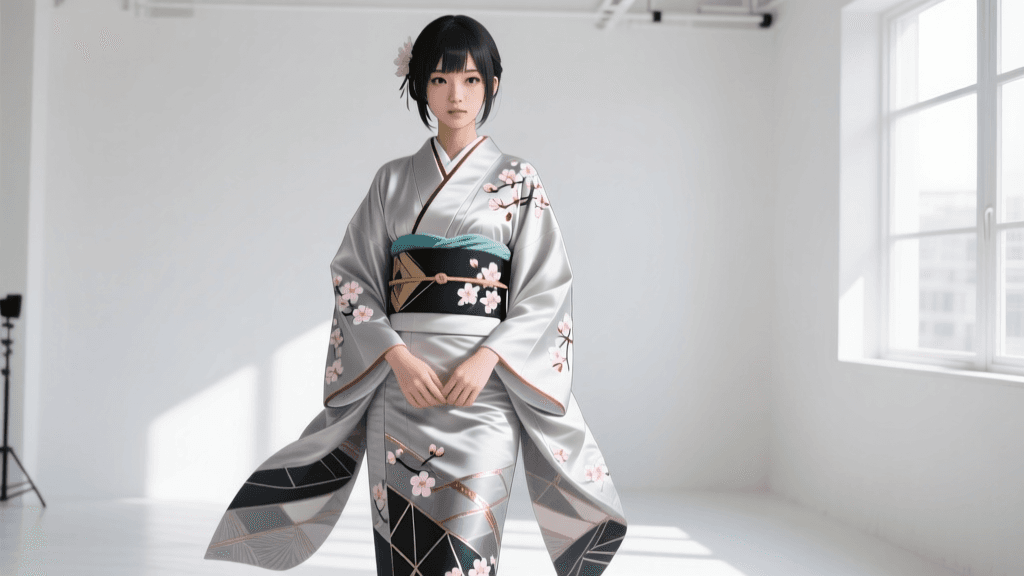
The global phenomenon of anime and manga has deeply influenced international fashion and cosplay culture. While mass-produced, polyester cosplay costumes are readily available at convention centers, a growing movement of dedicated cosplayers is turning to authentic, traditional Japanese garments to achieve unparalleled screen accuracy and textile quality. Characters from blockbuster series like Demon Slayer, Gintama, Rurouni Kenshin, and the Fate franchise frequently don kimono, yukata, haori, and hakama. Wearing real, historically constructed garments elevates a cosplay from a simple costume to a wearable piece of art.
According to the Metropolitan Museum of Art, the kimono is not merely a garment but a profound cultural canvas that reflects the social status, season, and aesthetic sensibilities of its wearer. When cosplayers adopt these garments, they participate in a living tradition. However, transitioning from modern Western clothing or cheap convention costumes to authentic Japanese dress requires specialized knowledge regarding sourcing, sizing, and the intricate art of dressing known as kitsuke.
Sourcing Authentic Kimono and Hakama for Cosplay
Finding the right garment is the first major hurdle. Authentic silk, cotton, and high-quality polyester kimono can be surprisingly affordable if you know where to look, though acquiring them requires patience and strategic planning.
Online Proxy Services and Japanese Auctions
The most cost-effective way to source authentic kimono is through Japanese second-hand markets. Platforms like Yahoo! Auctions Japan, Mercari Japan, and Rakuten host thousands of listings. Because most sellers do not ship internationally, cosplayers must use proxy shopping services such as Buyee, ZenMarket, or FromJapan.
- Cost Expectations: A basic, second-hand cotton yukata or casual synthetic kimono can be won at auction for as little as $15 to $30 USD. High-quality silk haori (jackets) typically range from $40 to $80 USD. Formal silk kimono with intricate yuzen dyeing or gold embroidery can fetch $150 to over $500 USD.
- Timing and Logistics: You must factor in domestic shipping within Japan (usually 3-5 days to the proxy warehouse) and international shipping (1-4 weeks depending on the carrier). Always begin your sourcing process at least two months before your target convention.
Specialty Retailers and Local Thrift Stores
If you live in a city with a significant Japanese diaspora, local thrift stores (such as Hard Off or Book Off in Japan, or local charity shops in areas like Little Tokyo, Los Angeles, or Sawtelle) are goldmines. For guaranteed quality and new condition, online retailers specializing in Japanese textiles, such as Ichiroya or Yamatoku, offer curated selections, though at a premium markup compared to raw auction sites.
Sizing and Measurements: Getting the Perfect Fit
Unlike Western clothing, which is tailored to hug the contours of the body, traditional Japanese garments are constructed from straight bolts of fabric (tanmono). The fit is adjusted during the dressing process. As highlighted by the Victoria and Albert Museum, the kimono's structural geometry allows it to be worn by individuals of varying body types, provided the fundamental width and length parameters are met.
For cosplayers, understanding three key measurements is vital: Yuki (sleeve and shoulder span), Mitake (back length), and Okumi (front panel width). Below is a comparison chart to help you translate traditional sizing into cosplay adjustments.
| Measurement Term | Traditional Standard | Cosplay Adjustment Strategy |
|---|---|---|
| Yuki (Sleeve/Shoulder) | Matches the wearer's arm span divided by two, plus neck width. | If the sleeves are too long, use a koshihimo (tie) to fold and secure the excess fabric at the shoulder, creating a deeper tucks fold. |
| Mitake (Back Length) | Should equal the wearer's height from the base of the neck to the ankle. | Kimono are meant to be folded at the waist. Cosplayers must create an ohashori (waist fold) to adjust the hemline to the ankle. |
| Hip/Width | The hem width should be roughly 1.5 times the wearer's hip measurement. | If the kimono is too narrow, it will pull open. Cosplayers should wear dark, form-fitting leggings underneath to maintain modesty and character accuracy. |
| Hakama Length | Measured from the navel to the top of the ankle bone. | Hakama cannot be folded at the waist. If too long, cosplayers must hem the bottom or wear elevated geta sandals to prevent tripping. |
The Art of Kitsuke: Essential Tools for the Cosplayer
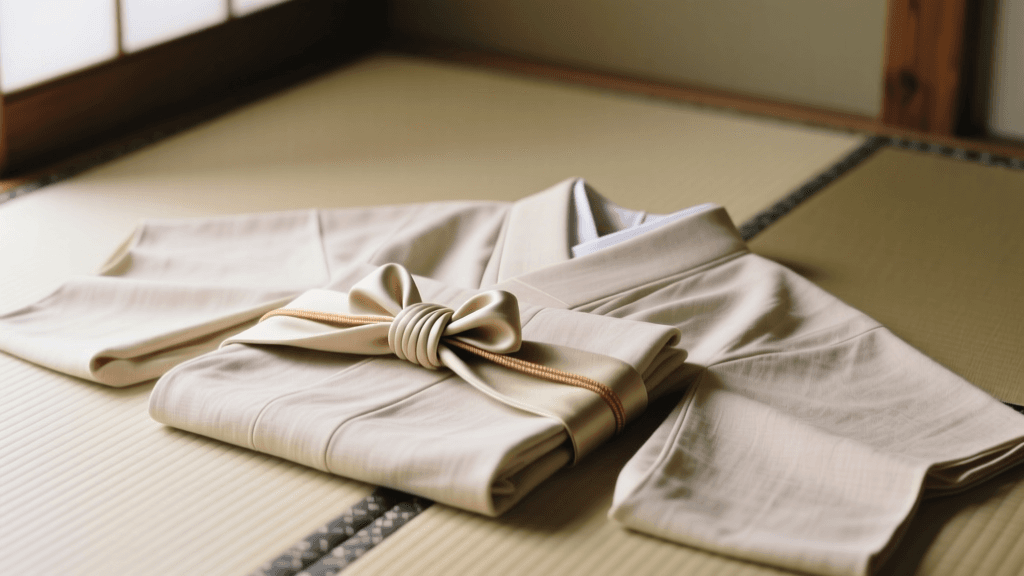
You cannot simply slip a kimono on like a bathrobe. Kitsuke is the traditional art of dressing, and achieving the sleek, cylindrical silhouette seen in anime requires specific undergarments and tools. The Kyoto Costume Institute notes that the foundation layers are just as critical to the historical silhouette as the outer garment.
To properly dress for an anime cosplay, you will need to acquire the following kitsuke tools:
- Hadajuban and Susoyoke: The base layer of underclothes. For budget cosplayers, a tight tank top and leggings can substitute, though traditional cotton absorbs sweat and protects expensive silk.
- Nagajuban: The under-kimono. This provides the crisp white collar (han-eri) that peeks out at the neckline, a hallmark of accurate anime character design.
- Koshihimo: Long, thin cotton ties used to secure the kimono and create the waist fold. You will need at least three to four of these.
- Datejime: A wide, elastic or silk sash tied over the koshihimo to flatten the waist and provide a smooth base for the obi.
- Obi Ita: A stiff board inserted into the obi sash to prevent it from wrinkling when tied.
- Obijime and Obidome: The decorative cord and clasp that secure the obi. This is where cosplayers can inject character-specific flair, such as using a custom 3D-printed obidome shaped like a Demon Slayer corps kanji or a Fate servant crest.
Styling Iconic Anime Characters with Real Garments
Adapting real garments to match 2D character designs requires creative styling. Here is how to approach three popular archetypes using authentic pieces.
The Shonen Protagonist: Tanjiro Kamado (Demon Slayer)
Tanjiro's iconic look consists of a dark, muted kimono base layered with an ichimatsu (checkerboard) patterned haori. Sourcing an authentic black and green ichimatsu haori is highly feasible on Yahoo Auctions. Instead of buying a pre-made cosplay uniform, purchase a standard black cotton yukata and layer the vintage silk haori over it. Secure the haori with traditional haori himo (braided front ties) rather than sewing it shut, allowing for dynamic movement during convention photoshoots.
The Wandering Swordsman: Kenshin Himura (Rurouni Kenshin)
Kenshin's Meiji-era attire relies heavily on the hakama and a white gi (martial arts top). For historical accuracy, avoid shiny satin cosplay fabrics. Source a heavyweight cotton or hemp martial arts hakama in deep indigo or black. The stiffness of real hemp holds the dramatic, pleated silhouette far better than polyester. Pair this with a white cotton juban and a simple, dark cotton obi tied in a straightforward knot at the back.
The Elegant Magical Girl: Mami Tomoe (Puella Magi Madoka Magica)
While Mami's outfit is a magical girl fantasy, its foundation is heavily inspired by Edo-period formal wear, specifically the furisode (long-sleeved kimono). To replicate this, look for a vibrant, floral-printed synthetic furisode. The massive sleeves will require careful management using tamote (sleeve holders) to keep them out of the way during combat poses, while still allowing them to drape elegantly in static shots.
'The beauty of the kimono lies in its ability to transform the wearer. When a cosplayer dons a genuine silk garment, they inherit the weight, the drape, and the history of the textile, which fundamentally changes their posture and performance.' — Traditional Japanese Textile Conservator
Practical Tips: Footwear, Accessories, and Maintenance
No traditional Japanese cosplay is complete without proper footwear. Zori (flat sandals) and geta (wooden clogs) are sized in centimeters and are meant to be worn with the heel slightly hanging off the back edge. Always purchase split-toe tabi socks. White cotton tabi are standard for formal wear, while black or patterned tabi suit stealth or combat characters. Expect to spend around $15 to $25 for a good pair of stretch-toe tabi, which are much more comfortable for walking across convention center floors than traditional stiff cotton.
Garment Care and Convention Survival
Authentic silk kimono are highly susceptible to water spots and sweat damage. If you are cosplaying in a humid environment or during summer conventions, wear a sweat-wicking undershirt and use dress shields in the underarms. Never attempt to machine wash a silk kimono. Spot clean minor stains with a damp cloth and mild detergent, but rely on professional kimono cleaners (arai-hari services) for deep cleaning. When storing your garments between conventions, never use wire hangers, as they will distort the shoulder seams. Fold the kimono along its natural seam lines and store it flat in a breathable, acid-free paper sleeve or a traditional tato paper wrapper.
Conclusion
Embracing authentic Japanese garments for anime and manga cosplay is a rewarding endeavor that bridges the gap between pop culture and historical tradition. By understanding the nuances of proxy sourcing, mastering the fundamentals of kitsuke, and respecting the textiles, cosplayers can achieve a level of sartorial authenticity that mass-produced costumes simply cannot replicate. Whether you are wielding a Nichirin blade or attending a formal convention banquet, wearing a true kimono connects you to centuries of Asian textile heritage.