Traditional Chinese Wedding Attire: Qun Kwa vs Xiu He Fu
The Evolution of Chinese Bridal Elegance
The modern Chinese wedding is a beautiful tapestry of ancient customs and contemporary celebrations. While many brides opt for a Western-style white gown for the main banquet, the traditional tea ceremony and morning gate-crashing games demand authentic cultural attire. For brides honoring their heritage, the choice usually narrows down to two iconic garments: the structured, heavily embroidered Qun Kwa and the flowing, romantic Xiu He Fu. Understanding the historical nuances, structural differences, and practical considerations of each is essential for any bride planning her traditional Chinese wedding wardrobe.
The Heritage of the Qun Kwa
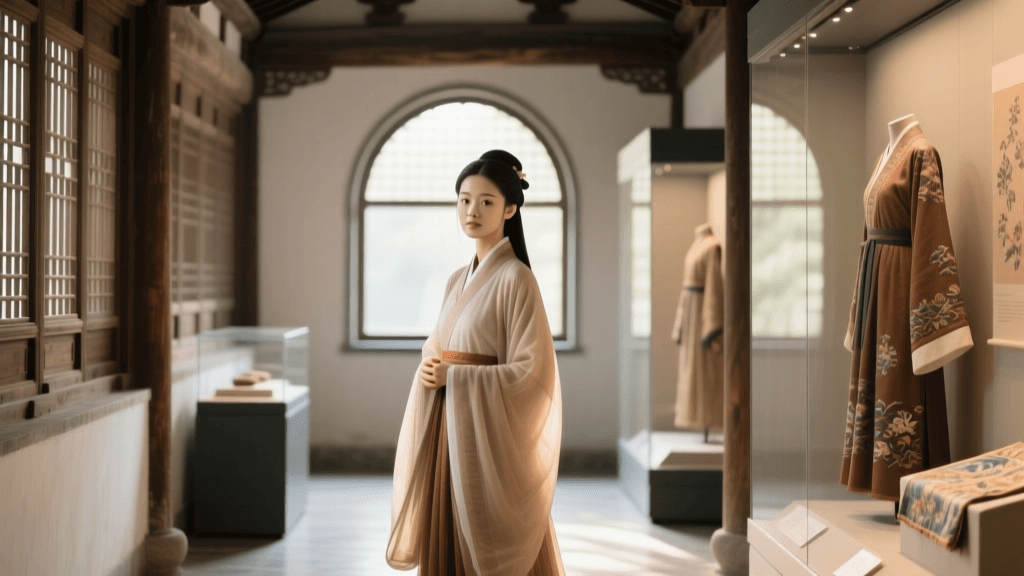
Originating from the Guangdong province during the Qing Dynasty, the Qun Kwa (also spelled Kwa or Kua) is a two-piece ensemble consisting of a tailored jacket and a straight, column-like skirt. The word 'Kwa' refers to the jacket, which is historically the centerpiece of the outfit. According to textile historians at the Victoria and Albert Museum, traditional Chinese ceremonial garments were heavily regulated by sumptuary laws, but as these relaxed in the late Qing and early Republic eras, wealthy families began commissioning elaborate, gold-and-silver-threaded wedding garments that mimicked imperial aesthetics.
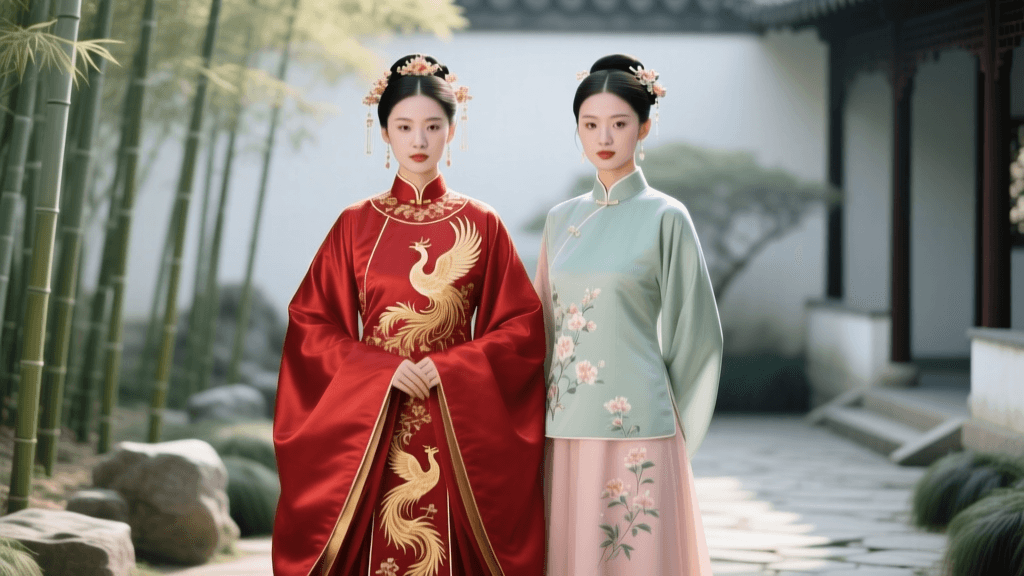
The defining characteristic of a Qun Kwa is its embroidery density. The most prestigious tier is the 'Xiao Wu Fu', where the embroidery is so dense that the underlying red silk is barely visible. This level of craftsmanship requires thousands of hours of hand-embroidery using gold and silver bullion thread, often taking master artisans up to a year to complete. The primary motif is almost always the Dragon and Phoenix, symbolizing the balance of yin and yang and the harmonious union of the bride and groom.
The Romantic Allure of the Xiu He Fu
In contrast to the rigid structure of the Qun Kwa, the Xiu He Fu offers a softer, more forgiving silhouette. Interestingly, the Xiu He Fu is not a direct historical artifact but rather a modern adaptation of traditional Han Chinese clothing from the Ming and Qing dynasties. It gained massive popularity in the early 2000s after the protagonist, Xiu He, wore a similar garment in the hit television drama 'Orange Turned Red'.
The Xiu He Fu features an A-line, pleated skirt that flares out beautifully, making it highly practical for sitting, kneeling during the tea ceremony, and moving around the bridal suite. The jacket typically features a stand collar and wide, flowing sleeves that can be folded back to reveal contrasting silk linings. The embroidery on a Xiu He Fu is generally less dense than a Qun Kwa, utilizing colorful silk threads rather than heavy metallic bullion. For a deeper understanding of the symbolism embedded in these wedding customs and garments, resources like China Highlights provide excellent cultural context regarding the traditional Chinese tea ceremony and its associated attire.
Qun Kwa vs. Xiu He Fu: A Comprehensive Comparison
To help brides make an informed decision, here is a structured comparison of the two garments across key ceremonial and practical metrics.
| Feature | Qun Kwa | Xiu He Fu |
|---|---|---|
| Origin & Era | Guangdong, Qing Dynasty | Modern adaptation of Ming/Qing Hanfu |
| Silhouette | Straight column skirt, tailored boxy jacket | Flared A-line pleated skirt, relaxed jacket |
| Embroidery Thread | Gold and silver metallic bullion | Colorful silk threads, occasional metallic accents |
| Primary Motifs | Dragon and Phoenix (Longfeng) | Peonies, lotuses, butterflies, cranes |
| Weight & Comfort | Heavy, stiff, restrictive movement | Lighter, flowing, highly comfortable |
| Best Suited For | Formal photographs, grand entrances | Tea ceremony, kneeling, active morning games |
Decoding Traditional Bridal Embroidery Motifs
In Chinese culture, every stitch tells a story, and no motif is chosen by accident. When selecting your Qun Kwa or Xiu He Fu, understanding the symbolism can help you align your garment with your personal wishes for the marriage.
- The Dragon and Phoenix: The ultimate symbol of marital harmony. The dragon represents the groom (yang), and the phoenix represents the bride (yin). Together, they signify a balanced, prosperous union.
- Peonies: Known as the 'King of Flowers,' peonies represent wealth, honor, and high social status. They are heavily featured in Xiu He Fu designs to wish the couple a prosperous future.
- Bats: In Mandarin, the word for bat sounds identical to the word for good fortune. Five bats embroidered together represent the 'Five Blessings': longevity, wealth, health, virtue, and a peaceful life.
- Lotus and Carp: The lotus represents purity and fidelity, as it rises unblemished from muddy waters. When paired with a carp, it symbolizes abundance and the wish for the couple to have many children.
Actionable Guide: Timelines, Costs, and Measurements
Securing the perfect traditional Chinese wedding dress requires careful planning. Whether you are buying a bespoke piece or renting from a bridal boutique, adhere to the following actionable guidelines:
- Timing: If commissioning a custom, hand-embroidered Qun Kwa, you must begin the process 8 to 12 months before your wedding date. For renting or buying off-the-rack, schedule your boutique appointments 3 to 4 months in advance to allow time for alterations.
- Measurements: The Qun Kwa requires precise tailoring. You will need exact measurements for your bust, natural waist, hips, shoulder width, and wrist-to-shoulder arm length. Because the jacket is structured, even a half-inch discrepancy can cause the collar to gap or the shoulders to pull. The Xiu He Fu is more forgiving due to its relaxed fit and pleated skirt, requiring primarily waist and bust measurements.
- Costs (USD Estimates):
- Rental: $150 to $600 for a weekend rental, depending on the embroidery density and boutique location.
- Machine-Embroidered Purchase: $300 to $800. Ideal for brides on a budget who still want the traditional aesthetic.
- Hand-Embroidered Purchase: $1,500 to $5,000+ for a standard hand-embroidered Qun Kwa. A true 'Xiao Wu Fu' can easily exceed $10,000 and is often treated as a family heirloom.
- Undergarments: Avoid padded bras or modern shapewear that alters your natural silhouette, especially for the Qun Kwa. Opt for seamless, nude-colored undergarments. Traditional brides often wear a red silk camisole underneath for modesty and luck.
Accessorizing Your Traditional Bridal Look
The garment is only half of the bridal vision; traditional Chinese wedding accessories carry profound symbolic weight. For the Qun Kwa, the neckline is usually high and heavily embroidered, meaning necklaces are often omitted to avoid cluttering the design. Instead, the focus shifts to the hair and wrists. Brides typically wear their hair in an elaborate updo, secured with gold or jade hairpins featuring dangling pearls.
Gold bangles, known as 'Dragon and Phoenix bracelets,' are a mandatory accessory, often gifted by the groom's parents during the betrothal ceremony. It is not uncommon for a bride to wear anywhere from four to twenty heavy gold bangles stacked on her arms. For footwear, red silk flats embroidered with double happiness symbols or lotuses are standard. Ensure you purchase these shoes a half-size up if you plan to wear them for more than four hours, as traditional silk flats lack modern arch support.
Ultimately, the choice between the regal Qun Kwa and the romantic Xiu He Fu depends on your personal style, the physical demands of your wedding day schedule, and your budget. Many modern brides choose to wear the Xiu He Fu for the morning gate-crashing games and the intimate family tea ceremony, before changing into a Qun Kwa or a Western white gown for the grand evening banquet. By understanding the rich history and practical realities of these garments, you ensure that your wedding attire honors your heritage while allowing you to celebrate comfortably and beautifully.