A Guide To China's Best Hanfu Museums & Heritage Sites
The Renaissance of Hanfu in Museum Spaces
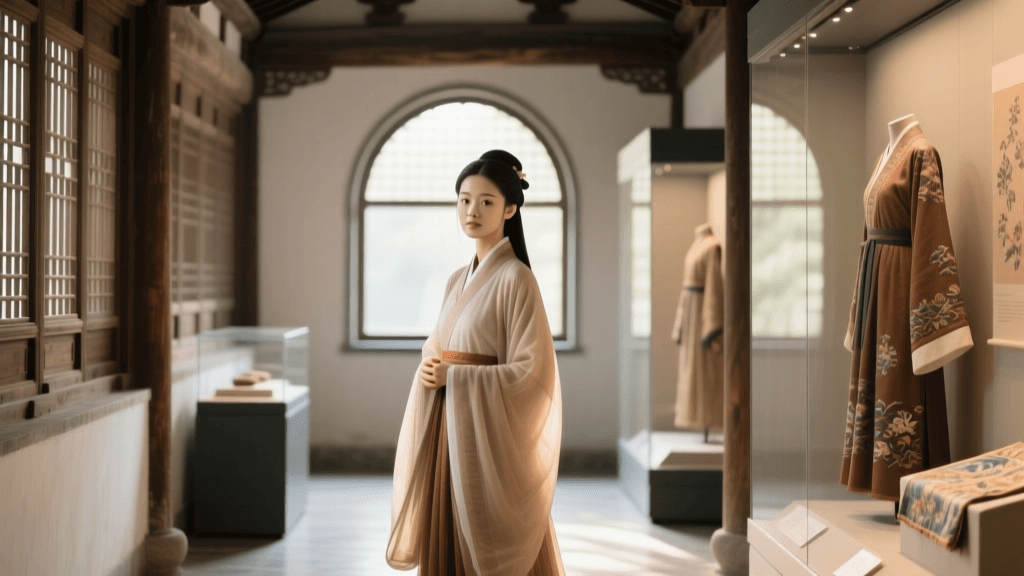
The global resurgence of Hanfu—the traditional clothing of the Han Chinese people—has sparked a profound interest in the historical, structural, and artistic foundations of Asian garments. While social media and street fashion have popularized the aesthetic, the true depth of traditional Chinese textile heritage is preserved within the quiet, climate-controlled halls of the nation's premier museums. For enthusiasts, historians, and travelers, visiting these heritage sites offers an unparalleled opportunity to study the evolution of structural layering, seasonal fabric choices, and the intangible heritage crafts that defined imperial and pre-imperial fashion.
This comprehensive guide explores the most significant Hanfu and textile museums in China, providing actionable travel advice, exhibition highlights, and insights into the meticulous conservation efforts that protect these fragile masterpieces for future generations.
Top Hanfu and Textile Heritage Sites in China
China National Silk Museum (Hangzhou)
Located near the scenic West Lake, the China National Silk Museum is the largest silk-themed museum in the world and an essential pilgrimage site for traditional garment enthusiasts. The museum's extensive archives trace the evolution of sericulture and weaving techniques from the Neolithic era to the Ming and Qing dynasties. The permanent exhibition features meticulously recreated Hanfu silhouettes, showcasing the transition from the deep, wrapping robes of the Han Dynasty to the elaborate, pleated Mamianqun (horse-face skirts) of the Ming era. The museum also houses working replicas of ancient drawlooms, allowing visitors to witness the mechanical complexity behind intricate brocades.
Hunan Museum (Changsha)
The Hunan Museum is world-renowned for its Mawangdui Han Dynasty Tombs exhibition, which houses some of the most miraculously preserved ancient textiles on the planet. The crown jewel for Hanfu historians is the Plain Gauze Gown (Suyin Shayi). Weighing a mere 49 grams and folding into the size of a matchbox, this 2,000-year-old garment demonstrates the staggering sophistication of early Chinese silk weaving. Studying the gown's structural layering and the translucent gauze fabric provides critical insight into the seasonal fabric choices and summer layering techniques utilized by the ancient elite.
Shanghai Museum (Textile & Costume Gallery)
The Shanghai Museum is celebrated for its rigorous academic approach to artifact curation. Its textile gallery frequently rotates exhibitions focusing on specific dynastic periods, offering deep dives into the embroidery, dyeing, and formal etiquette protocols associated with traditional garments. The museum's lighting and flat-mounting conservation techniques are considered industry gold standards, allowing visitors to examine the microscopic details of Song Dynasty brocades and the vibrant, natural dyes used in children's festival garments and rites-of-passage attire.
Chengdu Shu Brocade Museum
Shu brocade is one of the Four Famous Brocades of China, and this specialized museum in Chengdu is dedicated entirely to its preservation. The museum bridges the gap between historical artifact and living heritage. Visitors can observe master artisans operating traditional wooden looms, creating the vibrant, heavy fabrics historically reserved for winter Hanfu outer layers and formal court attire. The on-site boutique also offers ethically produced, historically accurate fabric yardage for bespoke Hanfu tailoring.
Museum Comparison Chart
| Museum Name | Location | Primary Textile Focus | Estimated Ticket Cost | Best Time to Visit |
|---|---|---|---|---|
| China National Silk Museum | Hangzhou, Zhejiang | Comprehensive Silk History, Looms | Free (Reservation required) | Spring (March-May) |
| Hunan Museum | Changsha, Hunan | Han Dynasty Gauze, Tomb Textiles | Free (Reservation required) | Autumn (Sept-Nov) |
| Shanghai Museum | Shanghai | Ming/Qing Embroidery, Etiquette | Free (Reservation required) | Year-round (Weekdays) |
| Chengdu Shu Brocade Museum | Chengdu, Sichuan | Shu Brocade, Living Heritage | ~50 RMB ($7 USD) | Autumn/Winter |
What to Look for in Traditional Garment Exhibitions
Structural Layering and Silhouettes
When observing historical Hanfu, pay close attention to the structural layering. Unlike Western historical garments that relied on corsetry and rigid understructures, traditional Chinese clothing achieved its silhouette through the strategic layering of flat-cut fabrics. Look for the interplay between the inner garments (Zhongyi), the primary robes or jackets (Ru or Ao), and the outer skirts (Qun). Notice how the cross-collars (Jiaoling Youren) are always folded left over right, a strict etiquette protocol that signifies life and civilization, whereas the reverse was reserved for burial garments.
Weaving Techniques and Conservation
Textile conservation is a delicate science. Silk is highly susceptible to photodegradation. You will notice that museum galleries dedicated to ancient garments are kept at a dim 50 lux or lower. The UNESCO Intangible Cultural Heritage list recognizes the immense skill required in traditional sericulture and silk craftsmanship, and museums go to great lengths to preserve these fragile threads. Look for the contrast between warp-faced weaves (like damask) and weft-faced weaves (like brocade), and observe how natural dyes—such as indigo, madder root, and rattan yellow—have faded or oxidized over centuries.
'To understand the philosophy of ancient China, one must look at the loom. The warp represents the heavens, unyielding and foundational; the weft represents the earth, weaving through to create the tapestry of human life and society.'
Practical Guide for Museum Visitors
Visiting museums in China requires some advance logistical planning, particularly for international travelers. Here is actionable advice to ensure a seamless experience:
- Booking Protocols: Most major Chinese museums, including the China National Silk Museum and Shanghai Museum, require advance reservations via their official WeChat Mini-Programs. International visitors must use their passport numbers to book slots, which often open 3 to 7 days in advance and sell out within minutes.
- Photography Rules: Flash photography is strictly prohibited in all textile galleries to prevent light damage to the silk proteins. Tripods and selfie sticks are generally banned. Use a camera with good low-light capabilities and a fast lens (e.g., f/1.8) to capture embroidery details without flash.
- Guided Tours and Audio: While English audio guides are available at the Shanghai Museum and Hunan Museum, they often lack deep technical vocabulary regarding garment construction. Consider hiring a specialized local art history guide or downloading translation apps to read the detailed Mandarin placards, which often contain vital information about fabric weights and dynastic sumptuary laws.
- Accessibility and Timing: Major museums are wheelchair accessible, but the sheer size of complexes like the Hunan Museum requires comfortable walking shoes. Arrive right at opening time (usually 9:00 AM) to view the most popular artifacts, like the Mawangdui textiles, before crowds gather and obstruct the viewing glass.
Global Exhibitions and Digital Archives
For those unable to travel to China, the study of Hanfu and traditional Asian garments is increasingly supported by global institutions. The Metropolitan Museum of Art's Asian Art department frequently hosts rotating exhibitions that feature Ming and Qing dynasty textiles, offering Western audiences a chance to study the structural integrity of traditional robes up close. Similarly, the Victoria and Albert Museum's Asian collections in London house an extraordinary archive of Chinese silk dragon robes and informal court jackets, complete with high-resolution digital archives that allow researchers to zoom in on individual stitch work and gold-leaf couching techniques.
Whether you are walking the dimly lit, reverent halls of the Hunan Museum or studying high-definition digital scans from global archives, engaging with these heritage sites deepens our appreciation for the artistry, engineering, and cultural philosophy woven into every thread of traditional Asian garments.