The Haori Revival: Styling Traditional Japanese Jackets in Streetwear
The Neo-Traditional Wave: Harajuku Meets Heritage
The intersection of traditional Japanese garments and global streetwear has birthed one of the most compelling fashion movements of the decade. Nowhere is this more evident than in the modern revival of the haori, a traditional Japanese hip- or thigh-length kimono-style jacket. Once reserved for formal ceremonies, samurai armor layering, or chilly evenings over a yukata, the haori has been reclaimed by streetwear aficionados, vintage collectors, and avant-garde designers alike. From the bustling vintage shops of Tokyo’s Shimokitazawa district to the high-fashion runways of Paris, the haori is no longer just a relic of the Edo period; it is a dynamic canvas for contemporary self-expression.
What is a Haori? A Brief Historical Context
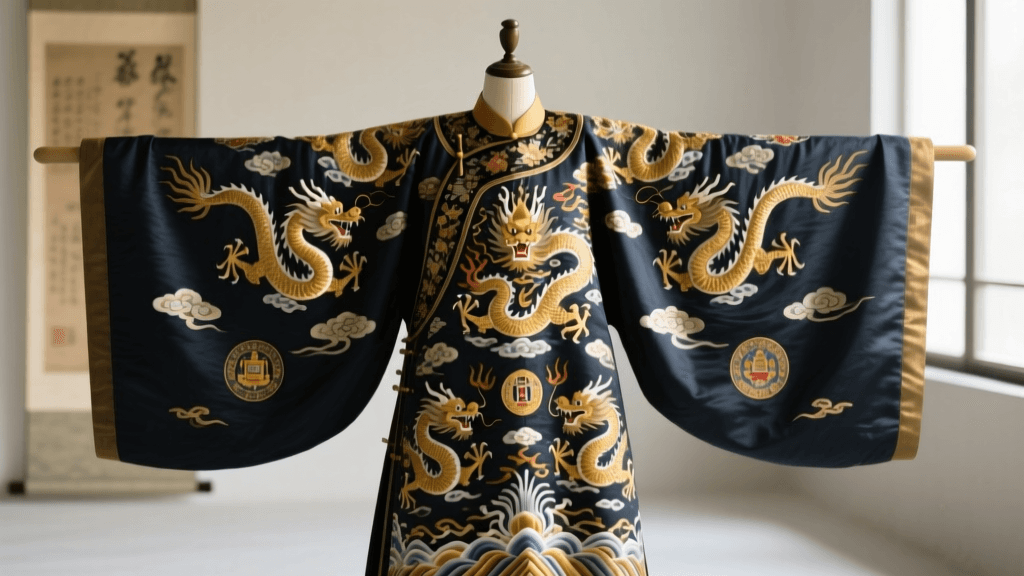
To understand the haori’s modern appeal, one must first appreciate its origins. Historically, the haori was worn over the kimono to provide warmth or to display the family crests (kamon) of the samurai class during the Edo period (1603–1867). According to the Metropolitan Museum of Art, the evolution of Japanese outerwear was deeply tied to social stratification and sumptuary laws, which dictated who could wear luxurious silk weaves and intricate dyeing techniques like yuzen.
One of the most fascinating aspects of the haori is the haori-gi, the inner lining. During the Edo period, strict sumptuary laws prohibited the merchant class from wearing flashy outer garments. In response, wealthy merchants commissioned incredibly intricate, hand-painted silk linings that were hidden from public view, revealing their wealth only in private or when the jacket was removed. This concept of iki—an understated, hidden elegance—resonates deeply with modern streetwear's obsession with subtle details and inside-out construction.
As Japan modernized during the Meiji Restoration, the haori transitioned from a strict class signifier to a more ubiquitous garment worn by both men and women. Today, institutions like the Victoria and Albert Museum highlight how these garments serve as historical textiles that bridge Japan’s feudal past with its rapidly industrializing future. In contemporary street fashion, the haori’s open front, wide sleeves, and striking back panels offer a silhouette that perfectly complements the oversized, layered aesthetics of modern urban wear.
The Streetwear Crossover: Why the Haori Works Today
Streetwear is fundamentally about subversion, silhouette, and storytelling. The haori excels in all three. Unlike the restrictive, tightly bound obi of a full kimono ensemble, the haori is inherently relaxed. It is designed to be worn open, allowing for dynamic movement and effortless layering over hoodies, graphic tees, or even tailored suits. Furthermore, the global fascination with Japanese Americana and workwear has paved the way for traditional garments to enter the daily rotation of sneakerheads and fashion enthusiasts. The Japan Times noted that the global exhibition of kimono and related garments has sparked a renewed international interest in how traditional Japanese textiles can be deconstructed and reimagined for modern wardrobes.
Actionable Guide: Sourcing and Sizing Your Vintage Haori
Buying a vintage haori requires a different approach than purchasing Western outerwear. Traditional Japanese garments are not sized by Small, Medium, or Large. Instead, they are measured flat. When hunting for a haori in vintage shops in Koenji or online via Yahoo Auctions Japan and Etsy, you must rely on three critical measurements:
| Measurement Term | Description | Ideal Streetwear Range (Men/Unisex) | Ideal Streetwear Range (Women) |
|---|---|---|---|
| Katahaba (Shoulder Width) | Measured straight across the back from shoulder seam to seam. | 60 cm - 68 cm (23.5 - 26.5 in) | 55 cm - 62 cm (21.5 - 24.5 in) |
| Yuki (Sleeve Length) | Measured from the center back of the neck, across the shoulder, down to the sleeve hem. | 75 cm - 85 cm (29.5 - 33.5 in) | 70 cm - 80 cm (27.5 - 31.5 in) |
| Mitake (Back Length) | Measured from the base of the collar down the center back to the bottom hem. | 80 cm - 95 cm (31.5 - 37.5 in) | 75 cm - 88 cm (29.5 - 34.5 in) |
Costs and Where to Buy
- Budget ($20 - $50): Synthetic or polyester haori from the 1980s and 90s. These are durable, machine-washable, and great for beginners. Look on Etsy or local thrift stores.
- Mid-Tier ($60 - $150): Vintage silk haori with subtle patterns or woven textures. Often found in specialized online vintage kimono shops or Tokyo flea markets like the Oedo Antique Market.
- Investment ($200 - $600+): Hand-painted yuzen silk, shibori tie-dye, or vintage cotton haori featuring intricate family crests and pristine haori-gi (inner lining art).
Styling the Haori: 3 Modern Streetwear Formulas
Integrating a traditional garment into a modern wardrobe requires balancing proportions. Because the haori is boxy and features wide, dropped sleeves, the rest of your outfit should provide structural contrast or complementary volume.
Formula 1: The Techwear Samurai
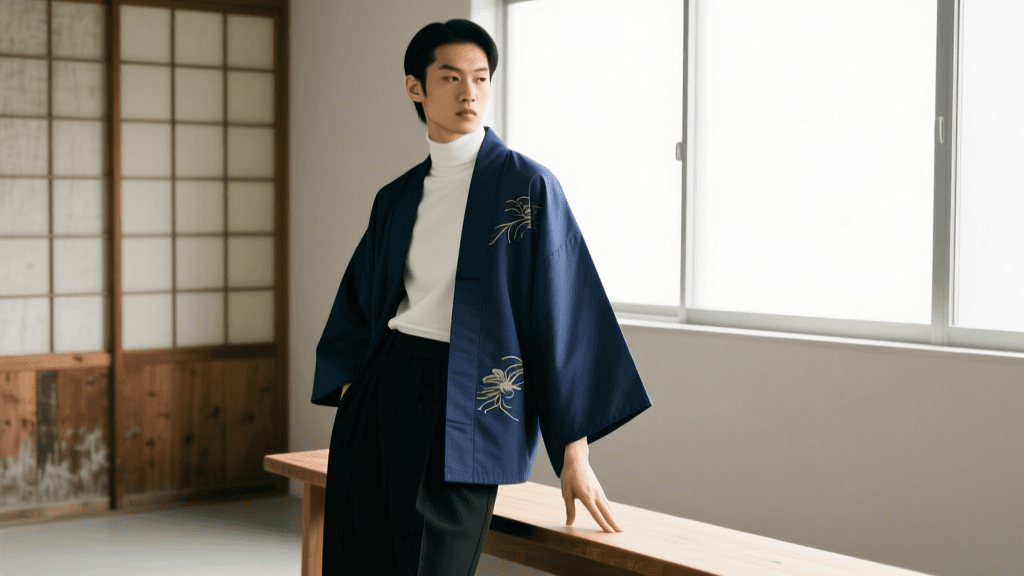
Pair a dark, solid-colored or subtly patterned silk haori with modern techwear staples. Think tapered cargo pants from brands like Acronym or Nike ACG, a fitted mock-neck long-sleeve top, and aggressive trail sneakers like the Salomon XT-6. The contrast between the fluid, ancient drape of the silk and the hyper-modern, utilitarian nylon of the pants creates a striking cyberpunk aesthetic.
Formula 2: The Vintage Americana Crossover
Japanese streetwear has a deep love affair with vintage Americana. Lean into this by layering a heavier, cotton-lined winter haori over a faded Carhartt Detroit jacket or a classic denim trucker jacket. Combine this with wide-leg selvedge denim (like Levi's Vintage Clothing 1955 501s) and chunky Red Wing Iron Ranger boots. Accessories play a vital role here; consider adding a braided haori-himo (the traditional front tie) made from modern materials like paracord or leather, replacing the traditional silk cords to further bridge the gap between Edo-period craftsmanship and modern utility.
Formula 3: The Summer Breeze (Yukata Style)
For warmer months, source a lightweight, unlined linen or sheer ro (summer weave) haori. Wear it open over a high-quality, heavyweight white pocket tee and wide-leg pleated trousers. Finish the look with minimalist leather sandals or classic New Balance 990v5 sneakers. This look mimics the relaxed, breathable nature of summer festival wear while remaining perfectly suited for an urban coffee run or art gallery opening.
Caring for Vintage Silk and Polyester Haori
Proper maintenance is crucial to preserving the integrity of vintage textiles. If you purchase a polyester haori, it can generally be hand-washed in cold water with a mild detergent and air-dried in the shade. However, vintage silk requires strict adherence to traditional care methods:
- Never Machine Wash: Water can cause the silk fibers to shrink and the delicate dyes to bleed.
- Airing Out: After wearing, hang the haori in a well-ventilated, shaded area for a few hours to release moisture and odors. Direct sunlight will rapidly fade natural dyes.
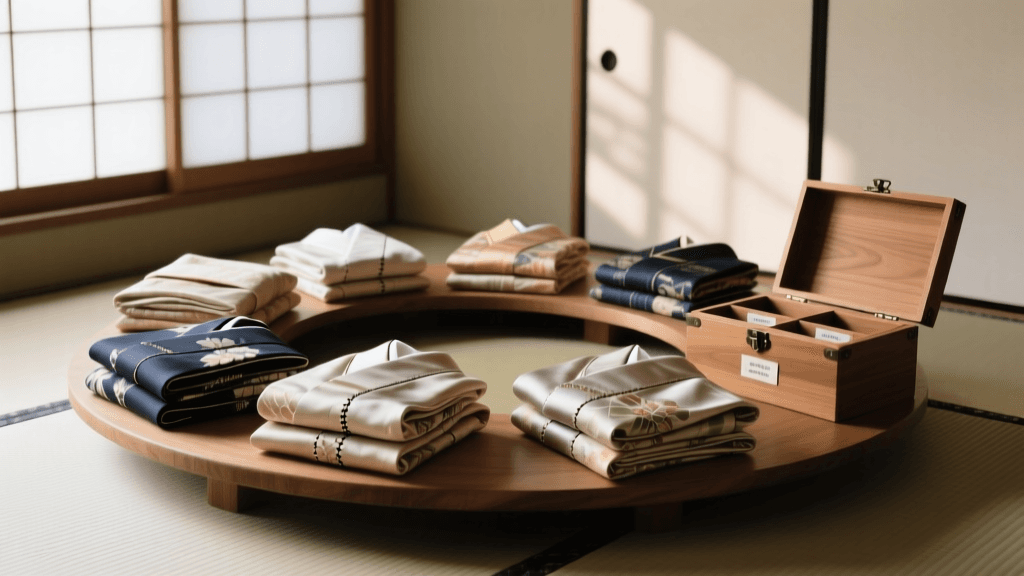
- Storage: Do not store silk haori on Western wire hangers, as they will distort the shoulder seams. Use a specialized, wide wooden kimono hanger (emonkake). For long-term storage, fold the haori along its original seam lines and wrap it in tatou-shi (acid-free Japanese tissue paper) inside a breathable cotton storage bag.
- Spot Cleaning: For minor stains, use a soft, dry brush. For oil or deep stains, take the garment to a dry cleaner who specializes in traditional Japanese garments (kimono arai), as standard chemical dry cleaning can strip the silk of its natural luster.
Conclusion
The revival of the haori in modern street fashion is a testament to the timelessness of Japanese design. By understanding its historical roots, mastering the unique sizing metrics, and thoughtfully integrating it into contemporary silhouettes, fashion enthusiasts can honor the craftsmanship of the past while pushing the boundaries of modern style. Whether draped over a vintage denim jacket or paired with cutting-edge techwear, the haori remains a powerful symbol of cultural continuity and sartorial innovation.