The Modern Yukata: A Guide to Casual Japanese Summer Wear
The Evolution of the Yukata: From Bathrobe to Streetwear
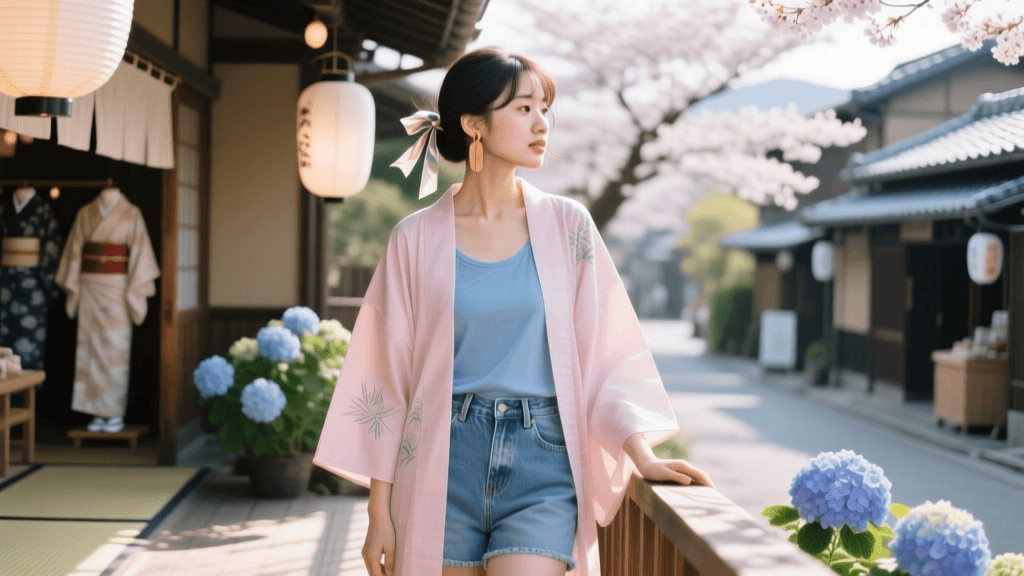
When navigating the vibrant summer festivals of Japan, few garments are as ubiquitous and visually striking as the yukata. Originally conceived during the Heian period (794–1185) as a lightweight linen bathrobe known as a yu-katabira, the garment was worn by aristocrats to protect their skin from steam in traditional baths. However, as bathing customs evolved and cotton became more accessible during the Edo period (1603–1867), the yukata transformed into everyday casual streetwear. Today, it stands as the ultimate symbol of Japanese summer fashion, offering a breathable, accessible, and deeply cultural alternative to the highly formal silk kimono.
According to the Victoria and Albert Museum, the democratization of cotton textiles in the Edo period allowed commoners to adopt the yukata for evening strolls and local festivals, cementing its status as casual wear. Unlike its formal counterparts, the modern yukata is designed for ease of use, making it an excellent entry point for anyone interested in incorporating traditional Japanese garments into their everyday wardrobe.
Yukata vs. Kimono: Understanding the Differences
While often mistakenly referred to as a "summer kimono" by tourists, the yukata is a distinct category of clothing with its own rules, fabrics, and styling conventions. Understanding these differences is crucial for wearing the garment appropriately in casual settings.
| Feature | Yukata (Casual) | Formal Kimono |
|---|---|---|
| Material | Cotton, Hemp, Polyester blends | Silk, Brocade, Fine Wool |
| Undergarments | Worn directly over basic modern undergarments or a lightweight slip (hadajuban) | Requires multiple layers, including nagajuban (under-kimono) |
| Collar Style | Single layer collar | Layered collar (showing the under-kimono) |
| Footwear | Bare feet in wooden geta sandals | Tabi socks with zori sandals |
| Average Cost | $40 - $150 (6,000 - 22,000 JPY) | $300 - $5,000+ (45,000 - 750,000+ JPY) |
| Formality | Casual, summer festivals, lounging, onsen resorts | Weddings, tea ceremonies, formal gatherings |
The Metropolitan Museum of Art notes that the structural simplicity of the yukata—specifically its lack of lining and reliance on a single layer of fabric—makes it uniquely suited for Japan's notoriously humid summers. This simplicity also drastically reduces the time and cost associated with dressing and maintenance.
Choosing Your Fabric and Sizing
Selecting the right yukata for everyday wear involves paying close attention to fabric weave and traditional sizing metrics. While modern polyester blends offer wrinkle resistance and vibrant color retention, traditional cotton weaves remain the gold standard for breathability.
Traditional Summer Weaves
- Shijira-ori: Originating from the Awa region (Tokushima), this cotton crepe fabric features a distinct puckered texture. The raised threads reduce skin contact, allowing air to circulate and preventing the fabric from clinging to sweaty skin.
- Kurume-gasuri: A traditional ikat weave from Fukuoka, characterized by its soft, hand-spun feel and subtle, blurred geometric patterns. It is highly durable and softens beautifully with each wash.
- Seersucker Cotton: A modern adaptation that provides excellent moisture-wicking properties, ideal for long days spent walking through outdoor markets or shrine grounds.
Understanding Sizing and the Ohashori
Unlike Western clothing, yukata are generally sold in standard lengths rather than specific sizes (S, M, L). The standard women's yukata length is approximately 165 cm (65 inches). To achieve a custom fit, wearers utilize a waist fold called the ohashori.
Actionable Sizing Guide:
- Measure your height. A standard 165 cm yukata fits individuals between 155 cm and 168 cm tall.
- If you are taller than 170 cm, look for "LL" or "Tall" sizes, which offer lengths up to 175 cm.
- For the yuki (sleeve span), measure from the center of the back of your neck, across your shoulder, and down to your wrist. Standard yuki is around 64-66 cm. If your arms are longer, ensure the sleeve seam hits just past your wrist bone when your arms are relaxed at your sides.
Essential Accessories for a Casual Look
A yukata is incomplete without its supporting accessories. For a casual, everyday aesthetic, avoid heavy, formal brocade obi belts and opt for lightweight, playful alternatives.
- Hanhaba Obi (Half-Width Belt): The standard casual belt, measuring roughly 17 cm wide. It requires no stiff padding (obi-ita) and is easy to tie. Cost: $25 - $60 (3,500 - 8,500 JPY).
- Koshihimo (Tie Strings): You will need at least two cotton or silk tie strings to secure the yukata around the waist and hips before applying the decorative obi. Cost: $5 - $10 each.
- Geta (Wooden Sandals): Casual geta feature a flat or slightly elevated wooden base with a fabric thong (hanao). Choose a hanao color that complements, rather than exactly matches, your obi. Cost: $20 - $45.
- Kinchaku (Drawstring Bag): A small cotton or rattan bag used to carry modern essentials like a smartphone and wallet, as yukata sleeves (tamoto) are not meant to hold heavy items. Cost: $15 - $30.
How to Tie a Casual Bunko Obi Knot
The Bunko musubi (library knot) is a simple, bow-like knot perfect for casual outings and younger wearers. Here is a practical, step-by-step guide to tying it:
- Wrap the Obi: Fold the hanhaba obi in half lengthwise. Wrap it around your waist twice, ensuring the front is slightly lower than the back to create a flattering V-shape.
- Tie the Base: Bring both ends to the front and tie a simple, tight square knot. Tuck the excess fabric of the knot underneath the wrapped layers for a clean look.
- Form the Bow: Take the longer trailing end and fold it into an accordion shape to create the "wings" of the bow. Pinch the center tightly.
- Secure the Center: Use the shorter end (or a separate decorative cord called an obijime) to wrap tightly around the pinched center of the bow.
- Rotate: Carefully rotate the entire obi belt clockwise so the bow rests squarely on your lower back. Adjust the front fabric to ensure it is smooth and taut.
Where and When to Wear Your Yukata
Timing and context are everything in Japanese fashion. Peak yukata season aligns with Japan's humid summer months, specifically July and August. This timing coincides with Obon festivals, local shrine matsuri, and spectacular fireworks displays (hanabi taikai).
As highlighted by the Kyoto Official Travel Guide, wearing a yukata is highly encouraged when visiting historic preservation districts like Gion or Higashiyama, as it enhances the cultural atmosphere. Furthermore, yukata are the designated evening wear in onsen (hot spring) resort towns such as Kinosaki or Hakone, where it is perfectly acceptable to wear them while dining at local izakayas or strolling through the streets.
Caring for Your Yukata
One of the greatest advantages of the casual yukata is its ease of maintenance. Unlike silk kimono, which require expensive professional dry cleaning (arai-hari), most modern cotton and polyester yukata can be washed at home.
- Washing: Use a gentle cycle with cold water and a mild, neutral detergent. Place the folded yukata inside a mesh laundry net to prevent the fabric from stretching or tearing.
- Drying: Never use a tumble dryer, as high heat will shrink the cotton and distort the seams. Hang the yukata on a wide kimono hanger in a shaded, well-ventilated area. Direct sunlight will fade the vibrant dyes.
- Storage: Once completely dry, fold the yukata along its original seam lines. Store it flat in a breathable cotton storage case with a natural desiccant to prevent mold during the humid off-season months.
By understanding the history, selecting the right breathable fabrics, and mastering the casual obi tie, you can seamlessly integrate the yukata into your summer wardrobe. It is more than just a souvenir; it is a living, breathing piece of Asian tradition designed for the joy of everyday life.