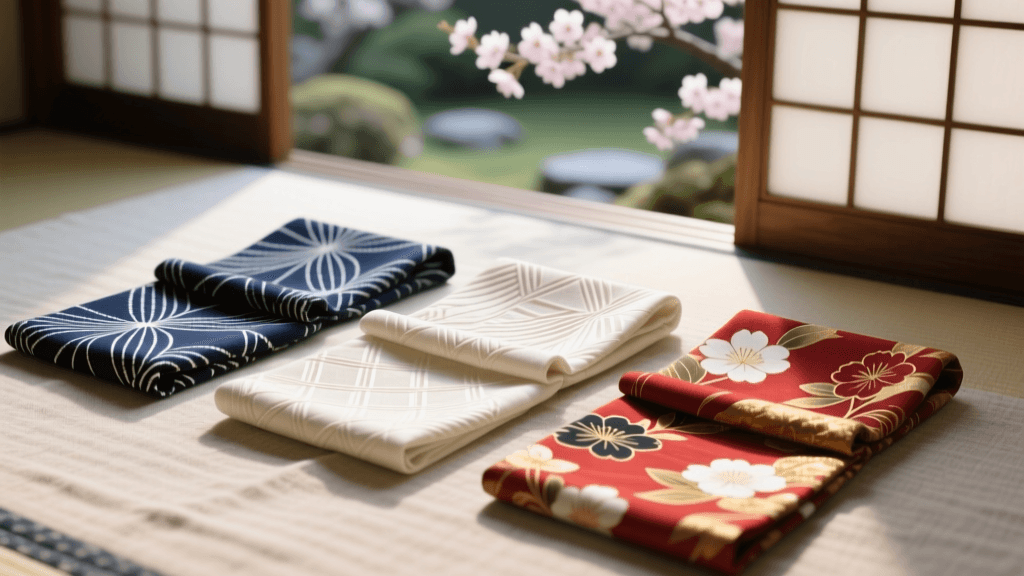
Mastering Koromogae: The Ultimate Kimono Wardrobe Rotation Guide
The Art of Koromogae: Honoring the Seasons Through Textile Care
In the realm of traditional Japanese clothing, the wardrobe is not merely a storage space; it is a living archive of the seasons. The practice of Koromogae (衣替え), or the seasonal changing of clothes, is a time-honored tradition that dates back to the Heian period (794–1185). Historically, court nobles would ceremonially transition their wardrobes to reflect the shifting micro-seasons, a practice deeply intertwined with Japanese aesthetics and the appreciation of nature's ephemeral beauty. Today, for kimono collectors, enthusiasts, and cultural preservationists, Koromogae remains a critical bi-annual ritual. It is the cornerstone of kimono wardrobe organization, ensuring that delicate silk textiles, intricate obi, and hand-dyed accessories are properly rotated, inspected, and preserved against the ravages of humidity, pests, and time.
Transitioning a kimono wardrobe requires much more than simply swapping out heavy winter garments for light summer ones. It demands a meticulous approach to environmental control, specialized storage materials, and a deep understanding of textile conservation. Whether you are managing a modest collection of vintage Meiji-era garments or a comprehensive modern wardrobe, mastering the seasonal rotation is essential for maintaining the structural integrity and vibrant dyes of your pieces.
Understanding the Seasonal Kimono Wardrobe
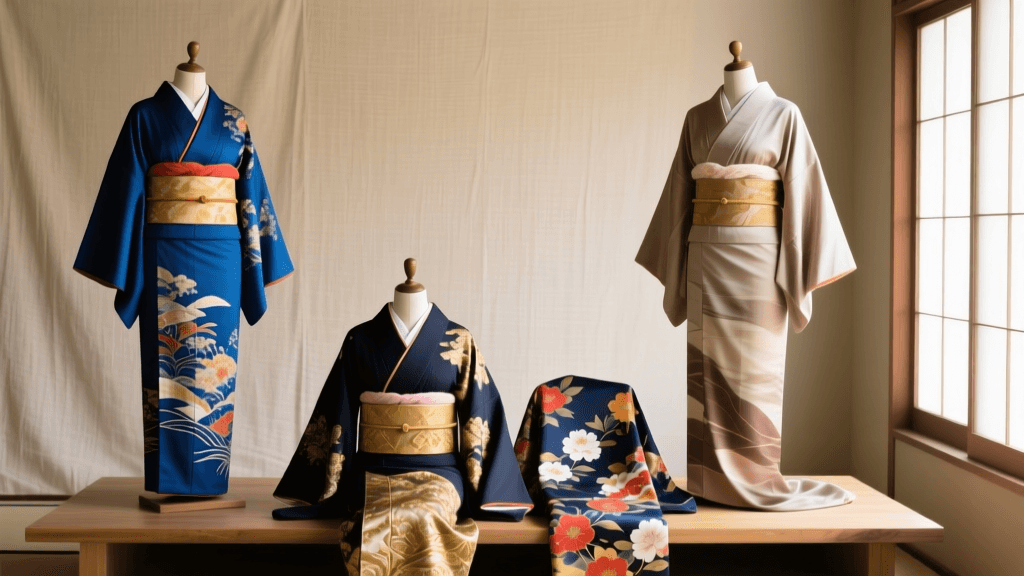
To execute a proper seasonal rotation, one must first understand the tripartite division of the kimono wardrobe. Unlike Western fashion, which broadly categorizes clothing into spring/summer and fall/winter, traditional Japanese garments are strictly divided into three seasonal categories based on their lining and fabric weight:
- Awase (袷): Lined kimono worn during the cooler months, typically from October through May. These garments feature a silk or synthetic lining that provides warmth and structural drape.
- Hitoe (単衣): Unlined kimono worn during the transitional months of June and September. The absence of a lining allows for breathability while maintaining the formal silhouette of the garment.
- Usumono (薄物): Sheer, lightweight, and often unlined garments made from ro (leno weave) or sha (gauze) silk, reserved exclusively for the peak heat and humidity of July and August.
The bi-annual Koromogae transitions occur on June 1st (moving from Awase to Hitoe/Usumono) and October 1st (moving from Usumono/Hitoe back to Awase). These dates serve as the anchor points for your wardrobe organization, triggering the vital processes of airing, inspection, and repacking.
Essential Storage Materials and Measurements
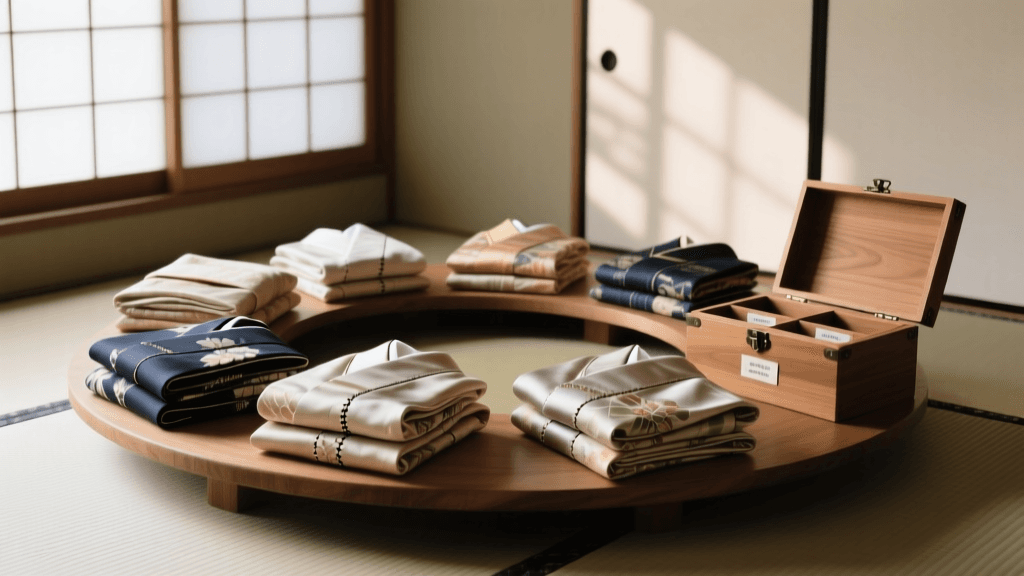
Proper kimono storage relies on specific, culturally authentic, and conservation-grade materials. Storing a kimono on a standard Western hanger will permanently distort the shoulder seams and stretch the delicate silk. Instead, garments must be folded using the traditional hon-datami method and stored flat.
1. Tatoushi (Storage Paper)
Every folded kimono must be wrapped in tatoushi, a specialized, acid-free, breathable paper. Standard tissue paper often contains acids that will yellow silk over time, while plastic bags trap moisture and invite mold. Authentic Japanese tatoushi is typically made from mulberry or high-grade wood pulp. A standard folded kimono measures approximately 35 cm by 25 cm. When purchasing or cutting your own acid-free paper, ensure each sheet is at least 90 cm by 60 cm to allow for a secure, overlapping envelope fold. Expect to invest around $30 to $50 USD for a pack of 50 high-quality, archival-grade tatoushi sheets.
2. Kiribako (Paulownia Wood Boxes)
The gold standard for kimono storage is the kiribako, a chest or box crafted from Paulownia wood. Paulownia is uniquely suited for textile preservation; it is lightweight, highly resistant to warping, and naturally contains tannins that repel insects. Furthermore, the wood swells slightly in high humidity, creating an airtight seal that protects the contents from external moisture, and shrinks in dry conditions to allow the garments to breathe. A standard single-stack kiribako measures roughly 40 cm (W) x 35 cm (D) x 30 cm (H) and costs between $150 and $300 USD. For larger collections, wide chests (90 cm) that accommodate two side-by-side stacks are ideal.
3. Desiccants and Pest Deterrents
Traditional storage often utilized camphor (shounou) to deter pests. However, modern conservationists advise caution, as the volatile oils in natural camphor and synthetic naphthalene can react with certain metallic threads and natural dyes, causing discoloration. Instead, utilize silica gel cassettes (such as the Japanese brand Dry-Up) to regulate moisture, and opt for non-chemical pheromone traps or natural neem leaves placed in the corners of the storage chest, ensuring they never directly touch the silk.
The Kimono Seasonal Rotation & Storage Matrix
To maintain a pristine collection, follow this structured matrix during your bi-annual Koromogae transitions. This checklist ensures no step is overlooked during the critical storage phases.
| Transition Phase | Target Months | Primary Actions | Environment & Materials |
|---|---|---|---|
| Summer Prep | Late May | Inspect Awase for stains; send to specialist cleaner (araihari) if needed. Air out garments. | Target RH: 50%. Wrap in fresh tatoushi. Add silica gel. |
| Peak Summer | July - August | Rotate Usumono to accessible drawers. Monitor for high humidity spikes. | Target RH: Below 60%. Use dehumidifiers in the room. |
| Winter Prep | Late September | Mushiboshi (airing out) of all summer garments. Inspect for mold and pests. | Target RH: 50%. Avoid direct sunlight during airing. |
| Deep Winter | December - January | Check room heating. Ensure Awase are not drying out or becoming brittle. | Target RH: 45-55%. Keep away from radiators and vents. |
The Mushiboshi Process: Airing Out Your Collection
The most critical component of the October Koromogae is Mushiboshi (虫干し), the traditional airing out of garments to prevent mold and insect damage. During the humid summer months, silk fibers can absorb excess moisture, creating a breeding ground for mildew. According to textile conservation guidelines outlined by the Victoria and Albert Museum, periodic airing is essential for natural fibers to release trapped moisture and off-gas any accumulating acidic compounds.
To perform Mushiboshi correctly, choose a crisp, dry, and breezy autumn day. The ideal weather conditions are a relative humidity below 55% and a temperature between 15°C and 20°C. Avoid rainy or overcast days, as the ambient moisture will do more harm than good. Lay out bamboo blinds or clean, white cotton sheets on a raised surface indoors, away from direct sunlight, which can rapidly fade natural dyes like indigo, madder, and safflower. Unwrap the kimono from their tatoushi and lay them flat, allowing air to circulate around the fibers for four to six hours. This is also the time to meticulously inspect the collars, cuffs, and hemlines for hidden stains or the telltale sandy residue of webbing clothes moths.
Environmental Controls and Pest Management
Silk is a protein fiber, making it highly susceptible to both environmental degradation and biological threats. The Canadian Conservation Institute emphasizes that fluctuating temperatures and high relative humidity (RH) are the primary catalysts for textile deterioration. For a dedicated kimono wardrobe room or closet, the ideal environment is a stable 18°C to 20°C (64°F to 68°F) with an RH strictly maintained between 50% and 55%. If the RH drops below 40%, silk fibers can become brittle and shatter; if it rises above 65%, mold spores will germinate.
Pest management requires a proactive, integrated approach. The webbing clothes moth (Tineola bisselliella) and the carpet beetle are the most formidable enemies of a silk collection. Rather than relying on toxic mothballs, which leave a pervasive odor and can melt synthetic linings or damage metallic embroidery, utilize a layered defense strategy:
- Isolation: Ensure all kiribako chests seal tightly. Apply weather-stripping to the lids if the wood has warped over time.
- Monitoring: Place sticky pheromone traps on the floor of the wardrobe room to detect early male moth activity.
- Quarantine: Any newly acquired vintage kimono must be quarantined. Seal the garment in an airtight plastic bin with an oxygen absorber for two weeks, or freeze it at -20°C for 72 hours to eliminate any dormant eggs before introducing it to your main collection.
Troubleshooting Common Storage Issues
Even with meticulous care, collectors may encounter specific storage challenges. Understanding how to address these issues promptly can save a garment from irreversible damage.
1. Yellowing and Acid Migration
If you notice brown or yellow spots on the white silk lining of an Awase kimono, this is likely acid migration or oxidative staining from residual sweat or improper storage paper. Never attempt to wash silk at home. Consult a certified araihari (traditional kimono cleaning) specialist who can dismantle the garment, wash the individual panels on wooden boards, and re-sew it, effectively resetting the fabric's pH and removing deep-seated stains.
2. Permanent Creasing
Storing kimono in stacks that are too high can cause severe, permanent creases along the fold lines, eventually leading to fiber breakage. Limit your stacks to no more than three or four garments per box. If deep creases have formed, a professional kimono dresser (kitsuke specialist) or conservator can use specialized low-heat steam irons and tensioning boards to relax the fibers without scorching the silk.
3. Metallic Thread Tarnishing
Obi and formal kimono often feature kinsha (gold and silver leaf threads). These metallic elements are highly reactive to sulfur and acidic gases. If your gold threads are turning black or dull, it indicates a reaction with poor-quality storage materials or atmospheric pollutants. Ensure all storage papers are strictly acid-free and lignin-free, and consider adding activated charcoal sachets (wrapped in cotton to prevent dust) to your storage chests to absorb airborne pollutants.
Conclusion: Preserving a Living Heritage
Mastering the Koromogae is an act of devotion to the artisans who wove, dyed, and stitched these magnificent garments. By implementing rigorous seasonal rotations, utilizing archival-grade materials like Paulownia wood and mulberry paper, and maintaining strict environmental controls, you ensure that your kimono collection remains a vibrant, wearable archive of Asian textile traditions. The bi-annual ritual of inspecting, airing, and repacking your wardrobe not only protects your investment but also deepens your personal connection to the rich, seasonal poetry inherent in Japanese sartorial culture. For further guidance on the preservation of delicate heritage textiles, resources provided by institutions such as the Metropolitan Museum of Art's Textile Conservation Department offer invaluable insights into the ongoing science of fabric preservation.