Celebrity Kimono Trends: How to Style Traditional Japanese Fashion
The Global Renaissance of the Kimono
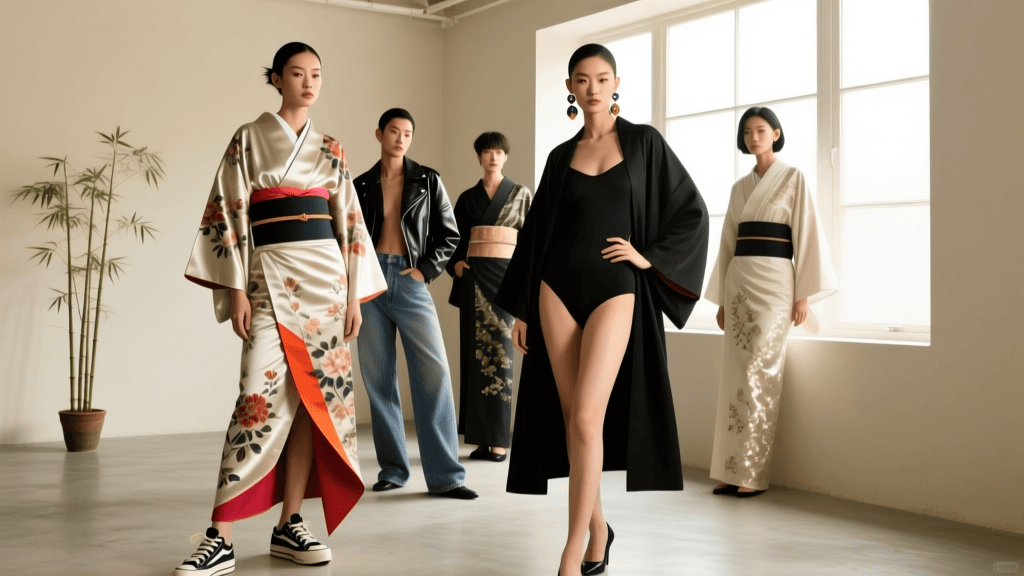
Once reserved strictly for formal ceremonies, tea houses, and coming-of-age festivals, the Japanese kimono has experienced a radical transformation on the global stage. Driven by high-profile celebrities, avant-garde fashion houses, and street-style influencers, the kimono and its associated garments—like the haori (jacket) and obi (sash)—have transcended their traditional boundaries. Icons like Zendaya, Rihanna, Harry Styles, and A$AP Rocky have all incorporated traditional Japanese silhouettes and textiles into their red-carpet and off-duty wardrobes, sparking a massive surge in global interest.
The groundbreaking Kimono: Kyoto to Catwalk exhibition at the Victoria and Albert Museum highlighted this exact evolution, proving that the garment is not a static relic, but a dynamic piece of fashion history that continues to influence contemporary design. For modern fashion enthusiasts, this means the kimono is no longer off-limits for everyday styling; rather, it is a versatile canvas for personal expression.
"The modern kimono movement is about breaking the rigid rules of the past while maintaining a deep respect for the textile's artistry and history."
Below, we break down the top celebrity and influencer kimono trends, providing actionable advice, sourcing tips, and cost estimates so you can integrate these stunning garments into your own wardrobe.
3 Celebrity-Inspired Kimono Trends You Can Wear Today
1. The Streetwear Fusion (Harajuku Meets High Fashion)
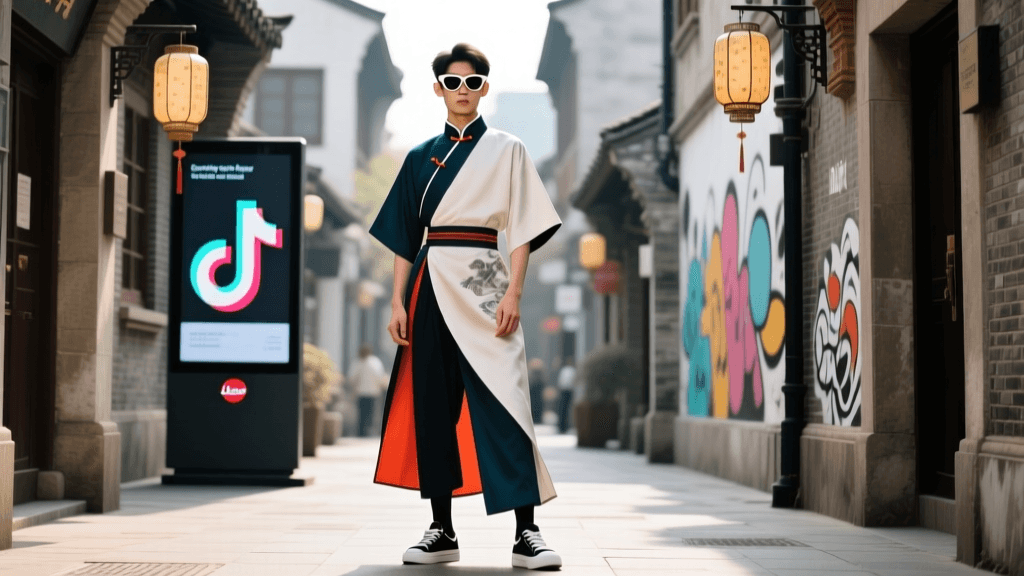
Pioneered by hip-hop artists and Tokyo's Harajuku street-style stars, the streetwear fusion trend involves layering traditional garments over modern casual wear. Instead of the formal nagajuban (undergarment), influencers are pairing vintage silk haori jackets with oversized graphic hoodies, baggy denim, and chunky sneakers. This look plays with proportion and texture, contrasting the delicate, hand-painted silk of the kimono with heavy, utilitarian cottons.
- Actionable Tip: Look for a vintage men's or women's haori with a subtle geometric or crepe silk texture. Avoid heavily embroidered formal crests (kamon) for casual streetwear.
- Measurements: Ensure the haori falls around the mid-thigh (approx. 80-100cm in length) to maintain a balanced silhouette over baggy pants.
2. The Corset and Obi Crossover (Red Carpet Glamour)
High-fashion editorials and red carpets have recently seen the obi repurposed as a statement corset or wide belt. Zendaya and various fashion influencers have styled stiff, brocade maru obi or fukuro obi over flowing slip dresses, tailored suits, or even crisp white button-down shirts. This trend cinches the waist dramatically while showcasing the intricate gold and silver thread work of Japanese weaving techniques.
- Actionable Tip: Purchase a vintage fukuro obi (approx. 30cm wide and 4.5 meters long). Because vintage obi lack structural boning, wear it over a structured blazer or pair it with a modern underbust corset for support.
- Cost: Vintage brocade obi can be sourced from online kimono recyclers for $40 to $150, a fraction of their original $1,000+ retail price.
3. The Vintage Duster (Off-Duty Model Aesthetic)
For a more subdued, bohemian approach, fashion models and influencers frequently wear unlined, lightweight summer kimono (yukata or hitoe) completely open, functioning as a long duster coat. Paired with a simple tank top, wide-leg linen trousers, and leather sandals, this look is incredibly accessible and comfortable for warmer months.
Trend Comparison Chart: Recreating the Looks
| Trend Archetype | Key Garments Needed | Est. Cost (USD) | Styling Difficulty | Best Occasion |
|---|---|---|---|---|
| Streetwear Fusion | Vintage Haori, Hoodie, Sneakers | $50 - $150 | Easy | Casual outings, concerts |
| Corset / Obi Belt | Brocade Fukuro Obi, Blazer/Dress | $60 - $200 | Moderate | Fashion events, dinners |
| Vintage Duster | Unlined Hitoe or Yukata | $40 - $120 | Easy | Summer festivals, resort |
| Full Traditional (Rental) | Full Kimono Set with Zori sandals | $30 - $60 / day | Hard (Requires dressing) | Temples, formal tourism |
Practical Guide: Sourcing, Sizing, and Styling
If you are inspired to build a kimono-inspired wardrobe, understanding how to source and size these garments is crucial. Unlike Western clothing, kimono are generally cut in standard widths, meaning the fit is dictated by how the garment is wrapped and folded, rather than tailored seams.
Understanding Kimono Measurements
When shopping online for vintage kimono or haori, pay attention to two primary measurements:
- Yuki (Sleeve Span): Measured from the center of the back of the neck, across the shoulder, and down to the wrist. A standard vintage yuki is around 64-68cm. If you have a broader frame, look for modern custom cuts or simply wear the garment open.
- Mitake (Back Length): Measured from the base of the collar to the hem. Traditional kimono are meant to be folded at the waist (ohashori) to adjust the length. However, when wearing a kimono as an open duster or a haori as a jacket, the mitake will determine where the hem falls on your body.
Where to Buy Authentic Pieces
As noted in cultural analyses by The Japan Times, the modern kimono movement relies heavily on the recycling market. With millions of kimono sitting in Japanese closets, the secondhand market is a goldmine for high-quality silk.
- Online Recyclers: Websites like Ichiroya, Chicago Kimono, and various curated Etsy shops specialize in exporting vintage, authenticated silk garments globally.
- In-Person in Japan: If you are traveling to Tokyo or Kyoto, visit "Recycle Kimono" shops like Tansu-ya or Chicago's vintage branches in Shimokitazawa, where you can find authentic silk haori for as little as $30.
Renting vs. Buying for Tourists
If you want the full, traditional experience without the commitment of purchasing and maintaining silk, renting is the best option. For those looking to experience traditional wearing techniques before experimenting with avant-garde styling, the Japan National Tourism Organization (JNTO) offers comprehensive guides on where to find reputable rental shops. In areas like Asakusa (Tokyo) or Higashiyama (Kyoto), a full-day rental—including the kimono, obi, undergarments, sandals, and professional dressing by a certified kitsuke (kimono dresser)—typically costs between 4,000 and 8,000 JPY ($30 to $55 USD).
Cultural Etiquette in Modern Fashion
While celebrities and influencers have pushed the boundaries of how the kimono is worn, maintaining a baseline of cultural respect is essential when incorporating these garments into your wardrobe. The most critical rule of kimono wearing is the direction of the wrap.
Always wrap left over right. The left panel of the kimono must cross over the right panel and be secured on the right side of your body. Wrapping right over left is strictly reserved for dressing the deceased for burial in traditional Japanese culture. Even when wearing a kimono casually as an open duster or styling an obi as a belt, being mindful of the garment's origins and structural intent demonstrates a deep appreciation for the culture.
Furthermore, avoid wearing garments with specific family crests (kamon) or highly formal bridal motifs (like cranes or pine trees) to casual, messy environments. By treating the textile with the same respect you would afford a haute couture gown, you participate in the global celebration of Japanese craftsmanship, ensuring the kimono continues to thrive in the modern fashion lexicon.