Decoding Douyin: Mastering New Chinese Street Fashion
The Anatomy of Douyin Street Fashion: Xin Zhong Shi Explained
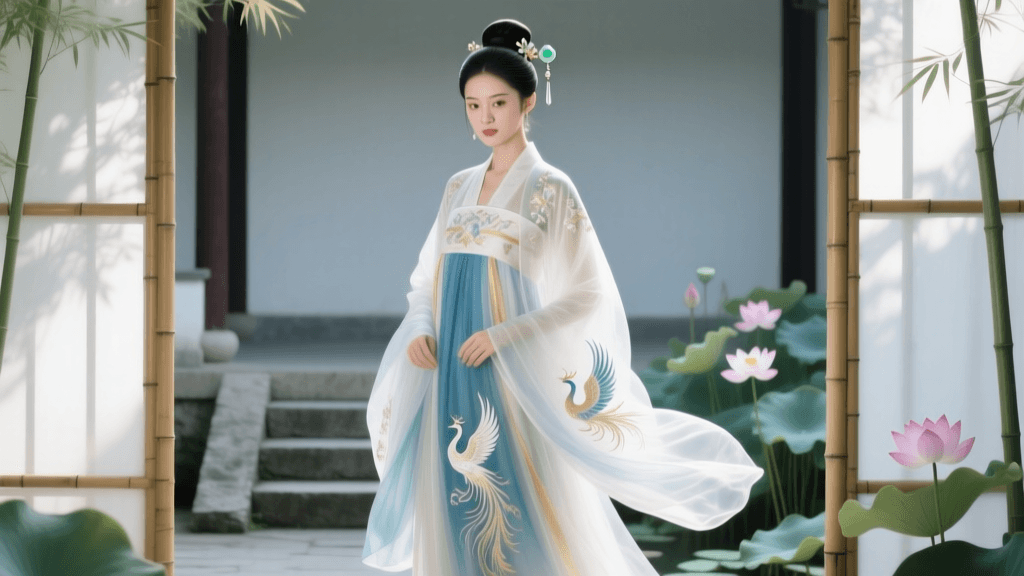
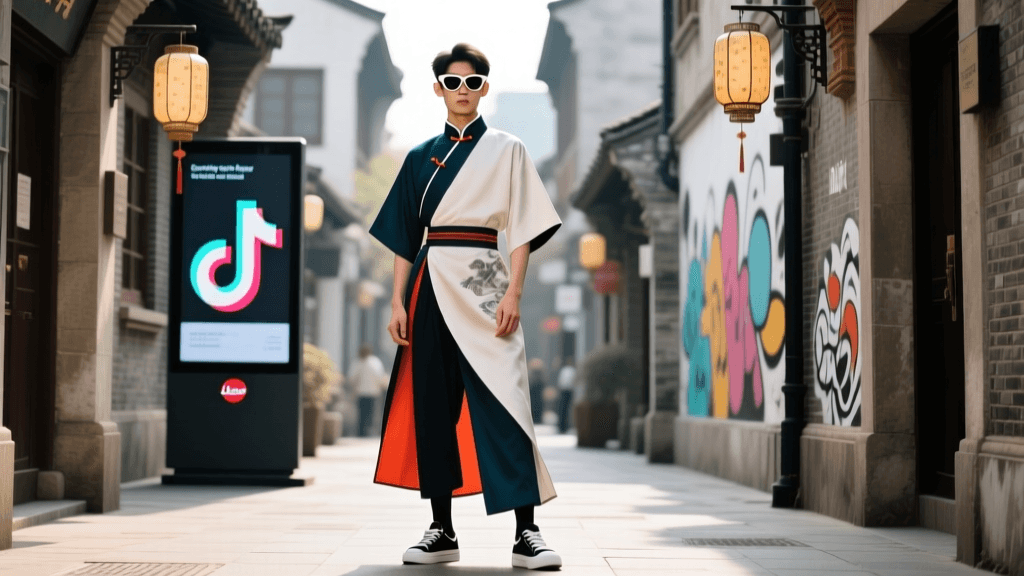
Over the past three years, the global fashion landscape has been irrevocably altered by the rise of Chinese street fashion influencers on Douyin (the Chinese counterpart to TikTok). What began as a niche subculture of historical reenactment has exploded into a mainstream sartorial movement known as Xin Zhong Shi, or 'New Chinese Style.' This aesthetic bridges the gap between ancient heritage and modern urban streetwear, creating a visual language that is both deeply traditional and fiercely contemporary.
At the core of this movement is the modernization of Hanfu, the historical clothing of the Han Chinese. However, unlike strict historical purists who focus on museum-accurate reproductions, Douyin influencers prioritize wearability, dynamic movement, and fusion styling. They pair Ming Dynasty-style pleated skirts with cropped leather jackets, or style Song Dynasty-inspired wrap tops with wide-leg denim. The result is a vibrant, community-driven fashion ecosystem that respects Asian traditions while adapting them for the fast-paced reality of modern city life.
Viral Garments: The Mamianqun and Beyond
No discussion of Douyin street fashion is complete without the Mamianqun, widely known in English as the horse-face skirt. Originating in the Song Dynasty and popularized during the Ming Dynasty, this skirt features a flat front and back panel with heavily pleated sides. On Douyin, the Mamianqun is the undisputed queen of street style transitions. Influencers use its voluminous, structured pleats to create mesmerizing slow-motion spins and dramatic coat-toss reveals.
The genius of the Mamianqun in a modern context lies in its architectural waistband and intricate jacquard weaving. Modern manufacturers have adapted the traditional silk brocades into more durable, machine-washable polyester blends, making them accessible for daily wear. The skirt's flat front panel provides a slimming silhouette, while the side pleats allow for a massive range of motion—perfect for everything from riding a bicycle in Chengdu to dancing in a Shanghai nightclub.
Sourcing Your First Mamianqun: Practical Advice
If you want to integrate this staple into your wardrobe, here are the specific details you need to know before purchasing:
- Search Terms: When browsing platforms like Taobao, AliExpress, or specialized Hanfu boutiques, use the term 'Daily Wear Mamianqun' (日常马面裙) to avoid overly theatrical, costume-like pieces.
- Measurements: The ideal length for street fashion is exactly 3cm to 5cm above the ankle bone. This prevents the heavy pleats from dragging on wet pavement while allowing you to pair the skirt with chunky sneakers or combat boots.
- Waistband Width: Always look for a waistband width of at least 5cm to 7cm. Traditional narrow waistbands tend to roll and dig into the skin when sitting, whereas modern wide waistbands provide structural support and a smoother silhouette.
- Cost and Timing: A high-quality, daily-wear jacquard Mamianqun typically costs between $35 and $85 USD. Because many top-tier factories operate on a pre-order model, you should place your orders 3 to 4 weeks before major lunar festivals or spring travel seasons to ensure timely delivery.
Data Table: Traditional Hanfu vs. Douyin Street Fusion
To truly master the New Chinese Style, it is crucial to understand how influencers alter traditional garments for the streets. Below is a comparison chart detailing the differences between strict traditional wear and the viral Douyin fusion aesthetic.
| Feature | Strict Traditional Hanfu | Douyin Street Fusion (Xin Zhong Shi) |
|---|---|---|
| Primary Fabrics | Raw silk, linen, delicate brocade | Polyester jacquard, chiffon, cotton-linen blends |
| Layering | Multiple inner robes (Zhongyi), strict collar rules | Corsets, turtlenecks, oversized blazers, leather jackets |
| Footwear | Cloth boots, embroidered flat shoes | Chunky sneakers, Dr. Martens, knee-high leather boots |
| Hair & Makeup | Historical updos, intricate metal hairpins | Modern blowouts, claw clips, minimalist jade hair sticks |
| Price Range (USD) | $120 - $400+ (Custom tailoring) | $30 - $90 (Mass-produced, ready-to-wear) |
Actionable Guide: Building Your Douyin-Inspired Wardrobe
Transitioning from a standard Western wardrobe to a Douyin-inspired aesthetic requires a strategic approach to layering and proportion. Here is how to build a versatile, culturally respectful, and highly photogenic wardrobe.
1. The Foundation: The Modern Ruqun
The Ruqun (a top and skirt ensemble) is the most accessible entry point. For a modern streetwear look, opt for a 'Song-style' wrap top made of lightweight cotton or linen. These tops feature a crossover collar and side ties. Styling Tip: Instead of tying the side strings into a traditional bow, let them hang loose and belt the top with a minimalist leather corset belt. This cinches the waist and adds an edgy, avant-garde element that performs exceptionally well in street photography.
2. Outerwear: The Pifeng and the Trench
The Pifeng is a traditional open-front cloak or duster. On Douyin, influencers frequently use sheer, embroidered Pifeng as summer dusters over basic tank tops and denim shorts. For autumn, look for heavy cotton Pifeng with subtle tonal embroidery (such as bamboo or crane motifs) and layer them over turtlenecks. The key to the Douyin look is the contrast in textures: pairing the delicate, flowing embroidery of the Pifeng with the rigid, structured lines of modern denim or tailored wool trousers.
3. Accessories: Jade, Silver, and Subtlety
Douyin street fashion rejects the heavy, theatrical hairpieces of costume dramas. Instead, the focus is on minimalist, high-impact accessories. A single, polished jade hair stick thrust through a messy bun is a hallmark of the aesthetic. For necklaces, look for modern silver chains featuring traditional Pankou (knotted button) motifs or small Hetian jade pendants. These subtle nods to Asian traditions elevate an outfit without making it look like a museum exhibit.
Mastering the Douyin Transition: Posing and Video Dynamics
The magic of Chinese street fashion is inextricably linked to how it is captured on video. Douyin influencers are masters of the 'transition'—a video editing technique that highlights the movement and flow of traditional garments. If you are a content creator looking to replicate this style, you must understand the physics of your clothing.
The most viral transition is the 'Umbrella Spin.' The creator starts in modern, casual clothing holding a closed traditional oil-paper umbrella. As they snap the umbrella open and spin, the video cuts to them in full Xin Zhong Shi attire. To make this work, your Mamianqun must be made of a fabric with enough weight to 'flare' perfectly during the spin. Chiffon will simply float; heavy jacquard will create the sharp, geometric pleats that the camera loves. Furthermore, shooting during the 'golden hour' just before sunset, or utilizing the neon reflections of wet city streets at night, will accentuate the metallic threads woven into modern Hanfu fabrics.
The Cultural Significance and Global Impact
While the visual appeal of Douyin street fashion is undeniable, it is vital to recognize the deep cultural roots that sustain this trend. This is not merely a fleeting internet fad; it is a profound reclamation of cultural identity by China's Gen Z and Millennial populations. According to historical archives and textile studies documented by institutions like the Metropolitan Museum of Art, Chinese dress has always been a complex language of social status, philosophy, and regional identity. The modern Hanfu movement takes this historical language and democratizes it, allowing everyday youth to wear their heritage with pride.
'Fashion is the armor to survive the reality of everyday life.' In the context of Xin Zhong Shi, this armor is woven with the threads of millennia-old Asian traditions, tailored for the battles of the modern metropolis.'
As international audiences increasingly consume Douyin content via global platforms like TikTok and Instagram, the demand for New Chinese Style is crossing borders. Western and Southeast Asian fashion enthusiasts are now adopting these silhouettes, drawn to the elegance, modesty, and architectural brilliance of the garments. By understanding the history, sourcing the right pieces, and respecting the cultural context, anyone can participate in this beautiful, evolving dialogue between the ancient and the avant-garde.
Conclusion: Stepping Into the New Chinese Style
The rise of Chinese street fashion influencers on Douyin has proven that traditional garments do not belong behind glass cases. Through the innovative blending of Ming Dynasty skirts with modern streetwear, and Song Dynasty tops with contemporary tailoring, the Xin Zhong Shi movement has breathed vibrant new life into Asian traditions. Whether you are sourcing your first Mamianqun, experimenting with modern layering, or simply drawing inspiration from the dynamic video transitions of top creators, the world of New Chinese Style offers endless avenues for sartorial exploration. Embrace the pleats, respect the heritage, and let your wardrobe tell a story that spans centuries.