Exploring China's Top Hanfu Museums and Exhibitions
The Institutional Revival of Hanfu
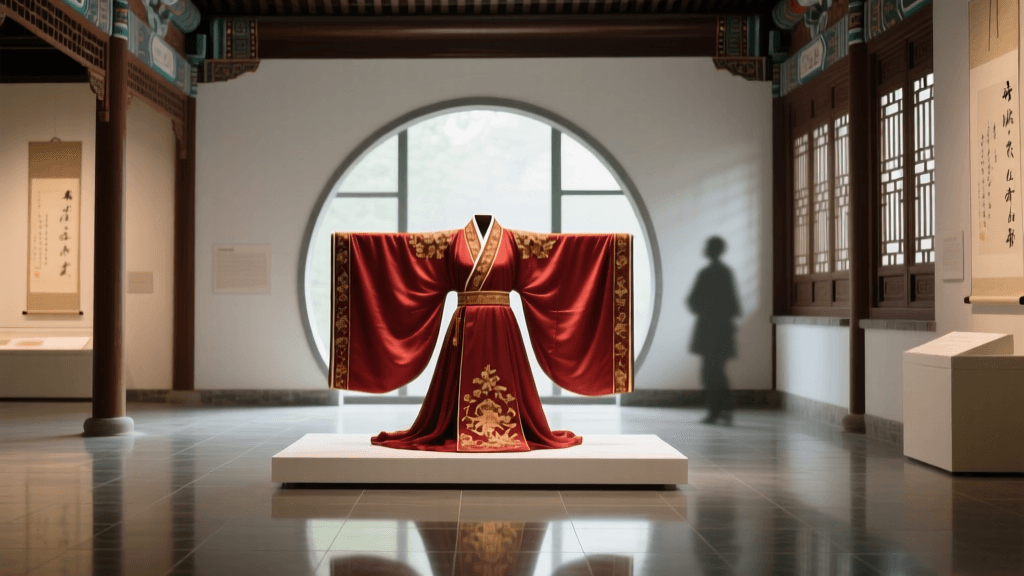
The modern Hanfu movement has transcended street fashion and social media, finding a permanent, revered home within China's premier cultural institutions. For enthusiasts, historians, and travelers alike, exploring Hanfu museums and heritage exhibitions offers a profound glimpse into the structural layering, seasonal fabric choices, and intricate artistry of traditional Chinese clothing. Unlike viewing garments on a digital screen, standing before a meticulously preserved Ming dynasty Mamianqun (horse-face skirt) or a delicate Song dynasty Beizi (slip dress) provides an unparalleled understanding of Asian traditions. According to the Metropolitan Museum of Art's Heilbrunn Timeline of Art History, the evolution of Chinese dress is deeply intertwined with the nation's philosophical, social, and technological developments, making these museums essential pilgrimage sites for anyone studying Asian sartorial heritage.
Today, museums across China are not merely storing ancient textiles; they are actively curating immersive exhibitions that bridge the gap between historical artifacts and the contemporary Hanfu revival. This guide will walk you through the most significant Hanfu and textile heritage sites in China, offering practical advice on how to plan your visit, what specific garments to look for, and how to engage with these cultural treasures respectfully.
Premier Hanfu and Textile Museums in China
1. China National Silk Museum (Hangzhou)
Located near the picturesque West Lake, the China National Silk Museum is the largest silk-themed museum in the world and a cornerstone for understanding the foundational materials of Hanfu. The museum's conservation lab is renowned for restoring fragile Tang and Song dynasty textiles excavated from the Silk Road. As highlighted by the UNESCO Silk Roads Programme, the exchange of textiles along these ancient routes fundamentally shaped the patterns, dyes, and weaving techniques seen in historical Chinese garments. Visitors can view exquisite examples of Kesi (silk tapestry) and learn how seasonal climates dictated the use of breathable linens in summer and heavily lined, quilted silk in winter.
2. Shandong Museum (Jinan)
For scholars of Ming dynasty Hanfu, the Shandong Museum is an absolute must-visit. The museum houses the legendary textile discoveries from the tombs of the Kong family (direct descendants of Confucius). Excavated in the early 2000s, these tombs yielded over 100 remarkably well-preserved Ming dynasty garments. Here, you can study the precise structural layering of aristocratic Hanfu, including the Zhongyi (inner garments) and the intricate woven gold-thread motifs that denoted official ranks and scholarly status. The preservation of these organic fibers offers a rare, three-dimensional look at the tailoring and seam allowances of 15th-century Hanfu.
3. Chengdu Shu Brocade Museum (Chengdu)
Hanfu is only as magnificent as the fabric it is cut from, and the Chengdu Shu Brocade Museum celebrates one of China's most celebrated intangible cultural heritage crafts: Shu brocade. Originating in the Sichuan region, this heavy, vibrantly dyed silk was historically used for structured outer garments and formal ceremonial wear. The museum features operational traditional wooden draw-looms, allowing visitors to hear the rhythmic clatter of the shuttles and understand the immense time and mathematical precision required to weave a single yard of authentic Hanfu fabric.
Decoding the Exhibits: What to Look For
When walking through these heritage exhibitions, knowing what to look for will vastly improve your appreciation of the garments. Pay close attention to the following elements:
- Structural Layering: Hanfu is rarely a single piece. Look for the display of the Zhongyang (middle layer) and Dayi (outer layer). Notice how the collars are crossed (always left over right, a vital cultural etiquette rule) and how the sleeves are structured to hold personal items.
- The Mamianqun (Horse-Face Skirt): Examine the pleating techniques. Historical Mamianqun feature flat front and back panels with intricate side pleats that only expand when the wearer walks or rides a horse. Look for the woven Zhuanghua (patterned) borders at the hem.
- Natural Dyes and Seasonal Fabrics: Note the color palettes. Museums often explain the use of madder root for reds, indigo for blues, and pagoda tree buds for yellows. Observe the transition from lightweight, open-weave Luo (gauze) used for summer Ruqun to dense, felted wools and layered silks for northern winters.
Practical Visitor Guide: Planning Your Heritage Tour
Visiting these institutions requires some logistical preparation, as China's museum ticketing systems are highly digitized. Below is a comparison chart to help you plan your itinerary.
| Museum Name | Location | Primary Hanfu/Textile Focus | Admission Cost | Best Time to Visit |
|---|---|---|---|---|
| China National Silk Museum | Hangzhou | Silk Road textiles, Tang/Song conservation | Free (WeChat booking required) | Spring (March-May) |
| Shandong Museum | Jinan | Ming Dynasty aristocratic Hanfu, Kong tombs | Free (WeChat booking required) | Autumn (Sept-Nov) |
| Chengdu Shu Brocade Museum | Chengdu | Shu brocade weaving, structural fabrics | ~50 RMB | Year-round |
| The Palace Museum | Beijing | Imperial Ming textiles, court weaving bureaus | 60 RMB (Peak) / 40 RMB (Off) | Winter (Nov-Feb) |
Actionable Tips for Museum-Goers
- Booking Tickets: Most free museums in China require advance reservations via their official WeChat Mini Programs. Search the museum's Chinese name in WeChat, navigate to the 'Ticket Reservation' (门票预约) tab, and book at least 3 to 7 days in advance, especially during national holidays.
- Photography Etiquette: Flash photography is strictly prohibited to protect the fragile, light-sensitive natural dyes of historical Hanfu. If you are photographing garments behind glass, bring a rubber lens hood to press against the glass to eliminate glare, or use a circular polarizing filter.
- Audio Guides: While English signage is improving, the most detailed information regarding textile weaving techniques and historical context is often in Mandarin. Rent the museum's digital audio guide or use translation apps like Baidu Translate's camera feature to read the exhibit placards in real-time.
Immersive Cultural Exhibitions and Etiquette
Museums in China are increasingly moving beyond static glass cases. Institutions like The Palace Museum in Beijing frequently host temporary, immersive exhibitions that utilize digital projections to show how historical garments moved, draped, and interacted with the environment. Some exhibitions feature virtual reality (VR) stations where visitors can 'step into' ancient scroll paintings, seeing the Hanfu in its original social context, from royal court ceremonies to bustling market streets.
Wearing Hanfu to the Museum
It is becoming increasingly common and widely encouraged for visitors to wear their own Hanfu when visiting these heritage sites. It creates a beautiful, living dialogue between the past and the present. However, proper etiquette must be observed:
- Mind Your Hems: Museums are high-traffic areas. If you are wearing a floor-sweeping Ming dynasty style skirt or a long trailing Daxiushan (large-sleeved robe), be mindful of your surroundings to avoid tripping other guests or brushing against display cases.
- Respect the Artifacts: Never attempt to touch the historical textiles, even if an exhibit is open-air. The oils and moisture from human hands can cause irreversible damage to centuries-old silk proteins.
- Participate in Workshops: Check the museum's event calendar for intangible cultural heritage workshops. Many institutions offer weekend classes where visitors can try their hand at traditional plant dyeing, silk reeling, or basic embroidery stitches, providing a tactile understanding of the labor behind historical Asian fashion.
Conclusion
Exploring China's Hanfu museums and cultural exhibitions is a deeply rewarding endeavor that transforms one's understanding of traditional Asian garments. By witnessing the meticulous conservation of ancient silks, studying the mathematical precision of Ming dynasty pleats, and engaging with the intangible heritage of master weavers, visitors gain a profound respect for the artistry of the past. Whether you are a dedicated Hanfu enthusiast, a fashion historian, or a curious traveler, these heritage sites offer an indispensable, tangible connection to the rich tapestry of Chinese cultural history.