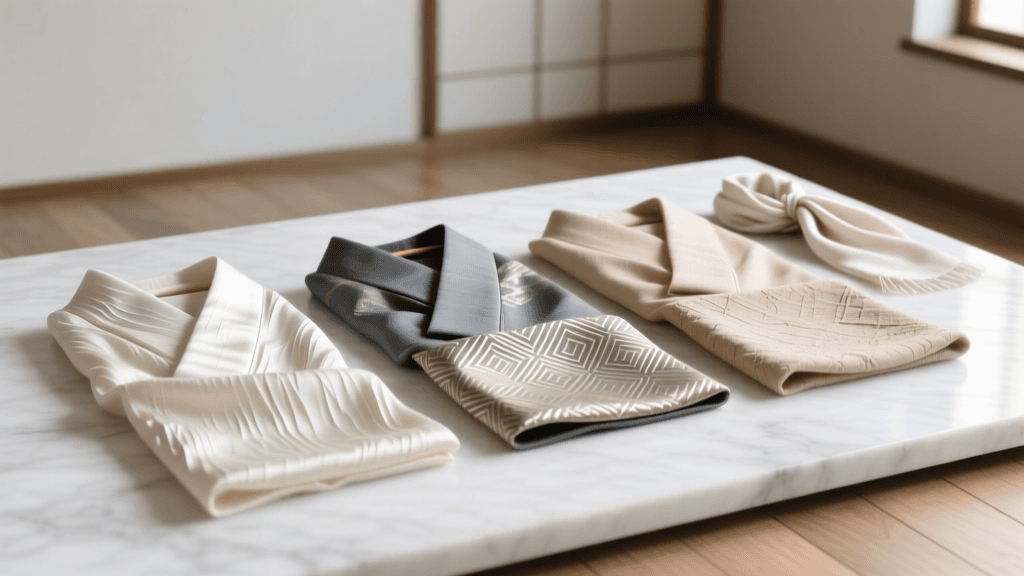
Styling Traditional Kimono and Haori for Pop Culture Streetwear

The Intersection of Traditional Japanese Garments and Global Pop Culture
The global fascination with Japanese fashion has evolved far beyond the borders of East Asia, embedding itself deeply into global pop culture, cinema, and streetwear. From the neon-lit, dystopian alleys of cyberpunk media like Cyberpunk 2077 and Ghost in the Shell to the high-fashion runways of Paris, traditional Japanese garments such as the kimono, haori, and hakama have transcended their historical roots. Today, they serve as foundational pieces for avant-garde streetwear, anime-inspired cosplay, and techwear aesthetics.
According to the Victoria and Albert Museum's landmark exhibition 'Kimono: Kyoto to Catwalk', the kimono has been a dynamic, globally traded garment since the 17th century, continuously adapting to new cultural contexts. In the modern era, this adaptation is driven by global pop culture enthusiasts who blend traditional silhouettes with contemporary urban fashion. However, successfully integrating these garments into a modern wardrobe requires an understanding of traditional proportions, authentic sourcing, and respectful styling.
Key Garments for Pop Culture Styling
To build a streetwear or cosplay wardrobe inspired by Japanese media, you must first understand the traditional garments that serve as the blueprint for these looks. Below is a comparison of traditional garments and their modern pop culture applications.
| Garment | Traditional Context | Pop Culture Archetype | Streetwear Application |
|---|---|---|---|
| Haori | Formal or semi-formal jacket worn over a kimono. | Sci-Fi Duster, Anime Mentor, Techwear Layer. | Worn open over graphic tees or hoodies; belted for a structured silhouette. |
| Hakama | Pleated trousers worn for martial arts, graduation, or formal events. | Samurai Protagonist, Wa-Loli, Cyber-Ninja. | Used as ultra-wide-leg trousers; paired with tactical boots and cropped jackets. |
| Kimono | T-shaped wrap garment, the foundational layer of Japanese dress. | Cyberpunk Robe, Fantasy Mage, High-Fashion Avant-Garde. | Worn as a wrap dress, or layered over turtlenecks and denim for a streetwear clash. |
| Naga-Haori | An exceptionally long haori, historically worn by men or as formal outerwear. | Dystopian Detective, Matrix-style Duster. | Functions as a lightweight trench coat; perfect for dramatic, flowing streetwear layers. |
Practical Guide: Sourcing and Measuring for Modern Fits
One of the most common mistakes in pop culture styling is ignoring the specific measurements of Japanese garments. Traditional sizing is not based on Small, Medium, or Large, but rather on the dimensions of the fabric bolts (tan) and the wearer's specific proportions.
Crucial Measurements to Know
- Yuki (Sleeve Span): Measured from the center back of the neck, across the shoulder, and down to the wrist. For a modern, oversized streetwear fit, look for a yuki of 65cm to 72cm (25.5 to 28.3 inches). This provides the dropped-shoulder look prevalent in modern techwear.
- Mitake (Back Length): Measured from the base of the neck to the bottom hem. A standard haori is 80cm to 95cm (31 to 37 inches). For a dramatic, cyberpunk duster effect, seek out a naga-haori (long haori) with a mitake of 100cm to 115cm (39 to 45 inches).
- Sode-guchi (Sleeve Opening): The width of the sleeve opening. Pop culture and anime designs often feature exaggerated, wide sleeves. Look for openings wider than 25cm (10 inches) to allow for layering over thick hoodies or tactical vests.
Sourcing and Cost Breakdown
Building an authentic pop-culture wardrobe does not require a luxury budget. Vintage markets in Japan, such as Kyoto's Toji Temple flea market or Tokyo's Shimokitazawa vintage shops, are treasure troves for these pieces. For international buyers, specialized online vintage curators and Etsy sellers offer accessible options.
- Vintage Silk Haori: $35 - $85 USD. (Look for mid-20th century pieces with bold, abstract linings that can be reversed for a streetwear look).
- Modern Polyester Hakama: $60 - $120 USD. (Polyester is highly recommended for streetwear and cosplay due to its machine-washability and sharp, permanent pleats).
- Vintage Cotton Kimono (Yukata or Noragi): $40 - $90 USD. (Cotton and indigo-dyed noragi farmer jackets are ideal for rugged, workwear-inspired street style).
Actionable Styling Formulas for Streetwear and Cosplay
Translating traditional garments into pop culture aesthetics requires a deliberate clash of textures and eras. Here are two actionable styling formulas to achieve a cohesive look.
Formula 1: The Cyberpunk Tech-Haori
This look bridges the gap between traditional Japanese layering and futuristic techwear, drawing heavy inspiration from media like Deus Ex and Ghost in the Shell.
- Base Layer: A form-fitting, moisture-wicking black turtleneck or compression shirt.
- Bottoms: Tapered cargo pants with articulation at the knees, or modern nylon hakama trousers.
- The Haori: Choose a vintage silk haori with a dark, subdued exterior (black, navy, or charcoal) but a vibrant, contrasting interior lining (such as crimson or gold). Wear it open to allow the lining to flash during movement.
- Hardware Swap: Remove the traditional silk haori himo (front cords) and replace them with matte-black paracord loops attached to tactical carabiners. This anchors the traditional garment firmly in the techwear genre.
- Footwear: Split-toe jika-tabi boots or modern Tabi sneakers to maintain the Japanese sartorial lineage from head to toe.
Formula 2: Neo-Tokyo Anime Streetwear
Inspired by the vibrant, chaotic layering seen in anime like Akira and modern Harajuku street style, this formula focuses on volume, denim, and graphic elements.
- Base Layer: An oversized, heavyweight graphic tee or a vintage band shirt.
- The Kimono: Use a vintage, indigo-dyed cotton noragi or a casual denim kimono. Leave it unfastened, or use a thick, braided leather belt to cinch it at the waist, mimicking the silhouette of an obi but with rugged streetwear materials.
- Bottoms: Wide-leg, distressed denim jeans that pool slightly over the footwear.
- Accessories: Layer chunky silver jewelry, such as a heavy chain necklace or multiple rings, which contrasts beautifully with the soft drape of the cotton kimono.
Footwear: Bridging Tabi and Sneaker Culture
No pop culture Japanese fashion look is complete without addressing footwear. The traditional tabi (split-toe sock) and zori (straw sandal) have been radically reinterpreted in modern fashion. Maison Margiela's iconic Tabi boot brought the split-toe silhouette to the global luxury market, but for streetwear and cosplay, accessible alternatives exist.
For a rugged, martial-arts-inspired cosplay or streetwear look, invest in a pair of authentic jika-tabi. These are traditional split-toe boots with rubber soles, historically worn by construction workers and farmers in Japan. Brands like Rikio or Marugo produce high-quality jika-tabi that range from $30 to $60 USD. They provide incredible grip, a unique silhouette, and a direct link to Japanese working-class history, making them perfect for cyberpunk or dystopian cosplay.
Respecting the Culture While Embracing the Aesthetic
As traditional Japanese garments become deeply embedded in global pop culture, the line between cultural appreciation and cultural appropriation can sometimes blur. It is vital to approach these garments with respect for their history and craftsmanship.
The Metropolitan Museum of Art's Heilbrunn Timeline of Art History notes that the kimono is not merely a piece of clothing, but a complex indicator of social status, seasonality, and personal identity in Japanese culture. When adapting these garments for streetwear or cosplay, avoid wearing them in a state of deliberate disrepair or using sacred, religious garments (such as specific Shinto priestly vestments) as casual costumes.
Furthermore, understanding how to properly fold, store, and care for silk and vintage cotton is a mark of respect for the artisans who created them. The Kyoto Costume Institute Digital Archives provides extensive documentation on the preservation of Japanese dress, emphasizing the importance of proper storage away from direct sunlight and humidity to maintain the structural integrity of the silk fibers and natural dyes.
'The enduring power of the kimono and haori in global media lies in their architectural silhouettes. They do not merely clothe the body; they alter the way the wearer moves through space, granting a sense of gravity and presence that modern tailored clothing often lacks.'
Wardrobe Organization and Care for Vintage Pieces
Incorporating vintage Japanese garments into a modern wardrobe requires specific organizational strategies. Unlike Western clothing, kimono and haori should not be hung on standard wire or wooden hangers for long periods, as the weight of the fabric can distort the shoulder seams.
- Short-Term Storage: Use wide, padded hangers specifically designed for heavy garments. Ensure the haori is buttoned or tied loosely to maintain its shape.
- Long-Term Storage: Follow the traditional Japanese method of tatou (folding). Fold the garment along its natural seam lines and store it flat in a breathable cotton storage bag (called a tatoushi) with acid-free tissue paper to prevent crease damage.
- Odor Removal: Vintage silk often carries the scent of old camphor or storage. Do not use chemical fabric sprays. Instead, hang the garment in a well-ventilated, shaded area for 48 hours, or place it in a sealed bin with activated charcoal bags for a week to naturally draw out odors.
Conclusion
The integration of traditional Japanese garments into global pop culture, anime cosplay, and streetwear is a testament to the timeless, architectural beauty of the kimono, haori, and hakama. By understanding the precise measurements, sourcing authentic vintage pieces, and applying deliberate styling formulas, enthusiasts can create striking, media-inspired looks that honor the rich sartorial history of Japan. Whether you are building a cyberpunk techwear ensemble or a Neo-Tokyo streetwear outfit, the key lies in balancing the historical gravity of the garment with the rebellious innovation of modern pop culture.