Silk Kimono Fabrics: A Guide to Chirimen, Rinzu, and Tsumugi
The Foundation of Japanese Elegance
The Japanese kimono is far more than a simple garment; it is a canvas that reflects centuries of artistic evolution, regional identity, and meticulous craftsmanship. While the silhouette of the kimono has remained largely unchanged since the Heian period (794–1185), the textiles used to create them have diversified into a breathtaking array of weaves, dyes, and finishes. For collectors, enthusiasts, and those looking to invest in traditional Japanese clothing, understanding the nuances of kimono fabrics is essential. As noted by the Metropolitan Museum of Art's Heilbrunn Timeline of Art History, the evolution of Japanese textiles is deeply intertwined with the country's social history, trade routes, and technological innovations.
This guide explores three of the most prominent and historically significant silk fabrics used in kimono making: Chirimen (silk crepe), Rinzu (silk damask), and Tsumugi (silk pongee). We will break down their unique craftsmanship, ideal use cases, and provide actionable advice on sourcing, measuring, and caring for these exquisite textiles.
Understanding the Tanmono: The Kimono Bolt
Before diving into specific weaves, it is crucial to understand how kimono fabric is sold and measured. Unlike Western tailoring, which cuts fabric from wide bolts, traditional kimonos are constructed from a single, narrow bolt of fabric known as a tanmono. A standard tanmono measures approximately 11.5 to 12 meters (about 12.5 to 13 yards) in length and exactly 38 centimeters (15 inches) in width. This standardized width dictates the geometric, straight-line construction of the kimono, ensuring that almost no fabric is wasted and the garment can be easily disassembled, cleaned, and resewn.
Chirimen (Silk Crepe): The Textured Classic
Craftsmanship and Characteristics
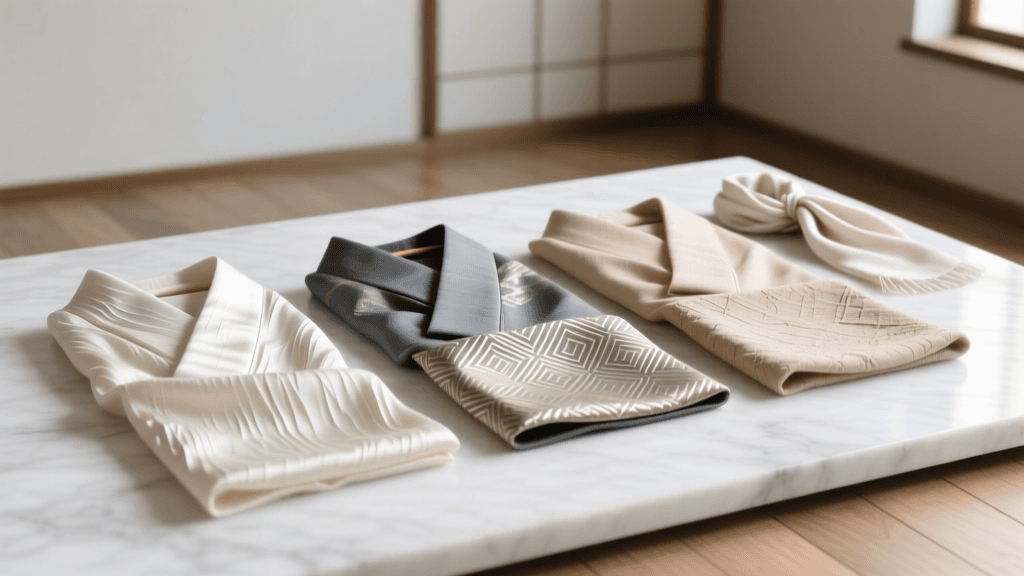
Chirimen is arguably the most widely recognized and frequently used silk fabric in Japanese kimono making. Its defining characteristic is its pebbled, crinkled texture, which gives the fabric a beautiful matte finish and an exceptional, fluid drape. This unique texture is achieved through a highly specialized weaving process. While the warp (longitudinal) threads are left straight, the weft (horizontal) threads are tightly twisted—often up to 3,000 times per meter—alternating between S-twist and Z-twist yarns. When the woven fabric is washed and boiled, the tension in the twisted weft threads releases, causing the fabric to shrink and creating the signature three-dimensional crepe surface.
Variations and Applications
There are several grades of Chirimen, including Omeshi, which is a heavier, stiffer variant often used for high-ranking formal wear. Because of its matte surface, Chirimen is the premier canvas for Yuzen dyeing, a resist-dyeing technique that allows artisans to paint intricate, multi-colored pictorial designs directly onto the fabric. It is highly resistant to wrinkling, making it a practical choice for both everyday wear and formal occasions.
Rinzu (Silk Damask): Luminous Elegance
Craftsmanship and Characteristics
If Chirimen is the matte workhorse of the kimono world, Rinzu is its luminous, aristocratic counterpart. Rinzu is a silk damask fabric characterized by its glossy, reflective surface and incredibly soft, supple hand-feel. It is woven on a Jacquard loom using a satin weave structure, where the warp threads float over multiple weft threads. This creates a smooth, light-reflecting background. Artisans often weave subtle, tone-on-tone patterns (such as cranes, clouds, or floral motifs) directly into the fabric, known as ji-mon (ground pattern).
Variations and Applications
Due to its brilliant sheen and heavy, luxurious drape, Rinzu is the fabric of choice for highly formal garments. It is predominantly used for furisode (the long-sleeved kimono worn by unmarried women) and uchikake (the heavily padded outer robe worn by brides). The glossy surface of Rinzu elevates the metallic gold and silver leaf (surihaku) and elaborate embroidery often applied to these celebratory garments.
Tsumugi (Silk Pongee): The Rustic Artisan
Craftsmanship and Characteristics
Tsumugi represents the rustic, "wabi-sabi" aesthetic of Japanese textiles. Unlike the smooth, continuous filaments used for Chirimen and Rinzu, Tsumugi is woven from spun silk noil—the short, leftover fibers from the silk reeling process. These short fibers are hand-spun into yarn, resulting in a fabric with a matte, slightly uneven, and crisp texture that resembles raw cotton or linen. Tsumugi is deeply associated with the kasuri (ikat) dyeing technique, where threads are tie-dyed before weaving to create blurred, geometric, or pictorial patterns.
Yuki Tsumugi and Oshima Tsumugi
Two regional variants of Tsumugi stand out for their extraordinary craftsmanship and value. Yuki Tsumugi, produced in Ibaraki Prefecture, is so highly regarded that it is inscribed on the UNESCO Intangible Cultural Heritage registry. It is renowned for its incredible lightness and warmth. Oshima Tsumugi, from Amami Oshima, is famous for its mud-dyeing process, where silk threads are repeatedly dyed in a natural mud rich in iron and tannic acid, resulting in a deep, lustrous black fabric with complex kasuri patterns.
Fabric Comparison Chart
| Fabric Type | Texture & Finish | Best Use Case | Average Cost (New / Bespoke) | Care Level |
|---|---|---|---|---|
| Chirimen (Crepe) | Matte, pebbled, fluid drape | Everyday wear, formal Yuzen-dyed kimono | $800 - $2,500 | Moderate |
| Rinzu (Damask) | Glossy, soft, heavy drape | Furisode, bridal Uchikake, formal events | $1,500 - $5,000+ | High (Requires expert handling) |
| Tsumugi (Pongee) | Matte, crisp, breathable, textured | Casual wear, tea ceremony, rustic elegance | $3,000 - $10,000+ | Low (Highly durable, but dry clean only) |
Practical Guide: Sourcing, Tailoring, and Care
Whether you are buying a vintage piece in Kyoto or commissioning a bespoke garment, understanding the practicalities of kimono ownership is vital for preserving your investment. The Victoria and Albert Museum's Asian Collections highlights that the longevity of these garments relies heavily on proper maintenance and an understanding of their structural geometry.
Sourcing and Pricing Expectations
The secondary market for vintage kimonos is vast. You can find beautiful, mid-20th-century Chirimen komon (everyday patterned kimono) for as little as $50 to $150 USD at antique markets like Kyoto's Toji Temple flea market. However, authentic, newly woven Tsumugi is a luxury investment. Because a single bolt of Oshima or Yuki Tsumugi can take an artisan up to a year to hand-spin, dye, and weave, retail prices for a new, unsewn tanmono easily start at $3,000 and can exceed $15,000 for master-level kasuri patterns.
Tailoring and Measurements
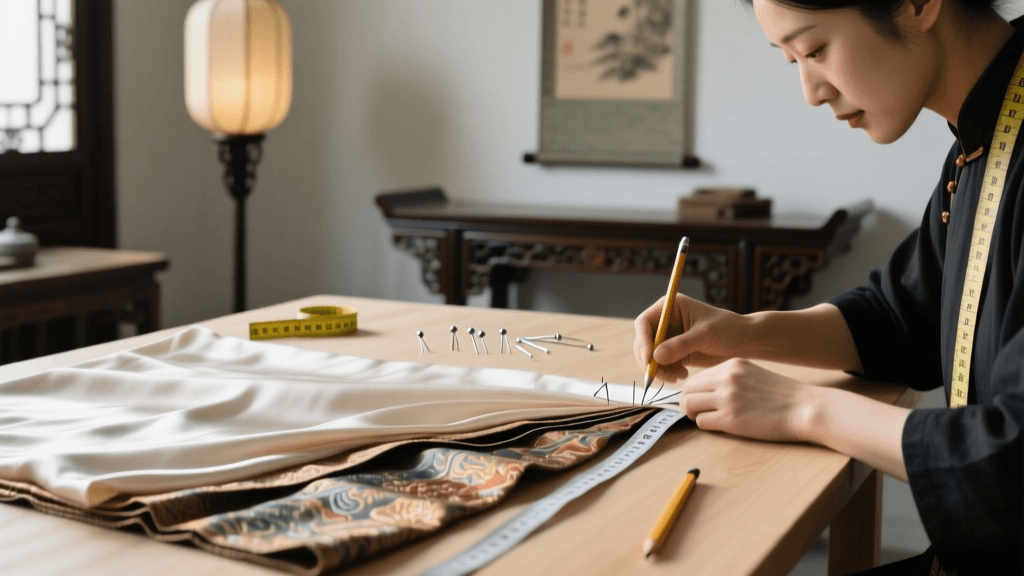
Kimono tailoring (wasai) does not rely on complex curved darts or fitted seams. Instead, the tailor folds and sews the 38cm wide tanmono using straight seams. If you are commissioning a custom kimono, the tailor will need three primary measurements: your height, your hip circumference, and your arm span (from wrist to wrist with arms extended). Because the fabric width is fixed at 38cm, individuals with wider hips or broader shoulders may require custom-woven wider bolts (hirosaba), which are rare and significantly more expensive, or the insertion of subtle fabric panels to adjust the fit.
Cleaning and Maintenance Costs
Never attempt to wash a silk kimono at home. Traditional Japanese dry cleaning, known as maruarai (literally "whole washing"), involves disassembling the kimono, washing the individual fabric panels in specialized solvents or water (depending on the dye), stretching them on bamboo frames to dry, and then resewing the garment. In Japan, a standard maruarai service costs between 5,000 and 10,000 JPY (approximately $35 to $70 USD) and takes about three to four weeks. If you live outside Japan, you must seek out specialized Japanese textile conservators, as standard Western dry cleaning chemicals can strip the delicate natural dyes and ruin the fabric's hand-feel.
Proper Storage Techniques
Silk is a protein fiber and is highly susceptible to moisture, light, and pests. When storing your Chirimen, Rinzu, or Tsumugi garments:
- Folding: Always fold the kimono along its original seam lines. Never hang a silk kimono on a hanger for long periods, as the weight of the fabric will distort the shoulders and stretch the delicate silk fibers.
- Wrapping: Wrap the folded garment in acid-free tatoushi (traditional Japanese storage paper). Avoid plastic bags, which trap moisture and encourage mold growth.
- Pest Control: Place natural shou (camphor) or specialized Japanese anti-moth papers in the storage drawer. Do not let the camphor touch the silk directly, as it can cause chemical reactions with metallic threads or certain dyes.
Conclusion
The world of kimono fabrics is a testament to Japan's profound dedication to material culture. Whether you are drawn to the wrinkle-resistant practicality and vibrant dyeing potential of Chirimen, the opulent, light-catching elegance of Rinzu, or the rustic, generational artistry of Tsumugi, each textile offers a unique window into Japanese history. By understanding the specific characteristics, measurements, and care requirements of these fabrics, collectors and wearers can ensure that these masterpieces of Asian tradition are preserved and appreciated for generations to come.