Hanfu Shopping Evolution: From Silk Markets to E-Commerce
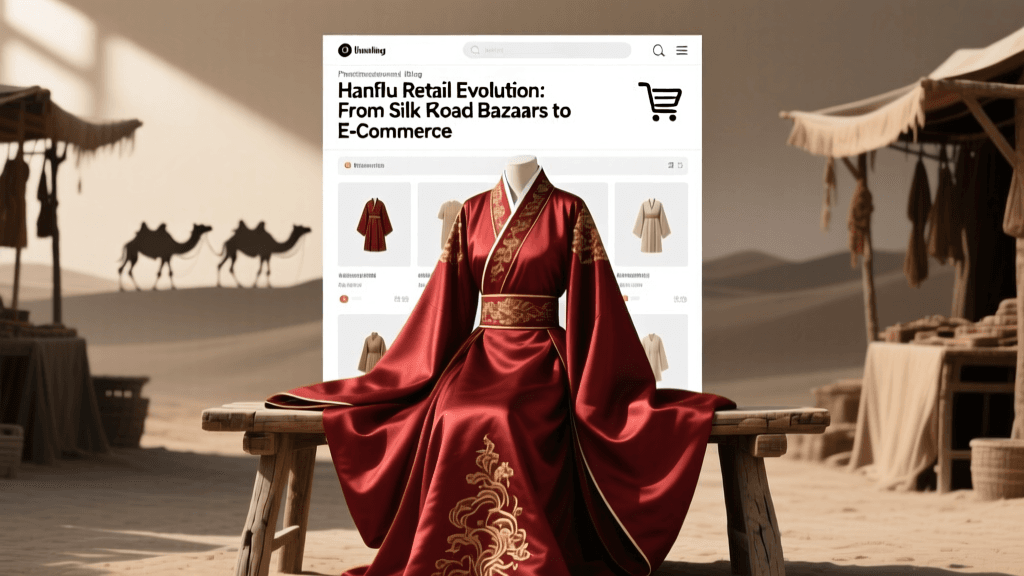
The Journey of the Garment: From Ancient Bazaars to Digital Storefronts
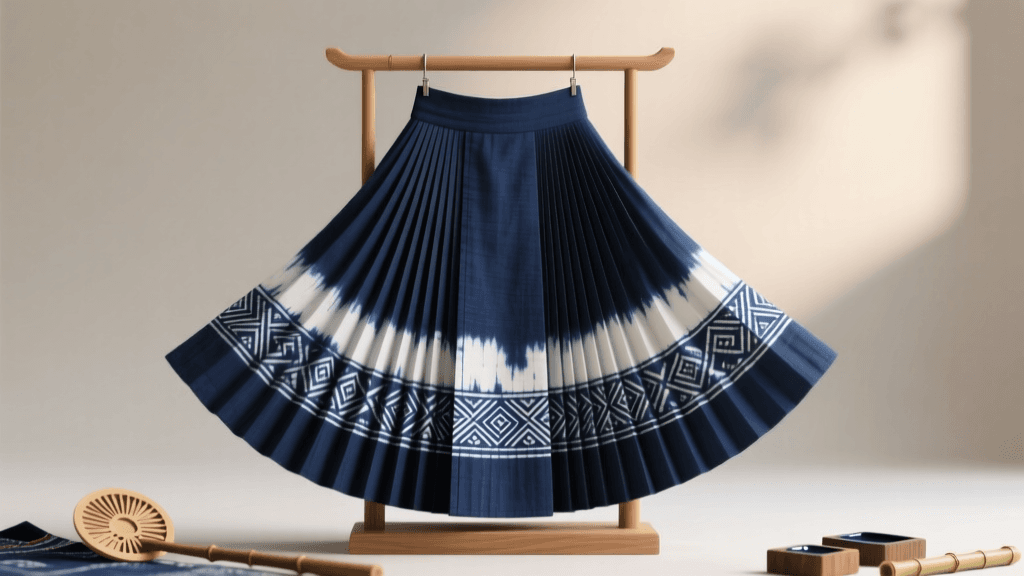
The procurement of traditional Chinese clothing has undergone a radical transformation over the centuries. Today, a modern enthusiast can acquire a meticulously crafted Ming dynasty Mamianqun (horse-face skirt) with a few taps on a smartphone, receiving it at their doorstep days later. However, this seamless digital transaction is the culmination of a millennia-old evolution in textile commerce. To truly appreciate the modern Hanfu movement, one must understand its commercial roots in the bustling, fragrant markets of ancient China and trace the journey to the algorithmic storefronts of today's e-commerce giants.
The Historical Bazaar: Sourcing Hanfu in Ancient China
In ancient China, particularly during the cosmopolitan Tang Dynasty (618–907 CE), acquiring clothing was an immersive, sensory experience centered around physical marketplaces. In the capital city of Chang'an, the East Market (Dongshi) and West Market (Xishi) were the epicenters of textile trade. The West Market, heavily influenced by the Silk Road, was where merchants from Central Asia, Persia, and beyond traded exotic dyes, intricate brocades, and raw silk.
Unlike today's ready-to-wear culture, ancient consumers rarely bought finished garments off the rack. Instead, the process was highly bespoke and multi-step:
- Sourcing the Fabric: Shoppers purchased bolts of raw silk, hemp, or linen from specialized weavers and merchants. According to The Metropolitan Museum of Art's Heilbrunn Timeline of Art History, the Silk Road was not just a conduit for finished goods, but a vital network for the exchange of raw textiles and weaving technologies that dictated local fashion.
- Consulting the Tailor: Fabric was then taken to a local tailor or kept within the household, where the women of the family would cut and sew the garments according to strict sumptuary laws that dictated colors, patterns, and motifs based on social rank.
- Embellishment: For the elite, garments were sent to specialized artisans for embroidery, a process that could take months to complete.
This decentralized, highly localized market system meant that clothing was a significant investment of both time and capital, serving as a primary indicator of regional identity and social standing.
The Modern Shift: Taobao and the Hanfu Renaissance
The modern Hanfu revival, which began gaining significant traction in the early 2000s, initially relied on small, niche forums and independent tailors. However, the explosion of e-commerce platforms fundamentally democratized access to traditional garments. As detailed in Wikipedia's comprehensive overview of Taobao, the platform's consumer-to-consumer (C2C) model allowed passionate hobbyists and small-scale historians to open storefronts with minimal overhead.
Suddenly, a university student in Beijing could purchase historically accurate Song dynasty Beizi (jackets) from a specialized studio in Hangzhou. Taobao and its premium counterpart, Tmall, became the digital equivalents of the ancient West Market, aggregating thousands of specialized merchants, fabric suppliers, and independent designers into one searchable ecosystem. This shift drastically reduced the cost of entry, transforming Hanfu from an elite, niche hobby into a mainstream cultural phenomenon embraced by millions of young Chinese consumers.
Live-Streaming and the New Era of Garment Commerce
The most recent evolution in Hanfu procurement is the rise of live-streaming commerce on platforms like Douyin (the Chinese version of TikTok) and Taobao Live. Because traditional garments rely heavily on the drape, weight, and movement of the fabric, static images are often insufficient. Live-streamers bridge this gap by performing real-time 'fabric drape tests,' 'spin tests' to show the flare of a Mamianqun, and detailed macro-shots of metallic embroidery threads.
This interactive format mimics the tactile negotiation and inspection of the ancient bazaar, but at a massive, scalable level. Viewers can ask the host to show how a specific collar sits on the shoulders or how the silk reacts to different lighting, receiving immediate visual feedback before clicking the integrated shopping cart link.
Practical Guide: Buying Hanfu Online Today
For modern consumers and international enthusiasts looking to navigate the Chinese e-commerce Hanfu market, understanding the mechanics, timing, and terminology is crucial. Here is actionable advice for procuring authentic garments online:
1. Understanding Costs and Tiers
The market is segmented by historical accuracy and material quality. Expect the following pricing structures (in USD):
- Entry-Level / Daily Wear ($30 - $60): Typically Song dynasty styles or simple Ming dynasty shirts. Made from polyester blends or basic cotton. Ideal for beginners and casual wear.
- Mid-Tier / Enthusiast ($80 - $180): Accurate historical patterns, better fabrics like viscose, chiffon, or basic silk blends. Often features machine embroidery or woven jacquard patterns.
- High-End / Collector ($250 - $800+): Museum-grade replicas, genuine mulberry silk, real gold-leaf thread work, and hand-embroidery. These are often produced by heritage studios.
2. Navigating the Pre-Sale (预售) Model
Unlike Western fast fashion, high-quality Hanfu is frequently sold on a pre-order basis to minimize inventory waste for small studios. When you see '预售' (Pre-sale) on a product page, be prepared to wait 30 to 60 days for the garment to be woven, tailored, and shipped. Always check the estimated shipping date in the product details before purchasing.
3. Timing Your Purchases
To secure the best prices, align your shopping with China's major e-commerce festivals. The 618 Festival (June 18) and Double 11 (Singles' Day, November 11) offer the steepest discounts, cross-store coupons, and exclusive gift-with-purchase accessories like hairpins or folding fans.
Traditional Bazaars vs. Modern E-Commerce
The following table illustrates the stark contrast between historical procurement methods and the modern digital marketplace:
| Feature | Ancient Silk Market (e.g., Tang Dynasty) | Modern E-Commerce (Taobao / Tmall) |
|---|---|---|
| Sourcing | Direct from regional weavers or Silk Road merchants | Direct from heritage factories or independent digital studios |
| Customization | Bespoke tailoring based on local bolts of cloth | Standardized sizing with optional made-to-measure add-ons |
| Wait Time | Weeks to months for weaving and hand-stitching | 3-7 days for in-stock items; 30-60 days for pre-sale batches |
| Price Transparency | Negotiation-based, varied heavily by haggling | Fixed pricing, transparent buyer reviews and sales history |
| Quality Control | Physical inspection of the weave and dye fastness | Reliance on user-generated photos, live-streams, and return policies |
Navigating Sizing, Authenticity, and Returns
One of the greatest hurdles for international buyers is ensuring authenticity and proper fit. The modern market is flooded with 'costume-grade' clothing, often referred to derogatorily by enthusiasts as 'Yinglou Zhuang' (studio costumes), which prioritize fantasy aesthetics over historical accuracy.
Search Terms for Authenticity
To filter out Halloween-style costumes and find historically grounded garments, use specific Chinese search terms on e-commerce platforms:
- 正统汉服 (Zhengtong Hanfu): Orthodox or historically accurate Hanfu.
- 复原款 (Fuyuan Kuan): Restored/replica styles based on archaeological findings or historical paintings.
- 明制 (Ming Zhi) / 宋制 (Song Zhi): Ming system / Song system (refers to specific dynasty styles, which are usually more accurate than generic searches).
For ongoing insights into how modern brands balance historical accuracy with commercial viability, the South China Morning Post's dedicated Hanfu topic archive provides excellent journalistic coverage of the industry's leading designers and market trends.
Mastering Hanfu Measurements
Traditional Chinese garments are cut using a flat-laying, 2D pattern system, unlike the 3D darted tailoring of Western clothing. Therefore, standard Western sizing (S, M, L) is highly unreliable. You must know your exact measurements in centimeters:
- Height and Weight: Crucial for determining the correct skirt length (especially for Mamianqun, which should sit precisely at the ankle or instep).
- Bust and Waist: Measured in cm. Note that Hanfu tops (like the Ao or Ru) often require a 5-10cm allowance for comfortable layering and the traditional silhouette.
- Shoulder Width: Measured from the edge of one shoulder bone to the other. Since traditional garments often feature drop-shoulders, this measurement ensures the collar lays flat against the collarbone without slipping.
Conclusion
The evolution of Hanfu procurement from the dusty, vibrant alleys of the Chang'an West Market to the high-definition, algorithm-driven storefronts of modern e-commerce is a testament to the enduring appeal of traditional Chinese aesthetics. While the mechanisms of trade have shifted from haggling over raw silk bolts to clicking 'add to cart' during a live-stream, the core desire remains unchanged: the profound human connection to heritage, identity, and the artistry of the woven thread. By understanding both the historical context and the practical nuances of modern digital marketplaces, today's consumers can respectfully and accurately participate in this living, breathing sartorial renaissance.