Hanfu Travel Guide: Photoshoots at Chinese Heritage Sites
The Hanfu Tourism Renaissance
In recent years, the Hanfu movement has transcended urban street fashion and cosplay conventions to become a cornerstone of domestic cultural tourism in China. Travelers are no longer just visiting historical landmarks; they are immersing themselves in the living history of these spaces by wearing traditional Chinese garments. For content creators, travel bloggers, and cultural enthusiasts, combining Hanfu with destination tourism offers a visually stunning narrative that performs exceptionally well on platforms like Douyin, Xiaohongshu, and Instagram. However, executing a flawless heritage photoshoot requires meticulous planning, from selecting era-appropriate garments to navigating the logistics of crowded tourist sites.
This comprehensive guide will walk you through the best heritage destinations, how to match your Hanfu style to the architecture, practical rental logistics, and the social media strategies needed to make your content go viral.
Top Heritage Destinations for Hanfu Photography
Choosing the right backdrop is critical for your photoshoot. Different regions in China boast distinct architectural styles and natural landscapes that pair best with specific historical eras of Hanfu. Below is a comparison chart of the top destinations for Hanfu tourism.
| Destination | Best Hanfu Era | Peak Season | Aesthetic & Vibe |
|---|---|---|---|
| Xi'an (City Wall, Tang Paradise) | Tang Dynasty | Spring & Autumn | Grand, vibrant, cosmopolitan, rich colors |
| Hangzhou (West Lake, Lingyin Temple) | Song Dynasty | Early Summer & Autumn | Elegant, minimalist, poetic, water-centric |
| Beijing (Forbidden City, Temple of Heaven) | Ming Dynasty | Late Autumn & Winter | Regal, structured, imposing, symmetrical |
| Luoyang (Longmen Grottoes, Lijing Gate) | Wei/Jin & Tang | Spring | Ethereal, spiritual, ancient, stone textures |
When planning a trip to Beijing, a visit to the Imperial Palaces of the Ming and Qing Dynasties provides an unparalleled backdrop. The striking red walls and golden roof tiles create a high-contrast environment that makes the intricate embroidery of Ming-style garments pop on camera. Conversely, for those seeking a softer, more romantic aesthetic, the West Lake Cultural Landscape of Hangzhou offers misty waters, weeping willows, and ancient pavilions that perfectly complement the flowing, understated elegance of Song Dynasty attire.
Matching Hanfu Styles to Your Destination
To create a cohesive and historically resonant visual story, it is important to align your garment choice with the architectural era of your destination.
Tang Dynasty (Qixiong Ruqun & Yuanlingpao)
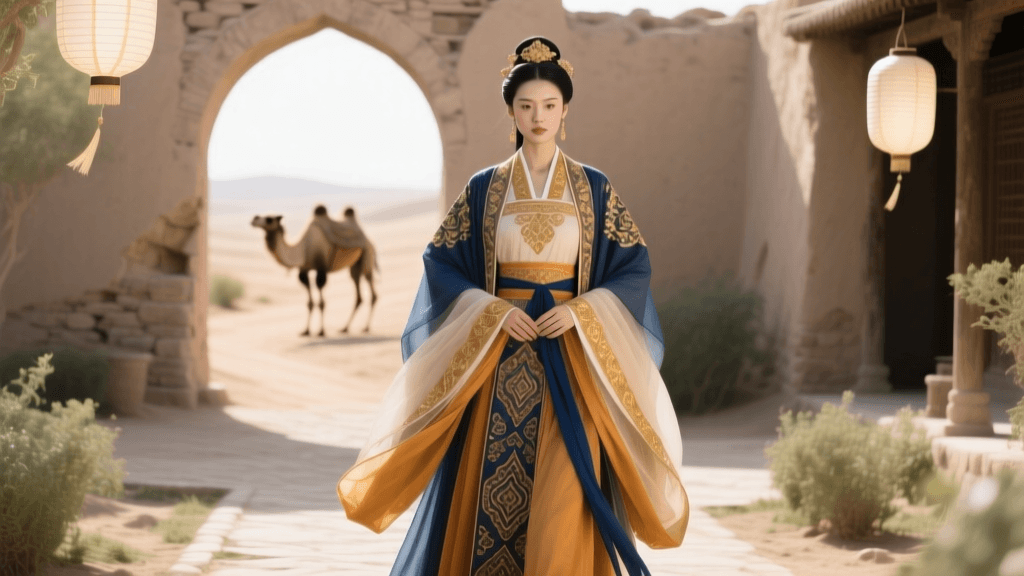
Xi'an, the ancient capital of Chang'an, is the ultimate destination for Tang Dynasty Hanfu. The Qixiong Ruqun (chest-high skirt) with its wide, flowing sleeves and vibrant silk patterns reflects the prosperous and open nature of the Tang era. For a more gender-neutral or masculine look, the Yuanlingpao (round-collar robe) paired with a leather belt and boots is ideal for photoshoots along the ancient Xi'an City Wall.
Song Dynasty (Beizi & Pleated Skirts)
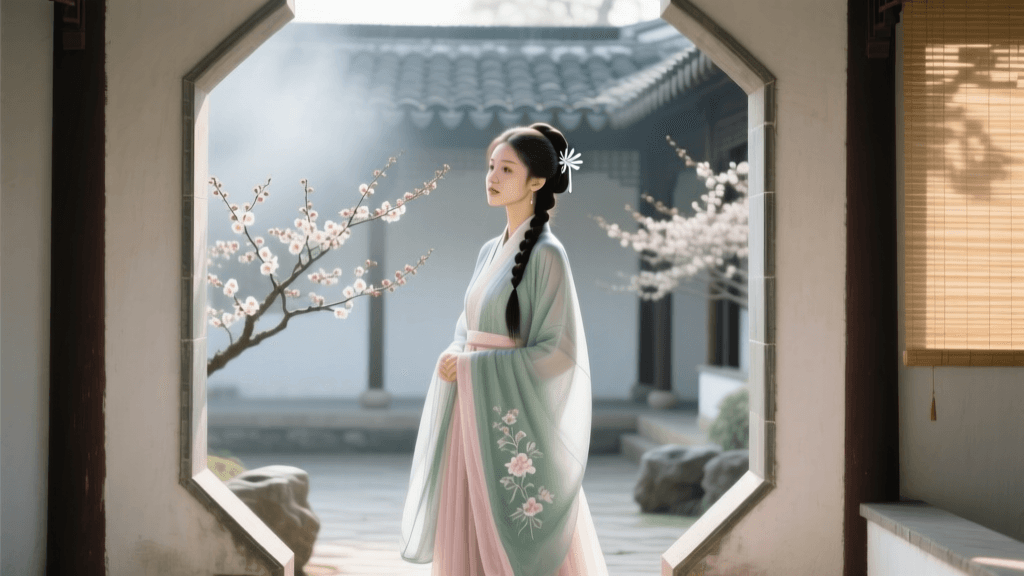
Hangzhou and Suzhou are famous for their classical gardens and water towns, which align perfectly with Song Dynasty aesthetics. The Song Beizi (a long, open-front coat) worn over a pleated skirt and camisole offers a slender, refined silhouette. The color palette should lean towards muted, earthy tones like celadon, pearl white, and soft lilac to match the misty, poetic vibe of the Jiangnan region.
Ming Dynasty (Mamianqun & Aoqun)
Beijing's imposing imperial architecture demands the structured grandeur of Ming Dynasty clothing. The Mamianqun (horse-face skirt) paired with an Ao (jacket) featuring a standing collar and metal buttons exudes authority and elegance. According to historical textile archives preserved by The Palace Museum, Ming garments often featured intricate woven gold threads and heavy brocades, which catch the winter sunlight beautifully against the Forbidden City's red walls.
Fabric Choices and Travel Logistics
Traveling with Hanfu requires balancing aesthetic authenticity with practical comfort. Traditional silk, while beautiful, wrinkles easily and is difficult to maintain in a hotel room. For destination tourism, consider the following fabric and logistics tips:
- Fabric Selection: Opt for high-quality polyester-silk blends or jacquard cotton. These materials drape beautifully on camera, resist wrinkling during transit, and are much easier to hand-wash in a hotel sink if needed.
- Layering for Weather: Heritage sites often involve long walks and exposure to the elements. In winter, wear thermal underlayers (such as flesh-toned thermal tops and fleece-lined leggings) beneath your Hanfu. In summer, choose breathable linen-blend Ruqun to prevent heat exhaustion.
- Rental vs. Purchasing: If you do not own Hanfu, rental shops are abundant near major sites. In Xi'an and Luoyang, a full day rental (including garment, accessories, and basic hair styling) typically costs between 150 to 300 RMB ($20-$40 USD). High-end boutiques offering custom makeup and professional styling charge upwards of 500 RMB.
- Timing the Shoot: To avoid the massive crowds that plague sites like the Forbidden City or West Lake, arrive right at opening time (usually 8:00 AM or 8:30 AM). The morning light provides a soft, diffused glow that is highly flattering for portrait photography, and you will have the architectural features largely to yourself.
Mastering the Social Media Aesthetic
Capturing the photos is only half the battle; optimizing them for social media platforms like Douyin (the Chinese version of TikTok) and Xiaohongshu (Little Red Book) requires an understanding of current visual trends.
The Xiaohongshu Posing Guide
Xiaohongshu users favor highly curated, editorial-style imagery. To achieve this look:
- Use Architectural Framing: Utilize moon gates, lattice windows, and arched bridges to frame your subject. This adds depth and a voyeuristic, cinematic quality to the image.
- Dynamic Movement: Static poses often look stiff. Have the photographer capture you mid-motion—twirling to flare the Mamianqun, walking away while looking over your shoulder, or gently tossing a paper fan.
- Props are Essential: Carry era-appropriate props to give your hands something to do. Oiled paper umbrellas, bamboo flutes, round silk fans, and hanging lanterns are inexpensive to buy at local tourist markets and elevate the storytelling aspect of your photos.
Douyin Video Transitions
On Douyin, the 'Hanfu Transformation' video remains a dominant trend. The most successful format involves starting in modern, casual clothing in a mundane setting (like a subway station or hotel room), followed by a beat-drop transition to the fully styled Hanfu look in front of a majestic heritage site. To film this:
- Camera Gear: A smartphone with a good portrait mode is sufficient, but using a gimbal ensures smooth panning shots. For DSLR users, a 35mm lens is ideal for capturing both the outfit and the surrounding architecture, while an 85mm lens is perfect for compressed, intimate portraits.
- Golden Hour Backlighting: Film your video sequences during the golden hour (the hour before sunset). The warm, directional light will highlight the metallic threads in your embroidery and create a glowing halo effect on your hair accessories.
- Trending Audio: Use traditional Chinese instrumental tracks that have been remixed with modern lo-fi or electronic beats. This bridges the gap between ancient tradition and modern youth culture, a core theme of the Hanfu movement.
Respecting the Culture and the Sites
While creating stunning content is the goal, it is vital to remember that these locations are protected cultural heritage sites. Always adhere to the rules of the venue. Tripods are often banned inside the main gates of the Forbidden City and many classical gardens to prevent obstructing walkways, so rely on a monopod or a travel companion to shoot your content. Furthermore, ensure your garments are worn correctly according to traditional guidelines—such as keeping the left lapel over the right (Jiaoling Youren)—as the Hanfu community online is highly attentive to historical accuracy and respectful representation.
By thoughtfully combining historical research, strategic travel planning, and modern social media techniques, you can create breathtaking Hanfu content that not only garners engagement but also celebrates the profound beauty of Asian sartorial traditions.