Mastering Seasonal Kimono Layering and Dressing Rules
The Japanese Philosophy of Seasonal Dressing
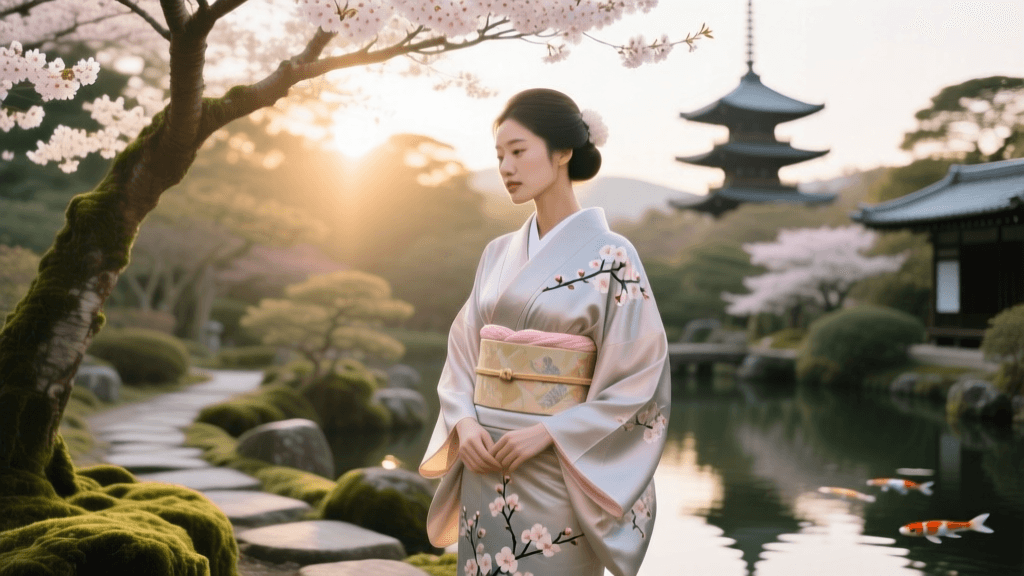
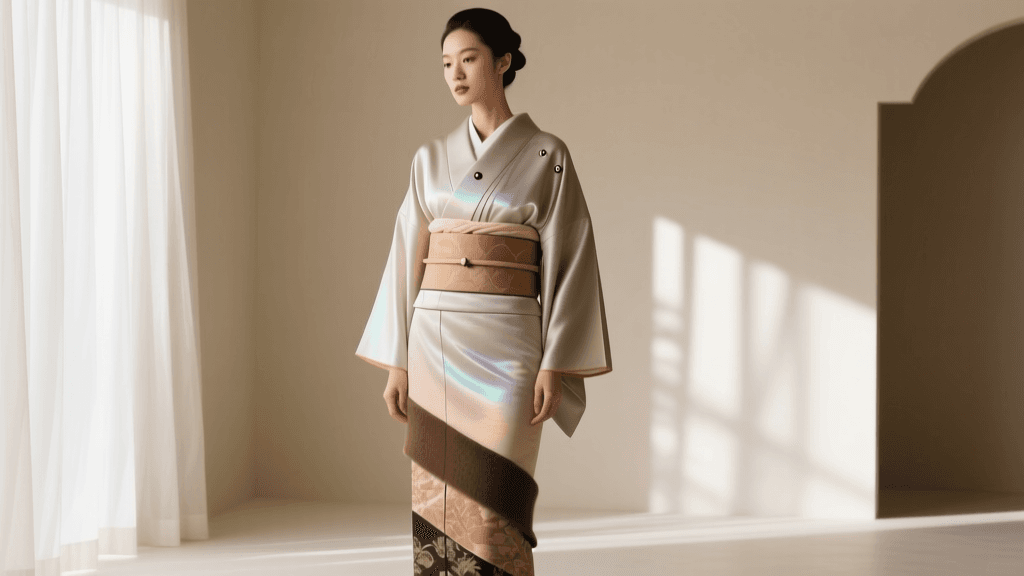
The Japanese concept of time is inextricably linked to the changing of the seasons, a philosophy that manifests profoundly in traditional clothing. The practice of koromogae (the seasonal changing of the wardrobe) is not merely a response to weather, but a deeply ingrained cultural ritual that honors the fleeting beauty of nature. According to the Metropolitan Museum of Art, the kimono serves as a canvas for seasonal expression, where motifs, colors, and fabric weights shift in precise alignment with the natural calendar. For modern practitioners and enthusiasts of Asian traditions, mastering the rules of seasonal kimono layering and dressing techniques is essential for both comfort and cultural authenticity.
The Strict Calendar of Silk: Awase, Hitoe, and Usugimono
Unlike Western fashion, which transitions fluidly based on daily weather, traditional Japanese dressing adheres to a strict, historically defined calendar. The foundation of seasonal wear relies on three primary garment constructions, each designated for specific months of the year. Wearing a lined kimono in the peak of August, or a sheer silk in November, is considered a significant sartorial faux pas.
| Season | Garment Type | Fabric Characteristics | Designated Months |
|---|---|---|---|
| Spring, Autumn, Winter | Awase (Lined) | Opaque, lined with solid silk (e.g., Chirimen, Rinzu) | October 1 – May 31 |
| Early Summer / Early Autumn | Hitoe (Unlined) | Single layer of opaque silk or cotton (e.g., Tsumugi) | June 1 – June 30 & Sept 1 – Sept 30 |
| Peak Summer | Usugimono (Sheer) | Woven with open gaps for ventilation (e.g., Ro, Sha, Hemp) | July 1 – August 31 |
The transition periods of June and September require the hitoe, an unlined kimono that provides a visual lightness while maintaining modesty. July and August demand usugimono, utilizing specialized weaving techniques like Ro (striped sheer weaves) and Sha (gossamer-like open weaves). The Victoria and Albert Museum notes in their comprehensive guide to the kimono that these sheer textiles require immense technical skill to weave, as the warp threads are twisted to create intentional gaps that catch the breeze while maintaining structural integrity.
Summer Dressing Techniques: Beating the Heat with Elegance
Dressing for a Japanese summer, where humidity frequently exceeds 80%, requires specialized undergarments and tying techniques to prevent heat exhaustion while maintaining the garment's pristine silhouette.
Strategic Undergarments and Ventilation
The foundation of summer dressing begins with the hadajuban (undershirt) and koshimaki (wrap skirt). Modern dressers should opt for seersucker cotton, linen, or specialized cooling synthetic blends like Aspura. A crucial dressing technique for summer is the adjustment of the eri (collar). While winter dressing calls for a tight, high collar, summer dressing utilizes a deeper nukinuki (the pulling back of the collar from the nape of the neck). By pulling the collar back an extra 1 to 1.5 inches, dressers create a natural chimney effect, allowing trapped body heat to escape upward.
Cooling Accessories and Obi Knots
To secure the kimono, traditional cotton koshihimo (tying belts) can become heavy and sweat-inducing. Instead, practitioners use mesh or hemp-core datejime (wide under-belts) which promote airflow around the torso. For the obi itself, summer calls for lighter, more breathable weaves such as Hakata-ori or sheer ra silk. The knot should be visually and physically lighter; the Bunko (bow knot) or a compact Kai-no-kuchi is preferred over the voluminous, heavy Otaiko (drum knot) used in cooler months, reducing insulation over the lower back.
Winter Warmth: Strategic Layering and Insulation
Winter kimono dressing prioritizes thermal retention without disrupting the sleek, cylindrical silhouette of the garment. Because the kimono lacks zippers or buttons, cold air can easily enter through the sleeves and hem, necessitating clever layering techniques.
The Art of the Nagajuban and Hanten
The nagajuban (full-length under-kimono) is the primary insulator. In winter, a padded haneri (decorative collar) made of velvet or thick silk is attached to the nagajuban to protect the neck from drafts. Beneath the nagajuban, modern wearers often utilize specialized thermal innerwear, such as Uniqlo's Heattech, carefully tucked to remain invisible at the collar and sleeves. Over the kimono, a haori (hip-length jacket) or a hanten (padded jacket) is worn outdoors. The haori is tied at the front with a decorative haori himo (braided cord), which can be swapped for heavier, tasseled wool or velvet cords in January and February.
Heat Pack Placement and Footwear
A highly practical, modern dressing hack involves the strategic placement of kairo (adhesive heat packs). Dressers place one heat pack on the lower back (over the koshimaki) and one on the lower abdomen. This warms the core blood flow without creating unsightly bulges under the silk. For the feet, standard cotton tabi are replaced with neiri-tabi (flannel-lined or quilted tabi), ensuring warmth when kneeling on cold tatami mats or wooden temple floors.
The Art of Kasane no Irome: Seasonal Color Layering
Seasonal dressing extends beyond fabric weight into the realm of color. The Heian-period practice of Kasane no Irome (layering of colors) originally involved wearing up to twelve unlined silk robes, with the colors of the inner layers peeking out at the cuffs and hems. Today, this is adapted through the layering of the kimono, nagajuban, obi, obijime (cord), and obidome (brooch).
Translating Historical Layers to Modern Styling
In contemporary dressing, the 'layering' is achieved by contrasting the inner collar (haneri) with the outer kimono and obi. For example, in early spring (March), a pale pink Awase kimono might be paired with a vibrant green obi and a yellow obijime, mimicking the visual of plum blossoms against new willow leaves. In autumn (November), the palette shifts to koyo (autumn leaves), combining deep burgundy silks with gold-brocade obis and burnt-orange cords. As highlighted in a Japan Times review of the V&A's landmark Kimono exhibition, the evolution of these color rules demonstrates how Japanese fashion has historically served as a wearable almanac, reflecting the micro-seasons of the archipelago.
Modern Adaptations, Costs, and Garment Care
Acquiring and maintaining a full seasonal wardrobe can be an investment. Understanding the market for these garments helps modern enthusiasts build a functional collection.
- Vintage Awase (Lined) Silk: Readily available at recycle shops in Kyoto and Tokyo. Expect to pay between $40 and $150 USD for excellent condition vintage pieces. These are ideal for autumn and winter wear.
- New Hitoe and Ro/Shaq Silks: Because sheer summer silks are fragile and prone to snagging, high-quality new Ro or Sha kimono are often custom-woven. Prices for new, artisan-woven summer kimono typically range from $1,200 to over $3,500 USD.
- Care and Maintenance: Summer sheer silks require specialized cleaning. They must be hand-washed by professionals using mild agents, as the open weaves can easily distort. Winter Awase kimono, being lined, generally require dry cleaning (maruarai) to prevent the inner and outer silk layers from shrinking at different rates, which causes puckering.
Conclusion
Mastering the seasonal wear and dressing techniques of the Japanese kimono is a journey into a culture that reveres the passage of time. From the breezy, open weaves of a July Sha kimono to the insulated, richly layered silks of a January Awase, each garment demands specific undergarments, tying methods, and color palettes. By adhering to the traditional calendar of koromogae and utilizing modern thermal adaptations, wearers can experience the profound elegance of Asian sartorial traditions comfortably and authentically, no matter the season.