Mastering Kimono Layering: A Seasonal Dressing Guide
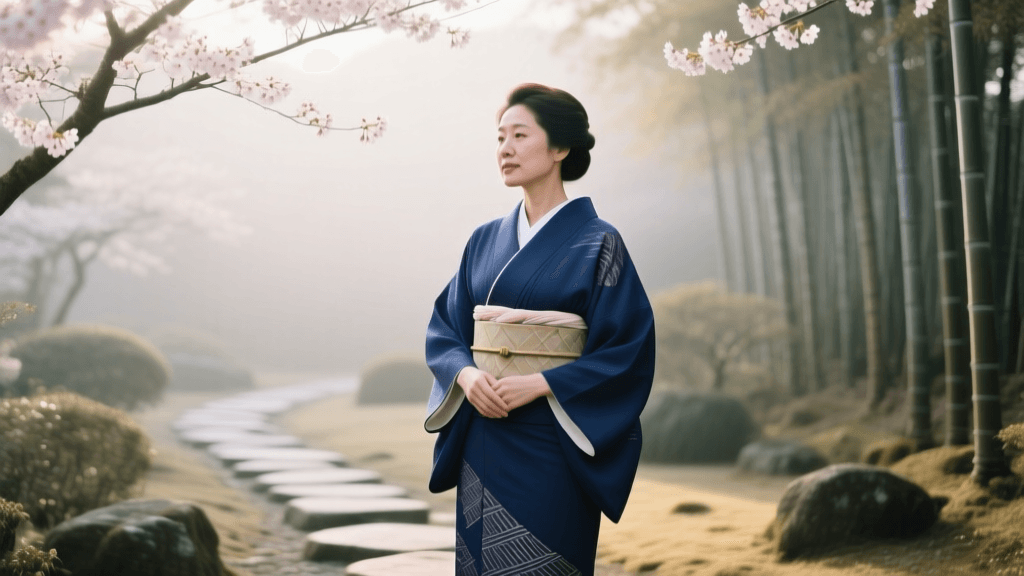
The Japanese concept of shiki (the four seasons) profoundly influences its traditional arts, and nowhere is this more evident than in the sartorial practice of koromogae (衣替え), or the seasonal changing of the wardrobe. For the modern kimono enthusiast, mastering seasonal wear and dressing techniques is not merely about physical comfort; it is a profound expression of cultural respect, aesthetic awareness, and historical continuity. According to the Victoria and Albert Museum, the kimono is not just a garment but a canvas that reflects the natural world, with its layers, fabrics, and motifs shifting in precise harmony with the calendar.
The Rule of Koromogae: Timing the Transition
Historically originating in the Heian period (794–1185) court, koromogae was a formalized ritual where courtiers would transition their wardrobes on specific days to reflect the changing climate and seasonal poetry. Today, the traditional kimono calendar divides the year into three primary fabric seasons, with two major transition dates. The shift from winter to summer garments traditionally occurs on June 1st, while the return to winter garments happens on October 1st.
However, modern practitioners often adapt these rigid dates to accommodate contemporary climate realities. With Japan experiencing earlier, more humid summers, many modern wearers begin transitioning to breathable, unlined garments in mid-May. Understanding the architecture of kimono layering requires a deep dive into the specific weaves, undergarments, and dressing techniques that make these seasonal shifts both beautiful and functional.
Seasonal Fabrics: Awase, Hitoe, and Ro
The foundation of seasonal kimono dressing lies in the construction and weave of the main garment. The Metropolitan Museum of Art notes that the evolution of Japanese textile techniques was heavily driven by the need to create fabrics that could provide warmth in winter and cooling ventilation in the humid summer months.
Winter and Spring: Awase (Lined Kimono)
Worn from October through May, the awase is a fully lined kimono. The outer layer is typically made of silk crepe (chirimen) or spun silk (tsumugi), while the inner lining (dougi) is made of smooth, lightweight silk habotai or modern synthetic blends. The lining serves a dual purpose: it provides insulation against the cold and gives the garment structural weight, allowing it to drape elegantly over the body. When dressing in an awase, the friction between the silk lining and the undergarments helps keep the heavy folds in place throughout the day.
Transitional Months: Hitoe (Unlined Kimono)
For the months of June and September, the hitoe is the garment of choice. Translating literally to 'single layer,' the hitoe is constructed without an inner lining. The raw edges of the seams are meticulously folded and stitched inward. Because it lacks the weight of a lining, the hitoe requires a slightly different dressing technique; the wearer must rely more heavily on the date-jime (binding sash) to secure the waist fold, as the fabric is more prone to slipping. Hitoe garments often feature motifs of cool, flowing water or autumn grasses to evoke a sense of visual temperature control.
Peak Summer: Ro and Sha (Sheer Kimono)
During the sweltering months of July and August, wearers transition to usugata (sheer garments). The most prestigious of these is the ro kimono, woven using a complex leno-weave technique that creates alternating bands of solid silk and sheer, gauze-like horizontal stripes. Sha is another sheer weave, characterized by a continuous, lightweight mesh. Dressing in ro requires an acute awareness of the undergarments, as they will be partially visible through the sheer fabric. The aesthetic goal is to create an illusion of coolness, often paired with glass or bamboo accessories.
The Architecture of Layering: Undergarments and Padding
A kimono is rarely worn directly against the skin. The layering system is an intricate engineering feat designed to transform the human body into a smooth, cylindrical canvas, which is considered the ideal silhouette in traditional Japanese aesthetics.
- Hadajuban and Susoyoke: The base layer consists of the hadajuban (a short-sleeved undershirt) and the susoyoke (a half-slip). In winter, these are made of soft cotton or silk to retain body heat. In summer, modern wearers frequently substitute these with moisture-wicking technological fabrics like Uniqlo's AIRism line, which costs around ¥1,500 to ¥2,500 and provides essential cooling and sweat protection for expensive silk outer layers.
- Nagajuban (Under-Kimono): This is the secondary layer that protects the main kimono from skin oils and sweat. The nagajuban also dictates the collar presentation. In winter, a lined silk nagajuban is worn. In summer, a sheer ro or unlined linen nagajuban is required. The collar is reinforced with an eri-shin (collar stiffener), typically measuring 90 cm in length and 5 cm in width, ensuring a crisp, elegant neckline.
- The Ohashori (Waist Fold): Because kimonos are woven in standard lengths (typically around 160 cm for women), they are wrapped tightly and folded at the waist to adjust the hemline. This fold, called the ohashori, should ideally measure between 5 cm and 7 cm in thickness. Achieving a perfectly level ohashori requires the use of a koshi-himo (waist tie) and careful padding (kimono pad) around the hips to smooth out the body's natural curves.
Seasonal Kimono Dressing Chart
The following chart serves as a practical reference for aligning your garments, underlayers, and accessories with the traditional kimono calendar.
| Months | Season | Kimono Type | Fabric Weave | Nagajuban (Undergarment) | Obi Style |
|---|---|---|---|---|---|
| Oct - May | Winter / Spring | Awase (Lined) | Silk Crepe (Chirimen) | Lined Silk or Synthetic | Fukuro (Brocade) |
| Jun & Sep | Early Summer / Autumn | Hitoe (Unlined) | Tsumugi / Ro-Komi | Unlined Cotton or Silk | Nagoya (Silk/Brocade) |
| Jul - Aug | Peak Summer | Ro / Sha (Sheer) | Leno-weave / Gauze | Unlined Linen or Mesh | Hanhaba / Ro Nagoya |
Modern Adaptations and Practical Costs
Maintaining a seasonal kimono wardrobe requires a significant investment of both time and capital. The transition periods of June and October are the busiest times for kimono dry cleaners (arai-hari services). Professionally cleaning and re-lining an awase kimono can cost between ¥5,000 and ¥12,000, depending on the condition of the silk and the extent of stain treatment required. By contrast, maintaining a summer ro kimono is generally less expensive, with cleaning costs averaging ¥3,000 to ¥5,000, as there is no lining to trap moisture and oils.
For contemporary wearers navigating modern urban environments with heavy air conditioning and heated trains, the strict rules of koromogae are often bent for practicality. It is now widely acceptable to wear a lightweight, unlined hitoe in late May if the weather demands it. Furthermore, the use of modern cooling sprays (such as Biore's freezing body sheets) applied to the susoyoke before dressing has become a standard technique for surviving outdoor summer festivals (matsuri) while wearing formal sheer garments.
Ultimately, mastering the seasonal dressing of the kimono is an ongoing dialogue between the wearer, the textile, and the environment. By understanding the historical context of koromogae and applying modern practical techniques, enthusiasts can honor the rich legacy of Japanese garment traditions while remaining comfortable and stylish throughout the year.