The Complete Hanfu Ensemble: Styling With Jade Hair Accessories
The Art of the Complete Hanfu Ensemble
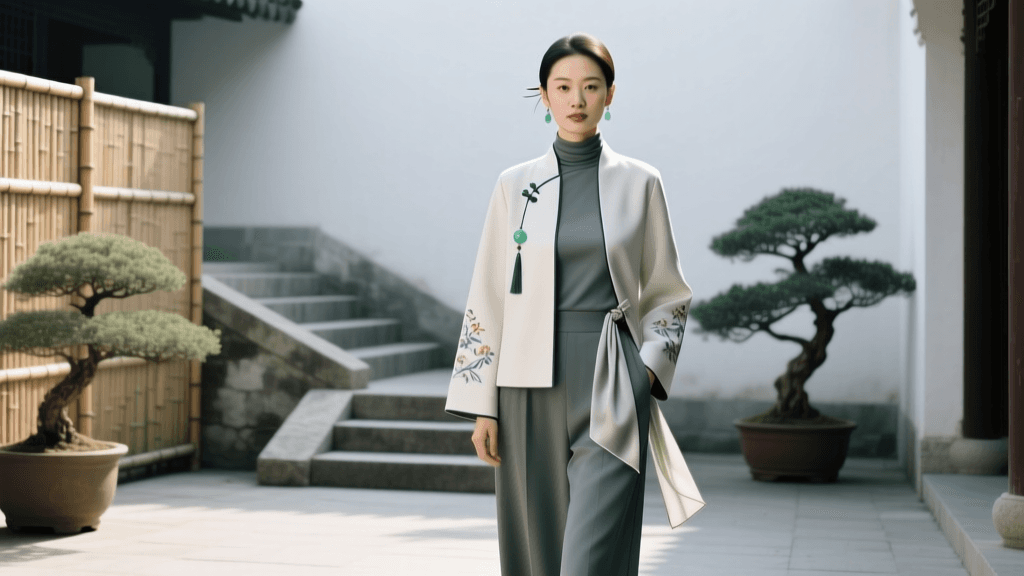
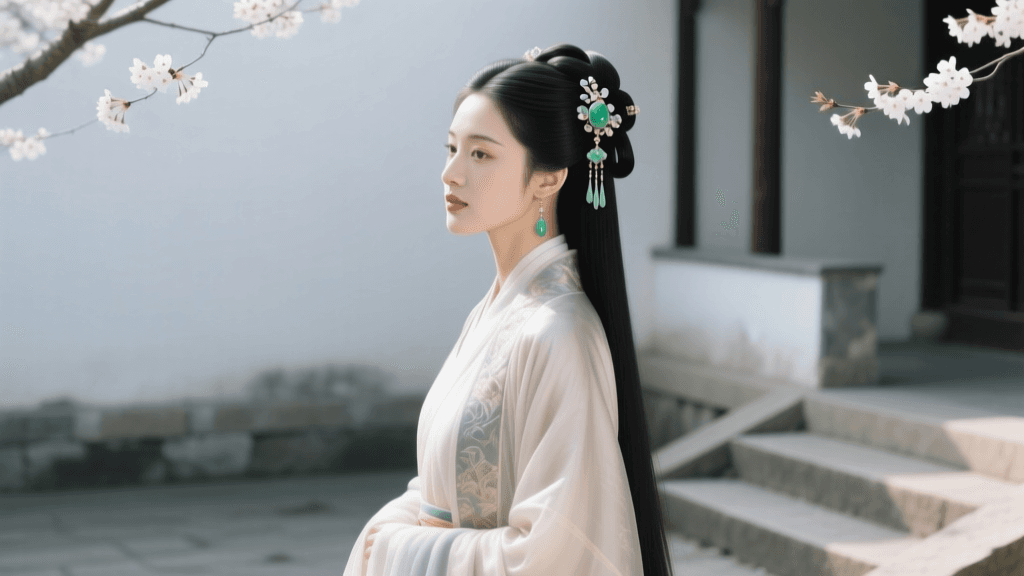
The modern Hanfu revival is not merely about donning a historical garment; it is about embracing a comprehensive aesthetic system. In traditional Chinese culture, an outfit is never considered complete without shoufu (headwear and hair accessories). A meticulously styled Hanfu ensemble harmonizes the drape of silk, the structure of the silhouette, and the subtle gleam of jade hair ornaments. Whether you are preparing for a traditional festival, a Hanfu convention, or a cultural photoshoot, understanding how to integrate jade accessories into your look elevates your attire from a simple costume to a profound expression of Asian heritage.
The Anatomy of a Formal Hanfu Outfit
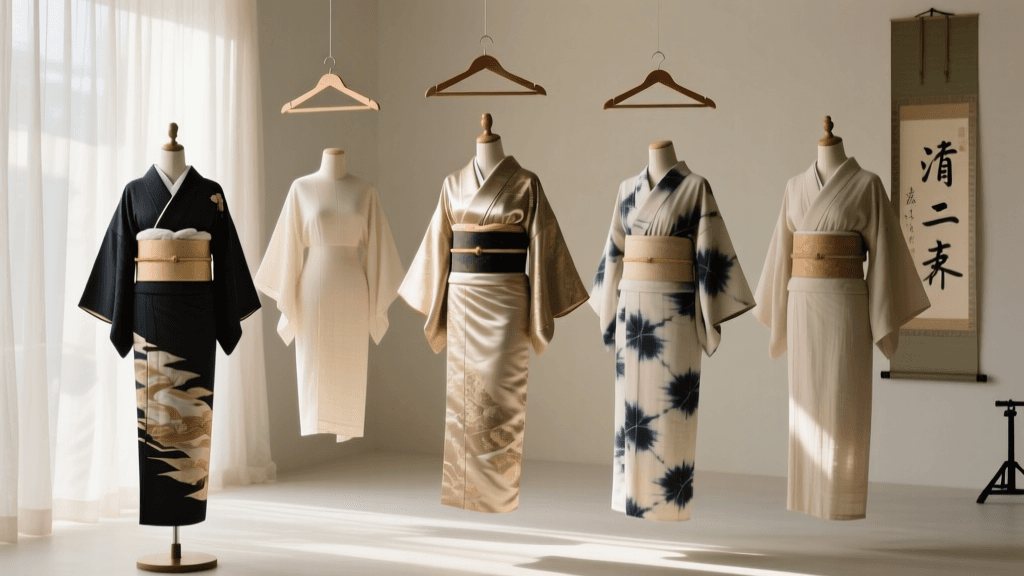
Before selecting hair ornaments, one must understand the canvas they are complementing. A formal Hanfu ensemble typically consists of three layers: the zhongyi (inner garment), the main garment (such as a ruqun or aoqun), and outerwear (like a pibo stole or a dousu cloak). The textile choices heavily dictate the appropriate jewelry. For instance, a luxurious Ming Dynasty aoqun (jacket and skirt) often utilizes heavy brocades. Historically, the most prestigious of these textiles was created using Nanjing Yunjin weaving, a UNESCO-recognized Intangible Cultural Heritage known for its intricate cloud patterns and incorporation of gold and peacock feather threads. When wearing such opulent, structured fabrics, heavy and ornate jade hair accessories are required to balance the visual weight of the outfit.
Understanding Jade: Nephrite vs. Jadeite
In the West, the term "jade" is often used as a catch-all, but in the context of traditional Chinese dress, the distinction is vital. According to the Gemological Institute of America (GIA), jade actually refers to two distinct metamorphic minerals: nephrite and jadeite.
- Nephrite (Hetian Jade): This is the historically accurate "true jade" of ancient China, prized for its温润 (wēnrùn) or warm, mutton-fat luster. It was the primary material for hairpins from the Zhou through the Ming dynasties.
- Jadeite (Feicui): A brighter, more translucent stone that became highly popular during the late Qing Dynasty. While beautiful, vibrant emerald-green jadeite is historically anachronistic for Tang, Song, or Ming dynasty Hanfu styling.
For historical accuracy in pre-Qing Hanfu ensembles, white, celadon, or spinach-green nephrite is the superior and most authentic choice.
Essential Jade Hair Accessories: A Guide
Traditional Chinese hair accessories are categorized by their structure and placement. Below is a comprehensive guide to the most prominent jade ornaments used in Hanfu styling.
| Accessory Name | Function & Structure | Best Hanfu Dynasty Match | Average Cost (USD) |
|---|---|---|---|
| Zan (簪) | A single-prong hairpin used to secure buns. Often features a carved jade head (e.g., lotus, ruyi). | All Dynasties (Versatile) | $30 - $150 |
| Chai (钗) | A double-pronged pin offering more structural support for heavy, elaborate updos. | Song / Ming | $45 - $200 |
| Buyao (步摇) | Translates to "step-sway." Features dangling jade drops or beads that tremble gently with movement. | Tang / Ming | $80 - $350 |
| Shubi (梳篦) | Decorative hair combs. The jade is usually inlaid into the spine of a wooden or lacquered comb. | Tang / Five Dynasties | $60 - $250 |
| Huasheng (华胜) | A floral or geometric ornament worn flat against the front of the hair, covering the bun base. | Ming (Formal) | $100 - $400 |
Dynasty-Specific Styling with Jade
Tang Dynasty: The Qixiong Ruqun and Jade Combs
The Tang Dynasty is renowned for its opulent, romantic silhouettes, epitomized by the qixiong ruqun (chest-high skirt). Tang beauty standards favored voluminous, towering hair buns adorned with large, crescent-shaped shubi (combs). When styling a Tang ensemble, pair a vibrant silk qixiong with a wide, celadon nephrite comb inserted horizontally at the crown of the bun. Complement this with smaller jade zan pins radiating outward like a halo. The visual effect should be bold, luxurious, and slightly asymmetrical.
Ming Dynasty: The Aoqun and the Diji Bun
Ming Dynasty styling is characterized by modesty, structure, and refined elegance. The formal aoqun is typically paired with the Diji (狄髻), a structured, conical hair bun base originally made of horsehair or wire, now often replicated with modern hair donuts or woven nets. The centerpiece of Ming headwear is the huasheng (forehead ornament) and the buyao (step-sway). A pristine white mutton-fat jade huasheng featuring carved phoenix or peony motifs should be pinned directly to the front of the Diji, while matching jade buyao with pearl-and-jade tassels are inserted symmetrically on either side. This creates a dignified, regal silhouette that perfectly mirrors the structured collar and horse-face skirt (mamianqun) of the Ming Aoqun.
Practical Tutorial: Securing Heavy Jade Ornaments
Authentic nephrite is dense and heavy. A common mistake among Hanfu beginners is attempting to secure heavy jade buyao directly into fine, slippery hair, resulting in the accessory sliding out mid-event. Follow these professional styling steps to ensure your jade stays secure:
- Build a Solid Foundation: Never rely on hair alone. Use a traditional wooden hair stick or a modern U-shaped metal hair fork as the structural "beam" of your bun.
- The Anchor Technique: When inserting a heavy jade zan or chai, push it through the outer layer of the bun, catch a small section of the hair at the base (or the hair net itself), and weave it back out. This creates a fulcrum that prevents the heavy jade head from drooping.
- Use Tacky Texturizers: Modern hair is often too clean and silky for traditional styles. Apply a texturizing spray or dry shampoo before styling to give the hair "grip."
- Conceal the Mechanics: Use traditional black cotton hair nets (wangjin) to encase the bun. The friction of the cotton net will hold jade pins far better than bare hair, and it adds historical authenticity to the back of your head.
Color Theory: Pairing Jade with Silk
Jade is not merely a structural element; it is a crucial color component. The cool, watery translucence of white or pale green nephrite provides a necessary visual "breath" against the rich, saturated dyes of traditional Hanfu.
"Jade without carving is just a stone; a person without learning does not know the way." — Three Character Classic (San Zi Jing)
When wearing a deep crimson or navy Ming Dynasty mamianqun with gold woven patterns, white Hetian jade provides a striking, high-contrast elegance that prevents the outfit from looking overly heavy. Conversely, if you are wearing a pale, pastel Song Dynasty beizi (jacket), opt for a deeper spinach-green or celadon jade to ground the ethereal lightness of the silk.
Care and Maintenance for Jade and Silk
Investing in authentic jade and high-quality silk requires proper maintenance. The cultivation and weaving of these materials are deeply rooted in history, as seen in the UNESCO-recognized traditional sericulture and silk craftsmanship of China. To honor this craftsmanship, proper care is essential.
Caring for Nephrite Jade
- Cleaning: Never use ultrasonic jewelry cleaners or harsh chemical solvents on nephrite, as it is a porous, fibrous mineral. Simply wipe it with a soft, damp microfiber cloth after wear to remove hair oils and sweat.
- Hydration: In very dry climates, nephrite can lose its luster. Occasionally rub a microscopic drop of pure mineral oil or baby oil onto the stone to maintain its wēnrùn (warm moisture).
- Storage: Store jade hairpins in individual soft velvet pouches. While jade is tough, it can scratch if knocked against harder gemstones or metal clasps.
Caring for Silk Hanfu
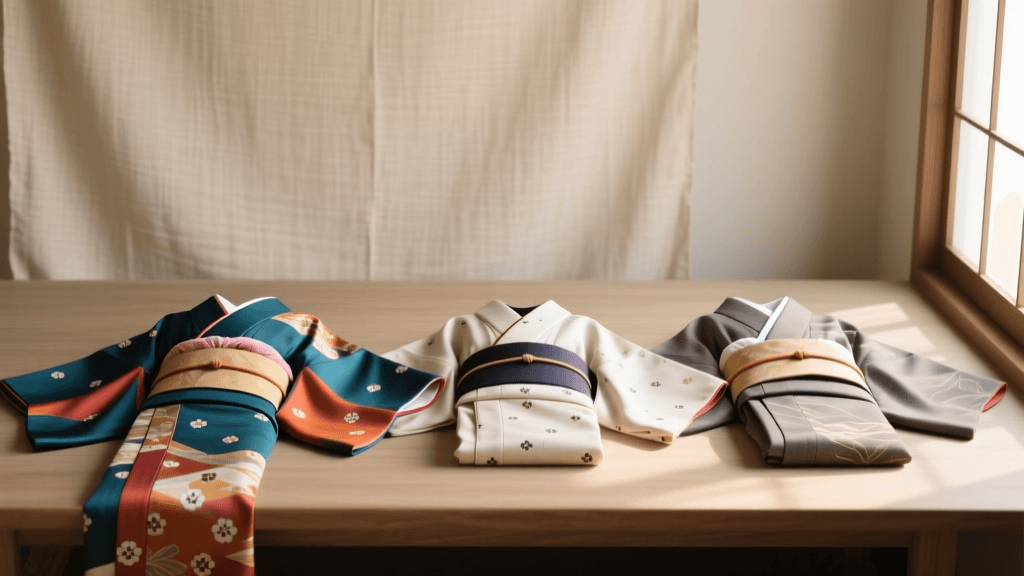
- Washing: Dry clean heavily brocaded or Yunjin-woven garments. For lighter silk ruqun, hand wash in cold water with a pH-neutral silk detergent.
- Drying: Never wring silk. Roll the garment in a clean towel to press out moisture, then lay it flat in the shade. Direct sunlight will degrade the silk proteins and fade traditional dyes.
Conclusion
Mastering the complete Hanfu ensemble is a journey into the heart of Asian material culture. By understanding the historical context of your garments, selecting the correct type of nephrite jade, and mastering the structural mechanics of traditional hair styling, you do more than wear a beautiful outfit—you become a living custodian of an ancient, enduring art form. Whether you are stepping out for a casual tea ceremony or a grand Hanfu parade, let the quiet gleam of jade be the finishing touch that ties your heritage together.