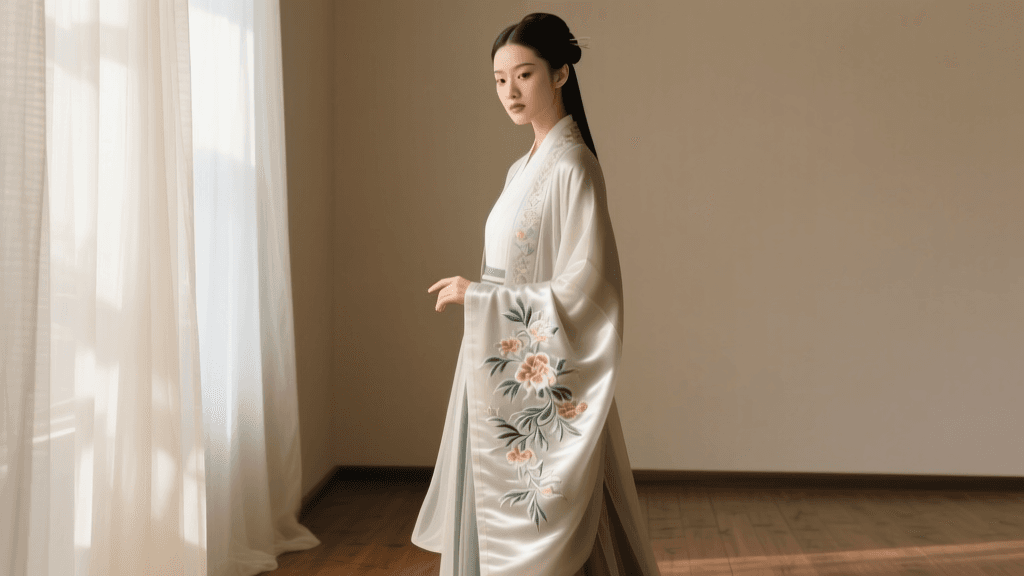
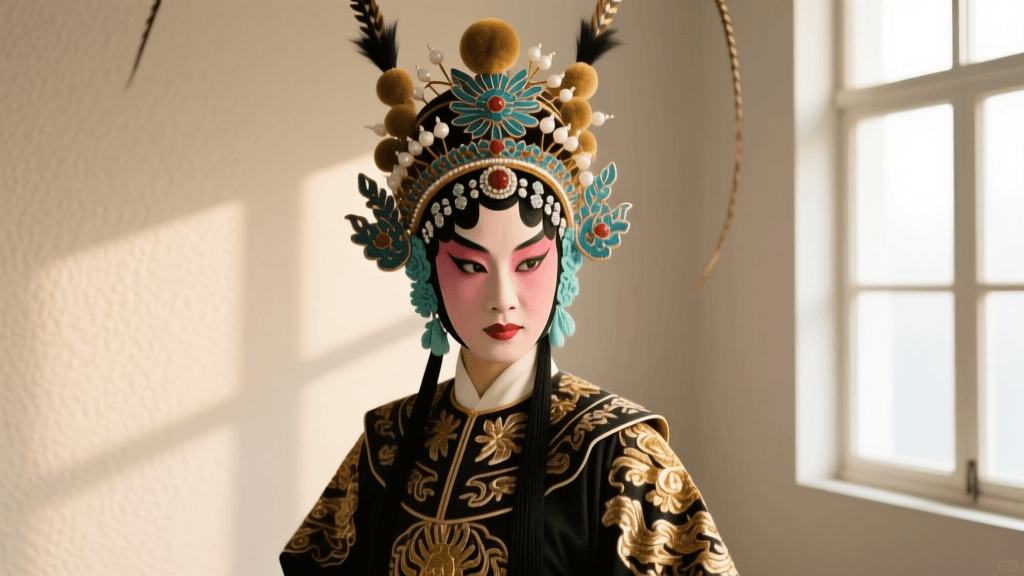
New Chinese Style (Xin Zhongshi): Modern Styling Guide
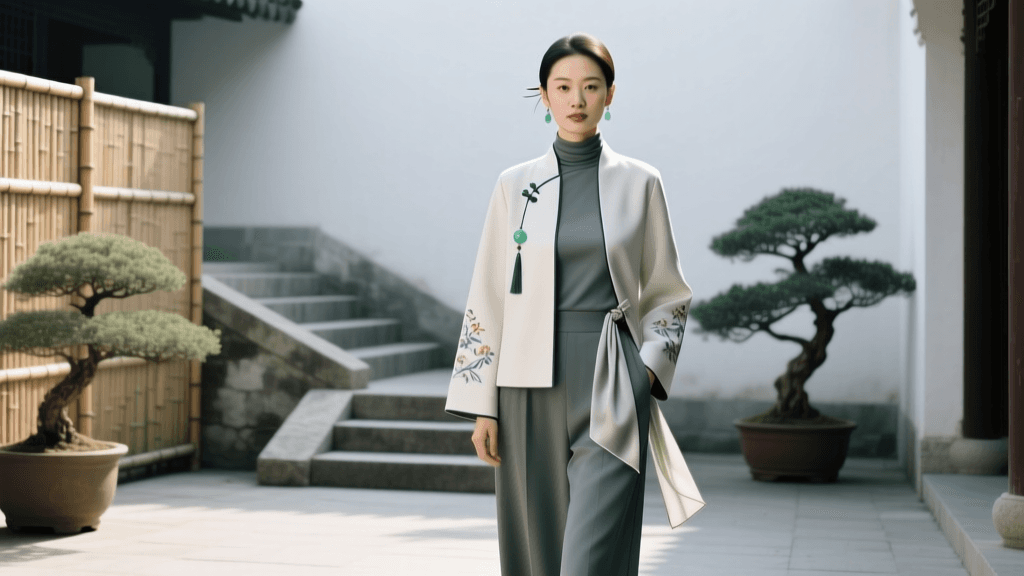
The Renaissance of Chinese Fashion: What is Xin Zhongshi?
Over the past few years, the global and domestic fashion landscape has witnessed a monumental shift toward cultural reclamation, spearheaded by the New Chinese Style, known locally as Xin Zhongshi (新中式). Unlike the Hanfu movement, which focuses on the meticulous historical reconstruction of ancient dynastic clothing, or the traditional Qipao, which is often reserved for weddings and formal banquets, Xin Zhongshi is fundamentally about daily wearability. It deconstructs traditional Chinese sartorial codes and rebuilds them for the modern, fast-paced urban lifestyle.
According to industry analyses by Jing Daily, this trend is heavily driven by Gen Z and Millennial consumers who seek to express their cultural heritage without compromising on contemporary streetwear or office-appropriate silhouettes. The movement merges ancient textile techniques—such as Song brocade weaving and gambiered gauze dyeing—with modern tailoring, resulting in oversized blazers with Mandarin collars, slip dresses featuring delicate Pankou knots, and bomber jackets adorned with subtle plum blossom embroidery.
Core Design Elements of the New Chinese Style
To successfully incorporate Xin Zhongshi into your wardrobe, it is essential to understand the foundational elements that define the aesthetic. When shopping or styling, look for these specific traditional markers applied to modern garments:
1. Pankou (Frog Fasteners)
Originally used to secure the overlapping front panels of traditional garments, Pankou are intricately hand-woven silk or cotton knots. In New Chinese Style, they are often used as decorative accents on the cuffs of modern blazers, the waistbands of wide-leg trousers, or the straps of contemporary camisoles. A well-crafted Pankou knot should feel firm and retain its shape without fraying.
2. The Mandarin Collar (Li Ling)
The stand-up collar is a hallmark of Chinese tailoring. In modern adaptations, the collar height is usually reduced to about 1 to 1.5 inches (2.5 to 3.8 cm) to prevent discomfort and allow for better movement. This subtle elevation frames the face elegantly and provides a structured, minimalist alternative to standard lapels.
3. Xiangyunsha (Gambiered Canton Gauze)
One of the most prized textiles in the Xin Zhongshi movement is Xiangyunsha. As highlighted by the South China Morning Post, this luxurious silk fabric undergoes a labor-intensive dyeing process using the juice of the Shuliang yam and iron-rich river mud from the Pearl River Delta. The result is a dual-toned fabric: a rich, earthy brown on one side and a glossy, deep black on the other. It is highly breathable, naturally antibacterial, and develops a beautiful, crinkled patina over time.
4. Jacquard and Song Brocade
Modern designers frequently utilize lightweight Jacquard weaves and adapted Song brocades to add texture without the heavy, restrictive weight of historical ceremonial garments. These fabrics feature subtle, tonal patterns of cranes, peonies, or bamboo that catch the light dynamically.
Practical Styling Guide: Blending East and West
The golden rule of styling New Chinese Style is balance. Because the textiles and traditional motifs carry significant visual weight, they must be grounded with contemporary, minimalist basics. Here are three actionable styling formulas for different aspects of daily life:
Formula 1: The Streetwear Fusion (Casual Daywear)
The Garment: A cropped, Song brocade bomber jacket with subtle floral motifs.
The Pairing: Layer it over a crisp, heavyweight white cotton t-shirt and pair it with relaxed-fit, raw-denim wide-leg jeans.
The Details: Keep footwear modern and chunky, such as white leather sneakers or combat boots. Avoid pairing brocade with other patterned items to prevent visual clutter.
Formula 2: The Office Elegance (Business Casual)
The Garment: A tailored, oversized blazer featuring a 1.5-inch Mandarin collar and hidden Pankou closures.
The Pairing: Wear over a simple silk camisole and high-waisted, pleated wool trousers in a neutral tone like charcoal or camel.
The Details: Accessorize with a minimalist leather tote and geometric gold earrings. The structured collar eliminates the need for a traditional dress shirt and tie, offering a sleek, authoritative silhouette.
Formula 3: The Evening Slip (Formal and Nightlife)
The Garment: A bias-cut Xiangyunsha slip dress with a cowl neckline and delicate side slits.
The Pairing: Contrast the delicate, earthy silk with a structured, oversized black leather blazer draped over the shoulders.
The Details: Finish the look with strappy heels and a single piece of high-quality jade or pearl jewelry. The juxtaposition of the ancient mud-dyed silk against tough leather perfectly encapsulates the Xin Zhongshi ethos.
Occasion and Budget Breakdown
Investing in New Chinese Style requires an understanding of fabric costs and market positioning. Mass-produced polyester blends are widely available but lack the breathability and cultural authenticity of traditional textiles. Below is a practical budget and styling guide to help you plan your purchases.
| Occasion | Key Garment | Recommended Fabric | Estimated Cost (USD) | Styling Tip |
|---|---|---|---|---|
| Casual Daywear | Pankou-knot cardigan | Cotton-linen blend | $40 - $90 | Pair with high-waisted denim and canvas sneakers. |
| Office / Business | Mandarin-collar blazer | Crepe or lightweight wool | $120 - $280 | Layer over a simple silk camisole; keep trousers tailored. |
| Evening / Gala | Modified Qipao slip dress | Xiangyunsha or Silk Brocade | $300 - $800+ | Accessorize with minimalist jade; avoid heavy statement necklaces. |
| Resort / Summer | Flowy Jacquard co-ord set | Silk-cotton blend | $150 - $350 | Wear with leather sandals and a woven rattan bag. |
Sourcing Authentic Pieces: Keywords and Platforms
For those looking to source authentic Xin Zhongshi pieces directly from Asian markets, platforms like Taobao, Tmall, and Xiaohongshu (Little Red Book) are invaluable. However, navigating these platforms requires specific search terminology. According to market reports from Vogue Business, the domestic market for this aesthetic has exploded, leading to a mix of high-end independent designers and fast-fashion replicas.
Essential Search Keywords:
- 新中式 (Xin Zhongshi): The umbrella term for New Chinese Style.
- 改良旗袍 (Modified Qipao): For modern, less restrictive cheongsam dresses.
- 香云纱 (Xiangyunsha): To find authentic gambiered Canton gauze.
- 宋锦 (Song Brocade): For intricately woven, historically inspired patterned fabrics.
- 盘扣 (Pankou): To search for garments featuring traditional frog fasteners.
When shopping online, always check the fabric composition label. Authentic Xiangyunsha should be listed as 100% Mulberry Silk (桑蚕丝). If the price is under $50 and the fabric is listed as polyester or rayon, it is a printed imitation that will lack the temperature-regulating and antimicrobial properties of the genuine article.
Garment Care and Maintenance
Traditional Chinese textiles require specialized care to maintain their structural integrity and color vibrancy. Improper washing can ruin the delicate dyes and metallic threads inherent in Xin Zhongshi garments.
Caring for Xiangyunsha (Gambiered Gauze)
- Washing: Never machine wash or wring Xiangyunsha. Hand wash gently in cool water (below 30°C / 86°F) using a pH-neutral silk detergent.
- Drying: Do not expose to direct sunlight, as UV rays will degrade the yam dye and cause the mud-coating to crack. Always dry flat in a shaded, well-ventilated area.
- Storage: Store flat or loosely rolled. Hanging heavy silk garments for long periods can cause the bias cut to stretch and warp.
Caring for Brocade and Jacquard
- Cleaning: Dry clean only. The metallic threads and complex weaves of Song brocade can easily snag or shrink in water.
- Ironing: Use a low-heat steam iron and always place a cotton pressing cloth between the iron and the garment to prevent the synthetic or metallic threads from melting or scorching.
Conclusion
The New Chinese Style (Xin Zhongshi) is far more than a fleeting social media trend; it is a profound sartorial movement that bridges centuries of textile artistry with the demands of modern life. By understanding the historical significance of fabrics like Xiangyunsha, mastering the art of balanced styling, and investing in quality craftsmanship, you can seamlessly integrate the elegance of Asian traditions into your everyday wardrobe. Whether you are stepping into a boardroom or attending an evening gala, Xin Zhongshi offers a sophisticated, culturally rich vocabulary for contemporary self-expression.