Peking Opera Costumes: A Guide to Jingju Xingtou Garments
The Visual Language of Jingju Xingtou
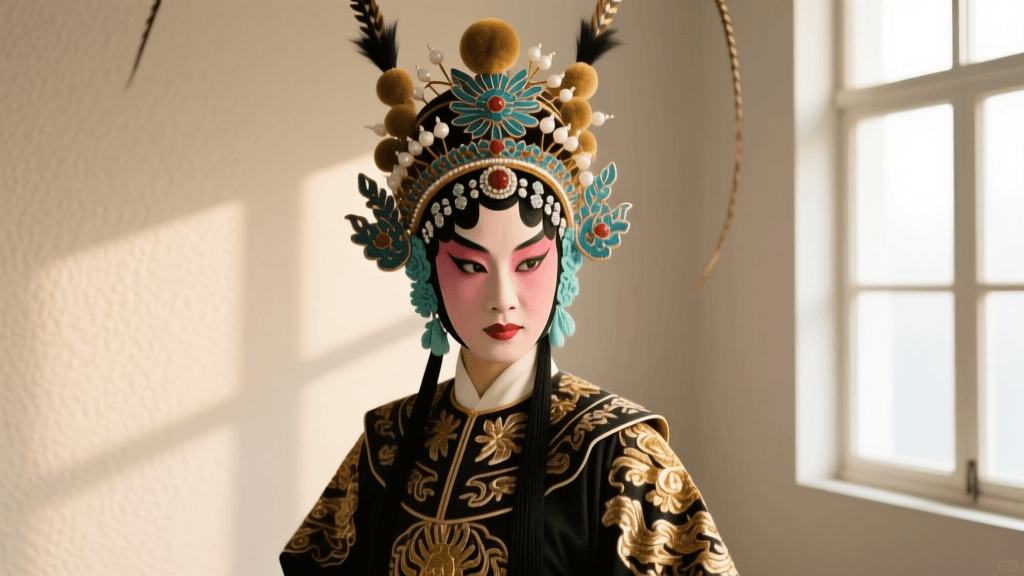
Peking Opera, or Jingju, is a magnificent synthesis of music, vocal performance, mime, dance, and acrobatics. Recognized by UNESCO as an Intangible Cultural Heritage of Humanity, this art form relies heavily on its visual presentation. At the heart of this visual spectacle is the Xingtou (行头), the traditional term for the opera wardrobe. Unlike historical everyday clothing, Xingtou garments are highly stylized, transcending specific dynastic timelines to create a universal theatrical language that communicates a character's social status, personality, and moral alignment before they even sing a note.
According to the Victoria and Albert Museum's extensive archives on Chinese theatre costumes, the opera wardrobe is not meant to be historically accurate to a single era. Instead, it blends Ming and Qing dynasty aesthetics with fantastical elements, prioritizing stage presence and kinetic movement. For modern theater troupes, cultural festivals, and serious collectors, understanding the nuances of these garments is essential for authentic performance and preservation.
Color Symbolism and Embroidery Techniques
The visual impact of Xingtou is heavily reliant on color theory and specialized embroidery. In Peking Opera, colors are not arbitrary; they are deeply codified. Red signifies loyalty and bravery (often worn by Guan Yu), black denotes integrity and bluntness (worn by Bao Zheng), while white suggests treachery and cunning (worn by Cao Cao). The embroidery itself utilizes traditional Suzhou techniques, including the Peking knot, satin stitch, and couching, where metallic threads are laid on the surface and stitched down with fine silk. This couching technique allows for the brilliant, reflective dragon scales and wave patterns that catch the stage lights, creating a mesmerizing kinetic effect during performances.
The Four Major Categories of Opera Costumes
The Xingtou is broadly classified into four main categories: Mang, Kao, Pei, and Xue. Each serves a distinct narrative function and requires specific tailoring and embroidery techniques.
1. Mang (Court Robes)
The Mang (蟒), or python robe, is the most formal garment in the Peking Opera wardrobe, worn exclusively by emperors, high-ranking officials, and noble figures. It features a round collar, a large overlapping front panel, and voluminous sleeves ending in shuixiu (water sleeves). The water sleeves, typically made of white silk, are extensions of the actor's hands, used to express complex emotions through highly choreographed flicks, folds, and ripples. The robe is heavily embroidered with dragon or python motifs using metallic threads and Suzhou silk embroidery. Color dictates rank: bright yellow is reserved for the emperor, while red, green, and black denote various high officials.
2. Kao (Armor)
Worn by generals and warriors, the Kao (靠) is a stylized suit of armor. It is an engineering marvel of theatrical costuming, consisting of a front and back panel, shoulder pieces, and thigh panels, all heavily embroidered with scale or tiger motifs. The most striking feature of the Kao is the kaoqi (靠旗), four triangular flags attached to a leather harness on the wearer's back. These flags amplify the actor's movements during acrobatic battle sequences, creating a dynamic visual footprint. Commissioning a full Kao requires precise weight distribution to ensure the performer can execute flips and martial arts without injury.
3. Pei (Informal Robes)
The Pei (帔) is the formal everyday wear for nobility and wealthy characters. It features a center-front opening, a straight collar, and wide sleeves with water sleeves. The embroidery is generally more subdued than the Mang, often featuring floral motifs, cranes, or the hundred butterflies pattern. It is worn by both male and female roles (though cut differently) and signifies a relaxed but high-status environment, such as a scene set in a noble's private study or garden.
4. Xue (Everyday Garments)
The Xue (褶) is the most versatile and commonly used garment in the Xingtou. It is a slender, cross-collared robe with narrow sleeves (or short water sleeves) worn by a vast array of characters, from scholars and commoners to minor officials. The fabric and embroidery density immediately tell the audience the wearer's wealth: a poor scholar will wear a plain black or blue Xue with minimal stitching, while a wealthy merchant will wear a brightly colored, heavily embroidered version.
Sourcing and Commissioning: A Practical Guide
For theater directors, festival organizers, and collectors looking to acquire authentic Xingtou, understanding the market is crucial. Garments range from mass-produced polyester pieces for amateur troupes to bespoke, hand-embroidered silk masterpieces crafted by artisans in Suzhou and Beijing.
Measurements and Fit
Opera costumes are designed to be layered and do not follow Western tailoring norms. When commissioning a bespoke piece, provide the tailor with the following specific measurements:
- Total Height: Measured from the crown to the floor, essential for hemming the robe to the correct ankle length.
- Chest and Waist Circumference: Measured over the thickest under-padding (as actors often wear padded vests to alter their silhouette).
- Shoulder Span: Critical for the Kao armor to ensure the flag harness sits flush against the back without restricting arm movement.
- Arm Length for Shuixiu: Measure from the shoulder to the wrist. The water sleeves are typically ordered at 1.5 to 2 times this length, depending on the performer's skill level and the specific repertoire.
Timing and Costs
The timeline and cost of acquiring Xingtou vary wildly based on the manufacturing method. Machine-embroidered garments made from synthetic blends can be sourced from theatrical suppliers in Beijing or online marketplaces within 2 to 4 weeks, typically costing between $150 and $400 USD. However, for professional troupes and serious collectors, hand-embroidered silk garments are mandatory. As noted in Britannica's comprehensive guide to Peking Opera, the meticulous craftsmanship of traditional theatrical embroidery is a highly specialized art. A bespoke, hand-embroidered Mang robe crafted by Suzhou embroidery masters requires 4 to 8 months of lead time and can cost anywhere from $2,500 to over $6,000 USD, depending on the density of the metallic thread work and the quality of the silk damask base.
Comparison Chart: Xingtou Garment Types
| Garment Type | Primary Role | Key Features | Est. Lead Time (Handmade) | Est. Cost (USD) |
|---|---|---|---|---|
| Mang | Emperors, High Officials | Round collar, python motifs, long water sleeves | 4 - 6 months | $2,500 - $6,000+ |
| Kao | Generals, Warriors | Armor panels, back flags (kaoqi), scale motifs | 5 - 8 months | $3,000 - $8,000+ |
| Pei | Nobility, Wealthy Gentry | Center-front opening, floral/crane embroidery | 3 - 5 months | $1,800 - $4,500 |
| Xue | Scholars, Commoners | Cross-collar, slender sleeves, versatile colors | 2 - 4 months | $800 - $2,500 |
Maintenance and Storage for Troupes and Collectors
Authentic Xingtou garments are significant financial and cultural investments. The heavy use of metallic threads, delicate silk damask, and structural padding requires specialized care to ensure longevity.
Cleaning Protocols
Never submerge hand-embroidered silk opera costumes in water. The metallic threads will tarnish, and the silk base will warp. For the inner collars and cuffs, which absorb sweat and stage makeup, use a specialized, non-water-based theatrical dry-cleaning solvent applied with a soft microfiber cloth. For deep cleaning, consult a textile conservator who specializes in Asian historic garments. After every performance, the garments must be aired out on wide, padded wooden hangers in a climate-controlled room to prevent mildew.
Storage Solutions
Long-term storage requires flat archival boxes lined with acid-free tissue paper. If hanging is necessary, use heavy-duty, wide-shouldered hangers to support the weight of the Mang and Pei robes. The Kao armor should be disassembled; the flags must be removed and stored flat to prevent the stiffened silk from cracking along the fold lines. Always include natural cedar blocks or lavender sachets in the storage area to deter moths, avoiding chemical mothballs which can degrade the silk proteins and tarnish the gold and silver embroidery threads.
Conclusion
The Xingtou of Peking Opera is far more than mere stage dressing; it is a wearable archive of Asian textile history, symbolism, and performance art. Whether you are outfitting a professional troupe for an international festival or curating a private collection of Asian traditional garments, understanding the structural, aesthetic, and practical dimensions of these costumes ensures that this vibrant cultural heritage continues to captivate audiences for generations to come.