Tang Dynasty Hanfu: Recreating Consort Yang's Iconic Style
The Tang Dynasty (618–907 CE) is widely celebrated as the golden age of Chinese art, culture, and fashion. Characterized by cosmopolitan influences along the Silk Road and a flourishing economy, Tang fashion was bold, vibrant, and structurally innovative. At the center of this sartorial revolution were powerful historical figures whose personal tastes dictated imperial and civilian trends. Among them, none is more iconic than Yang Guifei (Consort Yang), one of the Four Beauties of ancient China, and Wu Zetian, the only female emperor in Chinese history.
The Enduring Legacy of Tang Dynasty Fashion Icons
According to the Metropolitan Museum of Art's Heilbrunn Timeline of Art History, the Tang dynasty was a period of unprecedented wealth and international trade, which directly influenced the opulence of its textiles and garments. Historical figures like Consort Yang and Empress Wu did not merely wear clothes; they used fashion as a tool of political expression and cultural identity. Consort Yang’s preference for voluminous, flowing silhouettes and vibrant peony motifs shifted the imperial aesthetic toward romanticism and grandeur, while Empress Wu’s adoption
Consort Yang and the Qixiong Ruqun
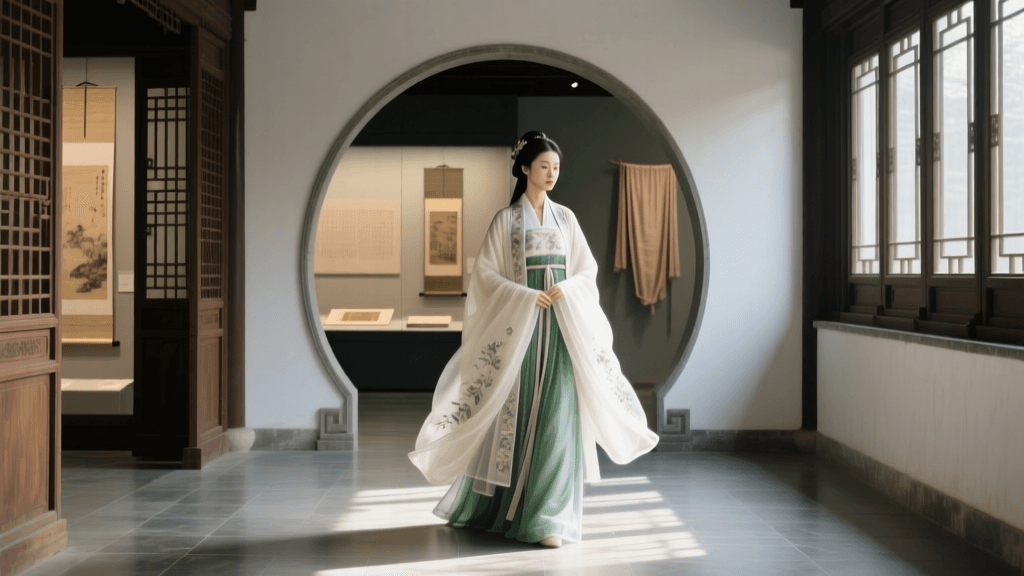
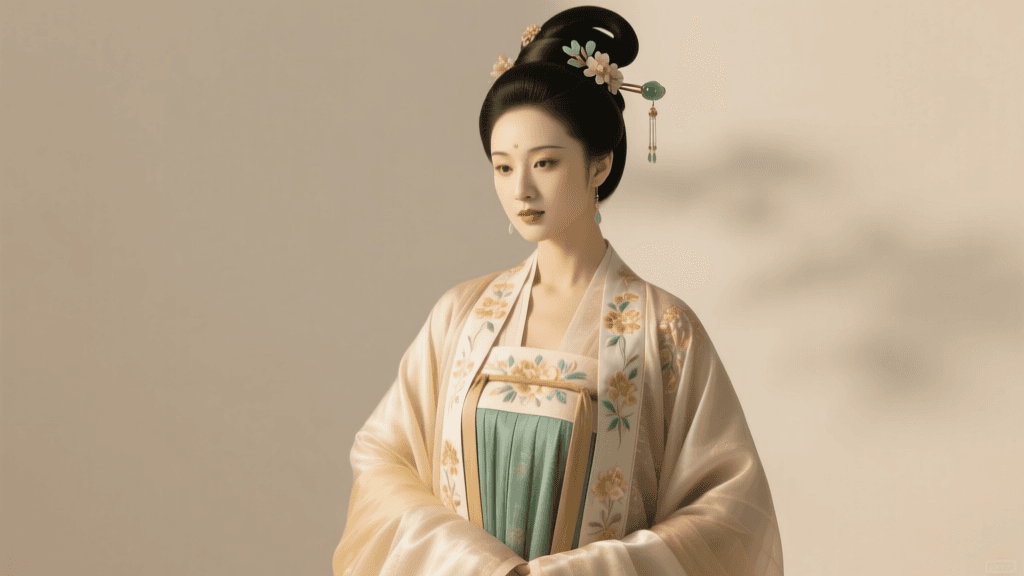
Consort Yang Guifei is inextricably linked to the Qixiong Ruqun (chest-high skirt ensemble). Unlike earlier dynasties where skirts were tied at the natural waist, the Tang dynasty saw the skirt's waistband elevated to just above the bust, secured by long silk ties over the shoulders. This silhouette elongated the lower body and accommodated the era's beauty standard, which favored fuller, curvier figures.
Recreating Consort Yang’s iconic look today requires an understanding of both historical proportions and modern tailoring. The ensemble typically consists of three main layers:
- Shan (Top): A lightweight, short-sleeved or long-sleeved blouse with a deep U-neck or crossed collar, tucked into the skirt.
- Qixiong Qun (Chest-High Skirt): A heavily pleated or gathered skirt that wraps around the chest and secures with a wide waistband and long ties.
- Pibo (Silk Shawl): A long, flowing scarf draped over the arms and shoulders, popularized during this era and heavily featured in scroll paintings of court ladies.
Practical Guide: Recreating the Consort Yang Look
For modern Hanfu enthusiasts and historical reenactors, achieving the Consort Yang aesthetic involves precise measurements, careful fabric selection, and an understanding of drape. Here is a practical, actionable guide to commissioning or sewing your own Tang Dynasty ensemble.
Fabric Selection and Yardage
The Tang elite favored luxurious silks, particularly damask, brocade, and lightweight gauze. As noted by UNESCO's Intangible Cultural Heritage registry on Chinese sericulture, the mastery of silk weaving during this period allowed for complex, multi-colored patterns. Today, you can choose between historical accuracy and modern practicality.
- Skirt (Qun): Requires 3.5 to 4.5 meters of fabric (assuming a standard width of 115cm). For historical accuracy, use jacquard-woven silk brocade. For a budget-friendly and travel-friendly option, use high-quality polyester chiffon or georgette.
- Top (Shan): Requires 1.5 meters of lightweight fabric. Silk charmeuse or rayon provides an excellent, breathable drape.
- Shawl (Pibo): Requires 2.5 to 3 meters of sheer fabric. Silk organza or georgette mimics the translucent gauze seen in Tang dynasty murals.
Measurements and Sizing
The most critical measurement for the Qixiong Ruqun is the upper chest (just above the bust). To ensure the skirt does not slip down—a common frustration for modern wearers—follow these tailoring rules:
- Waistband Length: Measure your upper chest circumference and add 10 cm for overlap and comfort. The waistband should be 8 to 12 cm wide and reinforced with interfacing to prevent folding.
- Skirt Fullness: The total width of the skirt fabric should be at least 1.5 to 2 times your upper chest measurement to allow for deep, elegant pleats.
- Skirt Length: Measure from your upper chest to the floor, then add 5 cm for the hem. The skirt should just graze the floor to maintain the sweeping, regal silhouette.
- Tie Length: The securing ties should be at least 1.5 meters long each to allow for decorative knotting at the front.
Cost and Timing Breakdown
Commissioning a custom Tang Dynasty Hanfu can vary significantly based on materials. Below is an estimated cost breakdown for a complete ensemble:
- Budget Tier (Polyester/Rayon): $60 - $120 USD. Ready-to-wear from e-commerce platforms. Delivery takes 1-2 weeks.
- Mid-Tier (Silk Blends/Viscose): $150 - $250 USD. Custom-tailored with better drape and intricate embroidery. Allow 3-4 weeks for production.
- Premium Tier (100% Mulberry Silk/Brocade): $300 - $600+ USD. Hand-woven fabrics, authentic natural dyeing, and hand-embroidered peony motifs. Allow 6-8 weeks for artisanal completion.
Comparison: Historical Materials vs. Modern Alternatives
Choosing the right fabric impacts not only the visual accuracy of your outfit but also its comfort and maintenance. Review the comparison chart below to select the best material for your needs.
| Fabric Type | Historical Accuracy | Cost per Yard | Drape & Comfort | Maintenance |
|---|---|---|---|---|
| Silk Brocade (Jacquard) | High | $45 - $80 | Stiff, structured, warm | Dry clean only |
| Silk Chiffon/Gauze | High | $25 - $40 | Lightweight, flowing, breathable | Hand wash cold, hang dry |
| Polyester Georgette | Low | $8 - $15 | Excellent drape, slightly less breathable | Machine washable, durable |
| Cotton/Linen Blends | Medium (Commoner class) | $12 - $20 | Matte finish, crisp, prone to wrinkling | Machine wash, iron required |
Empress Wu Zetian: Power, Color, and the Pibo
While Consort Yang defined the romantic silhouette of the era, Empress Wu Zetian redefined the visual language of power. As the only woman to ever assume the title of Emperor in China, Wu Zetian utilized clothing to legitimize her rule in a deeply patriarchal society. She frequently incorporated motifs traditionally reserved for male rulers, such as the dragon and the sun, and favored deep, authoritative colors like crimson, imperial yellow, and deep violet.
Wu Zetian also popularized the wider, more dramatic use of the Pibo (silk shawl). Originally introduced via Silk Road cultural exchanges, the Pibo under Wu’s patronage became longer and wider, often draped across the chest and arms to create a winged, imposing silhouette. For modern reenactors wishing to blend Consort Yang’s silhouette with Empress Wu’s authoritative styling, consider incorporating a heavily embroidered Pibo featuring metallic gold thread and deep crimson silk. Sourcing authentic plant-dyed silk, utilizing traditional dyes like madder root for reds and indigo for blues, adds an incredible layer of historical depth to your garment, though it will increase your material costs by approximately 30% to 40%.
Styling and Accessories for the Complete Ensemble
To truly channel Consort Yang, the garments must be paired with the correct accessories and beauty rituals. The Tang court was famous for its elaborate hairstyles and cosmetics.
- Hair and Ornaments: Hair was swept up into high, voluminous buns. Invest in a Buyao, a traditional hairpin with dangling tassels or floral elements that sway with movement. A gold-plated brass buyao with faux pearls costs around $25-$40 from specialty historical jewelers.
- Forehead Makeup (Huadian): Court ladies painted or applied delicate floral decals (often peony or plum blossom) between the eyebrows. Modern wearers can use cosmetic-grade gold leaf or waterproof eyeliner to recreate this striking detail.
- Footwear: While historical court shoes were often flat and embroidered, modern wearers typically opt for hidden wedge heels or traditional embroidered cloth boots to help support the weight of the heavy, floor-length skirts.
Caring for Your Silk Hanfu
Investing in premium silk requires meticulous care to ensure the longevity of the garment. Never wring or twist silk brocade or charmeuse, as this breaks the delicate fibers and ruins the drape. Instead, hand wash in cold water using a pH-neutral silk detergent. Roll the garment in a clean, dry towel to press out excess moisture, and lay it flat in the shade to dry. Direct sunlight will rapidly fade the vibrant, historically-inspired dyes. When storing your Qixiong Ruqun, avoid wire hangers; fold the skirt carefully with acid-free tissue paper to prevent permanent creases in the pleats, and store it in a breathable cotton garment bag.
Preserving the Legacy Through Modern Wear
Wearing a Tang Dynasty Hanfu is more than a fashion statement; it is an act of cultural preservation. By understanding the structural ingenuity of the Qixiong Ruqun and the historical context of figures like Consort Yang and Empress Wu, modern enthusiasts bridge the gap between ancient artistry and contemporary expression. Whether you are commissioning a premium silk brocade gown for a formal cultural exhibition or styling a breathable polyester set for a summer festival, the key lies in respecting the proportions, embracing the vibrant color palettes, and carrying yourself with the timeless grace of the Tang court.