Discovering China's Premier Hanfu and Silk Museums
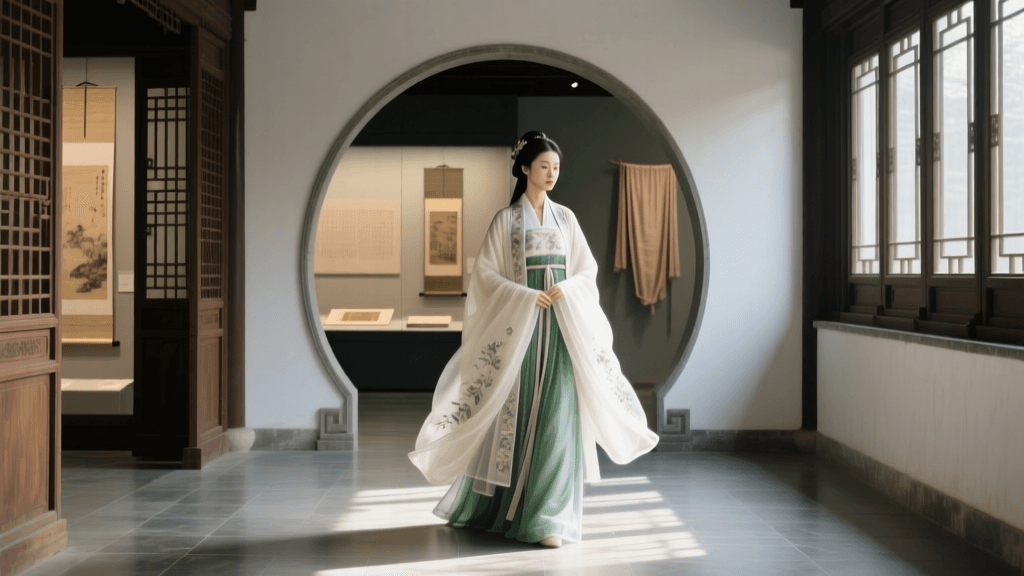
The Living Archives of Chinese Sartorial History
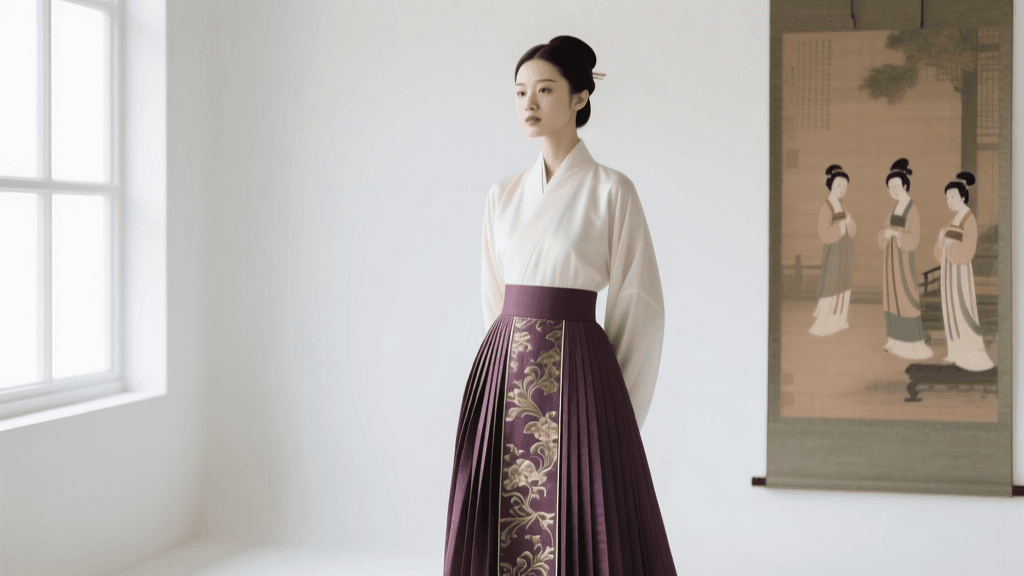
The modern Hanfu movement is deeply rooted in historical accuracy, drawing inspiration from ancient scroll paintings, unearthed relics, and institutional archives. For enthusiasts, scholars, and travelers alike, visiting China's premier textile and garment museums is an essential pilgrimage. These institutions do more than display static mannequins; they preserve the intricate structural layering of traditional Chinese clothing, from the foundational zhongyi (undergarments) to the sweeping silhouettes of Ming dynasty mamianqun (horse-face skirts). By exploring these heritage sites, visitors gain a profound understanding of seasonal fabric choices, intangible weaving crafts, and the formal etiquette embedded in historical dress.
This comprehensive guide navigates the most significant Hanfu and silk museums in China, offering practical advice, exhibition highlights, and actionable itineraries for cultural travelers.
China National Silk Museum: Hangzhou's Crown Jewel
Located near the scenic West Lake, the China National Silk Museum (NSM) in Hangzhou is the largest silk-themed museum in the world. It serves as the ultimate authority on the evolution of Chinese textiles and historical garments. For Hanfu practitioners, the NSM's permanent exhibition, 'Chinese Textile and Garment,' is a masterclass in historical silhouettes and structural tailoring.
Exhibition Highlights
- The Mawangdui Relics: The museum houses meticulous replicas and rotating displays of original fragments from the Han Dynasty Mawangdui tombs. Here, visitors can study the susha danyi (plain gauze gown), marveling at how a full-length, multi-layered Hanfu robe could weigh less than 50 grams.
- The Restoration Lab: Through glass viewing panels, guests can observe master conservators repairing fragile, unearthed textiles. This provides rare insight into the natural dyes, linen blends, and silk weaves used before the widespread adoption of synthetic materials.
- Seasonal Fabric Archives: The museum meticulously categorizes textiles by climate and season, showcasing breathable ramie and hemp for humid southern summers, and heavily padded, quilted silks for harsh northern winters.
Chengdu Shu Brocade Museum: The Heart of Sichuan Weaving
Shu brocade, originating from the Sichuan region, is one of China's 'Three Famous Brocades' and a cornerstone of Tang Dynasty fashion. The Chengdu Shu Brocade Museum is uniquely positioned within a heritage site that doubles as a working factory and cultural exhibition space. It is indispensable for those studying the opulent, heavily patterned fabrics that defined the cosmopolitan Hanfu styles of the Tang era, such as the banbi (half-sleeved jackets) and flowing pibo (silk scarves).
The Intangible Heritage Experience
Unlike static galleries, this museum emphasizes the auditory and kinetic experience of traditional weaving. The rhythmic clacking of massive wooden drawlooms fills the air. Artisans demonstrate the complex 'jacquard' style programming done entirely through physical knotting and thread-pulling, a technique that predates modern computing. Visitors can purchase authentic, hand-woven Shu brocade fabric by the meter, often used by bespoke Hanfu tailors to create historically accurate formal wear.
Suzhou Silk Museum: Masterpieces of the Jiangnan Region
Suzhou's legacy is inextricably linked to Song brocade and Kesi (cut silk tapestry). The Suzhou Silk Museum offers an intimate look into the refined, literati aesthetic of the Jiangnan region, which heavily influenced the elegant, understated Hanfu styles of the Song and Ming dynasties.
The Art of Kesi and Song Brocade
The Kesi technique, which creates a woven pattern that appears as if it were carved or embroidered, is heavily featured here. Exhibits display Kesi dragon robes and intricate skirt panels. The museum also details the formal etiquette of historical dress, explaining how the color, motif, and fabric weight of a garment dictated the wearer's social standing and the appropriate greeting protocols during court assemblies and ancestral rites.
Comparative Guide: Planning Your Museum Itinerary
To help you structure your cultural tour, below is a comparative chart detailing the logistical essentials for each major institution.
| Museum Name | Location | Admission Cost | Best Time to Visit | Must-See Hanfu/Textile Exhibit |
|---|---|---|---|---|
| China National Silk Museum | Hangzhou, Zhejiang | Free (Reservation required) | March - May, Sept - Nov | Mawangdui Han Dynasty Gauze Gowns |
| Chengdu Shu Brocade Museum | Chengdu, Sichuan | ~30 RMB | Year-round (Avoid national holidays) | Live Wooden Drawloom Weaving |
| Suzhou Silk Museum | Suzhou, Jiangsu | Free (Reservation required) | April - October | Kesi (Cut Silk) Imperial Robes |
Practical Advice for Navigating Heritage Sites
Visiting these institutions requires some forethought, especially for international travelers and independent researchers. Here is actionable advice to ensure a seamless experience:
1. Booking and Reservations
Most premier museums in China, including the NSM, operate on a strict, free-ticket reservation system. You must book via their official WeChat Mini-Programs (e.g., search '中国丝绸博物馆' for the NSM). Actionable Tip: Reservations open exactly 3 to 7 days in advance at 8:00 AM or 9:00 AM CST and sell out within minutes during peak seasons. Have your passport number ready to copy and paste into the booking form.
2. Photography and Etiquette
While photography is generally permitted in the main galleries, flash photography is strictly prohibited to protect light-sensitive historical dyes and fragile silk fibers. When attending live weaving demonstrations or interacting with master artisans, it is customary to ask for permission before taking close-up portraits. Maintain a respectful distance from the looms, as the tension of the silk threads is highly sensitive to environmental disruptions.
3. Hiring Expert Guides
English audio guides are available at the China National Silk Museum, but for deep dives into Hanfu structural layering and historical fashion figures, hiring a human docent is highly recommended. You can book English-speaking docents at the front desk for approximately 200 to 300 RMB per hour. Prepare specific questions in advance regarding the evolution of the ruqun (blouse and skirt) or the transition from right-over-left to left-over-right lapels (jiaoling youren).
The Global Resonance of Traditional Chinese Textiles
The preservation of Hanfu and traditional Chinese textiles is not merely a domestic endeavor; it is a matter of global cultural heritage. The meticulous cultivation of silkworms and the subsequent weaving techniques are foundational to global art history. In fact, sericulture and silk craftsmanship in China were officially inscribed on the UNESCO Representative List of the Intangible Cultural Heritage of Humanity, recognizing the profound socio-cultural impact these practices have had on rural communities and global trade routes for millennia.
Furthermore, the historical exchange of these garments shaped global fashion. As detailed by the Metropolitan Museum of Art's Heilbrunn Timeline of Art History, the Silk Road facilitated not just the trade of raw materials, but the profound exchange of textile motifs, structural tailoring, and sartorial etiquette between East and West. The influence of Chinese structural layering and brocade patterns can be traced through centuries of global textile evolution.
Major international institutions also play a role in contextualizing these garments. For instance, the Victoria and Albert Museum frequently highlights the global impact of Chinese weaving techniques, showcasing how imperial silks and intricate embroideries were highly prized commodities that influenced European court dress and interior design. By visiting both domestic Chinese museums and international exhibitions, Hanfu enthusiasts can trace the full, unbroken lineage of these magnificent garments.
Conclusion: Wearing the Archive
Museums and heritage sites are the vital connective tissue between the ancient artisans who wove the first silk threads and the modern Hanfu enthusiasts who wear these garments today. By visiting the China National Silk Museum, the Chengdu Shu Brocade Museum, and the Suzhou Silk Museum, you do more than observe history—you participate in its ongoing revival. Whether you are studying the drape of a Song dynasty collar, marveling at the weight of a Han dynasty gauze robe, or listening to the rhythmic clack of a wooden drawloom, these cultural exhibitions offer an indispensable, tactile education in the art of Asian traditions.
'To wear Hanfu is to drape oneself in history. But to truly understand the garment, one must first understand the loom, the silk, and the hands that wove it.' — Curator's Note, China National Silk Museum Exhibition Catalog.