Kimono Buying Guide: Compare Types, Fabrics, and Prices
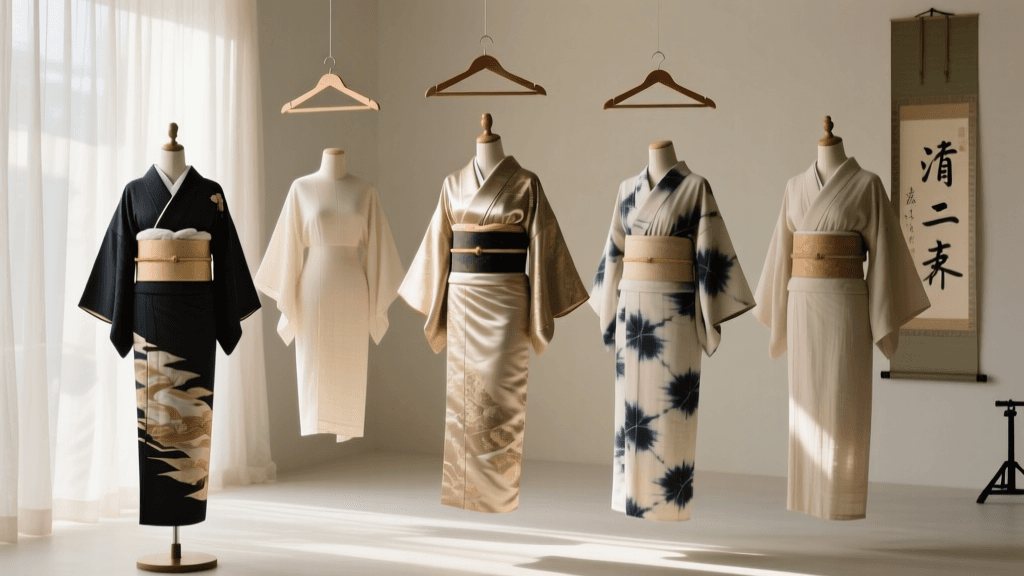
The Ultimate Kimono Buying Guide: Navigating Types, Fabrics, and Formality
Purchasing a traditional Japanese kimono is an investment in art, history, and culture. Whether you are a textile collector, a fashion enthusiast looking to incorporate traditional Asian garments into your modern wardrobe, or a traveler planning to attend a formal tea ceremony, understanding the nuances of kimono types is essential. The world of kimono is governed by strict rules regarding seasonality, formality, and the wearer's age and marital status. According to the Metropolitan Museum of Art, the kimono evolved from the kosode of the Muromachi period into a highly codified garment that reflects the social fabric of Japan. This comprehensive buying guide will help you compare kimono types, understand fabric choices, and navigate sizing and pricing to make an informed purchase.
The TPO Rule: Time, Place, and Occasion
Before browsing for a kimono, you must understand the Japanese concept of TPO (Time, Place, and Occasion). Unlike Western fashion, where personal expression often overrides dress codes, traditional Japanese clothing relies on a harmonious balance between the garment and the environment. Wearing a highly formal silk garment to a casual summer festival is considered a faux pas, just as wearing a casual cotton yukata to a wedding would be deeply inappropriate. As outlined by cultural resources like Japan Guide, recognizing the formality hierarchy is the first step in building an authentic and respectful kimono collection.
Comprehensive Kimono Type Comparison Chart
To help you visualize the differences, below is a structured comparison of the most common kimono types you will encounter when shopping, ranging from casual summer wear to the pinnacle of formal attire.
| Kimono Type | Formality Level | Pattern Placement | Avg. Price (USD) | Best Occasion |
|---|---|---|---|---|
| Yukata | Casual | All-over repeat | $30 - $150 | Summer festivals, lounging, hot springs |
| Komon | Everyday / Casual | Small, repeating pattern | $100 - $400 | Shopping, casual dining, theater |
| Tsukesage | Semi-Formal | Patterns flow upward from hem | $300 - $1,200 | Tea ceremonies, graduation, parties |
| Homongi | Formal | Continuous 'picture' pattern | $800 - $3,500+ | Weddings, formal banquets, galas |
| Furisode | Ultra-Formal (Unmarried) | Elaborate, all-over dyeing | $2,000 - $10,000+ | Coming of Age Day, formal weddings |
| Tomesode | Ultra-Formal (Married) | Patterns only below the obi | $1,500 - $5,000+ | Weddings (close relatives of bride) |
Deep Dive into Key Kimono Types
Yukata: The Gateway Garment
The yukata is the most accessible and widely recognized form of Japanese clothing. Originally worn as a bathrobe by the nobility during the Heian period, it evolved into the standard summer festival wear for all classes. Yukata are made from unlined cotton or synthetic blends, making them breathable, easy to wash, and simple to tie. When buying a yukata, look for indigo-dyed cotton for a classic, historic aesthetic, or vibrant synthetic prints for modern festival fashion. Because they lack the complex undergarments (nagajuban) required for silk kimonos, yukata are the most budget-friendly entry point for beginners.
Komon: Everyday Elegance
Komon translates to 'fine pattern.' These kimonos feature small, repeating motifs that cover the entire garment. They are the equivalent of a smart-casual dress or a stylish suit in Western fashion. Komon can be made from silk, wool, or high-quality polyester. When purchasing a komon, pay attention to the dyeing technique. Edo Komon, which features micro-patterns that look like solid colors from a distance, is highly prized and commands a premium price due to the master craftsmanship required to carve the stencils.
Homongi and Tsukesage: The Formal Mainstays
For events requiring elegance without the strict rules of ultra-formal wear, Homongi and Tsukesage are ideal. The Victoria and Albert Museum's landmark exhibition, Kimono: Kyoto to Catwalk, highlighted how these garments serve as canvases for exquisite Japanese textile arts. A Homongi features an 'eba' pattern, meaning the design flows continuously across the seams when the kimono is laid flat. A Tsukesage is slightly less formal, with patterns that originate from the hem and move upward but do not cross the seams. Both are excellent investments for attending formal dinners, opera performances, or upscale tea gatherings.
Fabric Choices: Silk, Synthetic, and Natural Fibers
The material of your kimono dictates not only its price but also its care requirements and seasonal appropriateness.
- Silk (Shioze, Chirimen, Rinzu): The gold standard for formal kimono. Chirimen (crepe silk) offers a beautiful textured drape, while Rinzu (silk damask) provides a subtle, luxurious sheen. Silk requires professional dry cleaning and careful storage with acid-free paper and moth deterrents.
- Synthetic (Polyester): Modern washable kimonos have become incredibly popular. High-grade polyester mimics the drape of silk and allows for vibrant, fade-resistant colors. These are highly recommended for rainy seasons, travel, and beginners who want the kimono look without the anxiety of ruining expensive silk.
- Cotton and Linen: Reserved primarily for yukata (cotton) and summer kimonos (linen/ramie). Linen kimonos, known as 'jofu,' are highly breathable and represent the height of summer elegance in Japan.
- Wool: Wool kimonos are a staple for winter casual wear. They are warm, durable, and resist wrinkling, making them perfect for everyday winter outings.
How to Measure and Size Your Kimono
Unlike Western clothing, kimonos do not come in standard S, M, L sizes. They are tailored to the individual's height and arm span. When buying vintage or off-the-rack, you must know two critical measurements:
- Kitake (Length): Measured from the nape of the neck to the ankle. Ideally, the kimono should be exactly your height or up to 10 cm shorter, as the extra fabric is folded at the waist to create the 'ohashori' (waist fold). A standard vintage kitake is around 158 cm to 160 cm.
- Yuki (Sleeve Span): Measured from the center of the back of the neck, across the shoulder, and down to the wrist. A standard yuki is about 62 cm to 65 cm. If the yuki is too short, the kimono will look ill-fitted and restrict movement.
Pro-Tip: If you are exceptionally tall, look for modern, custom-made kimonos or search vintage shops specifically for 'tall' sizes, which are rare but available.
Seasonality: Lined vs. Unlined
A crucial aspect of buying a kimono is understanding seasonality. Japanese fashion is deeply tied to the natural calendar.
- Awase (Lined): Worn from October to May. These kimonos have an inner lining of silk or synthetic fabric for warmth and structure.
- Hitoe (Unlined): Worn during the transitional months of June and September. They are made from a single layer of fabric.
- Usuginu / Ro / Sha (Sheer): Worn in the peak heat of July and August. These are made from loosely woven, transparent silk gauze and are worn over a lightweight undergarment.
Where to Buy: New vs. Vintage
The secondary market for kimonos is vast and offers incredible value. In Japan, 'Recycle Shops' (vintage kimono stores) like Tansu-ya or Chicago in Harajuku offer authentic silk garments for as little as $20 to $100. For international buyers, online marketplaces and specialized dealers provide global shipping. When buying vintage, always check the condition of the silk. Look for 'shimi' (stains), particularly around the collar and hem, and check for 'weak silk' by gently pinching the fabric—if it feels brittle or crunches, avoid it, as it will tear under the tension of wearing.
Don't Forget the Accessories
A kimono is only half the outfit. To complete your purchase, budget for the necessary accessories:
- Obi: The wide sash. Formal obi (Fukuro obi) can cost more than the kimono itself. Casual obi (Hanhaba obi) are affordable and easy to tie.
- Nagajuban: The under-kimono that protects the outer silk from sweat and oils.
- Tabi and Zori: Split-toe socks and traditional sandals. Modern versions feature rubber soles for better grip and comfort on city streets.
- Obijime and Obidome: Decorative cords and clasps that secure the obi and add a pop of personalized style.
Final Thoughts on Investing in Kimono
Buying a kimono is a deeply rewarding experience that connects you to centuries of Asian textile tradition. By understanding the formality hierarchy, choosing the right fabric for your lifestyle, and carefully checking measurements, you can build a collection that is both culturally respectful and personally meaningful. Whether you opt for a breezy cotton yukata for a summer evening or invest in a breathtaking silk Homongi for formal galas, the kimono remains a timeless masterpiece of wearable art.