Hanfu Undergarments and Structural Layering: A Complete Guide
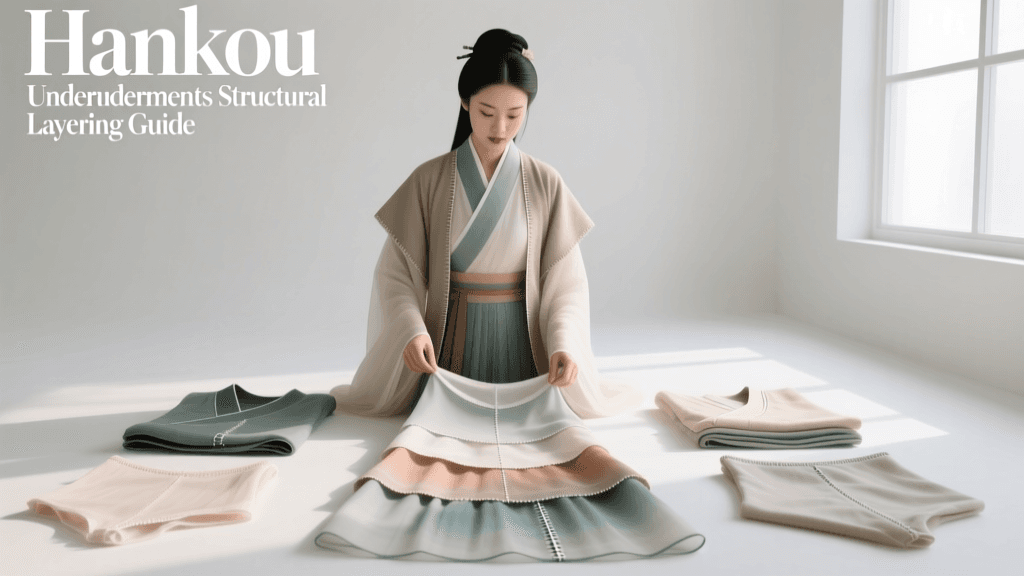
The Architecture of Elegance: Why Base Layers Matter
When we admire the sweeping sleeves of a Ming dynasty Mamianqun (horse-face skirt) or the ethereal drape of a Tang dynasty Qixiong Ruqun, it is easy to focus solely on the outermost garments. However, the true silhouette, comfort, and historical authenticity of traditional Chinese clothing rely entirely on its foundation. Hanfu undergarments and structural base layers are not merely functional additions; they are the architectural framework that dictates how the outer silk and brocade drape, move, and endure.
As the global Hanfu revival continues to grow, enthusiasts and scholars alike have emphasized the importance of dressing correctly from the skin outward. According to cultural historians and features on the modern traditional dress movement published by BBC Culture, the meticulous revival of these garments involves a deep dive into historical layering protocols, ensuring that modern wearers respect the structural integrity of ancient designs. This guide explores the essential undergarments, structural layering techniques, and practical sizing advice required to wear Hanfu with both authenticity and comfort.
The Philosophy of Inner and Outer Layers
"The inner garments cultivate the posture and protect the modesty, while the outer garments express the spirit and social harmony." — Traditional Chinese Dress Philosophy
In traditional Chinese sartorial culture, the concept of Li (ritual propriety) extends to how one dresses. The inner layers, known collectively as Zhongyi (中衣) and base skirts, serve to protect the expensive, often delicate outer silks from body oils and sweat. Furthermore, they provide the necessary opacity and volume to ensure the outer garments hang correctly. Skipping these foundational layers not only compromises the historical silhouette but can also lead to discomfort, transparency issues, and damage to valuable outerwear.
Zhongyi (中衣): The Essential Inner Shirt
The Zhongyi is the fundamental base layer for the upper body, worn directly against the skin or over a modern camisole. It is typically characterized by a cross-collar (Jiaoling) and narrow sleeves to prevent bunching under the wide sleeves of outer robes.
The Golden Rule: Jiaoling Youren
The most critical structural rule of the Zhongyi—and all Hanfu—is Jiaoling Youren (交领右衽), meaning the left side of the collar must cross over the right side, wrapping to the wearer's right. Wrapping right-over-left is strictly reserved for the deceased in traditional mourning rites. Ensuring your Zhongyi is tied correctly is the first step in authentic Hanfu dressing.
Fabric Choices and Seasonal Adaptations
- Summer: Lightweight ramie, linen, or high-quality cotton-linen blends. These fabrics wick moisture and provide a cooling effect. Cost: $15–$25 USD.
- Winter: Flannel-lined cotton, brushed cotton, or silk-cotton blends. These provide insulation without adding excessive bulk that would distort the outer layers. Cost: $25–$45 USD.
Upper Body Support: Moxiong (抹胸) and Baofu
For styles that expose the shoulders or feature low necklines, such as the Tang dynasty Qixiong Ruqun (chest-high skirt) or Song dynasty Beizi (open-front robe), a chest wrap or bodice is essential.
Moxiong (Chest Wrap)
Historically, the Moxiong was a long piece of fabric wrapped tightly around the bust and tied at the back or side. Today, modern Hanfu practitioners often utilize adapted Moxiong that feature hidden hook-and-eye closures, elastic back panels, or even silicone grip strips to prevent the garment from slipping down during wear. When purchasing a traditional tie-on Moxiong, look for fabrics with a slight texture, like cotton-satin or textured linen, as slippery materials like pure silk will slide down throughout the day.
Baofu (Modesty Panel)
Worn beneath open-front garments like the Beizi or Pibo, the Baofu is a sleeveless, collarless inner top that provides modesty. It is usually made of soft, opaque cotton and fastens with small ties or hidden snaps at the side seam.
Lower Foundations: Chenqun (衬裙) and Kuzi (裤子)
The lower body requires its own structural foundation to support heavy skirts and ensure modesty.
Chenqun (Underskirt / Petticoat)
The Chenqun is a simple, A-line or pleated underskirt worn beneath the main skirt. Its primary purposes are:
- Opacity: Many summer Hanfu skirts are made of lightweight, semi-sheer organza or chiffon. A solid white or skin-toned Chenqun prevents transparency.
- Volume: For Ming dynasty Mamianqun, a slightly stiffened cotton Chenqun helps the heavy pleats flare outward, creating the iconic bell-like silhouette.
- Friction Reduction: It prevents the outer skirt from clinging to the legs or tangling around the ankles while walking.
Kuzi (Traditional Trousers)
For colder weather, or when wearing shorter skirts and working-class Duanda (short garment) styles, Kuzi (trousers) are worn. Modern wearers often substitute these with opaque, high-waisted leggings or wide-leg cotton pants in neutral colors (white, black, or navy) to maintain the traditional aesthetic while providing modern warmth and mobility.
Structural Layering Matrix: Matching Bases to Outerwear
Understanding which base layers to pair with specific outer garments is crucial for achieving the correct historical silhouette. Refer to the table below for a quick structural guide.
| Outer Hanfu Style | Required Upper Base | Required Lower Base | Key Structural Notes |
|---|---|---|---|
| Jiaoling Ruqun (Cross-collar waist skirt) | Zhongyi (Narrow sleeve) | Chenqun (A-line) | Zhongyi collar must sit exactly 1-2 cm above the outer Ru collar. |
| Qixiong Ruqun (Chest-high skirt) | Moxiong (Chest wrap) | Chenqun (High-waisted) | Moxiong must have silicone grips; skirt ties wrap over the bust. |
| Aoqun (Ming Dynasty jacket & skirt) | Zhongyi or Baofu | Stiffened Chenqun | Stiffened petticoat required to support heavy Mamianqun pleats. |
| Beizi (Song Dynasty open robe) | Moxiong or Baofu | Chenqun or Kuzi | Inner top should contrast or complement the Beizi's sheer fabric. |
| Yuanlingpao (Round-collar robe) | Zhongyi (Cross-collar) | Chenqun + Kuzi | Zhongyi collar is folded down to frame the round collar of the robe. |
Practical Sizing, Tailoring, and Fit
One of the most common mistakes made by newcomers to Hanfu is purchasing base layers in the same size as their outer garments. Base layers require specific ease measurements to function correctly without restricting movement or creating visible bulk.
How to Measure for Zhongyi
- Bust/Chest: Measure your natural bust and add 4 to 6 cm for ease. The Zhongyi should be snug enough to stay tucked into your skirt but loose enough to allow deep breathing and arm movement.
- Shoulder Width: Measure from shoulder bone to shoulder bone. The Zhongyi shoulder seam should sit exactly on your natural shoulder line; a dropped shoulder will cause the outer garment's collar to pull awkwardly.
- Sleeve Length: For base layers, the sleeve should end precisely at the wrist bone. If the Zhongyi sleeve extends over the hand, it will bunch up inside the wide sleeves of your outer robe, causing discomfort and restricting wrist movement.
Securing the Layers
Traditional Hanfu relies entirely on ties (Xidai) rather than buttons or zippers. To keep your Zhongyi securely tucked into your skirt throughout the day, utilize the "double-tuck" method: tuck the front panels into the skirt, then pull the back panels taut and tuck them over the front panels before tying the skirt's waistband tightly. As highlighted in reports by China Daily on the booming Hanfu e-commerce industry, many modern manufacturers now include hidden internal snaps or elastic waistbands on base layers to help modern wearers maintain this traditional silhouette with less effort.
Care and Maintenance of Base Layers
Because base layers sit directly against the skin, they require frequent washing. To prolong the life of your Zhongyi and Chenqun:
- Washing: Hand wash or use a delicate machine cycle with cold water and a mild, pH-neutral detergent. Avoid harsh bleach, which weakens cotton and linen fibers over time.
- Drying: Air dry in the shade. Direct sunlight can cause white cotton and linen Zhongyi to yellow or become brittle.
- Ironing: Always iron your Zhongyi, particularly the collar. A crisp, sharply folded Jiaoling collar is the hallmark of a well-dressed Hanfu enthusiast. Use a steam iron on the appropriate cotton/linen setting to ensure the collar lies perfectly flat against the neck.
Conclusion
Mastering Hanfu undergarments and structural layering is a journey into the meticulous craftsmanship of traditional Chinese dress. By investing in high-quality Zhongyi, properly fitted Moxiong, and supportive Chenqun, you not only protect your valuable outer garments but also honor the historical accuracy and aesthetic philosophy of the culture. Whether you are attending a formal festival, participating in a traditional tea ceremony, or simply enjoying a day out, a strong structural foundation ensures that your Hanfu drapes beautifully, moves gracefully, and remains comfortable from dawn until dusk.