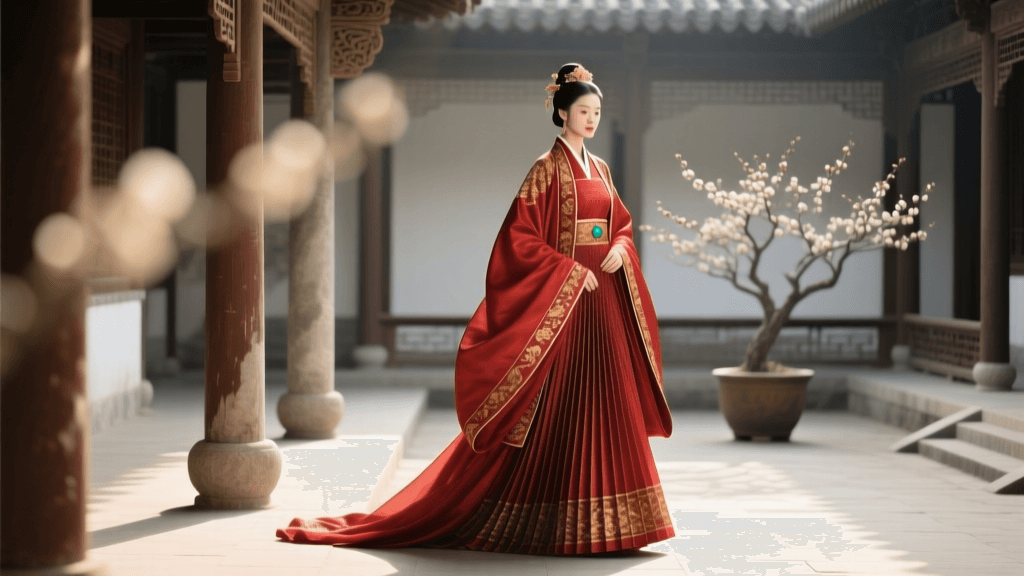
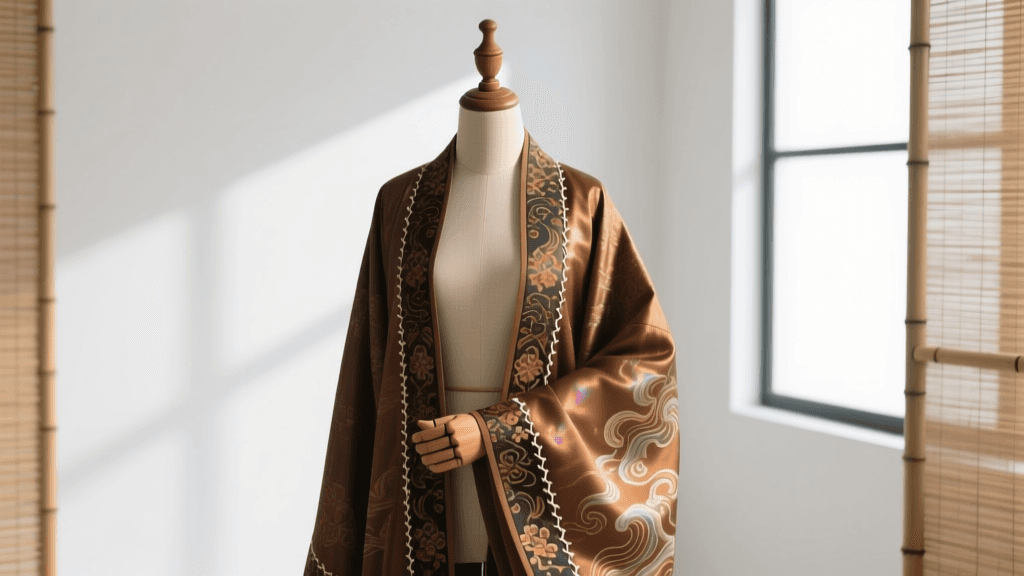
The Ultimate Guide to Jade Hair Accessories and Hanfu Ensembles
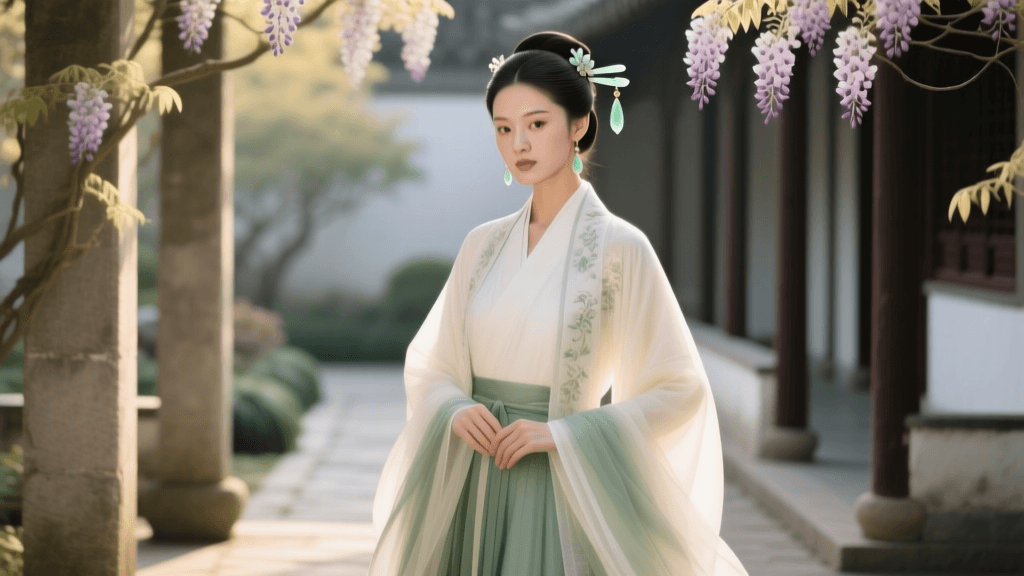
The modern Hanfu revival is a breathtaking renaissance of Chinese sartorial history, bringing centuries of textile artistry back to the streets, conventions, and digital spaces of the 21st century. However, a truly complete Hanfu ensemble requires more than just a beautifully woven silk robe. The silhouette is only finalized when the hair is styled and adorned with traditional accessories. Among the myriad of materials used in Chinese hair ornamentation—ranging from gilded metals and enameled brass to carved wood and pearl—jade (yu) stands supreme. Jade hair accessories elevate a Hanfu outfit from a simple historical costume to a profound expression of cultural elegance, moral virtue, and refined aesthetics.
The Cultural Significance of Jade in Chinese Hair Ornaments
In traditional Chinese culture, jade is far more than a precious gemstone; it is the physical embodiment of moral integrity, spiritual purity, and cosmic harmony. Confucius famously likened the qualities of jade to the virtues of a gentleman (junzi): its smoothness represents benevolence, its hardness represents wisdom, and its unyielding nature represents righteousness. When incorporated into hair accessories, jade serves a dual purpose. Aesthetically, its translucent greens, creamy whites, and deep celadons provide a striking, natural contrast to the vibrant, heavily patterned silks of traditional garments. Spiritually, it acts as a protective talisman for the wearer.
'Jade is the essence of heaven and earth. To wear it is to carry the virtues of the ancients upon your person.' — Traditional Chinese Proverb
The foundational textiles that make these ensembles possible, such as silk, are deeply tied to heritage recognized by UNESCO's Intangible Cultural Heritage registry. Just as sericulture represents the mastery of the earth's elements to create fabric, jade carving represents the mastery of stone to create enduring beauty. Historical artifacts preserved in The Metropolitan Museum of Art's Asian Art collection reveal how jade hairpins and crowns were reserved for nobility, with the quality and intricacy of the carving directly correlating to the wearer's social rank.
Matching Jade Accessories to Dynasty-Specific Hanfu Ensembles
One of the most common mistakes in the Hanfu community is mixing dynastic styles without understanding their distinct aesthetic philosophies. A heavy, ornate Ming dynasty jade crown will look entirely out of place atop a delicate, minimalist Song dynasty outfit. Below is a structured guide to matching jade hair accessories with specific historical Hanfu silhouettes.
| Dynasty | Hanfu Style | Recommended Jade Accessory | Styling Notes & Measurements |
|---|---|---|---|
| Tang (618–907) | Qixiong Ruqun (Chest-high skirt) | Large Jade Buyao (Step-shake) with floral motifs | High, voluminous buns. Use 12-15cm dangling pieces. Symmetrical placement for an opulent, cosmopolitan look. |
| Song (960–1279) | Beizi (Outer jacket) & Baizhequn | Slender Jade Zan (Single-prong hairpin) | Low, elegant buns. Use minimalist, uncarved or lightly etched 10cm pins. Single focal point for an understated, intellectual vibe. |
| Ming (1368–1644) | Aoqun (Jacket & Mamianqun) | Jade Guan (Crown) or Dizhi (Hairpin set) | Elaborate, structured updos. Use gold-inlaid jade (Jinqian). Allow 30-45 minutes for styling. Heavy, regal, and highly structured. |
Tang Dynasty: Opulence and Volume
The Tang dynasty was a golden age of cosmopolitan exchange, and its fashion reflected this wealth. When wearing a Qixiong Ruqun, the hair is typically swept up into a high, voluminous bun (such as the double-looped wangxian ji). Jade buyao—hairpins with dangling, swaying ornaments—are essential here. As the wearer walks, the jade pendants gently chime and sway, mimicking the movement of the wide, flowing silk sleeves. Look for jade pieces carved into peonies or phoenixes, symbolizing wealth and prosperity.
Song Dynasty: Minimalism and Elegance
In stark contrast, the Song dynasty favored intellectualism, subtlety, and restrained elegance. The Beizi (a long, open-front jacket) is paired with slender, pleated skirts. The hair is usually worn in a low bun or a simple, swept-back style. Here, a single, high-quality jade zan (a straight, single-pronged hairpin) is all that is needed. The focus should be on the stone's natural translucency and color rather than intricate carving. A pale celadon or mutton-fat white jade pin sliding horizontally through a low chignon is the epitome of Song aesthetics.
Ming Dynasty: Structure and Grandeur
Ming dynasty clothing, particularly the Aoqun (cross-collared or standing-collared jacket with a horse-face skirt), is highly structured, featuring heavy brocades and stiff collars. The hairstyles are equally architectural, often utilizing wire frames, hair extensions, and elaborate crowns. A jade guan (a small crown-like piece that sits atop the bun, secured by a long pin) or a matched set of jade and gold hairpins is required to balance the visual weight of the heavy garments.
Essential Jade Hairpiece Types
To build a versatile Hanfu accessory wardrobe, you must understand the structural differences between traditional hairpieces:
- Zan (簪): A single-pronged hairpin. The most versatile and common piece. Used to secure buns and add a touch of elegance. Ideal for thick hair when measuring 12cm or longer.
- Chai (钗): A double-pronged hairpin. Functions much like a modern U-pin but is heavily ornamented. Excellent for anchoring heavier buns and securing hair extensions.
- Buyao (步摇): Translating to 'step-shake,' this pin features a base that anchors into the hair, with suspended jade pendants, pearls, or chains that sway with movement.
- Guan (冠): A hair crown or cap. Worn over the top knot of the hair, with a long pin driven through it to secure it to the bun. Highly formal.
- Shu (梳): A decorative comb. Often made of jade or wood with jade inlays, pushed into the front or side of the hair for decorative display rather than structural support.
Practical Guide: Sourcing and Authenticating Jade
Navigating the jade market can be intimidating for beginners. When shopping for Hanfu hair accessories, you will primarily encounter two types of jade: Nephrite (historically accurate, specifically Hetian jade) and Jadeite (Feicui, which became popular in the later Qing dynasty). For pre-Qing Hanfu ensembles (Tang, Song, Ming), Nephrite is the historically accurate choice.
Budgeting and Materials
- Mass-Produced / Costume Grade ($15 - $40): Often made from serpentine, quartzite, or glass dyed to look like jade. Perfect for beginners, conventions, and photoshoots where the risk of dropping and breaking the piece is high.
- Mid-Range Commercial Nephrite ($80 - $250): Genuine nephrite (often from Xiuyan or Qinghai) with decent translucency but some natural inclusions or cloudiness. Excellent for daily Hanfu wear.
- Collector Grade Hetian Jade ($300 - $2,000+): Genuine Xinjiang Hetian nephrite. Known for its 'mutton-fat' white or deep spinach green color, high oiliness, and flawless structure. These are investment pieces.
Authentication Tips
Genuine jade is cold to the touch and takes several seconds to warm up in your hand. It is also incredibly dense; a real jade hairpin will feel surprisingly heavy for its size. When gently tapped against another piece of jade or glass, authentic nephrite produces a deep, resonant, musical chime, whereas glass or plastic produces a dull clack. For high-end purchases, always demand a certificate of authenticity from a recognized gemological laboratory.
Step-by-Step Styling for a Complete Ensemble
Styling hair with heavy jade accessories requires preparation, especially if you have fine or slippery hair. Follow this actionable routine for a secure, historically inspired updo:
- Prep and Volume: Start with day-old hair or use texturizing spray. If your natural hair lacks volume, use a mesh hair donut or a clip-in hairpiece matching your hair color to build the base bun.
- Secure the Base: Wrap your natural hair around the donut and secure it tightly with 4 to 6 heavy-duty U-pins. The bun must be rock-solid before introducing jade.
- Insert the Jade: Never force a jade pin through a tight knot, as the prong can snap. Use a metal rat-tail comb to create a small tunnel through the center of the bun. Slide the jade zan or chai through this tunnel at a 45-degree downward angle to anchor it against the scalp.
- Add the Buyao: Place dangling buyao pieces at the front or sides of the bun, inserting them just deep enough to hold their weight without bending the delicate metal stems.
Care and Maintenance of Jade Hairpins
While jade is exceptionally tough (nephrite has a tensile strength greater than steel), it can still chip or fracture if dropped on a hard tile floor. Always style your hair over a carpeted area or a padded vanity mat. To clean your jade accessories, avoid harsh chemical jewelry cleaners, which can strip the stone's natural oils or damage the metal settings. Instead, wipe the jade gently with a soft, damp microfiber cloth after each wear to remove hair oils and styling products. For a deeper clean, use a soft-bristled baby toothbrush with mild, unscented soap and lukewarm water. When storing your Hanfu accessories, keep them in individual silk or velvet pouches. Storing jade loose in a jewelry box can lead to scratches, as jade can easily scratch softer metals and gemstones, while harder stones like diamonds can scratch the jade.
Conclusion
Integrating jade hair accessories into your Hanfu wardrobe is a deeply rewarding practice that connects you to thousands of years of Asian artistic tradition. By carefully matching the style, weight, and carving of the jade to your specific dynastic ensemble, you achieve a harmonious, historically grounded silhouette. Whether you are attending a vibrant Hanfu convention or enjoying a quiet tea ceremony, the gentle sway and cool touch of jade will elevate your presence, turning a beautiful outfit into a living piece of art.
For further study on historical ornaments and authentic carving techniques, The British Museum's online collection offers invaluable visual references that can inspire your next custom commission or vintage find.