Collecting Vintage Meiji and Taisho Era Kimono: A Buyer Guide
The Allure of Meiji and Taisho Era Textiles
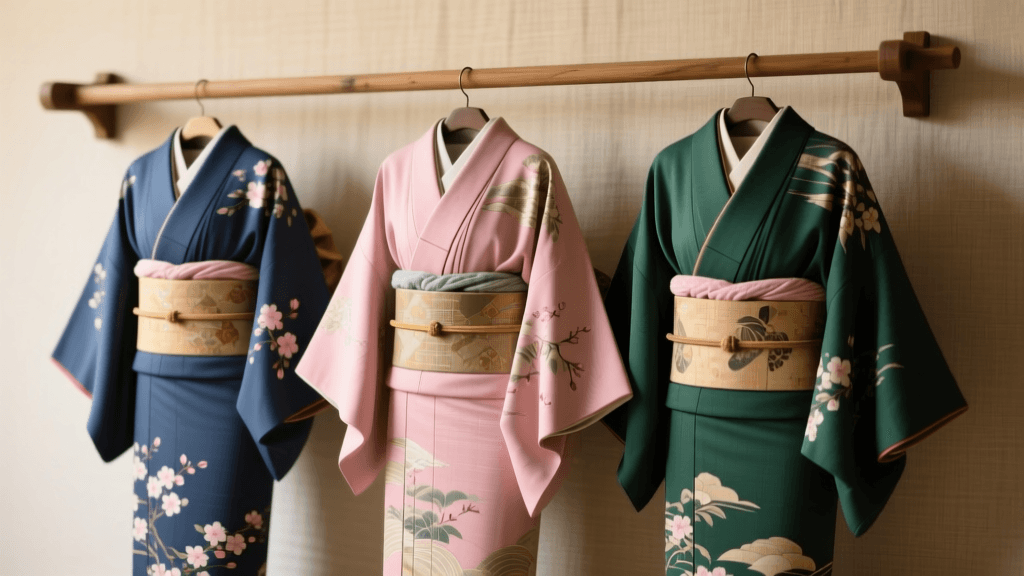
The transition from the isolationist Edo period to the modernizing Meiji era radically transformed Japanese fashion. The sumptuary laws that once dictated who could wear what were abolished, allowing the merchant classes to embrace luxurious silks and intricate dyeing techniques. By the Taisho era, the introduction of synthetic aniline dyes from Europe revolutionized the color palette. According to the Metropolitan Museum of Art's Heilbrunn Timeline of Art History, this era saw the kimono evolve from a strictly regulated status symbol into a canvas for unprecedented artistic expression, blending indigenous motifs with global design trends.
Collectors prize Taisho Roman kimono for their bold, geometric patterns and striking color contrasts, which echo the Art Nouveau and Art Deco movements of the West. Meiji garments, conversely, often feature more subdued, nature-inspired motifs, exquisite Yuzen dyeing, and formal family crests (kamon) rendered in meticulous detail.
Sourcing Authentic Antique Kimono
Finding genuine pre-1920s kimono requires looking beyond standard vintage clothing stores. The most lucrative sourcing channels include:
- Japanese Online Auctions: Platforms like Yahoo! Auctions Japan are treasure troves for antique textiles. Because international shipping is rarely offered directly, collectors use proxy bidding services such as Buyee or ZenMarket. Search terms like antique kimono (アンティーク着物) or Taisho Roman (大正ロマン) yield the best results.
- Kyoto Flea Markets: The Toji Temple flea market (held on the 21st of each month) and the Tenjin-san market at Kitano Tenmangu (25th of the month) feature dozens of vintage textile dealers. Arriving at dawn is essential to secure high-grade silk before it is picked over by local collectors.
- Specialized Antique Dealers: Brick-and-mortar shops in Tokyo’s Jimbocho district or Kyoto’s Shijo-Kawaramachi area specialize in Edo, Meiji, and Taisho garments. While prices are higher, the authentication is guaranteed.
Collectors should also familiarize themselves with highly sought-after regional weaves. For instance, Oshima Tsumugi from Amami Oshima, characterized by its intricate mud-dyed kasuri patterns, was highly prized during the Meiji era and remains a grail for textile collectors today. Similarly, the bold, ikat-woven Meisen silk of the Taisho era offers a more affordable yet historically significant entry point into antique collecting.
Authenticating Vintage: Key Identifiers
Distinguishing a true Meiji or Taisho piece from a mid-century Showa or modern reproduction requires examining specific structural and material clues.
The Lining (Hakkake and Douura)
One of the most reliable indicators of an antique kimono is the lining. Pre-WWII kimono frequently feature a vibrant, deep crimson silk lining known as beni. This red dye was traditionally derived from safflower and was believed to protect the garment from insects. If a kimono has a bright, synthetic-looking red lining, it is likely post-1950s. Genuine antique beni has a rich, slightly uneven, organic depth to its color.
Dyes and Odors
Early synthetic dyes used in the Taisho era sometimes possessed a distinct, slightly acidic or metallic scent when the silk is rubbed or exposed to steam. Furthermore, antique black crepe silk (kuro-chirimen) from the Meiji era was often dyed using iron-based mordants. Over a century, this can cause the silk to become brittle or develop micro-tears along the folds.
Evaluating Condition: Flaws, Stains, and Silk Shattering
When investing in antique textiles, condition is paramount. Unlike modern garments, a 100-year-old kimono will rarely be flawless. Collectors must learn to differentiate between acceptable patina and fatal damage.
Silk Shattering (Bari): This is the most critical flaw to avoid. Caused by the use of heavy metallic mordants in black and dark brown dyes during the Meiji and Taisho eras, the silk fibers literally break apart along the fold lines. Hold the garment up to a light source; if you see a web of micro-tears or hear a distinct crunching sound when gently manipulating the fabric, the structural integrity is compromised. While beautiful for display or upcycling, shattered silk cannot be worn or safely cleaned.
Stains and Discoloration: Small spots of foxing (age-related yellowing) or minor water stains on the lower hem are common and often acceptable to collectors. However, large, dark stains on the upper back or near the collar significantly diminish the value, as these areas are highly visible when displayed or worn. Professional stain removal on antique dyes is risky and should only be attempted by specialized Japanese textile conservators.
Era Comparison Chart for Collectors
| Era | Years | Key Characteristics & Motifs | Dye & Weave Techniques | Estimated Collector Value (USD) |
|---|---|---|---|---|
| Late Edo | 1800–1868 | Subdued aesthetics, hidden luxury (iki), subtle geometric patterns | Natural indigo, safflower, hand-spun tsumugi silk | $300 - $1,500+ |
| Meiji | 1868–1912 | Formal crests, nature motifs, transition to broader obi | Traditional Yuzen, introduction of early chemical dyes | $150 - $800 |
| Taisho | 1912–1926 | Taisho Roman, Art Deco geometry, bold contrasting colors | Aniline dyes, stencil Yuzen (kata-yuzen), meisen silk | $200 - $1,200 |
| Early Showa | 1926–1945 | War-time restrictions, subdued colors, patriotic motifs | Rayon blends, simplified stenciling, omeshi silk | $50 - $300 |
Navigating Vintage Sizing and Measurements
A significant challenge in collecting antique kimono is sizing. Women in the Meiji and Taisho eras were generally shorter and slimmer than modern individuals. The standard mitake (back length) of an antique kimono is often between 145 cm and 155 cm, which may result in the hem falling above the ankle on a wearer taller than 5'4".
Collectors who wish to wear their pieces should look for garments with a deep hashi-ori (the hem fold tucked inside). In some cases, antique kimono can be let out, but this depends entirely on the available seam allowances. Alternatively, many collectors embrace the traditional practice of arai-hari—taking the garment apart, washing the flat panels, and re-sewing it to modern dimensions or repurposing the pristine silk panels into haori jackets, dresses, or home textiles.
Archival Storage and Preservation
Preserving century-old silk requires strict environmental controls. The Canadian Conservation Institute emphasizes that textiles are highly susceptible to damage from fluctuating humidity, direct light, and improper folding.
To properly store your Meiji and Taisho collection:
- Use Tatou-shi: Never store antique silk in plastic bins, which trap moisture and promote mold. Wrap each kimono in acid-free, unbleached Japanese mulberry paper known as tatou-shi.
- Cedar Chests (Tansu): Traditional paulownia or cedar wood chests are ideal as they naturally regulate humidity and repel insects. Ensure the wood is unfinished on the inside to prevent acidic sap transfer.
- Rotate the Folds: Silk shatters along permanent crease lines. Every six months, unwrap your collection and refold the garments along different lines to distribute the stress on the fibers.
- Avoid Camphor: While traditional mothballs (camphor) were used historically, they can chemically react with early synthetic dyes and metallic threads, causing irreversible discoloration. Opt for modern, textile-safe silica gel packets and natural cedar blocks instead.
"The preservation of historical dress is not merely about saving fabric; it is about maintaining the tangible evidence of the social, economic, and artistic shifts of a bygone era." — Curatorial Department, Victoria and Albert Museum: Kimono Exhibition.
Building a Meaningful Collection
Starting a vintage kimono collection is a deeply rewarding journey that connects you to the artisans of Japan's past. By understanding the historical context of the Meiji and Taisho eras, learning to read the subtle clues in linings and dyes, and committing to archival preservation methods, you ensure that these masterpieces of Asian textile tradition survive for generations to come. Whether you are hunting for a rare Taisho Roman meisen on a Kyoto flea market app or carefully wrapping a fragile Meiji crested silk in your studio, every piece you save is a victory for cultural heritage.