The Essential Guide to Kimono Zori and Obi Accessories
Introduction to the Art of Kimono Accessories
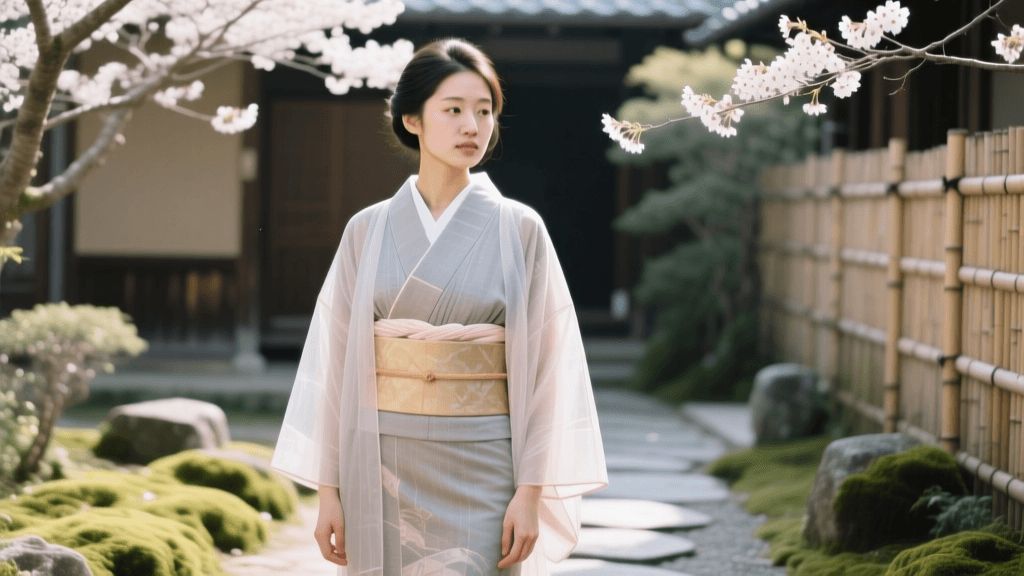
The elegance of a traditional Japanese kimono ensemble lies not just in the silk garment itself, but in the meticulous coordination of its accessories. While the kimono and the obi (sash) form the foundational canvas of the outfit, it is the smaller details—the zori (sandals), obijime (decorative cords), and obidome (brooches)—that elevate the ensemble from a simple garment to a profound expression of culture, seasonality, and social etiquette. According to the extensive research presented by the Victoria and Albert Museum's exhibition on kimono culture, the evolution of these accessories reflects centuries of shifting aesthetics, trade influences, and strict societal codes regarding formality.
For modern enthusiasts, vintage collectors, and practitioners of traditional arts, understanding the nuances of these accessories is crucial. Wearing a kimono is an exercise in harmony; every element must balance in color, texture, and formality. This comprehensive guide will explore the practical, historical, and stylistic dimensions of zori and obi accessories, providing actionable advice for assembling a flawless traditional Japanese wardrobe.
Understanding Zori: The Foundation of Kimono Footwear
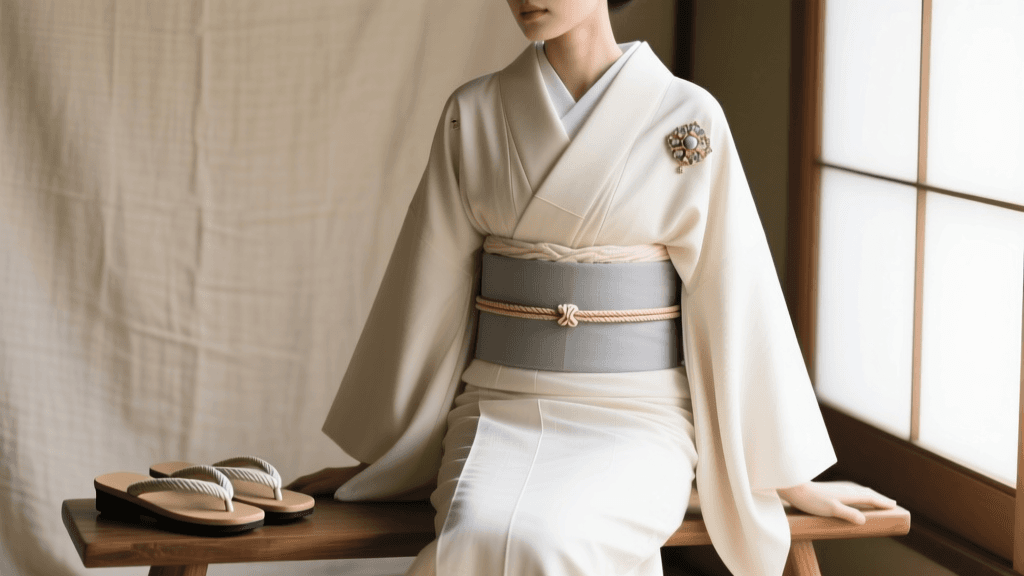
Zori are traditional Japanese sandals characterized by their flat, thonged design. Unlike Western footwear, zori are designed to be easily slipped on and off, a practical necessity in a culture where shoes are removed before entering homes, tea rooms, and temples. The anatomy of a zori consists of the dai (the sole or base), the hanao (the V-shaped thong strap), and the kutsu (the heel or bottom lift).
Sizing and the Golden Rule of Fit
One of the most common mistakes made by beginners is purchasing zori that fit exactly like Western shoes. Zori are measured in centimeters, corresponding directly to the length of the foot. However, the ideal fit for a zori is actually slightly smaller than your exact foot measurement. The traditional rule of thumb is that the heel should overhang the back edge of the zori sole by approximately 0.5 to 1 centimeter. This intentional overhang prevents the back of the kimono hem from catching on the sole and dragging on the ground, thereby protecting expensive silk from dirt and fraying.
When selecting the hanao, ensure that the thong sits comfortably between the first and second toes without rubbing. Modern hanao are often padded with velvet or soft cotton for comfort, but traditionalists may prefer unlined silk or leather for formal occasions. The color of the hanao should ideally match the base color of the zori or coordinate subtly with the obi or obijime.
Heel Heights and Formality
Zori heel heights vary significantly based on the formality of the occasion. Casual zori, such as those made from woven rush grass (tatami-omote), are typically flat or have a very low heel (around 2 to 3 cm). Semi-formal and formal zori feature thicker soles, often made of stacked leather, vinyl, or cork, ranging from 4 to 6 cm. For the highest levels of formality, such as weddings, brides and close female relatives may wear hina-zori, which feature dramatically high heels (up to 10 cm) and are heavily embroidered or covered in luxurious silk brocade.
Material Guide: Matching Zori to Your Kimono
The material of the zori sole is the primary indicator of its formality. Below is a structured guide to help you match the correct zori material to your kimono type.
| Zori Material | Characteristics | Formality Level | Best Paired With |
|---|---|---|---|
| Tatami-omote (Rush Grass) | Woven igusa grass, breathable, flat | Casual / Everyday | Yukata, Wool, Cotton, Tsumugi |
| Shikke / Vinyl | Lacquered, patent, or matte synthetic | Semi-Formal | Komon, Iromuji, Houmongi |
| Don-su / Silk Brocade | Woven silk with metallic threads | Formal | Furisode, Irotomesode, Houmongi |
| Kinran / Ginran | Heavy gold or silver metallic weave | Highest Formal | Kurotomesode, Bridal Uchikake |
| Rattan / Bamboo | Woven wood, highly breathable | Summer Casual | Ro or Sha (Sheer Summer Kimono) |
As noted by the Metropolitan Museum of Art's Asian Art Department, the integration of luxurious textiles like gold-threaded brocade into footwear became highly codified during the Edo period, establishing a visual language of status that persists in modern kimono dressing.
The Art of Obi Accessories: Obijime and Obidome
While the obi itself is a wide, expansive sash, it requires secondary accessories to secure it and add a focal point of visual interest. The two primary obi accessories are the obijime and the obidome.
Obijime: The Braided Cord
The obijime is a braided cord tied over the center of the obi knot (otaiko). Originally used by samurai and courtiers to secure swords and garments, the obijime evolved into a purely decorative and structural necessity for women's kimono. It holds the complex folds of the obi securely in place while providing a striking line of contrasting color.
Obijime are categorized by their cross-section shape and thickness:
- Marugumi (Round): The most versatile and common type. A standard thickness (around 3mm to 5mm) is suitable for almost all semi-formal and formal kimono.
- Hiragumi (Flat): Wider and flatter, often featuring intricate woven patterns. These are generally considered more casual or semi-formal and are rarely worn with the highest formal garments.
- Sanbu-himo (Three-Part Cord): A specific, very thin cord designed exclusively to be worn with an obidome. It is not worn on its own.
When tying an obijime, the knot should be small, neat, and positioned slightly off-center or directly in the middle, depending on current stylistic trends and the wearer's age. The ends of the cord are usually tucked neatly into the sides of the obi to maintain a clean silhouette.
Obidome: The Decorative Brooch
The obidome is a small, ornamental brooch threaded onto the sanbu-himo cord. Crafted from materials ranging from carved coral, jade, and cloisonné to modern acrylic and glass, the obidome acts as a piece of jewelry that rests at the center of the obi.
A critical rule of kimono etiquette dictates that obidome are generally considered casual to semi-formal accessories. They are highly encouraged for komon (everyday patterned kimono) and tsumugi (woven silk), where they allow the wearer to express personal style and seasonal motifs (such as a carved maple leaf in autumn or a glass snowflake in winter). However, obidome are traditionally not worn with the highest levels of formal wear, such as kurotomesode (black crested kimono) or furisode (long-sleeved未婚 kimono), as the thick, luxurious obijime required for those garments do not accommodate the thin cord needed for an obidome, and the elaborate obi knots themselves serve as the primary focal point.
Seasonal Awareness in Accessory Selection
Japanese traditional dress is deeply tied to the changing of the seasons, a concept known as shiki. This extends far beyond the kimono fabric into the realm of accessories. The Agency for Cultural Affairs, Government of Japan, emphasizes the preservation of these seasonal aesthetics as a vital component of intangible cultural heritage.
- Spring: Accessories feature soft pastels, cherry blossom motifs, and woven textures that evoke blooming flora. Obijime in pale pinks or fresh greens are highly popular.
- Summer: The focus shifts to cooling materials. Zori made of woven rattan, bamboo, or even glass beads are worn. Obijime may be made of sheer, twisted threads or feature translucent jade stones to provide a visual sense of coolness.
- Autumn: Rich, earthy tones dominate. Deep reds, mustard yellows, and burnt oranges are favored. Obidome carved from wood or amber reflecting falling leaves are common.
- Winter: Luxurious, warming materials take precedence. Zori covered in velvet or heavy silk brocade are preferred. Obijime may feature metallic gold or silver threads to catch the low winter light, and obidome crafted from dark coral or tortoiseshell add a sense of warmth and weight.
Practical Tips for Purchasing and Caring for Accessories
Investing in high-quality zori and obi accessories requires proper maintenance to ensure their longevity. Vintage markets in Kyoto and Tokyo, such as the famous Oedo Antique Market, are excellent places to find high-quality silk obijime and antique obidome at a fraction of their original retail cost.
Caring for Zori: The primary enemy of zori is humidity, which can cause the adhesive binding the sole to deteriorate or the leather to mold. Store zori in a well-ventilated, dry area away from direct sunlight. If the zori has a leather or vinyl sole, wipe it down with a slightly damp cloth after wearing. For rush grass zori, use a soft, dry brush to remove dust from the woven crevices. If the hanao becomes frayed or loses its padding, it can be replaced by a professional kimono tailor or a skilled DIY enthusiast using replacement hanao kits available at Japanese craft stores.
Caring for Obijime and Obidome: Silk obijime should be stored flat or loosely rolled to prevent permanent creasing in the braided fibers. If an obijime becomes soiled, it should be taken to a specialist kimono cleaner (arai-hari service), as standard dry cleaning can ruin the internal structural threads. Obidome, especially those made from delicate materials like vintage cloisonné or carved ivory, should be stored individually in soft pouches to prevent scratching. Always remove the obidome from the sanbu-himo cord before storing to prevent the metal clasp from snagging the delicate silk threads.
Conclusion
Mastering the coordination of zori, obijime, and obidome transforms the act of wearing a kimono from a simple dressing routine into a profound cultural practice. By understanding the strict hierarchies of formality, the practical necessities of sizing, and the poetic nuances of seasonal motifs, wearers can honor the deep traditions of Japanese textile arts. Whether you are attending a formal tea ceremony, participating in a summer festival, or simply curating a vintage collection, these accessories are the essential finishing touches that breathe life and authenticity into the kimono silhouette.