Chinese Embroidery Guide: Suzhou, Shu and Cantonese Techniques
The Legacy of Chinese Regional Embroidery
When exploring the rich tapestry of traditional Chinese clothing, the art of embroidery stands out as one of the most meticulous and culturally significant crafts. For centuries, regional embroidery styles have dictated the aesthetics, status, and functionality of garments ranging from everyday Hanfu to imperial court robes. According to the Metropolitan Museum of Art's Asian Art department, Chinese textile arts are not merely decorative; they are deeply embedded in the philosophical and social fabric of the regions that produce them. For modern enthusiasts, collectors, and Hanfu practitioners, understanding the nuances of the 'Big Three' embroidery styles—Suzhou (Su Xiu), Sichuan (Shu Xiu), and Cantonese (Yue Xiu)—is essential for authentic styling and proper garment preservation.
The Big Three: Su, Shu, and Yue Xiu Compared
Before diving into the specific techniques and actionable advice for each style, it is helpful to understand their core differences at a glance. Each region developed its style based on local climate, available materials, and cultural preferences.
| Style | Origin | Key Characteristics | Common Motifs | Best Garment Use |
|---|---|---|---|---|
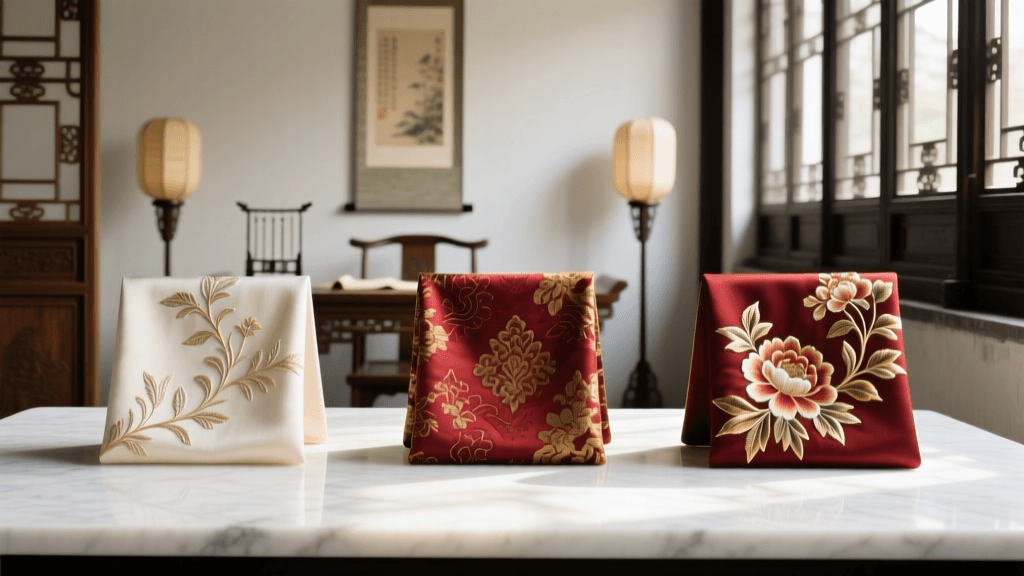
| Su Xiu | Suzhou, Jiangsu | Ultra-fine threads, subtle color gradients, double-sided stitching | Peonies, koi fish, delicate landscapes | Summer Beizi, lightweight Ruqun, formal accessories |
| Shu Xiu | Chengdu, Sichuan | Thick satin base, padded/quilted texture, vibrant contrasting colors | Giant pandas, lotus, carp, bamboo | Winter Mamianqun, padded jackets, home textiles |
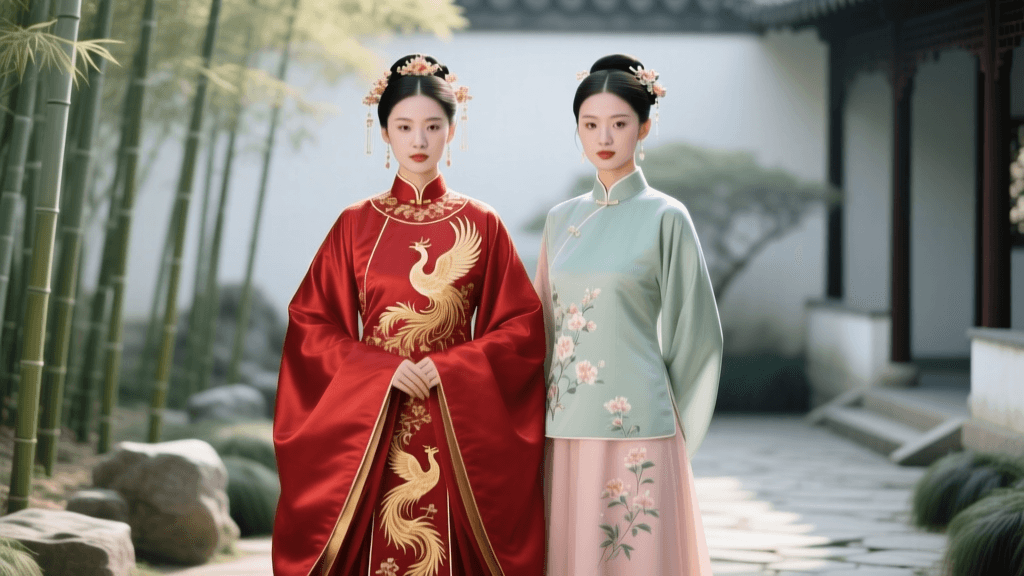
| Yue Xiu | Guangdong | Gold/silver couching, bold layouts, high contrast, textured stitching | Dragons, phoenixes, lychees, peacocks | Wedding Qungua, festival wear, theatrical costumes |
Suzhou Embroidery (Su Xiu): The Pinnacle of Subtlety
Suzhou embroidery is globally renowned for its breathtaking delicacy and photorealistic quality. Originating in the Jiangsu province, Su Xiu relies on the finest local silk. The most remarkable technique in this style is thread splitting. A master artisan can split a single silk thread into 1/16th, 1/32nd, or even 1/64th of its original thickness to achieve imperceptible color transitions. This allows for the famous 'double-sided embroidery' (Shuangmian Xiu), where a motif—such as a peacock or a cat—looks identical and perfectly finished on both sides of a translucent silk gauze screen.
Actionable Advice: Sourcing and Identifying Su Xiu
Because of its prestige, Su Xiu is frequently counterfeited using machine embroidery. To identify authentic hand-stitched Suzhou embroidery, examine the thread transitions. Machine embroidery uses distinct blocks of color, whereas genuine Su Xiu features seamless, painterly gradients. Furthermore, authentic pieces will have microscopic, almost invisible thread ends tucked away, while machine pieces often show uniform, repetitive stitch lengths.
- Cost Expectations: A genuine, hand-embroidered Su Xiu silk handkerchief or fan cover typically starts between $150 and $300. A fully embroidered Mamianqun (horse-face skirt) can easily range from $2,000 to over $10,000, depending on the complexity and the artisan's pedigree.
- Timing: If commissioning a custom piece, expect a wait time of 3 to 8 months. A single square foot of high-density Su Xiu can take an artisan over 100 hours to complete.
Shu Embroidery (Shu Xiu): Texture, Warmth, and Vibrancy
Hailing from Chengdu in Sichuan province, Shu Xiu is characterized by its robust, textured feel and brilliant, saturated colors. Historically, Sichuan's damp, chilly winters necessitated warmer garments, leading to the development of Shu Xiu on heavy satin and quilted bases. The stitches are often thicker and shorter, creating a slightly raised, three-dimensional effect that feels almost like a soft bas-relief sculpture. As noted in Britannica's comprehensive guide to textile arts, regional climate heavily influences textile weight and stitch density, which is perfectly exemplified by the sturdy, warm nature of Shu Xiu.
Actionable Advice: Styling and Caring for Shu Xiu
Shu Xiu is the ideal choice for autumn and winter Hanfu styling. Its heavy satin base provides excellent drape and warmth, making it perfect for the pleats of a winter Mamianqun or the cuffs of a padded Ao (jacket).
- Garment Care: Never machine wash or vigorously hand-wash Shu Xiu. The thick threads and satin base can easily snag or warp. Always opt for professional dry cleaning and specify the presence of delicate silk embroidery.
- Storage: Because of the padded nature of the stitches, Shu Xiu should not be folded tightly, as the threads can become permanently crushed. Roll the garment around an acid-free cardboard tube or store it flat in a breathable cotton garment bag.
- Sunlight Exposure: The vibrant dyes used in Shu Xiu, particularly the bright reds and greens, are susceptible to UV fading. Display or wear these garments away from prolonged, direct sunlight.
Cantonese Embroidery (Yue Xiu): Gold, Grandeur, and Contrast
Cantonese embroidery, originating from the Guangdong region (including Chaozhou), is the most flamboyant of the three. Yue Xiu is famous for its extensive use of metallic gold and silver threads, achieved through a technique called 'laid-couching.' Instead of pulling the metallic thread through the fabric (which would cause it to fray or snap), the gold thread is laid on the surface and secured with tiny, invisible stitches of silk thread. This style favors bold, highly saturated colors like crimson, emerald, and royal blue, creating a striking contrast against the metallic elements.
Actionable Advice: Preservation of Metallic Threads
Yue Xiu is heavily featured in traditional Chinese wedding attire, such as the Qungua or Kwa. Preserving the metallic threads is the primary challenge for collectors and brides wishing to pass these garments down as heirlooms.
- Moisture Control: Metallic threads, especially those made with real gold leaf wrapped around silk cores, are highly sensitive to humidity, which can cause the core to rot or the metal to tarnish. Store Yue Xiu garments in a climate-controlled environment with a relative humidity of around 45-50%.
- Cleaning Restrictions: Never use water or standard dry-cleaning solvents on Yue Xiu, as chemicals can strip the metallic coating. Surface dust should be gently removed using a soft, natural-bristle brush or a low-suction vacuum with a mesh screen attachment.
- Styling Tip: Because Yue Xiu is visually loud and heavy, balance it with minimalist accessories. Pair a heavily embroidered Cantonese jacket with a solid-colored, unembroidered skirt and simple jade or pearl hairpins to let the textile command attention.
Regional Dyeing: The Canvas for the Thread
Embroidery does not exist in a vacuum; it relies on the foundational canvas of dyed textiles. The dyeing techniques native to these regions perfectly complement their respective embroidery styles. In Suzhou, artisans traditionally use delicate plant dyes like gardenia (for soft yellows) and madder root (for muted pinks) to create the pastel backgrounds that allow Su Xiu's subtle gradients to shine. Conversely, in Guangdong, the use of Gambier juice (Shuangyu) creates a rich, dark brown or black silk base that provides maximum contrast for the blinding brilliance of Yue Xiu's gold couching. For DIY enthusiasts looking to recreate these historical palettes, sourcing natural, plant-dyed silk from specialized heritage mills in Hangzhou or Suzhou is highly recommended over synthetic, chemically dyed alternatives.
Practical Guide: Starting Your Own Embroidery Practice
For those inspired to move beyond collecting and wish to try their hand at these traditional techniques, starting with a basic DIY kit is an excellent way to build appreciation for the craft. The Victoria and Albert Museum's textile conservation and education resources frequently highlight the importance of understanding material properties before attempting restoration or creation.
- Begin with Su Xiu Basics: Purchase a beginner's silk gauze kit. Start with a simple floral motif using pre-split 2-strand silk floss. Practice the 'long and short stitch' to understand how color blending works on a microscopic level.
- Invest in Proper Tools: Ditch plastic hoops. Traditional Chinese embroidery requires a wooden slate frame or a high-tension hoop to keep the silk drum-tight, which is non-negotiable for achieving the flat, flawless surface required for Su and Yue styles.
- Study the Masters: Visit digital archives of the Suzhou Embroidery Museum or the Sichuan Shu Embroidery Museum. Pay close attention to the direction of the stitches; in authentic Chinese embroidery, the stitch direction always follows the natural growth pattern of a flower petal or the flow of an animal's fur.
Conclusion
Whether you are drawn to the whisper-soft gradients of Suzhou, the comforting texture of Sichuan, or the opulent goldwork of Cantonese embroidery, each style offers a unique window into China's diverse cultural geography. By understanding the specific techniques, costs, and preservation needs of Su, Shu, and Yue Xiu, you can build a traditional wardrobe that is not only visually stunning but historically respectful and built to last for generations.