Miao Traditional Clothing: Silver Ornaments & Indigo Batik
The Living Textiles of the Miao People
The Miao people, widely known in the West as the Hmong, represent one of China's most culturally vibrant ethnic minorities. Primarily concentrated in the mountainous regions of Guizhou, Yunnan, and Hunan provinces, the Miao have historically lacked a widely used written script. Instead, they have encoded their mythology, migration history, and clan identities directly into their textiles. According to the Metropolitan Museum of Art's Heilbrunn Timeline of Art History, Chinese minority textiles serve as vital markers of identity, functioning as wearable archives that communicate a wearer's age, marital status, and regional origins. For collectors, cultural enthusiasts, and sustainable fashion advocates, understanding the intricate craftsmanship of Miao clothing offers a profound glimpse into a living, breathing heritage.
The Weight of Heritage: Miao Silver Ornaments
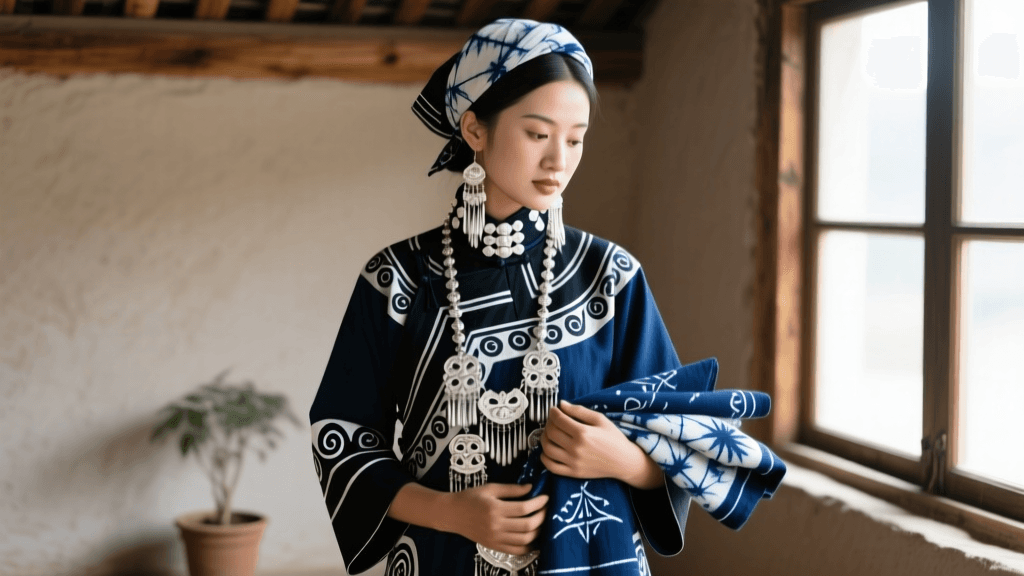
No Miao festival outfit is complete without the dazzling, resonant display of silver jewelry. Silver is believed to possess spiritual properties, capable of warding off evil spirits and illuminating the wearer's path in the afterlife. During major festivals like the Lusheng Festival or the Miao New Year, women don elaborate silver headdresses, neck rings, and chest plaques. The iconic silver horn headdress, shaped like the revered water buffalo, can span up to 1 meter across and weigh between 2 to 5 kilograms. The rhythmic chiming of the silver bells and tassels attached to these pieces is considered the 'music' of the ancestors.
However, navigating the market for Miao silver requires a discerning eye. Authentic, artisan-crafted silver is highly prized, but the influx of tourism has led to mass-produced alternatives. Below is a practical comparison to help buyers understand what they are purchasing.
| Material Type | Average Weight (Neck Ring) | Estimated Cost (USD) | Characteristics & Use Case |
|---|---|---|---|
| Pure Silver (990/999) | 1.5 - 2.5 kg | $400 - $900+ | Soft, highly malleable, deep luster. Used for heirloom pieces and high-end collectors. |
| Sterling Silver (925) | 1.2 - 2.0 kg | $250 - $500 | Mixed with copper for durability. Ideal for intricate filigree work and regular festival wear. |
| White Copper (Baitong) | 0.8 - 1.5 kg | $30 - $80 | A copper-nickel alloy. Bright, rigid, and lightweight. Common in tourist markets and stage costumes. |
Actionable Advice for Buyers: When purchasing silver in artisan hubs like Shidong Town in Guizhou, always ask for a hallmark or a certificate of authenticity. Bring a small neodymium magnet; pure silver and sterling silver are non-magnetic, whereas some cheaper alloys containing iron or steel will attract the magnet. Additionally, negotiate based on the current spot price of silver plus a craftsmanship premium (usually 15-30% for hand-forged pieces).
The Magic of Indigo Batik and the Hundred-Pleat Skirt
The foundation of Miao clothing is the deep, mesmerizing blue achieved through natural indigo dyeing. The Miao practice a resist-dyeing technique known as baidian (batik), where artisans use a specialized brass-tipped bamboo pen to draw intricate geometric and floral patterns onto white cotton using melted beeswax. The fabric is then submerged in vats of fermented indigo. As documented by the Victoria and Albert Museum's Asian Collections, the structural complexity and dyeing mastery of these textiles represent centuries of refined botanical and chemical knowledge.
The dyeing process is incredibly time-intensive. Achieving the signature dark blue-black hue requires up to 20 separate dips into the indigo vat, with each dip followed by oxidation in the open air. This entire process takes 3 to 4 weeks, heavily dependent on the humid, mountainous climate of Guizhou which aids fermentation.
The pinnacle of Miao textile engineering is the baidai qun, or 'hundred-pleat skirt.' Creating a single skirt requires up to 20 meters of indigo-dyed cotton. The pleating process involves meticulously folding the damp, dyed fabric and binding it tightly with thread, then setting the pleats using a natural starch or ox-hide glue. The skirt is left to dry and cure in a bamboo basket for weeks, resulting in a stiff, accordion-like garment that flares beautifully during traditional circle dances.
Decoding Miao Embroidery: Motifs and Techniques
Miao embroidery is renowned for its bold colors, three-dimensional textures, and mythological motifs. Because the Miao revere nature and their creation myths, common motifs include the 'Butterfly Mother' (the mythical progenitor of the Miao people), the water buffalo (a symbol of agricultural wealth), and stylized dragons. Unlike Han Chinese dragons, which are imperial and fearsome, Miao dragons are often depicted as playful, sometimes with the bodies of fish, silkworms, or birds.
The colors used in Miao embroidery are not merely decorative; they carry deep semantic meaning. Red threads often symbolize vitality, blood, and the sun, while green represents the lush mountain forests and the arrival of spring. Black and dark blue, derived from the indigo vats, serve as the grounding canvas that allows the vibrant silk threads to pop with striking contrast. In recent years, contemporary fashion designers have begun collaborating with Miao artisans, integrating these ancient motifs into modern haute couture, thereby providing a vital economic lifeline to rural villages.
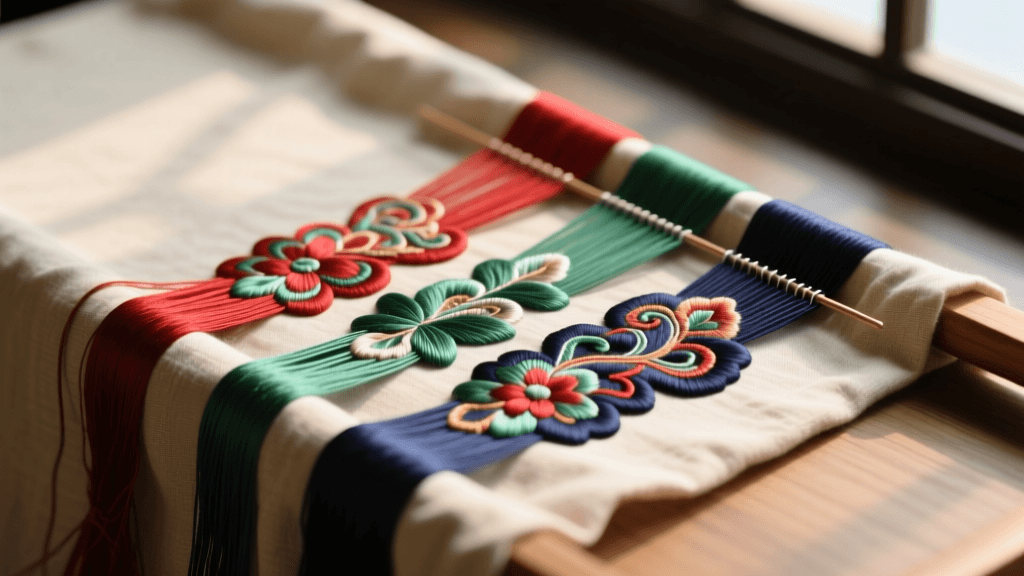
Artisans employ over a dozen distinct stitching techniques. Horsehair embroidery involves wrapping white horsehair with silk thread to create raised, 3D outlines. Seed stitching (or knot stitch) is used to fill areas with dense, textured dots that resemble tiny seeds, requiring immense patience and exceptional eyesight. Cultural preservation efforts highlighted by UNESCO's Intangible Cultural Heritage Lists emphasize the importance of safeguarding these highly specialized, time-consuming needlework traditions against the tide of mechanized embroidery.
Practical Guide: Caring for Indigo and Silver
Owning authentic Miao garments requires specific care protocols to preserve the organic dyes and prevent metal tarnishing.
- Washing Indigo Textiles: Never use warm water or alkaline detergents, as these will strip the natural indigo. Hand-wash the garment in cold water using a pH-neutral, lanolin-based soap (such as Eucalan). Do not wring the fabric; instead, press the water out gently between two clean towels.
- Drying: Dry indigo garments flat in the shade. Direct UV sunlight will rapidly fade the natural botanical dyes, turning the deep blue into a dull gray.
- Storing Pleated Skirts: Never hang a hundred-pleat skirt on a standard hanger, as the weight of the wet or damp fabric will pull the pleats out. Store it rolled loosely around an acid-free cardboard tube in a breathable cotton bag.
- Polishing Silver: Avoid harsh chemical dips. Clean Miao silver ornaments using a soft microfiber cloth and a mild paste of baking soda and water. For intricate filigree, use a soft-bristled baby toothbrush to gently lift tarnish from the crevices.
Sourcing Authentic Miao Garments
For serious collectors and researchers, sourcing authentic, vintage, or newly commissioned handmade Miao clothing requires visiting specific regional markets. The Sunday market in Kaili, Guizhou, remains a premier destination where local women sell their surplus handmade textiles, baby carriers, and embroidered jackets. When examining a piece, always turn it inside out. Hand-embroidered Miao jackets will show the intricate, albeit slightly messy, thread paths on the reverse side, whereas machine-embroidered tourist replicas will have a uniform, heavily bobbed underside with continuous, unbroken threads.
When visiting these markets, it is crucial to approach the artisans with respect and an understanding of the cultural weight these garments carry. Many vintage pieces were originally made as part of a woman's dowry or for her burial rites, meaning they hold immense sentimental and spiritual value. Haggling is expected, but it should be done fairly, recognizing the staggering amount of human labor embedded in every stitch and dye bath.
Expect to pay between $150 and $400 USD for a genuine, hand-embroidered vintage jacket, depending on the density of the stitching and the condition of the indigo base. Commissioning a new, fully handmade festival outfit directly from an artisan in Xijiang or Shidong can take 6 to 12 months and cost upwards of $2,000 USD, reflecting the hundreds of hours of labor involved in spinning, dyeing, pleating, and embroidering the garments. By investing in these pieces ethically, buyers directly support the economic independence of Miao women and ensure the survival of one of Asia's most spectacular textile traditions.