Exploring China's Top Hanfu Museums and Textile Heritage Sites
Discovering the Threads of History: A Guide to China’s Hanfu Museums
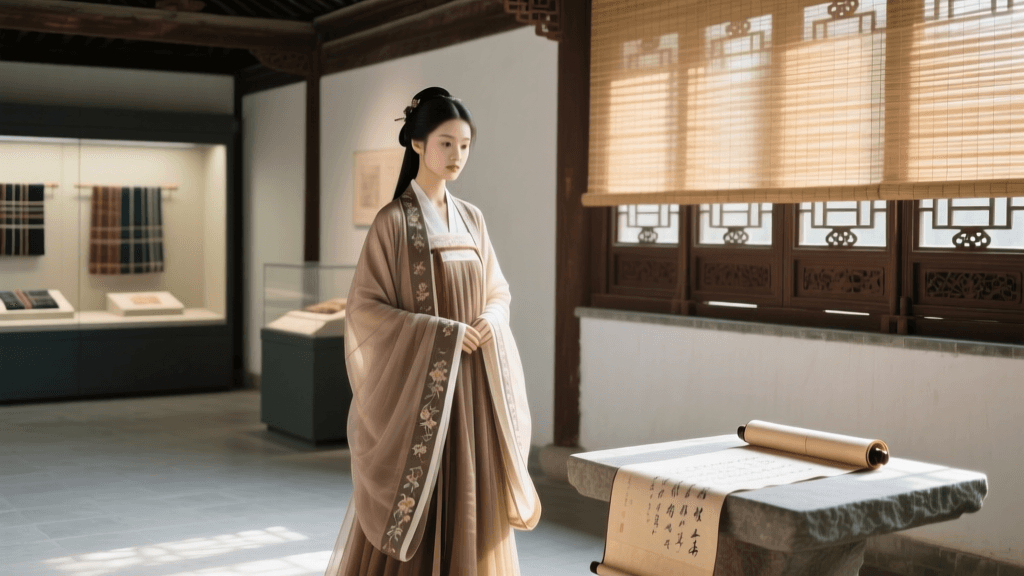
The modern Hanfu revival has transformed from a niche internet subculture into a sweeping cultural movement, with millions of enthusiasts donning traditional Chinese garments for festivals, daily wear, and travel. However, to truly understand the drape, structure, and historical context of these garments, one must look beyond contemporary e-commerce and step into the physical archives of history. China’s textile and history museums serve as the ultimate sanctuaries for Hanfu researchers, designers, and enthusiasts. These institutions house fragile, centuries-old textiles, meticulously preserved terracotta figurines, and intricate mural replicas that provide the blueprint for authentic traditional dress.
For those seeking to deepen their knowledge of Asian traditions, visiting these heritage sites offers an unparalleled education in ancient tailoring, dyeing techniques, and sartorial etiquette. According to the Metropolitan Museum of Art's Heilbrunn Timeline of Art History, the evolution of Chinese silk and textile production is inextricably linked to the development of its complex garment structures, making museum visits essential for anyone studying historical fashion.
Top Museums for Traditional Chinese Garments and Textiles
While hundreds of regional museums across China feature historical clothing, a few premier institutions stand out for their extensive, dedicated collections of ancient textiles, weaving technology, and Hanfu silhouettes. Below is a curated guide to the most important heritage sites for Hanfu enthusiasts.
1. China National Silk Museum (Hangzhou)
Located near the picturesque West Lake, the China National Silk Museum is the largest silk-themed museum in the world and a mandatory pilgrimage for Hanfu researchers. The museum’s 'Chinese Silk' exhibition traces the evolution of silk weaving from the Neolithic era to the Qing Dynasty. For Hanfu enthusiasts, the highlight is the collection of Song Dynasty textiles, including delicate gauze (Luo) and damask (Juan) fabrics that showcase the lightweight, flowing layers favored by the literati of the era. The museum also features an impressive conservation lab where visitors can observe experts restoring fragile Ming Dynasty garments, offering rare insights into historical seam allowances and lining techniques.
2. National Museum of China (Beijing)
The National Museum of China in Beijing houses a vast array of historical artifacts that provide visual evidence of ancient Hanfu silhouettes. While organic textiles from the Han and Tang dynasties are rare due to degradation, the museum’s collection of painted pottery figurines, jade carvings, and tomb murals offers a comprehensive look at how garments like the Shenyi (deep robe) and Ruqun (jacket and skirt) were actually worn and draped on the human body. The museum’s 'Ancient Chinese Clothing' special exhibitions frequently display imperial Ming Dynasty coronation robes, revealing the staggering complexity of gold-thread couching and dragon roundel placements.
3. Chengdu Shu Brocade Museum (Sichuan)
Shu Brocade is one of China’s oldest and most prestigious silk weaves, historically used for heavy, structured, and highly formal Hanfu garments. The Chengdu Shu Brocade Museum is unique because it operates as both a historical archive and a living workshop. Visitors can hear the rhythmic clacking of traditional wooden draw-looms as master artisans weave complex geometric and floral patterns. Understanding the rigid, heavy drape of Shu brocade is crucial for Hanfu makers attempting to recreate authentic Ming Dynasty formal jackets (Pifo or Dashan), as modern lightweight silks simply cannot replicate the architectural structure of these historical garments.
Museum Comparison Chart for Hanfu Enthusiasts
Planning a textile heritage tour requires strategic timing and an understanding of what each institution offers. Use the table below to compare China's top Hanfu and textile museums.
| Museum Name | Location | Primary Garment/Textile Focus | Admission Cost | Best Time to Visit |
|---|---|---|---|---|
| China National Silk Museum | Hangzhou, Zhejiang | Song/Ming silk weaves, textile conservation | Free (Reservation required) | Spring (March-May) to avoid summer humidity |
| National Museum of China | Beijing | Han/Tang figurines, Ming imperial robes | Free (Passport required, book 7 days ahead) | Weekday mornings, avoid National Holidays |
| Chengdu Shu Brocade Museum | Chengdu, Sichuan | Shu brocade weaving, traditional draw-looms | ~30 RMB (Varies by exhibition) | Autumn (Sept-Nov) for comfortable indoor viewing |
| Suzhou Silk Museum | Suzhou, Jiangsu | Song Brocade, Kesi (cut silk) tapestry | Free / 20 RMB for special exhibits | Year-round, allocate at least 3 hours |
What to Look For: Decoding Hanfu in Exhibitions
Walking through a museum can be overwhelming without knowing exactly what to look for. When examining historical garments and artifacts, Hanfu enthusiasts should focus on three critical elements that define traditional Chinese tailoring.
The Maweiqun (Horse-Face Skirt) Pleating Structure
The Ming Dynasty Maweiqun is a staple of modern Hanfu, but museum pieces reveal the true engineering behind the skirt. Look closely at the waistband and the pleat setting. Historical skirts often feature flat, unpleated panels (the 'horse faces') that overlap perfectly, while the side pleats are secured with hidden stitching to prevent them from flaring open awkwardly during movement. Examining antique waistbands also reveals the use of contrasting, durable fabrics like cotton or linen in areas hidden from view, a practical detail many modern manufacturers overlook.
The Shenyi (Deep Robe) Cross-Collar Alignment
The Shenyi, a one-piece robe connecting the top and bottom, is foundational to Han dynasty dress. In museum figurines and murals, observe the strict adherence to the 'right-over-left' (Youren) cross-collar rule. Furthermore, look at the sleeve roots and the armpit gussets. Historical garments often feature a curved sleeve root to allow for arm mobility without pulling the cross-collar out of alignment, a tailoring nuance that separates high-end, historically accurate Hanfu from mass-produced costumes.
Textile Weaves: Luo, Jin, and Kesi
Understanding historical fabric types is essential. The China National Silk Museum provides excellent visual guides to different weaves. Luo (gauze) features twisted warp threads creating breathable holes, ideal for summer Banbi (half-sleeve jackets). Jin (brocade) is warp-faced and heavy, used for winter collars and cuffs. Kesi (cut silk tapestry) creates a carved, embroidered look and was historically reserved for imperial dragon robes and high-ranking official badges (Buzi).
Practical Visitor Guide: Booking, Costs, and Etiquette
Visiting heritage sites in China requires some logistical preparation, especially for international tourists and independent researchers. Here is actionable advice for planning your museum tour.
- Reservations via WeChat: Almost all major Chinese museums, including the National Museum of China and the China National Silk Museum, require advance reservations. You must use the museum’s official WeChat Mini-Program. Bookings typically open 7 days in advance at 9:00 AM or 12:00 PM, and slots sell out in minutes. Foreign visitors can now link international credit cards to WeChat Pay and use passport numbers for ID verification.
- Photography Rules and Lighting: Flash photography is strictly prohibited in all textile exhibitions, as the intense burst of light degrades fragile historical dyes and silk proteins. Many museums also ban the use of selfie sticks and tripods. To capture the intricate weave of a Ming Dynasty brocade, use a camera with a fast lens (e.g., f/1.8) capable of handling low-light museum conditions without a flash.
- Sketching and Research: Most museums welcome sketching and note-taking, which is highly recommended for Hanfu designers studying seam lines and drape. However, commercial photography or setting up lighting equipment for a Hanfu lookbook shoot requires prior written permission from the museum’s media relations department.
- Accessibility and Amenities: Major institutions like the National Museum of China are fully wheelchair accessible and offer free audio guides in multiple languages. Download the museum’s official app or use the WeChat audio guide mini-program before entering the galleries to ensure you have the historical context for each display case.
Beyond the Glass: Intangible Heritage and Living Exhibitions
The preservation of Hanfu is not just about protecting dead artifacts behind glass; it is about sustaining the intangible cultural heritage of the artisans who create them. Many modern exhibitions are shifting toward interactive experiences. The Chengdu Shu Brocade Museum, for instance, allows visitors to purchase authentic, hand-woven fabric directly from the artisans, supporting the local economy and ensuring the survival of the craft. Similarly, the UNESCO Silk Roads Online Platform highlights how regional textile traditions along the ancient trade routes continue to influence contemporary Asian fashion and cultural identity.
Some museums have even begun hosting 'Hanfu Days,' where visitors wearing historically accurate, period-specific traditional clothing are granted free or discounted entry, or are invited to participate in traditional tea ceremonies and archery demonstrations within the museum courtyards. This synergy between the institution and the public breathes life back into the garments, transforming the museum from a silent mausoleum of textiles into a vibrant hub of living history.
Conclusion
For the dedicated Hanfu enthusiast, designer, or cultural historian, China’s textile and national museums are indispensable resources. They offer the empirical evidence needed to move beyond speculative recreations and embrace the authentic engineering, material culture, and aesthetic philosophy of traditional Chinese dress. By studying the drape of a Han dynasty figurine, the weave of a Song dynasty gauze, or the loom of a Shu brocade artisan, we ensure that the rich sartorial heritage of Asia is not only remembered but accurately and respectfully carried into the future.