Ryukyuan Ryusou and Ainu Attush: Japan's Indigenous Garments Guide
Japan’s Indigenous Textile Heritage: Beyond the Mainland Kimono
When the world envisions traditional Japanese clothing, the image of the mainland Yamato kimono almost exclusively dominates the cultural consciousness. However, the Japanese archipelago is home to distinct ethnic minorities with rich, highly developed sartorial traditions shaped by vastly different climates, trade networks, and spiritual beliefs. In the subtropical southern islands of Okinawa, the Ryukyuan people developed the vibrant, breathable Ryusou. Conversely, in the harsh, northern landscapes of Hokkaido, Sakhalin, and the Kuril Islands, the Ainu people engineered resilient, spiritually protective garments like the Attush.
For collectors, cultural historians, and textile enthusiasts, understanding these indigenous garments offers a profound look into Japan’s diverse heritage. This guide explores the craftsmanship, cultural significance, and practical realities of acquiring and caring for Ryukyuan and Ainu traditional dress today.
Ryukyuan Ryusou: The Subtropical Elegance of Okinawa
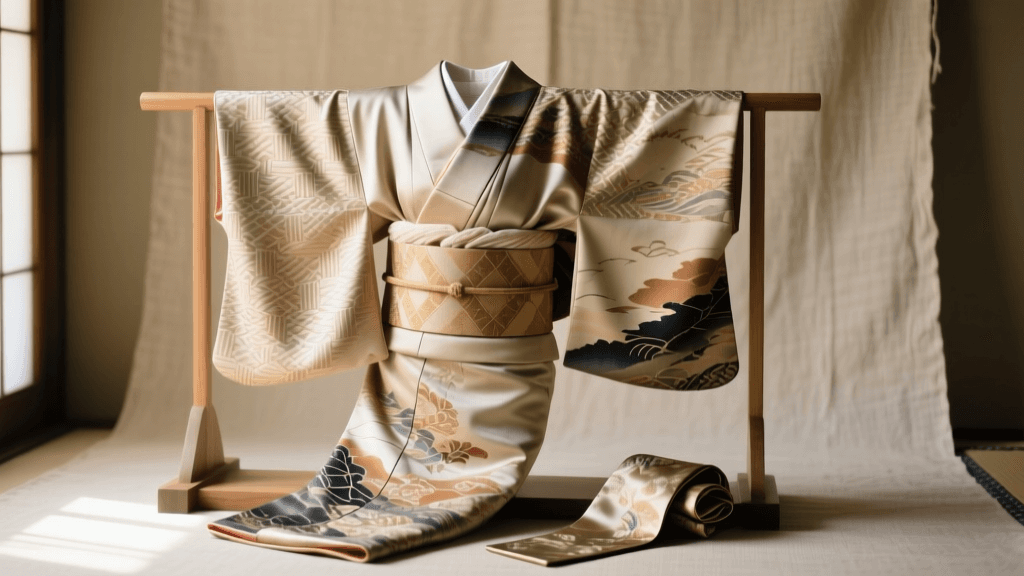
The Ryukyu Kingdom (1429–1879) was a thriving maritime hub that facilitated tributary trade between China, Japan, and Southeast Asia. This cosmopolitan exchange heavily influenced Ryukyuan dress, known collectively as Ryusou. Unlike the heavily layered, restrictive silk kimono of mainland Japan’s Edo period, Ryusou was designed for a humid, subtropical climate, prioritizing airflow, lightweight materials, and vibrant, nature-inspired aesthetics.
Key Textiles: Bingata and Bashofu
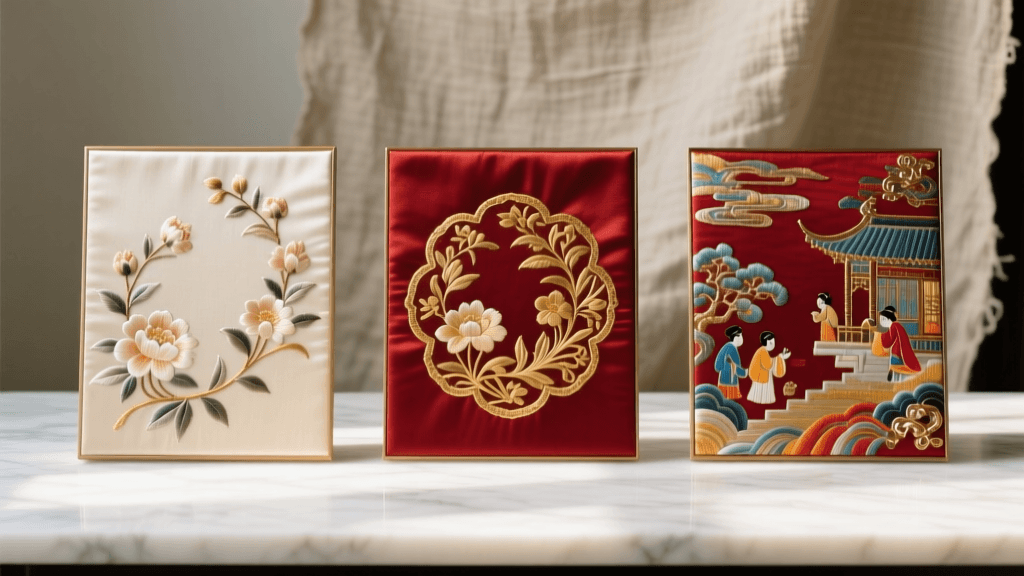
The pinnacle of Ryukyuan textile art is Bingata, a traditional resist-dyeing technique. Artisans use a rice-paste resist applied through hand-cut mulberry paper stencils to create bold, striking patterns featuring tropical flora, fauna, and Chinese mythological motifs. Historically, the colors of Bingata were strictly regulated by social class, with brilliant safflower reds and imported cochineal yellows reserved for royalty.
Equally remarkable is Bashofu, a highly prized fabric woven from the fibers of the Japanese banana plant (Musa basjoo). The production of Bashofu is extraordinarily labor-intensive. It takes approximately 200 banana trees to produce enough fiber for a single adult’s garment. The resulting cloth is remarkably lightweight, crisp, and breathable, making it the ultimate luxury summer textile. The Japan Kogei Association recognizes Bashofu and Bingata as paramount traditional crafts, noting their intricate hand-woven and dyed qualities that remain largely unchanged for centuries.
Ainu Attush: The Resilient Bark Cloth of the North
The Ainu, the indigenous people of northern Japan, developed a material culture intimately tied to the rugged boreal forests and coastal environments of Hokkaido. While the Ainu utilized animal skins and furs for extreme winter conditions, their most iconic and culturally significant everyday garment is the Attush, a robe woven from the inner bark of the Manchurian elm (Ulmus davidiana var. japonica, known as ohyo in Ainu).
Craftsmanship and the Kaparamip
The creation of Attush is a testament to indigenous engineering. Ainu women traditionally harvested elm bark in the spring, soaked it in rivers or hot springs to soften the fibers, and then painstakingly split it into fine, even threads. These threads were woven on a backstrap loom, producing a durable, water-resistant, and surprisingly flexible fabric. According to the Upopoy National Ainu Museum and Park, the backstrap weaving technique allowed for the creation of narrow, sturdy panels that were then stitched together to form T-shaped robes.
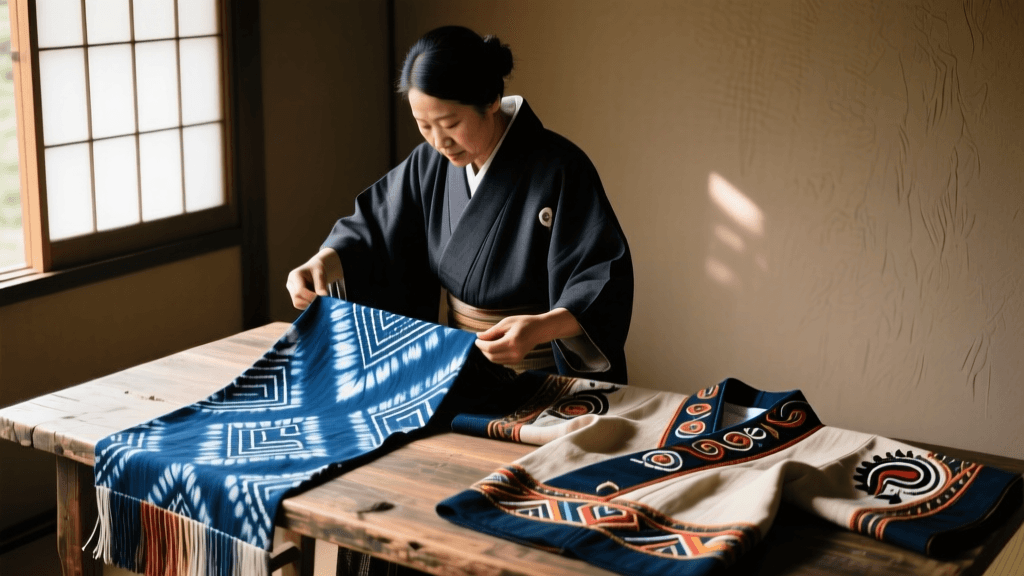
Over the Attush, Ainu women often wore a Kaparamip, a thinner robe made from traded cotton or nettle fiber. The Kaparamip is famous for its intricate appliqué and chain-stitch embroidery. The motifs are not merely decorative; they are deeply spiritual. Patterns like moreu (swirls) and ayus (thorns) are strategically placed at the garment’s openings—hems, cuffs, and necklines. In Ainu animism, these thorny, labyrinthine designs act as spiritual barbed wire, preventing malevolent spirits (kamuy) from entering the wearer’s body through the clothing's gaps.
Comparative Analysis: Ryukyuan, Ainu, and Mainland Garments
To understand the functional and cultural divergence of Japan's traditional garments, consider the following comparative data table:
| Feature | Ryukyuan Ryusou (Bingata/Bashofu) | Ainu Attush & Kaparamip | Mainland Yamato Kimono |
|---|---|---|---|
| Primary Material | Banana fiber, silk, cotton | Elm bark, cotton, nettle | Silk, hemp, wool, polyester |
| Climate Adaptation | Subtropical (highly breathable, loose) | Cold/Windy (layered, wind-resistant) | Temperate (seasonal linings, padded) |
| Fastening Method | Lightweight cotton sash, loose tie | Woven sash (upsorkut), brooches | Structured silk obi, obijime cords |
| Spiritual Motif | Nature, longevity, Chinese myths | Moreu (swirls), Ayus (thorns) | Auspicious symbols, family crests |
| Avg. Artisan Cost | ¥30,000 (cotton) to ¥2,000,000+ | ¥25,000 (accessories) to rare robes | ¥100,000 to ¥1,500,000+ |
Practical Guide: Sourcing, Pricing, and Measurements
For collectors and practitioners of traditional Asian dress, acquiring authentic Ryukyuan or Ainu garments requires navigating a niche market. The Japan National Tourism Organization (JNTO) highlights that while mainstream kimono rentals are ubiquitous, indigenous garments are primarily sourced through specialized artisan cooperatives, regional museums, and direct commissions.
Acquiring Authentic Pieces and Pricing
- Ryukyuan Bingata: A modern, mass-printed cotton Bingata-style yukata can be found in Okinawan tourist markets for ¥5,000 to ¥10,000. However, authentic, hand-stenciled Bingata silk kimonos by certified artisans in Naha start around ¥300,000 ($2,000 USD) and can exceed ¥1,000,000.
- Ryukyuan Bashofu: True Bashofu is incredibly rare due to the scarcity of weavers. A vintage, pre-war Bashofu kimono at a specialized antique textile dealer in Kyoto or Tokyo will typically cost between ¥800,000 and ¥2,500,000.
- Ainu Attush: Full Attush robes are rarely sold commercially and are mostly held in museums or by Ainu families for ceremonial use. However, contemporary Ainu artisans create Attush accessories—such as wallets, small pouches, and table runners—ranging from ¥15,000 to ¥50,000 ($100 to $350 USD). These can be purchased directly from craft cooperatives in Hokkaido, such as those near Lake Akan or the Upopoy cultural center.
Sizing and Measurements
Unlike the highly standardized Yuki (arm span) and Mitake (back length) measurements of the mainland kimono, indigenous garments often feature more forgiving, modular constructions.
- Ryusou Sizing: Ryusou sleeves are generally shorter and wider than mainland kimono sleeves to promote air circulation. When commissioning a custom Ryusou, the Kata-haba (shoulder width) is broader, and the garment is meant to drape loosely over the body rather than conform tightly to the torso via heavy obi binding.
- Ainu Sizing: Because Attush is woven on a backstrap loom, the fabric panels are narrow (typically 30 to 40 cm wide). The robes are constructed by joining these panels in a T-shape. They are inherently oversized and loose-fitting, gathered at the waist with a woven sash called an upsorkut or raunkut. This makes antique Attush garments relatively easy to fit for modern wearers as outer layers or exhibition pieces.
Care and Maintenance
Preserving natural, indigenous fibers requires specific environmental controls and cleaning methods:
- Bashofu Care: Never dry clean authentic Bashofu. The harsh chemicals will strip the natural plant oils and make the banana fiber brittle. Hand wash gently in lukewarm water with a neutral pH detergent. Do not wring; press between towels and dry in the shade, as UV light will rapidly degrade the plant fibers.
- Attush Care: Elm bark cloth is highly susceptible to mold in humid environments. Store Attush items in a climate-controlled room with humidity levels below 50%. Do not wash Attush; instead, use a soft-bristled natural brush to gently remove dust and debris along the grain of the weave.
- Bingata Silk: Due to the rice-paste resist and natural dyes, water spotting is a major risk. Professional cleaning by a specialist familiar with Okinawan dyes is mandatory for silk Bingata pieces.
Conclusion
The garments of the Ryukyuan and Ainu peoples are far more than regional variations of the Japanese kimono. They are distinct, highly engineered textiles born from the specific ecological and spiritual demands of their environments. Whether it is the breezy, vibrant elegance of a Bashofu robe or the spiritually fortified, resilient weave of an Attush tunic, these indigenous garments offer a vital, living connection to the diverse ancestral roots of the Japanese archipelago.