Kimono Silk Guide: Nishijin-ori vs Yuzen Craftsmanship
The Foundation of Elegance: Understanding Kimono Silk
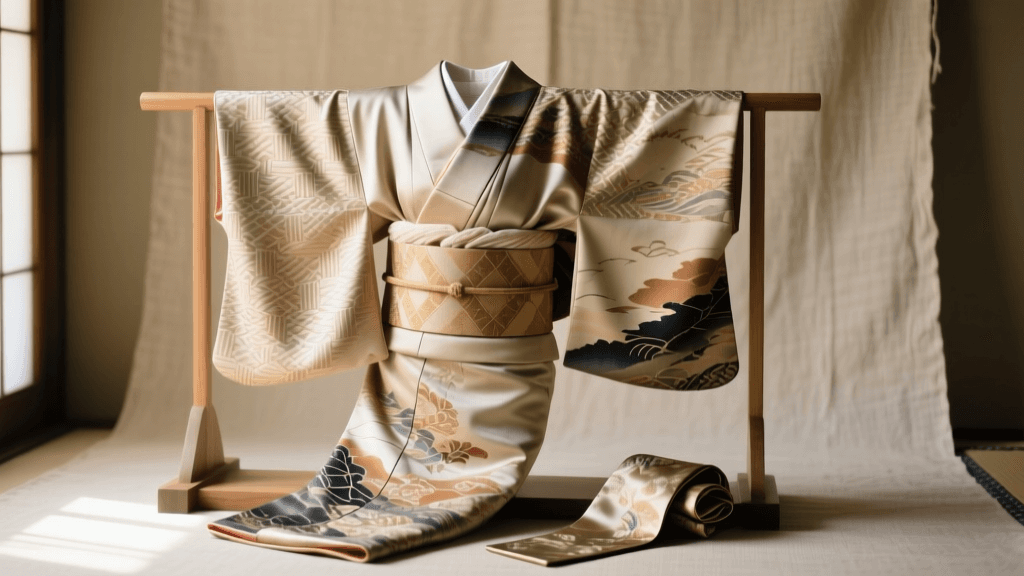
The soul of a traditional Japanese kimono does not merely lie in its silhouette, but in the meticulous craftsmanship of its fabric. For collectors, cultural enthusiasts, and prospective buyers, navigating the world of kimono textiles can be daunting. The two most revered techniques in luxury kimono craftsmanship are Nishijin-ori (intricate weaving) and Kyo-Yuzen (resist dyeing). Understanding the distinction between these methods, the specific silk types used, and the practicalities of purchasing and maintenance is essential for anyone looking to invest in authentic Japanese garments.
According to the Victoria and Albert Museum, the evolution of the kimono from the Edo period to the modern day is intrinsically linked to advancements in silk weaving and dyeing technologies. This guide will break down the technical differences, provide a structured comparison, and offer actionable buying advice for luxury kimono fabrics.
The Canvas: Tanmono and Silk Varieties
Before diving into specific techniques, it is crucial to understand the tanmono (fabric bolt). Traditional kimono are not cut from wide sheets of fabric; they are constructed from a single bolt of silk typically measuring 36 cm (14.2 inches) in width and 11.5 meters (12.6 yards) in length. This standardized measurement dictates the geometric, straight-line construction of the kimono, ensuring minimal fabric waste and allowing the garment to be easily disassembled for cleaning or re-dyeing.
Common Silk Bases
- Chirimen (Crepe Silk): A textured silk with a pebbled surface created by highly twisted weft threads. It takes dye beautifully and is the primary canvas for Yuzen dyeing.
- Rinzu (Damask Silk): A soft, lustrous silk with woven geometric or floral background patterns. It is heavily favored for formal Nishijin-ori brocades and wedding uchikake.
- Tsumugi (Pongee): A rustic, slubbed silk spun from wild silk cocoons. While less formal, it is highly prized for its durability, breathability, and understated elegance.
Nishijin-ori: The Pinnacle of Woven Silk Craftsmanship
Originating in the Nishijin district of Kyoto over 1,200 years ago, Nishijin-ori is a designation for luxury, multi-layered brocade weaving. Unlike dyed fabrics where color is applied to the surface, Nishijin-ori integrates color and pattern directly into the structure of the fabric using pre-dyed silk threads, gold leaf, and silver foil.
The Nishijin Textile Center notes that authentic Nishijin-ori requires the collaboration of over twenty specialized artisans, from the thread dyer to the loom programmer. The result is a heavy, structured fabric with a distinct raised texture and a brilliant, metallic sheen.
Actionable Advice: Identifying and Buying Nishijin-ori
- Visual Inspection: Turn the fabric over. In authentic Nishijin brocade, the intricate patterns will be visible (though in reverse colors) on the back. If the back is plain white or solid, it is likely a printed imitation or a simpler weave.
- Weight and Drape: Nishijin-ori is notably heavier and stiffer than dyed silk. It holds its shape rigidly, making it ideal for formal obi (sashes) and outerwear, but less suited for lightweight summer garments.
- Cost Expectations: A new, hand-woven Nishijin-ori fukuro obi typically ranges from $800 to $3,500 USD. Highly complex custom commissions utilizing pure gold thread can exceed $10,000 USD and require a lead time of 6 to 12 months.
Kyo-Yuzen: The Art of Resist Dyeing
While Nishijin-ori builds patterns through structure, Kyo-Yuzen paints patterns onto the silk's surface. Developed in the late 17th century by Miyazaki Yuzensai, this technique uses a starch-based resist paste (itome-nori) to outline designs, preventing dyes from bleeding into one another. This allows for incredibly detailed, pictorial motifs—such as cascading waterfalls, intricate floral arrangements, and landscapes—that look as though they were painted on a canvas.
Tegaki vs. Kata Yuzen: What You Are Paying For
When shopping for Yuzen kimono, you will encounter two primary methods, which drastically affect the price:
- Tegaki Yuzen (Hand-Painted): Every line of resist paste and every brushstroke of dye is applied by hand. The colors feature subtle gradients (bokashi) and minute details. Cost: $1,500 to $5,000+ USD for a full kimono.
- Kata Yuzen (Stencil Dyeing): Artisans use hand-cut mulberry paper stencils to apply the resist paste and dyes. While still a highly skilled traditional craft, it allows for repeatable patterns and faster production. Cost: $400 to $1,200 USD.
Fabric Comparison Chart: Weave vs. Dye
To make an informed purchasing decision, refer to this structured comparison of Nishijin-ori and Kyo-Yuzen textiles.
| Feature | Nishijin-ori (Woven Brocade) | Kyo-Yuzen (Resist Dyed) |
|---|---|---|
| Primary Technique | Multi-layered weaving with pre-dyed threads | Starch-resist dyeing on woven silk (usually Chirimen) |
| Texture & Drape | Heavy, structured, stiff drape | Lightweight, fluid, soft drape |
| Best Garment Types | Obi, Haori, Furisode outer layers, Uchikake | Houmongi, Tomesode, Yukata (cotton variant), Juban |
| Pattern Reversibility | Pattern visible (inverted) on the reverse side | Reverse side is mostly plain white or solid base color |
| Price Range (New) | $800 – $5,000+ (Obi); $3,000+ (Kimono) | $400 – $3,000+ (Depending on hand-painted vs stencil) |
| Maintenance | Spot clean only; avoid moisture to protect metallic threads | Can undergo traditional Maru-aramai (full disassembly washing) |
Practical Buying Guide: Measurements, Timing, and Costs
Standard Measurements and Sizing
Unlike Western clothing, kimono are not sized by chest or waist measurements, but rather by height and hip width. When buying vintage or commissioning new pieces, pay attention to the Mitake (back length) and Yuki (sleeve-to-center-back length).
- Ideal Mitake: Should be roughly equal to the wearer's height minus 20-30 cm, allowing for the ohashori (the fold at the waist).
- Standard Yuki: Typically ranges from 60 cm to 68 cm. Modern wearers often require longer Yuki measurements than vintage garments provide.
- Width Constraints: Because the fabric bolt is only 36 cm wide, the maximum hip measurement a standard kimono can comfortably accommodate is roughly 100 cm (39 inches). Wider bolts (hiroyoshi) must be custom-ordered, increasing fabric costs by 30-50%.
Timing Your Purchase and Seasonal Rules
Japanese textile traditions are deeply tied to the calendar. If you are commissioning a custom Kyo-Yuzen kimono, you must plan 4 to 6 months in advance to ensure the motifs align with the season of the intended event. According to guidelines highlighted by the Japan National Tourism Organization regarding Kyoto's textile heritage, wearing seasonal motifs slightly ahead of the actual season is preferred over wearing them late.
- Spring (March - May): Cherry blossoms, peonies, and wisteria. Buy in January.
- Summer (June - August): Fireflies, water motifs, morning glories, and geometric cooling patterns. Buy in March.
- Autumn (September - November): Maple leaves, chrysanthemums, and susuki grass. Buy in June.
- Winter (December - February): Pine, bamboo, plum blossoms (shochikubai), and snow rings. Buy in September.
Caring for Luxury Silk: Actionable Maintenance
Investing in luxury kimono craftsmanship requires strict adherence to traditional care methods to preserve the silk's integrity and the artisan's work.
Never attempt to wash a Nishijin-ori obi or a hand-painted Yuzen kimono at home. Water will permanently shrink the chirimen silk base and cause the starch resist lines to bleed, ruining the garment.
Professional Cleaning: Maru-aramai
For Kyo-Yuzen garments, seek out a specialist who offers Maru-aramai. This traditional process involves completely unpicking the kimono's seams, washing the individual flat panels of silk in specialized solutions, re-stretching the fabric on bamboo frames (shinshi), and re-sewing the garment. This process, costing between $150 and $300 USD, restores the silk's original luster and removes invisible stains before they oxidize.
Storage Best Practices
- Tatou Paper: Always store silk kimono wrapped in acid-free tatou paper. Never use plastic bags, as trapped humidity will cause mold and yellowing.
- Cedar Chests (Tansu): Store garments in a traditional Paulownia or Cedar wood chest, which naturally regulates humidity and repels insects.
- Airing Out: Twice a year (ideally in the dry, crisp air of late autumn or early winter), remove the garments from storage, unfold them, and let them air out in a shaded, well-ventilated room for 4 to 6 hours to prevent crease-setting and musty odors.
Conclusion
Whether you are drawn to the structural majesty of Nishijin-ori brocade or the fluid, pictorial poetry of Kyo-Yuzen dyeing, understanding the craftsmanship behind the fabric elevates the appreciation of the garment. By paying close attention to the silk base, verifying the weaving or dyeing techniques, and adhering to traditional sizing and maintenance protocols, you ensure that these masterpieces of Asian textile heritage remain vibrant for generations to come.