Planning a Destination Wedding Kimono: Styles, Costs, and Logistics
The Allure of a Cross-Cultural Destination Wedding
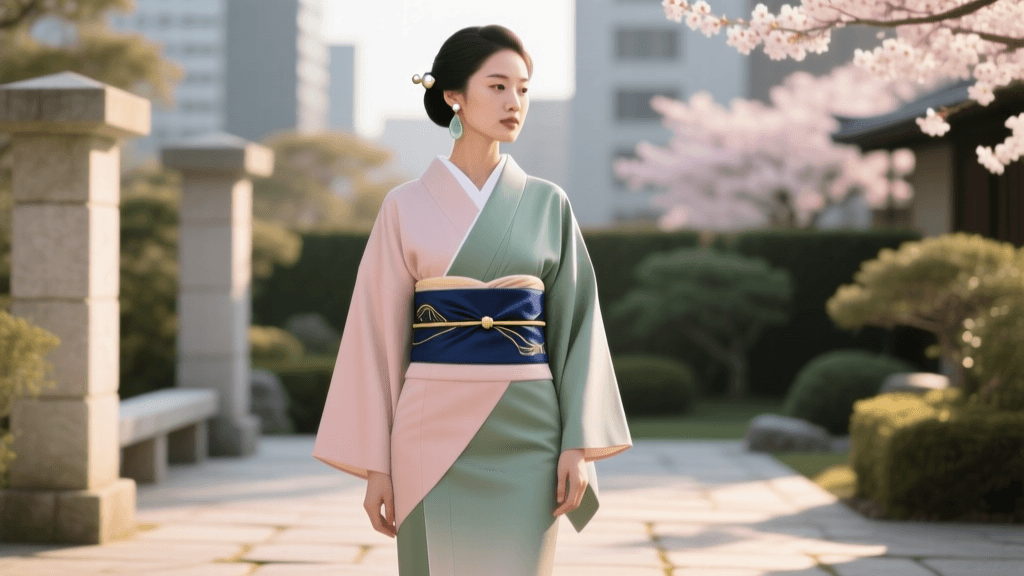
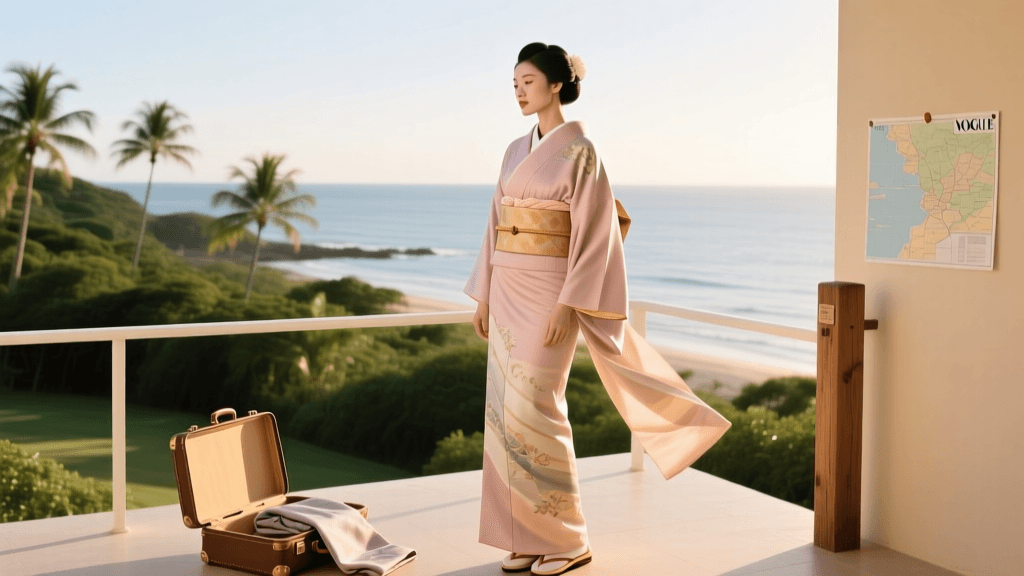
Choosing a traditional Japanese kimono for a destination wedding or special milestone event is a profound way to honor heritage while creating breathtaking, cross-cultural aesthetics. Whether you are exchanging vows at a historic Shinto shrine in Kyoto, hosting a beachfront ceremony in Hawaii, or celebrating an anniversary in a European castle, the kimono offers an unparalleled silhouette of elegance. According to The Metropolitan Museum of Art, the kimono evolved from the functional kosode of the Edo period into a deeply symbolic canvas of art, status, and seasonal awareness. However, transporting, sourcing, and wearing this intricate garment outside of Japan requires meticulous logistical planning, an understanding of formal dress codes, and a realistic budget.
Selecting the Perfect Bridal and Formal Kimono
When planning a destination wedding, selecting the appropriate level of formality is crucial. The Japan Guide outlines the distinct formality levels of traditional garments, which translate directly to modern bridal and event wear.
- Shiromuku (White Bridal Kimono): The most formal bridal attire, symbolizing purity and the bride's willingness to be 'dyed' into her new family's traditions. It is heavily padded, incredibly warm, and weighs up to 20 kilograms (44 lbs) when fully accessorized. Best suited for indoor shrine ceremonies or climate-controlled venues.
- Iro-uchikake (Colored Overcoat): Worn over a base kimono, this heavily padded, trailing coat features vibrant colors like crimson, gold, or black, often adorned with auspicious motifs like cranes, pine trees, or cherry blossoms. It is a popular choice for the reception or evening banquet.
- Hikifurisode (Trailing Sleeves): Characterized by long, swinging sleeves (often 100cm to 114cm in length) and a padded hem that trails on the floor. This is the standard formal wear for unmarried women and is increasingly popular for modern brides who want a dramatic, romantic silhouette without the extreme weight of an uchikake.
Sourcing Your Garment: Renting, Buying, or Shipping
One of the most critical decisions for a destination event is how to acquire the kimono. Below is a comparison chart detailing the costs, lead times, and logistical realities of each sourcing method.
| Sourcing Method | Estimated Cost (USD) | Lead Time | Pros & Cons |
|---|---|---|---|
| Renting in Japan (Kyoto/Tokyo) | $300 - $900 | 3 - 6 Months | Pros: Full service, professional dressing included, massive inventory. Cons: Must be in Japan; cannot travel internationally with the rental. |
| Purchasing Vintage/Antique | $150 - $2,500+ | 1 - 3 Months | Pros: Unique keepsake, highly affordable silk, eco-friendly. Cons: Sizing is restrictive (standard width is ~36cm), requires professional cleaning and careful packing. |
| Hiring Overseas Kimono Specialist | $1,200 - $3,500 | 9 - 12 Months | Pros: On-site dressing at your global venue, custom tailoring. Cons: High premium cost, limited inventory, requires extensive advance booking. |
| Modern Custom Commission | $4,000 - $15,000+ | 6 - 12 Months | Pros: Tailored to exact measurements, brand new silk, heirloom quality. Cons: Extremely expensive, long production time. |
The Art of Packing: Protecting Silk in Transit
If you choose to purchase a vintage or custom kimono to bring to your destination, packing is an art form that dictates the survival of the silk. Never fold silk with sharp, hard creases, as the fibers can permanently weaken or snap over time.
- Use Tatou-shi: Wrap the garment in tatou-shi, a specialized, acid-free, anti-moisture Japanese tissue paper. This prevents the silk from yellowing and protects delicate gold-leaf embroidery from friction.
- The Tato Envelope: Fold the kimono using the traditional flat-folding method and place it inside a tato (a large, breathable paper envelope). Avoid plastic garment bags, which trap humidity and invite mold growth—a disaster when traveling to tropical destinations.
- Carry-On Only: Irreplaceable vintage silks, antique maru obi (heavily brocaded sashes), and family heirlooms must be carried onto the plane. Checked luggage is subject to extreme temperature fluctuations in the cargo hold and the risk of being lost.
Securing a Kitsuke (Kimono Dresser) Abroad
Wearing a formal kimono is not a DIY endeavor; it requires a licensed kitsuke artist. Dressing a bride takes between 2 to 2.5 hours, while dressing a guest takes about 45 to 60 minutes. If you are hosting an event outside of Japan, you must locate a local Japanese cultural society, a specialized kimono salon, or fly a dresser out from Japan. When negotiating with a kitsuke artist, ensure you understand who is providing the accessories. A complete formal dressing requires an extensive toolkit:
- Hadajuban & Nagajuban: The cotton and silk undergarments that protect the outer kimono from sweat and body oils.
- Koshihimo (3-4 ties): Thin cotton or silk cords used to secure the kimono at the waist and adjust the length (ohashori).
- Datejime (2 belts): Wider elastic or silk belts used to smooth the under-layers and prevent bulging.
- Obi-ita & Obi-makura: A stiff plastic or felt board inserted into the obi to keep it perfectly smooth, and a small cushion used to support the volume of the knot (musubi).
- Obi-jime & Obi-age: The decorative braided cord and the silk scarf that wrap around the obi knot to secure and embellish it.
- Tabi & Zori: Split-toe socks and traditional sandals. Note: Tabi must be purchased in advance based on exact foot measurements (e.g., 23.5 cm), as they do not stretch.
Climate, Venue, and Comfort Adaptations
The traditional Japanese calendar heavily influences textile choices, and ignoring this can lead to severe physical discomfort. The Victoria and Albert Museum (V&A) highlights that the kimono is intrinsically linked to seasonal awareness, both in motif and material.
If your destination wedding is in a hot, humid climate (such as a summer beach wedding in Southeast Asia or the American South), wearing a heavy, padded uchikake or lined silk (awase) is dangerous and risks heatstroke. Instead, opt for Ro or Sha kimonos. These are sheer, gauze-like silk weaves specifically designed for the peak of summer (July and August). They are incredibly breathable and offer a ghostly, ethereal elegance that photographs beautifully in natural sunlight.
Conversely, if your event is in a drafty European castle or a winter mountain resort, the natural insulation of the kimono is a major advantage. The nagajuban (under-robe) can be lined with fleece or thermal materials invisibly, and the wide obi acts as a core insulator. However, outdoor venues present a major hazard: rain. Water spots will permanently ruin untreated silk. If there is any chance of precipitation, you must have a traditional shigure-gasa (oilpaper umbrella) and a strict indoor contingency plan for photography and ceremonies.
Final Thoughts on Timing and Etiquette
To ensure a seamless experience, build a strict timeline. The kitsuke artist should arrive at least three hours before the ceremony begins. The bride should have her hair and makeup completely finished before the kimono is put on, as pulling garments over the head after dressing will ruin the intricate obi knot and collar alignment. Furthermore, remember that sitting in a kimono requires specific posture; avoid low, plush sofas that will crush the obi knot, and opt for firm, high-backed chairs or traditional floor seating. By respecting the garment's history, preparing for the logistical hurdles of travel, and investing in professional dressing, your destination kimono experience will be a flawless tribute to Asian traditions.