Modern Kimono Styling for Weddings, Galas, and Formal Events
The Renaissance of the Kimono in Modern Formal Wear
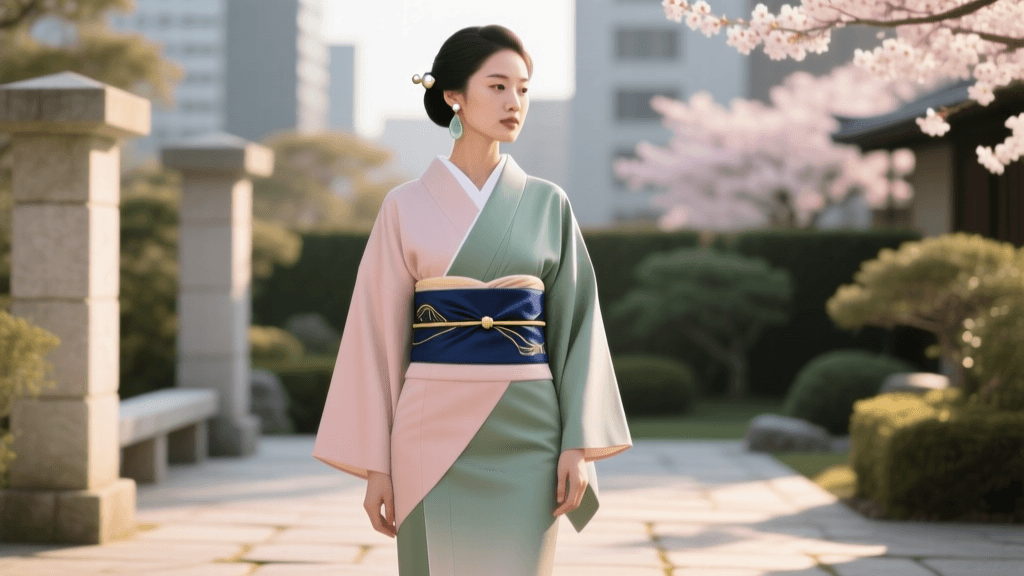
In recent years, the global fashion landscape has witnessed a profound appreciation for traditional garments, with the Japanese kimono emerging as a symbol of elegance, artistry, and cultural depth. While historically bound by strict sumptuary laws and rigid social codes, the kimono is experiencing a renaissance in contemporary formal wear. Today, fashion-forward individuals and cultural enthusiasts are integrating these magnificent silk garments into modern weddings, evening galas, and high-profile cultural events. According to the Victoria and Albert Museum, the kimono is not merely a historical artifact but a dynamic, evolving garment that continues to influence global fashion and serve as a canvas for exquisite textile arts.
Styling a kimono for a modern formal occasion requires a delicate balance between respecting centuries-old traditions and adapting to contemporary event dress codes. Whether you are attending a black-tie gala in New York, a modern Shinto-inspired wedding in Kyoto, or an international cultural summit, understanding the nuances of kimono formality, fit, and accessorization is essential. This comprehensive guide will walk you through the practical steps of selecting, fitting, and styling a kimono for today's most prestigious events.
Choosing the Right Kimono: Formality Levels Explained
The foundation of kimono styling lies in understanding its hierarchy of formality. Unlike Western formalwear, where a tuxedo or evening gown generally suffices for any black-tie event, the kimono system is highly specific. The Metropolitan Museum of Art notes that the formality of a kimono is determined by its fabric, dyeing technique, color, and the presence and number of family crests (kamon). For modern formal events, you will primarily interact with three categories of formal silk kimonos.
| Kimono Type | Formality Level | Best For | Key Features |
|---|---|---|---|
| Kurotomesode | Highest (Formal) | Weddings (Mothers/Relatives) | Black base, 5 crests, patterns only below the obi |
| Furisode | Highest (Formal) | Coming of Age, Galas, Unmarried Women | Long swinging sleeves (up to 114cm), vibrant all-over patterns |
| Houmongi | High (Semi-Formal to Formal) | Wedding Guests, Evening Galas, Tea Ceremonies | Continuous patterns across seams, 1 to 3 crests, versatile colors |
| Tsukesage | Medium-High (Semi-Formal) | Dinner Parties, Cultural Events | Patterns do not cross seams, generally more subdued than Houmongi |
For a modern evening gala or an art exhibition opening, the Houmongi (visiting kimono) is the most versatile and appropriate choice. Its continuous e-ba (picture-panel) design creates a stunning, uninterrupted visual flow when the kimono is wrapped and tied, making it a favorite among contemporary stylists. If you are an unmarried woman attending a highly formal celebratory event, a Furisode with its dramatic, floor-sweeping sleeves offers unparalleled visual impact and photographic elegance.
Essential Measurements and Fitting for a Flawless Silhouette
Western formalwear is tailored to accentuate the body's natural curves, but the kimono demands a completely different approach to silhouette. The ideal kimono shape is a smooth, cylindrical form that hides the waist, hips, and bust. Achieving this requires precise measurements and the strategic use of padding, a process known as kitsuke.
Key Measurements
When sourcing a vintage or bespoke kimono, you must pay attention to three critical dimensions:
- Yuki (Sleeve and Shoulder Length): Measured from the center back of the neck, over the shoulder, and down to the wrist bone. For formal wear, the sleeve should ideally end exactly at the wrist, covering the hand slightly when the arms are relaxed at the sides.
- Take (Body Length): Measured from the base of the neck to the ankle. A standard formal kimono should be tailored to your exact height plus about 10 centimeters to allow for the ohashori (the folded tuck at the waist).
- Sode (Sleeve Depth): Crucial for determining formality. A Furisode will have a deep sode (often over 100cm), while a Houmongi will have a standard depth of around 49cm.
The Art of Padding and Undergarments
To create the traditional cylindrical silhouette, modern kitsuke artists utilize specialized undergarments. A hadajuban (thin cotton undershirt) and susoyoke (wrap skirt) are worn first. To smooth out the curves of the waist and hips, stylists use corsets and rolled towels (hand tenugui) tied tightly around the waist and lower back. Over this, a nagajuban (the decorative under-kimono) is worn. The collar of the nagajuban must peek out exactly 1.5 to 2 centimeters behind the neck, a detail that is considered highly elegant and essential for formal styling.
Accessorizing for the Modern Gala: Obi, Obijime, and Footwear
The accessories you choose can elevate a beautiful kimono into a breathtaking formal ensemble. The obi (sash) is the centerpiece of formal kimono styling. For events like weddings and galas, a Fukuro Obi is mandatory. These are long, wide, and heavily brocaded with gold or silver threads, often featuring auspicious motifs like cranes, pine trees, or flowing water. The Fukuro Obi is typically tied in a Nijuudaiko (double drum) knot for married women or older attendees, or a more decorative, floral-inspired knot like the Bunko or Fukura-suzume for younger women wearing Furisode.
Beyond the obi, the small details make a significant impact:
- Obiage and Obijime: The obiage is a silk scarf tucked above the obi, while the obijime is a braided cord tied over the center of the obi. For modern galas, consider swapping traditional pastel silk for metallic, jewel-toned cords, or even incorporating subtle pearl accents into the obijime knot to bridge the gap between Eastern tradition and Western evening elegance.
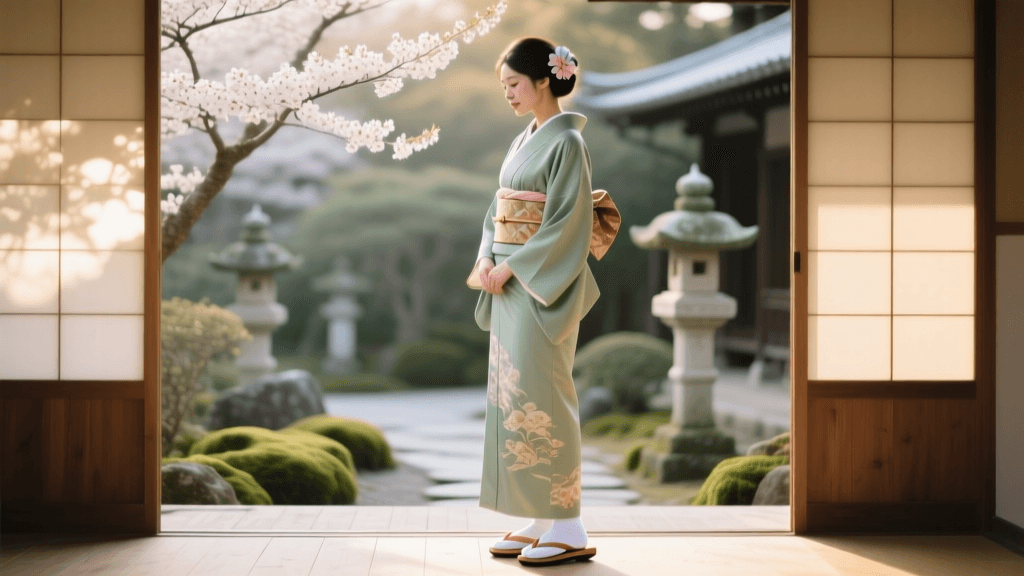
- Tabi and Zori: Formal footwear requires pristine white split-toe socks (tabi) and high-quality zori sandals. For a modern formal event, opt for zori with a low, comfortable heel and a brocade or leather strap (hanao) that complements the gold or silver threads in your obi. Avoid high-heeled Western shoes, as they disrupt the posture and grace required to walk in a kimono.
- Hair and Makeup: While traditional shimada wigs are reserved for geisha and brides, modern formal styling calls for an elegant updo. A sleek chignon or a low bun adorned with a single, high-quality kanzashi (ornamental hairpin) made of tortoiseshell, lacquer, or fresh seasonal flowers provides a sophisticated finish.
Budgeting and Sourcing: Rental vs. Bespoke vs. Vintage
Acquiring a formal kimono is an investment, and understanding your options is crucial for planning your event attire. The Japan Guide highlights that while purchasing new silk is a lifelong investment, the secondary market offers incredible value for those styling kimonos for one-off modern events.
Cost and Timing Breakdown
- Vintage and Recycle Shops: Tokyo's Harajuku and Kyoto's Gion districts are famous for 'recycle' kimono shops. Here, you can find authenticated, high-quality vintage Houmongi and Fukuro obi sets ranging from $200 to $800 USD. Timing: Allow 2-3 weeks for international shipping and professional dry cleaning if necessary.
- High-End Rental: For tourists or those attending a single gala, renting is highly practical. Premium rental boutiques in major cities offer full dressing services (kitsuke) and hair styling. Expect to pay between $150 and $400 USD for a formal, multi-hour rental experience. Timing: Book at least 1 to 2 months in advance, especially during peak wedding seasons (Spring and Autumn).
- Bespoke and New Silk: Commissioning a new, hand-painted Yuzen silk kimono from a master artisan in Kyoto is the pinnacle of luxury. Prices start at $5,000 and can exceed $20,000 USD for intricate gold-leaf (kinpaku) application. Timing: This process requires 3 to 6 months of consultations, fittings, and weaving.
Cultural Etiquette and Modern Dress Codes
When wearing a kimono to a modern international event, you act as an ambassador of Japanese culture. Adhering to fundamental rules of etiquette is non-negotiable. The most critical rule is the wrapping direction: the left side of the kimono must always overlap the right side. This practice, known as migi-mae, has been standard since the Nara period. Wrapping right over left is strictly reserved for dressing the deceased for burial, making it a severe faux pas in any living context.
'The kimono is a garment that demands mindfulness. From the way you sit to the way you hold your fan, every movement is an extension of the textile's grace. When wearing it to a modern gala, you are not just wearing a dress; you are embodying a philosophy of deliberate, beautiful motion.'
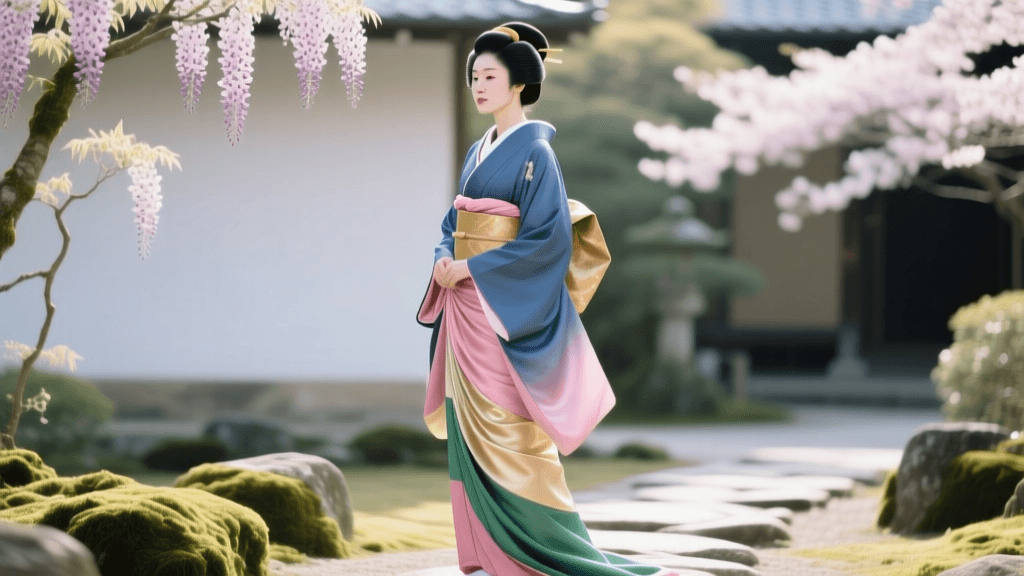
Furthermore, be mindful of seasonal motifs (kisetsukan). Japanese aesthetics dictate that your garment's patterns should slightly anticipate the upcoming season rather than reflect the current one. If you are attending a late April gala, cherry blossoms (sakura) are already falling, so a kimono featuring early summer motifs like wisteria or iris is considered more sophisticated and culturally literate.
Finally, consider the logistics of the modern venue. Kimono sleeves are long and voluminous. When dining at a formal Western-style banquet, you will need to gracefully manage your sleeves, perhaps using a specialized tasuki (sleeve tie) if the event is slightly more relaxed, or simply holding the sleeves back with your opposite hand when reaching for a glass. By mastering these practical, cultural, and aesthetic elements, you can confidently style a kimono that honors its rich heritage while shining brilliantly on the modern formal stage.